Dental Bridges vs Implants: Which Is Better?
Checked by our editorial team. Clinical review by a dentist: planned, not yet done for this article.

Before comparing the two options, it’s essential to have a clear understanding of what each treatment entails. They are not simply two versions of the same thing; they are distinct technologies designed to solve the same problem in very different ways.
Dental Bridges vs Implants: Which Is Better? When faced with a missing tooth, the goal is not just to fill the gap but to restore function, aesthetics, and long-term oral health. Two of the most effective and popular solutions in modern dentistry are dental bridges and dental implants. While both achieve the primary goal of replacing a tooth, they do so through fundamentally different methods, each with its own set of advantages, disadvantages, and ideal use cases. Understanding these differences is crucial for making an informed decision that aligns with your health needs, lifestyle, and financial considerations. This comprehensive guide will break down every aspect of these two treatments to provide clarity on this important choice.
Our dental implants in Turkey guide covers the whole decision, from suitability and planning to what happens if something goes wrong once you are home.
Understanding the Basics: What Are Dental Bridges and Implants?
What is a Dental Bridge?
A dental bridge is a fixed dental prosthesis used to replace one or more missing teeth by permanently joining an artificial tooth to adjacent teeth or dental implants. As the name suggests, it literally “bridges” the gap created by the missing tooth. The most common type is the traditional bridge. This consists of two main components:
- Pontic: This is the artificial tooth that fills the empty space. It is typically made from porcelain, ceramic, or a combination of materials to match the look and feel of your natural teeth.
- Abutments: These are the supports for the bridge. In a traditional bridge, the teeth on either side of the gap are used as abutments. To prepare them, a significant amount of their natural enamel must be removed to fit crowns over them. These crowns are then fused to the pontic, creating a single, solid unit that is cemented into place.
Other less common types include cantilever bridges, which are used when there is only one adjacent tooth available for support, and Maryland bridges, which use a metal or porcelain framework bonded to the back of adjacent teeth, requiring less tooth alteration.
What is a Dental Implant?
A dental implant is a surgical fixture that serves as a replacement for the root of a missing tooth. It is a more modern and structurally comprehensive solution. An implant is not reliant on adjacent teeth for support. Instead, it integrates directly with the jawbone. A complete dental implant system has three parts:
- The Implant: This is a small, screw-like post, typically made of biocompatible titanium. It is surgically placed into the jawbone where the original tooth root was located.
- The Abutment: After the implant has fused with the jawbone, a connector piece called an abutment is attached to the top of the implant. This piece protrudes just above the gum line and serves as the anchor for the final crown.
- The Crown: This is the visible, tooth-shaped cap that is attached to the abutment. It is custom-made to match the colour, shape, and size of your other teeth, resulting in a smooth and natural-looking restoration.
The Procedural Journey: A Step-by-Step Comparison
The process and timeline for receiving a bridge versus an implant are vastly different. A bridge is a much faster treatment, while an implant is a longer, multi-stage surgical process that offers a more permanent foundation.
The Dental Bridge Procedure
The journey to getting a dental bridge is relatively quick and can often be completed in just two or three visits over a few weeks.
- Preparation of Abutment Teeth: During the first visit, the dentist will prepare the teeth on either side of the gap. This involves reshaping these teeth by removing a portion of the enamel to make room for the crowns that will be placed over them.
- Impressions: Once the teeth are prepared, an impression of your teeth is taken. This impression serves as a model from which the dental lab will fabricate the bridge, pontic, and crowns.
- Temporary Bridge: The dentist will place a temporary bridge to protect the exposed, prepared teeth while the permanent bridge is being made.
- Final Fitting: On the second visit, the temporary bridge is removed, and the new, permanent bridge is checked for proper fit and bite. After any necessary adjustments, it is permanently cemented into place.
The Dental Implant Procedure
The dental implant process is more involved and requires a longer time commitment due to the necessary healing period. The entire process can take anywhere from three to nine months, or even longer if bone grafting is required. The details of what happens during a dental implant procedure involve several key stages.
- Initial Consultation and Planning: This involves a comprehensive dental exam, including X-rays and 3D imaging (CT scans), to assess the health of your jawbone and plan the precise placement of the implant.
- Implant Placement: In a surgical procedure, the titanium implant post is placed into the jawbone. The gum tissue is then sutured closed over the implant.
- Osseointegration: This is the most critical and time-consuming phase. Over the next several months, the implant post fuses with the surrounding bone tissue in a process called osseointegration. This creates a strong, stable foundation for the new tooth.
- Abutment Placement: Once osseointegration is complete, a minor surgery is performed to place the abutment on top of the implant.
- Crown Attachment: After the gums have healed around the abutment, impressions are taken, and the final, custom-made crown is fabricated and attached to the abutment, completing the restoration.
A Head-to-Head Analysis: Dental Bridges vs Implants
Choosing between these two excellent options requires weighing their pros and cons across several key categories. The best choice depends entirely on the individual’s specific circumstances, including oral health, budget, and long-term goals.
| Feature | Dental Bridge | Dental Implant |
|---|---|---|
| Impact on Adjacent Teeth | Requires permanent alteration (enamel removal) of healthy adjacent teeth to place crowns. | Stands alone and does not affect or rely on neighboring teeth, preserving their natural structure. |
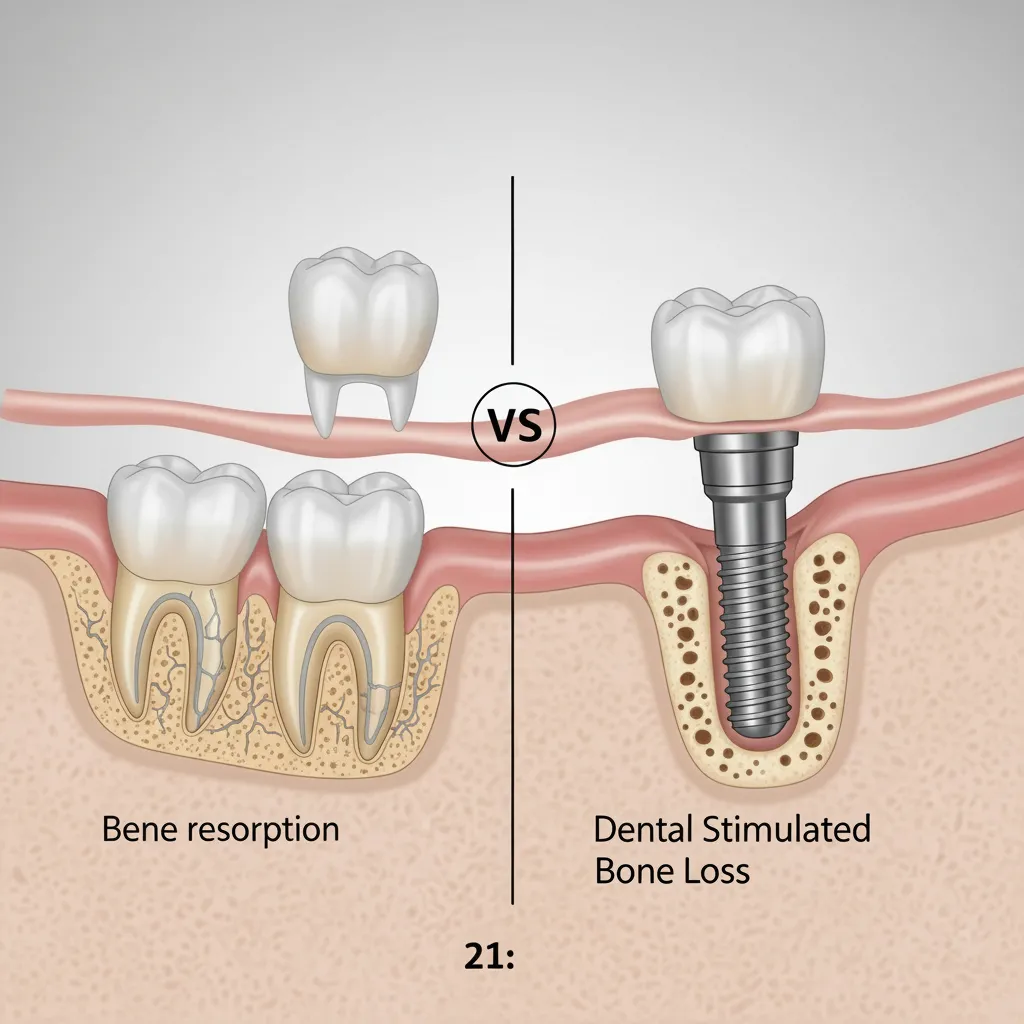
| Jawbone Health | Does not stimulate the jawbone, which can lead to bone deterioration under the pontic over time. | Fuses with the jawbone (osseointegration), providing necessary stimulation to prevent bone loss. |
| Durability & Lifespan | Typically lasts 5-15 years, often limited by the health of the supporting abutment teeth. | Can last 25 years or even a lifetime with proper care, making it a more permanent solution. |
| Aesthetics | Can provide excellent, natural-looking results. | Offers the most natural appearance and feel, as it emerges from the gum line like a real tooth. |
| Maintenance & Hygiene | Requires special cleaning tools like floss threaders to clean underneath the pontic. | Can be brushed and flossed just like a natural tooth, simplifying oral hygiene. |
| Treatment Time | Fast, typically completed in 2-3 weeks. | Longer process, taking 3-9 months or more due to the healing period required for osseointegration. |
| Initial Cost | Generally lower upfront cost. | Higher initial investment due to the surgical procedure and materials. |
Long-Term Health and Durability Considerations
While the initial decision might be influenced by cost or treatment time, the long-term implications for your oral health are perhaps the most important factors to consider.
Impact on Jawbone Health
This is one of the most significant advantages of a dental implant. When a tooth is lost, the jawbone in that area no longer receives the stimulation from chewing forces. This leads to a process called bone resorption, where the bone begins to shrink and deteriorate. A dental implant, by acting as an artificial tooth root, transmits chewing forces into the jawbone, stimulating it and preventing this bone loss. A dental bridge, on the other hand, sits on top of the gums and provides no such stimulation, allowing the bone underneath the pontic to resorb over time. This can eventually affect the facial structure and the fit of the bridge.
Longevity and Success Rates
Dental implants are considered the gold standard for tooth replacement due to their remarkable durability and high success rates. With proper care and maintenance, an implant can last for many years. A dental bridge’s lifespan is often determined by the health of the supporting abutment teeth. These teeth are placed under additional stress and are at a higher risk of decay and nerve issues, which could lead to the failure of the entire bridge. Scientific literature supports the long-term viability of implants. For instance, a 9-year retrospective study found very high survival rates for dental implants, often outperforming traditional fixed prostheses like bridges in the long run, as detailed in a study published by the National Center for Biotechnology Information.
Making the Right Choice for Your Smile
The decision between a dental bridge and a dental implant is a personal one that should be made in close consultation with your dental professional. They can assess your specific situation and provide a recommendation based on a thorough examination.
Who is an Ideal Candidate for a Dental Implant?
A dental implant is often the preferred option for individuals who have sufficient jawbone density to support the implant, are in good general and oral health, and are non-smokers. Patients looking for the most durable, long-term solution that preserves the health of their jawbone and adjacent teeth are excellent candidates. It requires a commitment to a longer treatment process but offers superior rewards in terms of function and longevity.
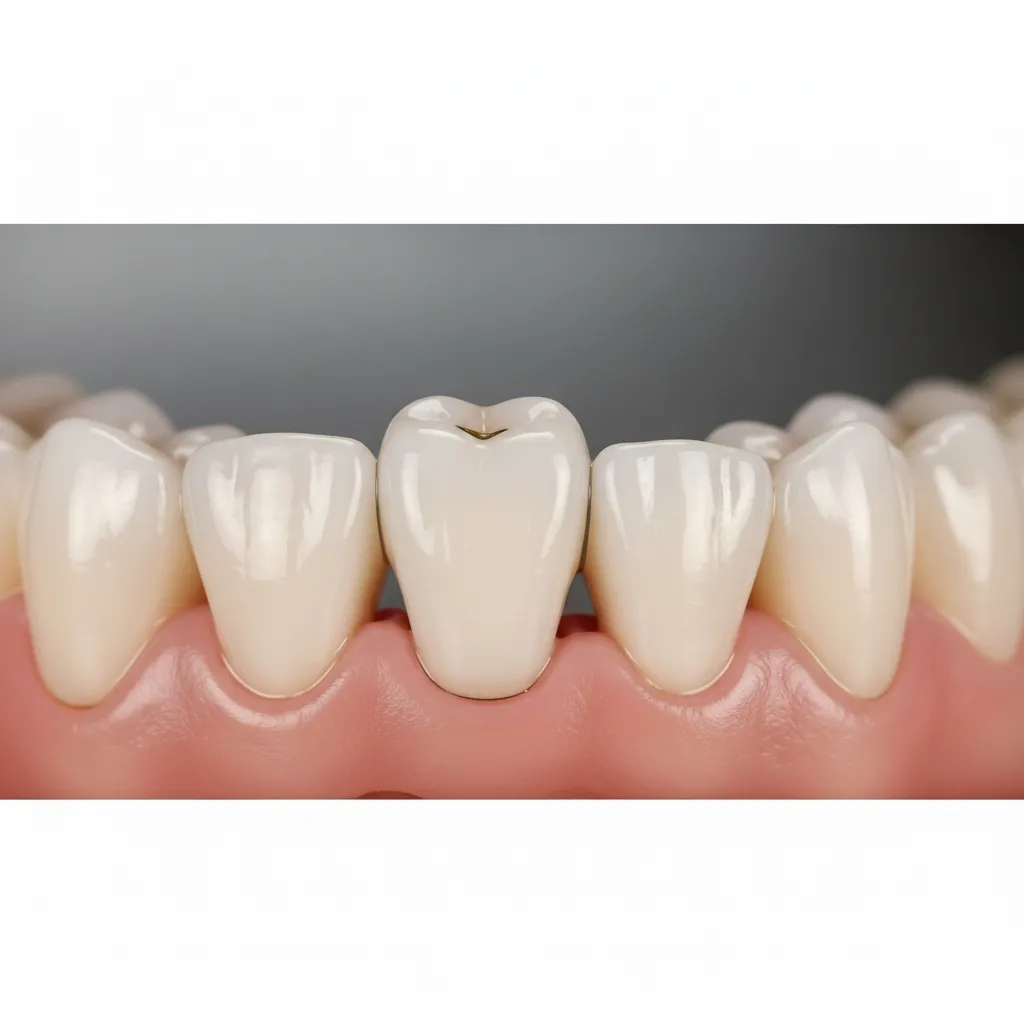
A dental bridge may be the more suitable choice in certain situations. If the teeth adjacent to the gap already have large fillings or require crowns, a bridge can be a logical solution as it addresses both issues at once. It is also a viable option for patients who are not candidates for surgery due to certain health conditions or for those who need a faster tooth replacement. Additionally, if there has been significant bone loss and the patient prefers to avoid a bone grafting procedure, a bridge can effectively close the gap.
For what bridges cost, see dental bridge costs in the UK.