Pain Level of Dental Procedures UK
Checked by our editorial team. Clinical review by a dentist: planned, not yet done for this article.

Pain Level of Dental Procedures UK is a common concern for many, often leading to apprehension and even avoidance of necessary dental care. Modern dentistry, however, has made significant strides in pain management, transforming the patient experience from one of dread to one of comfort and minimal discomfort. Understanding what to expect during various dental procedures and the advanced techniques used to mitigate pain can help demystify the process and encourage individuals to prioritise their oral health.
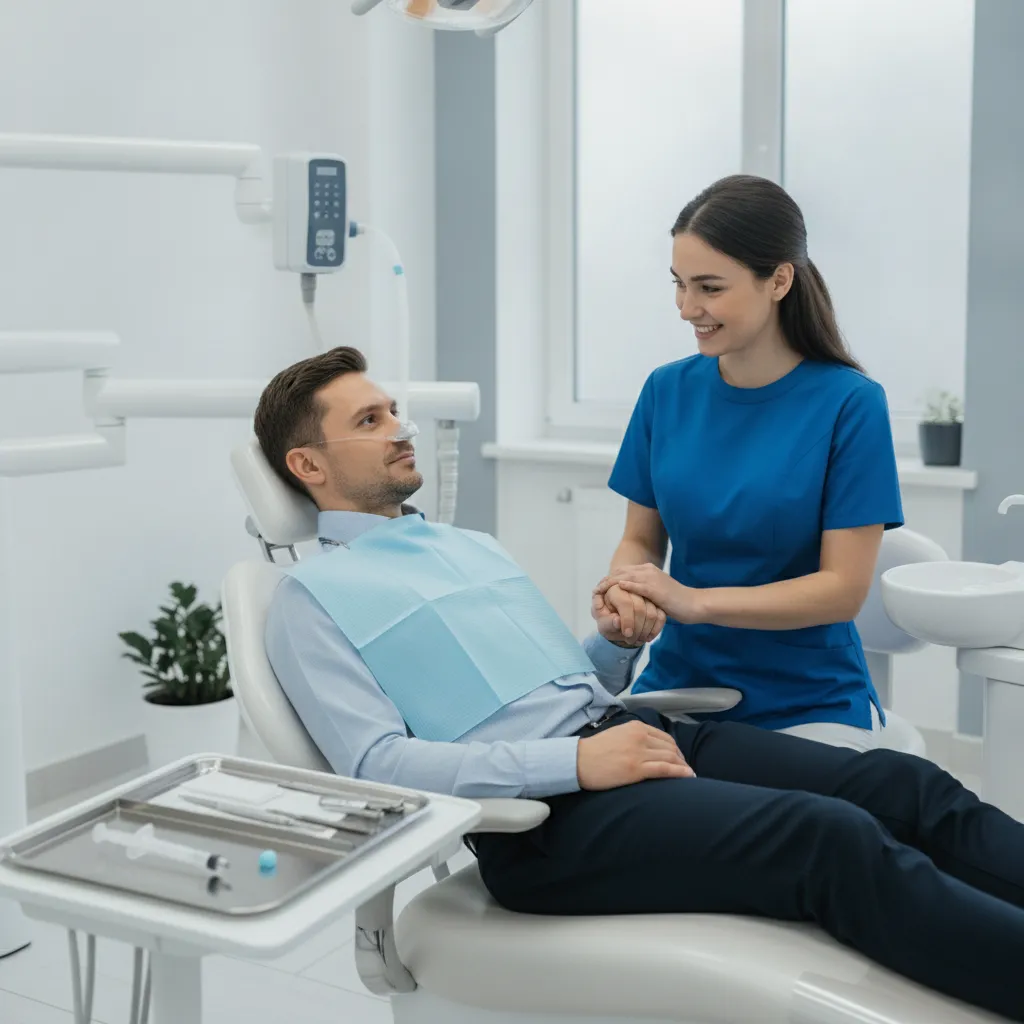
Understanding Dental Pain: More Than Just a Sensation
Pain is a highly subjective experience, varying greatly from person to person. What one individual perceives as mild discomfort, another might find intensely painful. In a dental context, pain can arise from various sources: tooth decay reaching the nerve, gum inflammation, infection, or the actual manipulation of tissues during a procedure. However, the anticipation of pain, often fuelled by past negative experiences or anecdotal stories, can be as distressing as the pain itself. Recognising this psychological component is crucial for effective pain management in dentistry.
Factors Influencing Your Pain Experience
Several factors contribute to an individual’s perception of pain during dental treatment:
- Individual Pain Threshold and Tolerance: Each person has a unique physiological threshold for pain and varying levels of psychological tolerance.
- Anxiety and Fear: High levels of anxiety can lower the pain threshold, making procedures feel more uncomfortable.
- Type and Extent of the Procedure: More invasive or lengthy procedures generally carry a higher potential for discomfort.
- Location of the Procedure: Some areas of the mouth are more sensitive than others.
- Dentist’s Technique and Experience: A skilled and gentle dentist can significantly reduce discomfort.
- Effectiveness of Anaesthesia: Proper administration and adequate dosage of anaesthetic are vital.
- Pre-existing Conditions: Inflamed tissues or active infections can make anaesthesia less effective initially.
Modern Anaesthesia and Sedation: The Pillars of Comfortable Dentistry
The cornerstone of modern pain management in dentistry is the effective use of anaesthesia and sedation. These techniques ensure that patients remain comfortable, relaxed, and often completely unaware of any discomfort during their treatment.
Local Anaesthesia: Numbing the Site
Local anaesthesia is the most common form of pain control used in dentistry. It involves injecting a numbing agent near the site of treatment, temporarily blocking nerve signals to the brain. This means you remain fully conscious but feel no pain in the treated area. The injection itself is typically administered very gently, often after applying a topical numbing gel to minimise the initial prick. The effects of local anaesthesia can last for several hours, providing comfort during and immediately after the procedure.
Sedation Options: Easing Anxiety and Discomfort
For patients with significant dental anxiety or those undergoing longer or more complex procedures, various sedation options are available:
- Nitrous Oxide (Laughing Gas): This is a mild sedative inhaled through a small mask placed over the nose. It induces a state of relaxation and well-being, often making patients feel light-headed or giggly. Its effects wear off quickly once the mask is removed, allowing patients to drive themselves home.
- Oral Sedation: Administered as a pill taken before the appointment, oral sedatives induce a state of moderate relaxation. Patients remain conscious but are often drowsy and may have little memory of the procedure afterwards. A responsible adult must accompany patients receiving oral sedation, as its effects can linger.
- Intravenous (IV) Sedation: This involves administering a sedative directly into a vein, allowing the dentist to control the level of sedation more precisely. Patients typically enter a deeper state of relaxation, often feeling like they’ve had a nap. IV sedation is ideal for highly anxious patients or for extensive treatments. As with oral sedation, a chaperone and restricted activities post-procedure are necessary.
Pain Level of Dental Procedures UK: A Comprehensive Overview
While every patient’s experience is unique, we can generally categorise common dental procedures by their typical pain levels and how discomfort is managed. The focus here is on the pain experienced *during* the procedure and the expected recovery period, assuming proper anaesthesia and post-operative care.
Routine Check-ups and Professional Cleaning These are generally comfortable. Some sensitivity might be experienced during scaling, especially if gum inflammation is present, but it’s usually mild and transient.
Dental Fillings: Restoring Teeth Comfortably
For small to medium cavities, the procedure is typically comfortable with local anaesthesia. You might feel pressure or vibration, but no sharp pain. Deeper fillings might involve more post-procedure sensitivity, but this is usually manageable with over-the-counter pain relief.
Root Canal Treatment: Dispelling the Myths
Contrary to popular belief, a root canal procedure itself is not painful. It’s often performed to *relieve* severe pain caused by an infected tooth nerve. With effective local anaesthesia, you should feel no pain during the treatment. Some soreness or sensitivity for a few days afterwards is common and can be managed with medication.
Tooth Extractions: When a Tooth Needs to Go
Simple extractions (non-surgical) are done with local anaesthesia, so you’ll feel pressure but no pain. Surgical extractions, like wisdom teeth removal, might require more profound anaesthesia or sedation. Post-operative pain is expected but is typically well-controlled with prescribed pain medication and following aftercare instructions.
Dental Implants: A Permanent Solution with Managed Discomfort
The dental implant procedure involves placing a titanium post into the jawbone. This is performed under local anaesthesia, often with sedation, meaning you won’t feel pain during the surgery. Post-operative discomfort, swelling, and bruising are common for a few days, similar to a tooth extraction, and are effectively managed with pain relievers.
Dental Crowns and Bridges: Restoring Function and Aesthetics
Preparing a tooth for a crown or bridge involves reshaping it, which is done under local anaesthesia. Patients typically experience no pain during the preparation, though temporary sensitivity can occur between appointments if a temporary crown is placed. Final cementation is usually comfortable.
Cosmetic Procedures: Veneers and Composite Bonding
Many cosmetic procedures, like composite bonding, are minimally invasive and often require no anaesthesia. Veneer placement might involve minimal tooth preparation, which is done with local anaesthesia, ensuring comfort throughout. Any post-procedure sensitivity is usually mild and temporary.
Gum Disease Treatment: Addressing Periodontal Health
Procedures like scaling and root planing (deep cleaning) to treat gum disease can cause some sensitivity, especially if the gums are inflamed. Local anaesthesia is frequently used to ensure comfort during the procedure. Mild soreness after the treatment is normal and can be managed with over-the-counter pain relief.
| Dental Procedure | Typical Pain Level (During Procedure with Anaesthesia) | Expected Post-Procedure Discomfort & Management |
|---|---|---|
| Routine Check-up & Cleaning | None to minimal (mild sensitivity) | None to mild sensitivity for a few hours. No specific pain management needed. |
| Dental Fillings | None (pressure/vibration felt) | Mild sensitivity to hot/cold for a few days. Over-the-counter pain relief if needed. |
| Root Canal Treatment | None (to relieve existing pain) | Mild soreness for 2-3 days. Over-the-counter or prescribed pain relief. |
| Simple Tooth Extraction | None (pressure felt) | Moderate pain for 1-3 days. Over-the-counter or prescribed pain relief, cold compress. |
| Surgical Tooth Extraction | None (with anaesthesia/sedation) | Moderate to significant pain, swelling, bruising for 3-7 days. Prescribed pain relief, cold compress. |
| Dental Implants | None (with anaesthesia/sedation) | Moderate pain, swelling, bruising for 3-7 days. Prescribed pain relief, cold compress. |
| Dental Crowns & Bridges | None (during preparation/cementation) | Mild sensitivity between appointments or for a few days after. Over-the-counter pain relief if needed. |
| Composite Bonding | None (often without anaesthesia) | None to very mild sensitivity. |
| Veneers | None (with anaesthesia for preparation) | Mild, temporary sensitivity for a few days. |
| Scaling & Root Planing | None (with local anaesthesia) | Mild soreness/sensitivity for 1-2 days. Over-the-counter pain relief if needed. |
Pre-Procedure Anxiety Management: Preparing for a Calm Experience
Open Communication with Your Dentist
Discussing your fears and concerns with your dentist is paramount. They can explain the procedure in detail, reassure you about pain management, and offer options like sedation. Knowing what to expect reduces the unknown and, consequently, anxiety.
Relaxation Techniques and Mindfulness
Simple techniques like deep breathing exercises, listening to calming music, or practising mindfulness can help manage pre-appointment jitters. Some clinics offer amenities like overhead TVs or headphones to distract patients during treatment. Understanding and managing dental fear is a recognised part of modern dental care.
Effective Post-Procedure Pain Management and Recovery
Following Aftercare Instructions
This includes guidance on diet, oral hygiene, and activity levels. Adhering to these instructions prevents complications and aids recovery. For instance, avoiding hard foods after an extraction or implant surgery is vital.
Medication and Cold Compress Use
Your dentist will advise on appropriate pain medication, ranging from over-the-counter options like ibuprofen or paracetamol to stronger prescription pain relievers for more invasive procedures. Applying a cold compress to the cheek can help reduce swelling and pain after surgical treatments.
Recognising When to Contact Your Dentist
While some discomfort is normal, persistent severe pain, uncontrolled bleeding, fever, or signs of infection (e.g., pus, spreading redness) are reasons to contact your dental practice immediately. They are there to support your recovery.
The Expertise of Your Dental Professional: A Key to Minimised Discomfort
The skill and approach of your dental team play a critical role in your comfort. Experienced dentists prioritise gentle techniques, effective anaesthesia administration, and clear communication to ensure a positive patient experience. They are adept at anticipating potential discomfort and implementing strategies to prevent it, making even complex procedures as comfortable as possible. Choosing a dental practice that prioritises patient comfort and employs advanced pain management techniques is fundamental to alleviating concerns about the pain level of dental procedures in the UK.

Modern dentistry is focused on making dental care accessible and comfortable for everyone. By understanding the causes of pain, the effective management techniques available, and the typical experiences associated with various procedures, patients can approach their dental appointments with confidence, knowing that their comfort is a top priority.
If your main concern is implant surgery, read are dental implants painful?