Are Dental Implants Painful?
Checked by our editorial team. Clinical review by a dentist: planned, not yet done for this article.

Are Dental Implants Painful? This is one of the most significant concerns for individuals considering this life-changing tooth replacement solution. The idea of a surgical procedure involving the jawbone can understandably evoke feelings of anxiety and fear about the level of pain involved. However, the reality of modern dental implantology is far more comfortable than most people imagine. Thanks to advanced anaesthetic techniques, precise surgical methods, and effective post-operative care, the experience is manageable and the temporary discomfort is a small price to pay for a permanent, fully functional new smile. The procedure itself is not painful, and the subsequent recovery is often compared to that of a routine tooth extraction.
If you are weighing up implant treatment in Turkey as a whole, our decision guide for UK patients brings costs, risks, aftercare and questions to ask together in one place.
Understanding the Dental Implant Procedure Step-by-Step
To properly address the question of pain, it is essential to first understand what the dental implant process entails. Demystifying the procedure helps to replace fear of the unknown with clear, factual expectations. The journey to a new tooth is a multi-stage process, with each step carefully planned to ensure patient comfort and successful outcomes.
The Initial Consultation and Planning
The first phase is entirely non-invasive and involves no discomfort. During this crucial step, your dentist will conduct a thorough examination of your oral health. This includes advanced imaging like X-rays and 3D CT scans to assess the density and volume of your jawbone. This detailed analysis allows the surgeon to determine the ideal placement for the implant and to create a precise surgical plan. This is a period of discussion and information gathering, where you can have all your questions answered without any physical procedure taking place.
The Implant Placement (Surgical Phase)
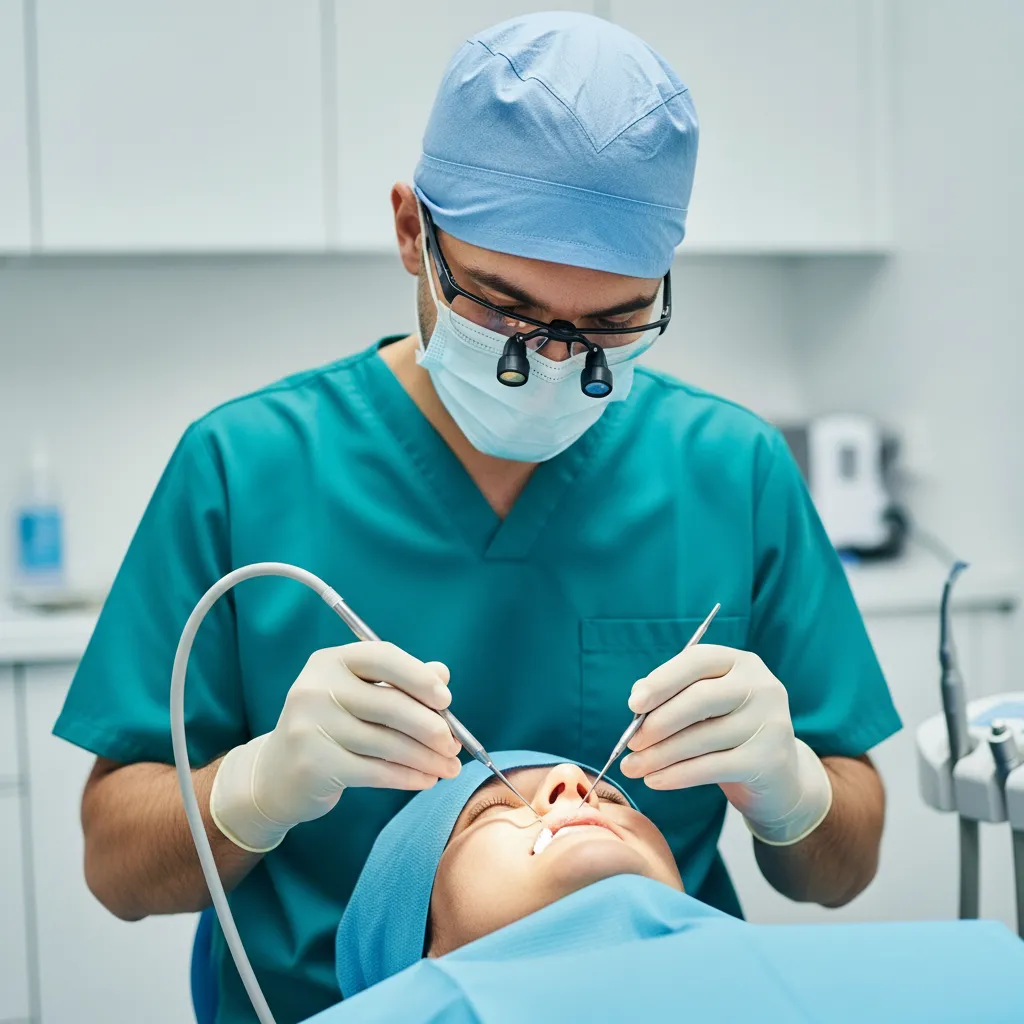
This is the core surgical part of the process and the source of most patient anxiety. However, it is performed under highly effective anaesthesia. Typically, local anaesthesia is administered to completely numb the surgical area, ensuring you feel no pain during the placement of the titanium implant post. Patients may feel some pressure or vibrations, but not the sharp sensation of pain. For patients with higher levels of anxiety, sedation dentistry options can also be employed to ensure a state of deep relaxation throughout the procedure. The surgeon makes a small incision in the gum, prepares the jawbone using specialised instruments, and carefully inserts the implant post. The site is then closed with sutures.
The Osseointegration Period
Following the placement of the implant, a critical healing phase known as osseointegration begins. This is a natural biological process where the jawbone grows around and fuses with the titanium implant, creating an incredibly strong and stable foundation, much like a natural tooth root. Most patients do not feel this process taking place. You will not feel anything happening as your body works to integrate the implant over the course of several months. During this time, you can typically go about your daily life without any significant interruption.
Abutment Placement and Crown Fitting
Once osseointegration is complete, the final stages of the restoration take place. A small connector post, called an abutment, is attached to the implant. This step is a minor procedure, often requiring only a small incision in the gum tissue under local anaesthesia. After the gums have healed around the abutment, your dentist will take impressions to create your custom-made crown. The final crown, designed to match your natural teeth perfectly in shape and colour, is then securely attached to the abutment, completing your new, fully functional tooth.
Are Dental Implants Painful During and After the Procedure?
With a clear understanding of the steps, we can directly address the primary concern. The experience of pain is subjective, but modern dentistry has made the process remarkably comfortable. The discomfort is primarily concentrated in the short recovery period immediately following the surgery, not during the procedure itself.
During the surgery, the use of powerful local anaesthetics eliminates the possibility of feeling pain. The area is completely numb. The goal of the dental team is to ensure you are comfortable and relaxed from start to finish. The effectiveness of these anaesthetics is well-established and reliable. After the procedure, as the anaesthesia wears off, some level of discomfort is expected. This is a normal part of the body’s healing response. Most patients describe the sensation as a dull ache or soreness at the implant site, accompanied by some swelling and potentially minor bruising. The level of this discomfort is widely reported to be less than that of a complicated tooth extraction. This post-operative pain is temporary and highly manageable with a clear care plan provided by your surgeon. Detailed information on managing this phase can be found by exploring the recovery process after dental implants.
Managing Discomfort: A Timeline of Recovery
Knowing what to expect during the recovery period can significantly reduce anxiety. The discomfort is not constant and follows a predictable pattern of decline. Your dental team will provide you with a comprehensive set of post-operative instructions, including a prescription for pain medication, to ensure your healing is as smooth and comfortable as possible. The following table provides a general timeline for what to expect.
| Timeline | Expected Sensation | Management Strategy |
|---|---|---|
| Day 1-3 | This is the period of peak discomfort, swelling, and potential bruising. The sensation is typically a manageable, dull ache. | Use prescribed pain medication as directed. Apply ice packs to the outside of the face for 15-20 minutes at a time to reduce swelling. Rest and avoid strenuous activity. |
| Day 4-7 | Discomfort and swelling will begin to noticeably subside. The ache may be replaced by a feeling of tenderness at the surgical site. | Switch to over-the-counter pain relievers like ibuprofen if needed. Continue with a soft food diet. Maintain gentle oral hygiene as instructed. |
| Week 2 | Most of the significant discomfort, swelling, and bruising should be gone. The area may still feel slightly tender to the touch. | Pain medication is usually no longer necessary. You can gradually reintroduce more solid foods into your diet, avoiding chewing directly on the implant site. |
| After 2 Weeks | The majority of patients feel back to normal. The soft tissues have healed, and any residual tenderness is minimal. | Resume your normal diet and oral hygiene routine, being mindful of the healing area until your dentist gives you the all-clear. |
Factors That Influence Pain and Discomfort Levels
While the above timeline is a good general guide, individual experiences can vary. Several factors can influence the amount of post-operative discomfort a patient may feel.
The Complexity of the Surgery
A straightforward procedure to place a single implant will generally result in less discomfort and a quicker recovery than a more complex case. Procedures that involve placing multiple implants, or those requiring prerequisite treatments like bone grafting or a sinus lift to build up the jawbone, will naturally involve more tissue manipulation and a longer, more involved healing period.
The Patient’s Individual Pain Threshold
Pain perception is highly subjective and varies from person to person. What one individual describes as mild soreness, another might experience as more significant pain. It is important to have an open conversation with your dentist about your anxieties and pain tolerance so they can tailor your pain management plan accordingly.
The Skill of the Surgeon
The experience and technique of the oral surgeon play a crucial role in minimising discomfort. A skilled surgeon can perform the procedure efficiently and with great precision, which results in less trauma to the surrounding gum and bone tissue. This leads to reduced post-operative swelling and pain, and an overall smoother recovery.
Adherence to Post-Operative Instructions
The patient’s role in their own recovery cannot be overstated. Strictly following all post-operative instructions is vital for a comfortable and complication-free healing process. This includes taking medication as prescribed, adhering to dietary restrictions (like a soft food diet), practising proper oral hygiene, and avoiding activities like smoking, which can impair healing. According to scientific studies, the pain experienced is generally rated as mild to moderate and decreases significantly after the second day. A comprehensive analysis published by the National Center for Biotechnology Information confirms that pain perception after implant placement is manageable and well-tolerated by most patients.
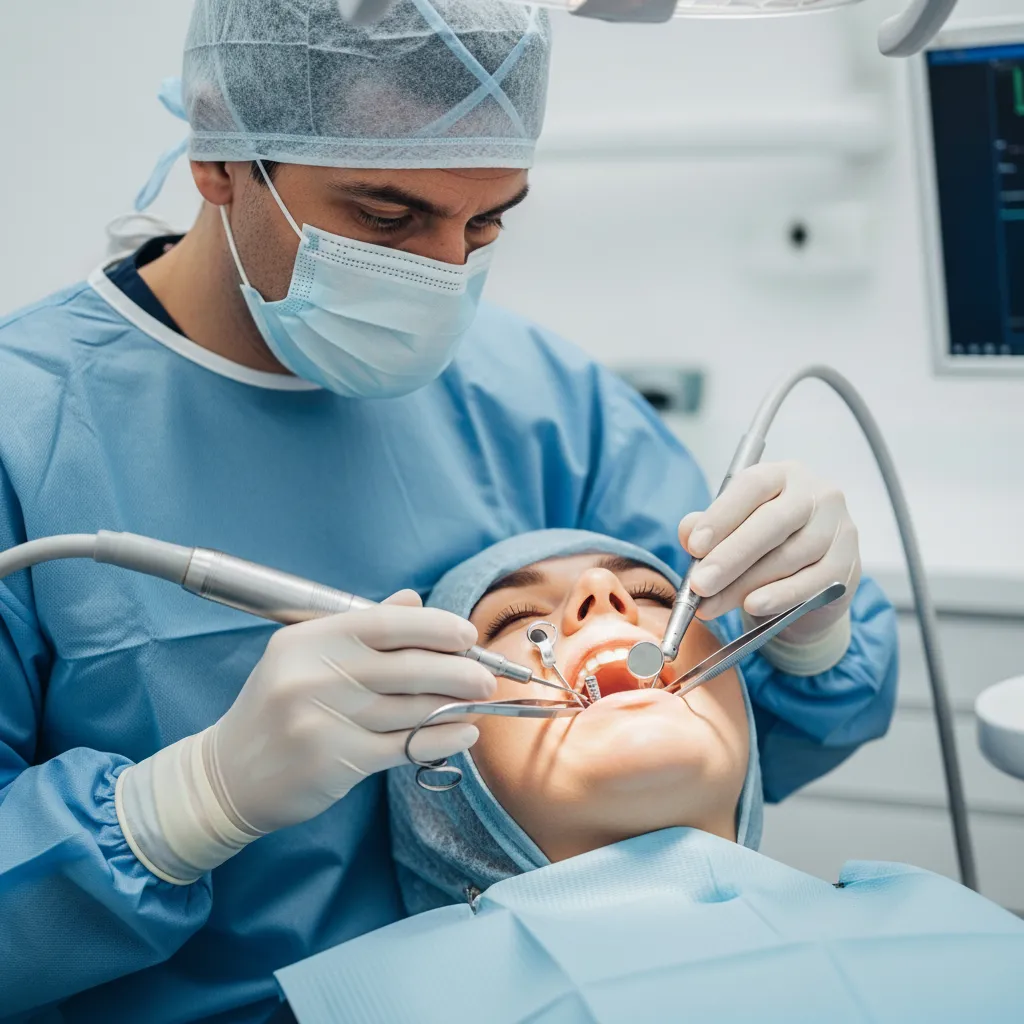
The fear of pain should not be a barrier to achieving a healthy, complete smile. While the dental implant process does involve a surgical step and a subsequent healing period, the discomfort is temporary and effectively managed with modern dental practices. Anaesthesia keeps the procedure itself comfortable for most patients, and recovery typically involves mild to moderate soreness that eases over time. The long-term, life-enhancing benefits of a permanent, stable, and natural-looking tooth replacement far outweigh the brief period of manageable recovery.
For how other dental treatments compare, see pain levels of common dental procedures; for the weeks after surgery, see recovery after dental implants.