The Recovery Process After Dental Implants
Checked by our editorial team. Clinical review by a dentist: planned, not yet done for this article.

The first two days following your dental implant surgery are the most critical for setting the stage for proper healing. During this period, your body’s initial inflammatory response kicks in, and your primary focus should be on rest, managing discomfort, and protecting the surgical site.
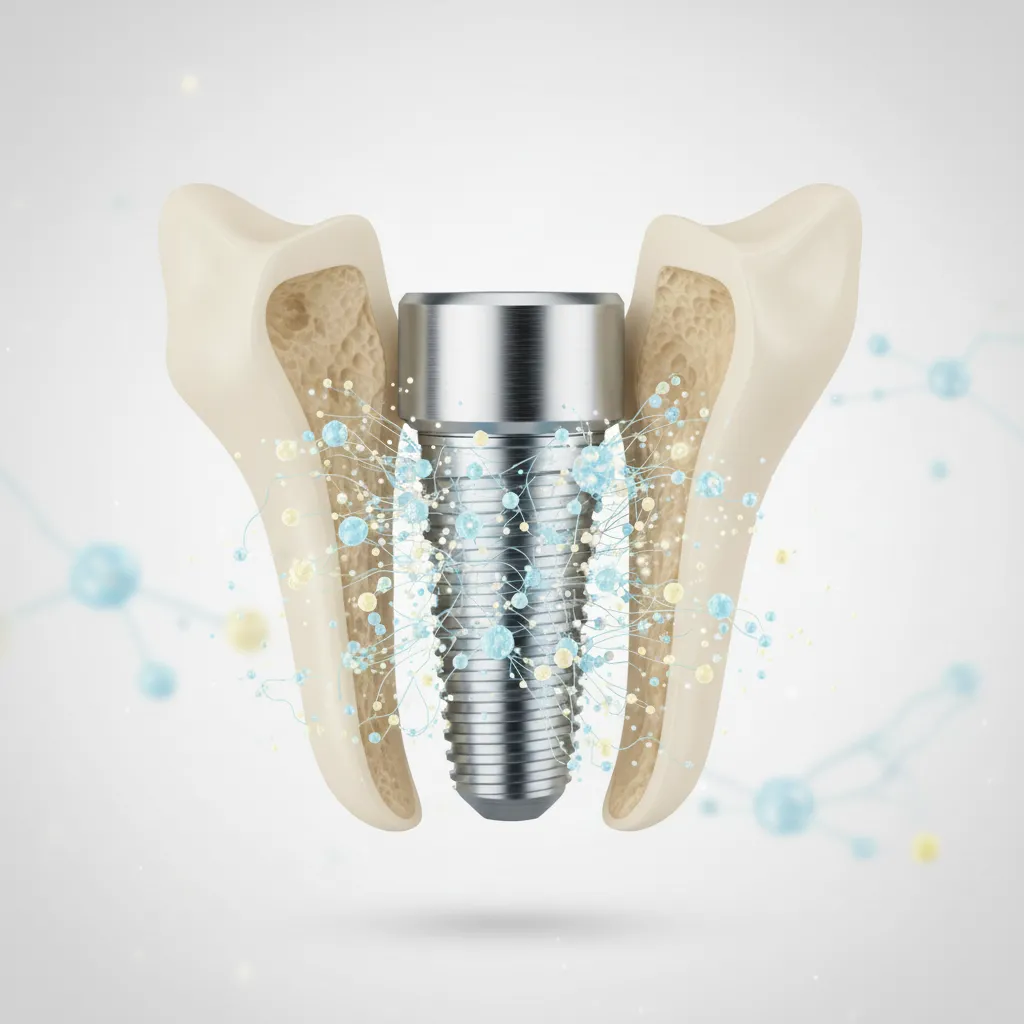
The Recovery Process After Dental Implants is a crucial phase that determines the long-term success and stability of your new tooth. While the surgical procedure itself is a significant step, it is the patient’s diligence and adherence to post-operative care instructions that truly solidify the foundation for a lifetime of confident smiles. Understanding this journey, from the first day to the final crown placement, empowers patients to take an active role in their healing, ensuring the best possible outcome. This comprehensive guide will walk you through each stage, providing the detailed information necessary to navigate your recovery with confidence and ease.
For the bigger picture, including how to check a clinic and plan aftercare back in the UK, see our guide to dental implants in Turkey.
The Immediate Aftermath: The First 48 Hours
Managing Bleeding and Swelling
It is normal to experience some minor bleeding or oozing from the implant site for the first 24 hours. Your dentist will have placed a gauze pack over the area, which you should bite down on gently but firmly. This pressure helps to control bleeding and encourages clot formation, which is the first step in the healing process. You may need to change the gauze every 30-60 minutes if it becomes saturated. If bleeding seems persistent or heavy, contact your dental clinic immediately.
Swelling is also a very common and expected side effect. It typically peaks around 48 to 72 hours after the procedure. To minimise swelling, apply an ice pack to the outside of your cheek, near the surgical area. Use the ice pack for 20 minutes on, then 20 minutes off, for as much as possible during the first 24-48 hours. Keeping your head elevated, even while sleeping, can also significantly help reduce swelling.
Pain Control and Medication
Discomfort is expected after the local anaesthesia wears off. Your surgeon will likely prescribe pain medication or recommend an over-the-counter anti-inflammatory drug like ibuprofen. It is essential to take the medication as prescribed, often beginning before the anaesthesia has completely faded, to stay ahead of the pain. You may also be prescribed antibiotics to prevent infection. It is vital to complete the full course of antibiotics, even if you feel fine, to ensure any potential bacteria are eliminated from the surgical site.
Diet and Hydration
For the first 48 hours, your diet should consist exclusively of cool liquids and very soft foods. Avoid hot beverages and foods as they can dissolve the crucial blood clot. Do not use a straw, as the suction can dislodge the clot and lead to a painful condition known as a dry socket. Stick to options like smoothies, yoghurt, applesauce, and cool soups. Staying hydrated is important for healing, so drink plenty of water.
The First Two Weeks: Critical Healing Phase
After the initial 48-hour period, you will enter a phase of more active healing. Swelling will begin to subside, and discomfort should lessen each day. This is a time to be diligent with oral hygiene and gradually reintroduce more foods and activities.
Oral Hygiene: A Delicate Balance
Keeping your mouth clean is paramount to preventing infection, but you must be extremely gentle around the surgical site. You can typically resume brushing your other teeth the day after surgery, but avoid the implant area entirely. Your dentist will likely recommend a prescription antimicrobial mouth rinse, such as chlorhexidine, to be used twice a day. Swish very gently or simply let the liquid wash over the area rather than vigorously rinsing, which could disturb the healing tissues. A warm salt water rinse (half a teaspoon of salt in a glass of warm water) can also be used gently 3-4 times a day, especially after meals, to help keep the area clean and soothe tissues.
Timeline of the Recovery Process After Dental Implants
Understanding the general timeline can help you manage expectations and monitor your progress. While every patient’s experience is unique, this table outlines a typical recovery journey.
| Timeframe | Key Milestones & Sensations | Recommended Actions & Precautions |
|---|---|---|
| Day 1-3 | Peak swelling and discomfort. Minor oozing. | Rest, ice packs, pain medication, liquid/soft food diet. No straws or smoking. |
| Day 4-7 | Swelling and bruising begin to subside. Discomfort lessens. | Continue soft food diet. Gentle salt water rinses. Begin very gentle brushing away from the site. |
| Week 2 | Sutures may dissolve or be removed. Minimal discomfort. | Gradually introduce softer solid foods. Maintain gentle oral hygiene. Light activity can resume. |
| Week 3-12 | No discomfort. Gums appear healed. Osseointegration is actively occurring beneath the surface. | Return to normal diet, avoiding very hard foods at the implant site. Maintain excellent oral hygiene. |
| Month 3-6+ | Osseointegration is complete. Implant is stable in the jawbone. | Follow-up appointment to confirm stability. Procedure for abutment and crown placement. |
The Osseointegration Period: The Foundation of Success
Perhaps the most miraculous part of the dental implant process happens silently over the next several months. This phase, known as osseointegration, is the biological process where the titanium implant post fuses directly with your jawbone, creating an incredibly strong and stable anchor for your future tooth.
What is Osseointegration?
Titanium is a biocompatible material, meaning the body does not recognise it as a foreign object and will not reject it. Following the surgery, bone cells in your jaw are attracted to the implant’s surface and begin to grow onto and into its microscopic crevices. Over a period of three to six months, this growth creates a permanent, biological bond between bone and implant. The success of this process is fundamental to the entire treatment. The stability achieved through osseointegration is what allows a dental implant to function and feel just like a natural tooth root.
The Patient’s Role During This Silent Phase
While you may feel completely normal within a few weeks of surgery, it is crucial to remember that this vital process is still underway beneath the gums. To support successful osseointegration, you must avoid placing excessive pressure on the implant. If you have a temporary restoration, be careful not to chew hard or sticky foods with it. Smoking and excessive alcohol consumption are highly detrimental during this period, as they can impair blood flow and the body’s ability to heal, significantly increasing the risk of implant failure. Maintaining excellent overall health and oral hygiene continues to be essential.
Long-Term Care and Final Steps
Once your dentist confirms through x-rays and stability tests that osseointegration is complete, you are ready for the final steps of your restoration. The long-term health of your implant depends on the same care you give your natural teeth.
Abutment and Crown Placement
The final stage involves placing the abutment and the permanent crown. The abutment is a small connector piece that is attached to the top of the implant post, protruding just above the gum line. A minor procedure may be needed to expose the implant to attach the abutment. After the gums have healed around the abutment for a week or two, your dentist will take impressions to create your custom-made crown. This crown is meticulously designed to match the colour, shape, and size of your surrounding teeth for a smooth, natural look. Once fabricated, it is securely attached to the abutment.
Tips for Ensuring Implant Longevity
Your dental implant is designed to last for many years, but its longevity is not guaranteed without proper care. Factors influencing the survival rate of implants are well-documented in scientific literature. A comprehensive study published on the National Center for Biotechnology Information website highlights the importance of patient-related factors and consistent maintenance. To protect your investment, you should:
- Practice Impeccable Oral Hygiene: Brush twice a day and floss daily. Special tools like water flossers or interdental brushes can help clean effectively around the implant.
- Attend Regular Dental Check-ups: Professional cleanings and check-ups every six months are vital for monitoring the health of your implant and the surrounding tissues.
- Avoid Harmful Habits: Do not chew on ice, hard candy, or other extremely hard objects. If you grind your teeth, a nightguard is essential to protect both your implant and natural teeth.
- Maintain a Healthy Lifestyle: A balanced diet and avoiding tobacco products contribute significantly to your oral and overall health, supporting the long-term success of your implant.

The journey to a restored smile with dental implants is a partnership between you and your dental team. By diligently following post-operative instructions and committing to long-term care, you ensure that your new tooth will provide function, beauty, and confidence for many years to come.