What Happens During a Dental Implant Procedure?
Checked by our editorial team. Clinical review by a dentist: planned, not yet done for this article.

The journey to a new smile begins long before any surgical steps are taken. The initial consultation and planning phase is arguably the most critical part of the entire process, as it lays the groundwork for a successful outcome. This is where your dental team conducts a thorough evaluation to determine your candidacy for implants and designs a treatment plan tailored specifically to your unique anatomical and aesthetic needs.
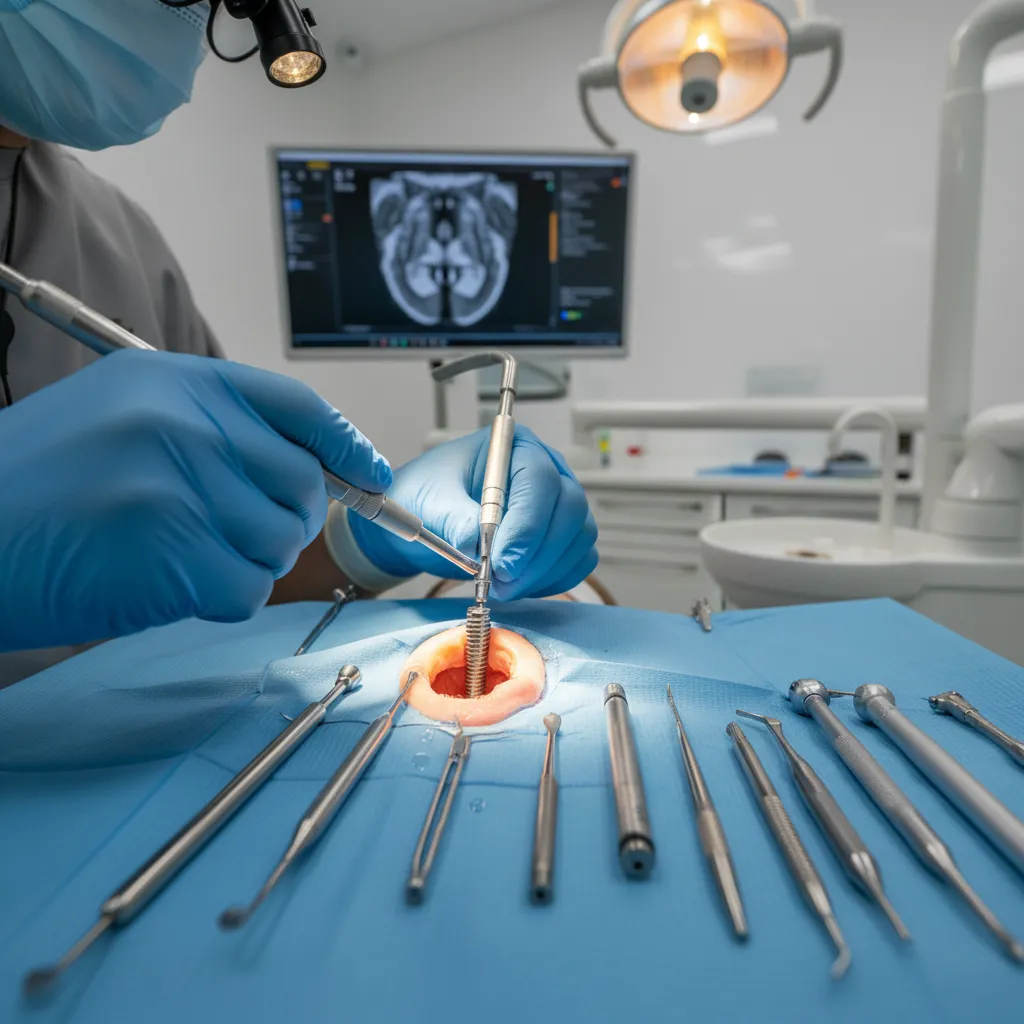
What Happens During a Dental Implant Procedure? For many individuals facing tooth loss, the prospect of a permanent, natural-looking solution is incredibly appealing. Dental implants represent the gold standard in tooth replacement, offering a durable and functional alternative to traditional dentures or bridges. Unlike other options that simply rest on the gums or rely on adjacent teeth for support, a dental implant integrates directly with your jawbone, effectively becoming a new, artificial tooth root. This foundational strength provides good stability for the final crown, allowing you to eat, speak, and smile with renewed confidence. However, the term “procedure” can often seem daunting. Understanding the meticulous, multi-stage process involved can demystify the journey and highlight the precision and care that goes into creating a successful, long-lasting dental restoration. From the initial consultation to the placement of the final tooth, each step is carefully planned and executed to ensure optimal results, both functionally and aesthetically.
If you are weighing up implant treatment in Turkey as a whole, our decision guide for UK patients brings costs, risks, aftercare and questions to ask together in one place.
The Initial Consultation and Planning Phase
Comprehensive Dental Examination
A successful dental implant requires a healthy foundation. Your dentist will perform a comprehensive oral examination, which includes more than just looking at your teeth. A key component is advanced imaging, typically in the form of dental X-rays and a Cone-Beam Computed Tomography (CBCT) scan. This 3D imaging technology provides an incredibly detailed view of your jawbone, including its height, width, and density. It allows the surgeon to identify the precise location of nerves, sinuses, and other vital structures, ensuring the implant can be placed safely and in the optimal position for long-term stability.
Medical History Review
Your overall health plays a significant role in your ability to heal and for the implant to integrate successfully. During the consultation, you will be asked to provide a detailed medical history. It is crucial to be transparent about any existing conditions, such as uncontrolled diabetes, autoimmune disorders, or a history of radiation therapy to the head and neck, as these can affect the healing process. Lifestyle factors, particularly smoking, will also be discussed, as smoking can significantly impair blood flow to the gums and bone, increasing the risk of implant failure. Based on this review, the dental team can make informed decisions and take any necessary precautions to ensure a safe procedure.
Creating a Personalised Treatment Plan
Once all the diagnostic information has been gathered, your dentist will create a customised treatment plan. This detailed roadmap outlines every step of your journey. It will specify the number of implants required, whether any preparatory procedures like bone grafting are needed, the type of final restoration (e.g., a single crown, a multi-tooth bridge, or an implant-supported denture), and an estimated timeline for the entire process. This is your opportunity to discuss your goals, review the plan, and understand the full scope of your treatment.
Understanding the Step-by-Step Dental Implant Procedure
With a solid treatment plan in place, the procedural phase can begin. This is typically a multi-stage process that occurs over several months, with the majority of that time dedicated to allowing the body to heal and naturally integrate the implant. Each step is a deliberate move towards the final goal of a fully restored tooth.
Tooth Extraction and Bone Grafting (If Necessary)
In many cases, the first surgical step is the removal of a failing or damaged tooth. If the tooth has been missing for a significant period, the jawbone in that area may have atrophied or resorbed due to lack of stimulation. To provide a solid foundation for the implant, a bone grafting procedure might be necessary. This involves placing bone material (which can be from a donor, synthetic, or your own body) into the socket to rebuild the bone’s volume and density. The site is then left to heal for several months, allowing the graft to integrate with your natural bone before the implant can be placed.
Implant Placement Surgery
This is the core surgical step where the implant itself is placed. The procedure is performed under local anaesthesia, ensuring you are completely comfortable and feel no pain. The surgeon makes a small incision in your gum tissue to expose the underlying bone. Using a series of precise drills, a small channel, known as an osteotomy, is created in the jawbone. The titanium implant post, which resembles a small screw, is then carefully guided into this channel. Once it is securely in place, a healing cap or cover screw may be placed on top, and the gum tissue is sutured closed over the implant to protect it during the healing phase.
Osseointegration: The Crucial Healing Period
Following implant placement, the most remarkable part of the process begins: osseointegration. This is the biological process where the living bone cells of your jaw grow onto and fuse with the biocompatible titanium surface of the implant. This fusion is what makes dental implants so incredibly strong and stable, effectively making the implant a part of your own body. This critical healing phase is unhurried and typically takes anywhere from three to six months. The success of the entire treatment hinges on the successful completion of osseointegration, which creates the unshakeable foundation for your new tooth.
Abutment Placement
After osseointegration is complete, a minor second procedure is required to attach the abutment. The abutment is a small connector post that sits on top of the implant and protrudes just above the gum line, serving as the link between the implant in your bone and the final crown. To place it, the surgeon makes a small incision to re-expose the implant, removes the protective healing cap, and attaches the abutment. The gum tissue is then allowed to heal around the abutment for a week or two before the final restoration can be made.
Crafting and Attaching Your New Tooth
The final phase of the dental implant procedure is focused on creating and fitting your custom-made tooth. This is where the functional aspect of the implant is combined with the artistry of cosmetic dentistry to create a result that is both strong and indistinguishable from your natural teeth. The process involves taking precise measurements to ensure a perfect fit and a smooth blend with your smile.
Taking Impressions
Once your gums have fully healed around the abutment, your dentist will take highly accurate impressions of your mouth. These impressions can be made using traditional dental putty or with advanced digital intraoral scanners. The scans capture the exact position of the abutment relative to your other teeth, the shape of your bite, and the contours of your gums. This detailed digital or physical model is then sent to a dental laboratory where skilled technicians will use it as a blueprint to fabricate your final crown, bridge, or denture.
The Final Prosthesis Placement
At your final appointment, the custom-made prosthesis is ready to be placed. Your dentist will first check it for fit, colour, and bite. The colour of the porcelain or zirconia is carefully matched to your adjacent teeth to ensure a natural appearance. The fit is checked to confirm there are no gaps and that it sits perfectly on the abutment. Finally, your bite is assessed to ensure that the new tooth meets properly with the opposing teeth, ensuring comfortable function and preventing any undue stress on the implant. Once everything is confirmed to be perfect, the crown is permanently secured to the abutment, completing the procedure.
The Dental Implant Procedure Timeline: A Clear Overview
The timeline for a dental implant can vary significantly based on individual factors such as bone health and whether preparatory procedures are needed. The table below provides a general overview of the typical stages and their durations.
| Procedure Stage | Typical Duration | Key Objective |
|---|---|---|
| Initial Consultation & Planning | 1-2 Appointments | Assessment, 3D imaging, and creation of a personalised treatment plan. |
| Bone Grafting / Extraction (If needed) | 3-6 Months Healing | To remove a failing tooth and/or build adequate bone volume for implant support. |
| Implant Placement Surgery | 1-2 Hours Per Implant | Surgical insertion of the titanium implant post into the jawbone. |
| Osseointegration (Healing Phase) | 3-6 Months | The jawbone fuses with the implant surface, creating a stable foundation. |
| Abutment Placement | 30-60 Minutes | Attaching the connector piece to the implant post. |
| Gum Healing Around Abutment | 1-2 Weeks | Allowing the gum tissue to form a clean collar around the abutment. |
| Final Crown Fabrication & Placement | 1-2 Appointments | Taking impressions and permanently securing the custom-made tooth. |
Post-Procedure Care and Long-Term Success
The completion of the dental implant procedure marks the beginning of a new chapter for your oral health. While dental implants are designed to last for many years, their longevity is directly tied to how well you care for them. The care required is not complicated; in fact, it is very similar to the hygiene regimen recommended for natural teeth. Consistent brushing twice a day and daily flossing are essential. Special tools like interdental brushes or water flossers can be particularly effective at cleaning around the implant abutment and beneath the crown, preventing plaque buildup that can lead to gum inflammation.
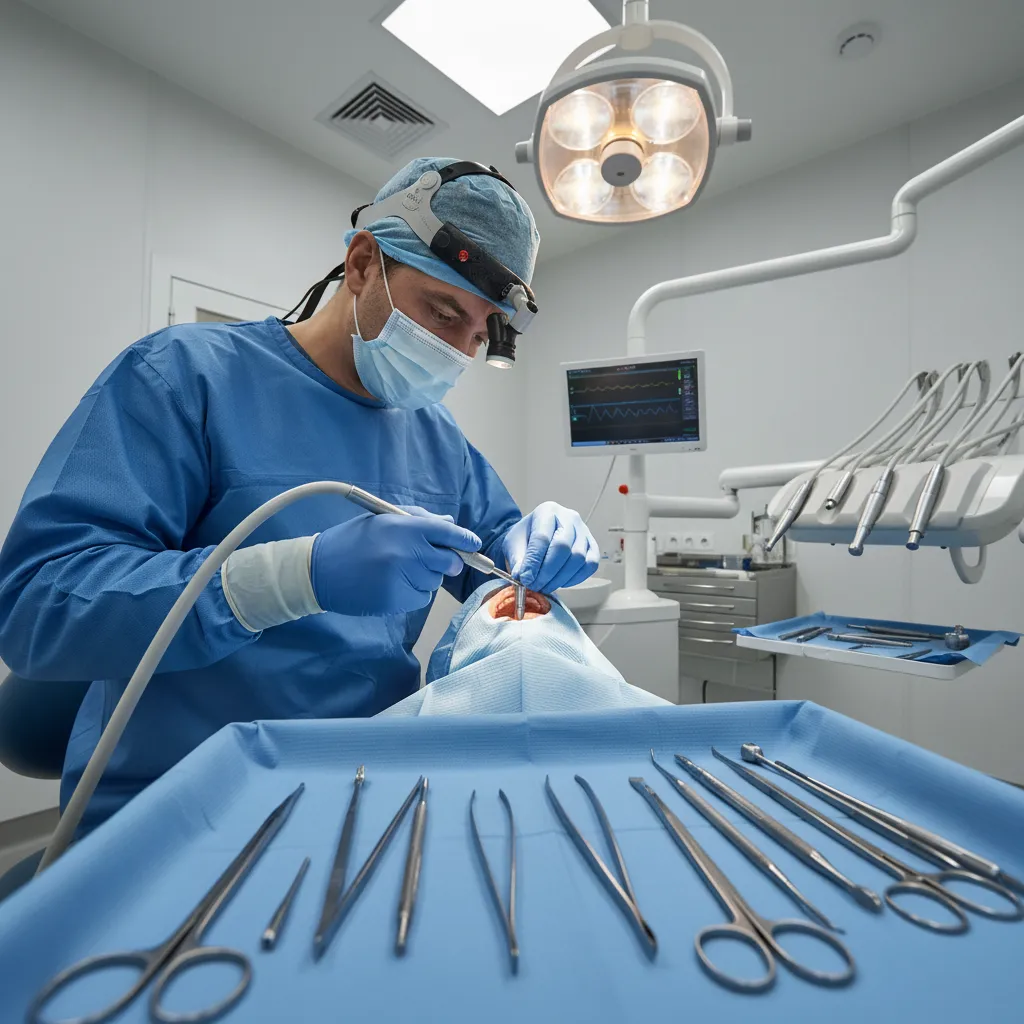
Regular dental check-ups and professional cleanings are also non-negotiable. These visits allow your dentist to monitor the implant, the surrounding bone, and your overall gum health to catch any potential issues early. With diligent home care and routine professional maintenance, your dental implant can serve you for decades, providing a stable, functional, and beautiful replacement for your missing tooth. It is a powerful component that can contribute to a full restoration of your oral health and is a key treatment in a comprehensive smile makeover, restoring not just a single tooth but the harmony of your entire smile.
This article explains what happens at each stage. For a UK-focused walkthrough, see the dental implant procedure step by step, and for appointment planning, how many visits implants need.