Wisdom Tooth Removal: Everything You Need to Know
Checked by our editorial team. Clinical review by a dentist: planned, not yet done for this article.

Wisdom Tooth Removal: Everything You Need to Know, a phrase that often brings a mix of relief and apprehension, refers to a common oral surgery procedure designed to resolve issues caused by the third molars. These teeth, the last to emerge in the mouth, typically appear between the ages of 17 and 25. While some individuals experience no issues with their wisdom teeth, many find that their mouths lack the necessary space to accommodate them. This can lead to a host of dental problems, including pain, infection, and damage to adjacent teeth. Understanding the reasons for extraction, the procedure itself, and the recovery process is crucial for anyone facing this dental milestone. A well-planned extraction by an experienced oral surgeon not only alleviates current symptoms but also prevents future complications, safeguarding long-term oral health.
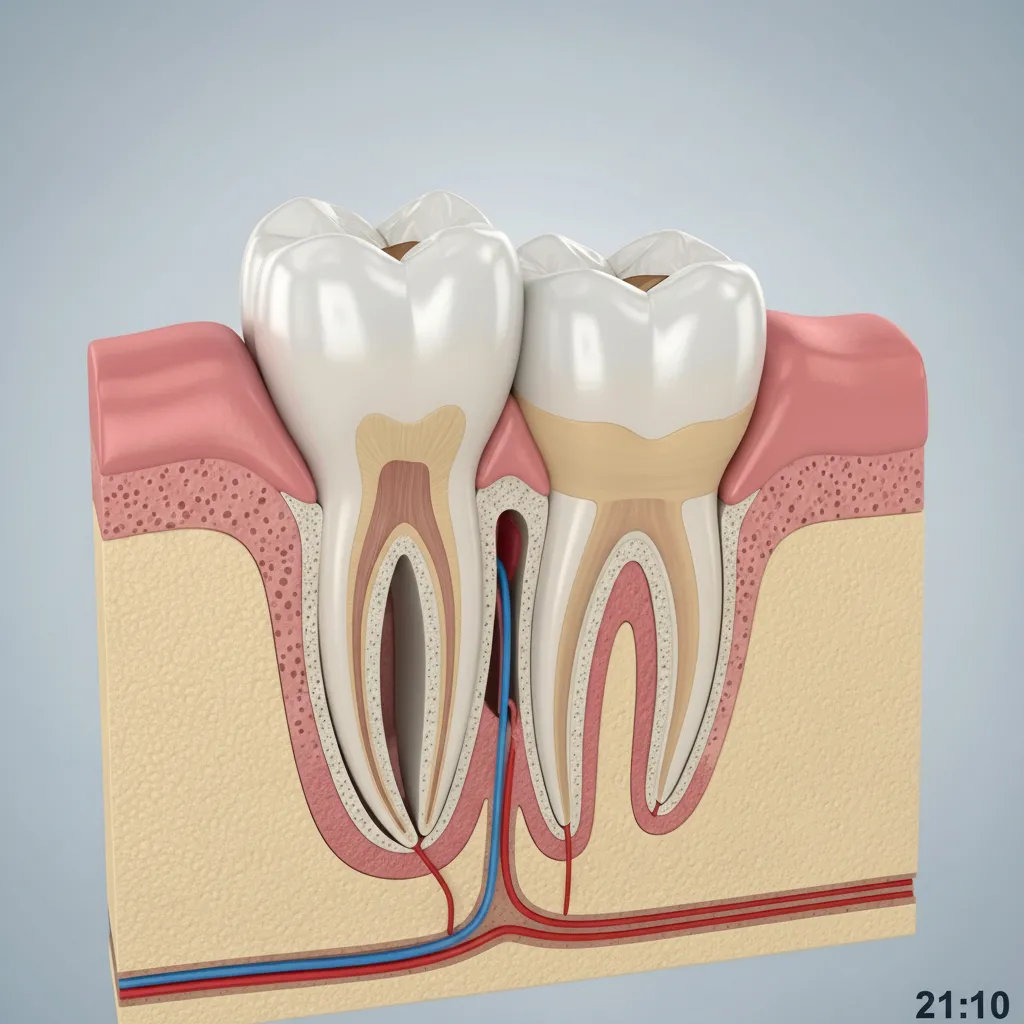
Why is Wisdom Tooth Extraction Necessary?
The primary reason for extracting wisdom teeth is impaction. An impacted tooth is one that is blocked from erupting properly into the dental arch. This can happen for various reasons, but it is most often due to a lack of space in the jaw. The consequences of leaving an impacted or problematic wisdom tooth untreated can be significant, extending beyond simple discomfort.
Understanding Impaction
Impaction can be categorised based on the tooth’s position and the extent to which it is covered by gum tissue and bone. A tooth may be partially impacted, where a portion of the crown has broken through the gum, or fully impacted, where it remains completely submerged. The angle of impaction also matters; a tooth can be angled forward towards the other teeth (mesial impaction), backward (distal impaction), horizontally, or vertically. Each type of impaction presents a unique set of challenges and potential problems. Partial impactions, for example, create an opening that is difficult to clean, making it a prime location for bacteria to accumulate and cause infection.
Common Problems Caused by Wisdom Teeth
When wisdom teeth do not have room to grow properly, they can cause a cascade of dental issues. Addressing these problems proactively is a key aspect of preventive dental care.
- Pain and Discomfort: The pressure from an erupting wisdom tooth can cause significant jaw pain, headaches, and general discomfort in the back of the mouth.
- Infection (Pericoronitis): When a wisdom tooth partially erupts, a flap of gum tissue can form over it. Food and bacteria can get trapped under this flap, leading to a painful infection called pericoronitis, characterised by swelling, pain, and sometimes difficulty opening the mouth.
- Damage to Adjacent Teeth: An impacted wisdom tooth can push against the neighbouring second molar. This constant pressure can damage the other tooth, leading to root resorption, cavities, and even potential tooth loss if not addressed.
- Cyst Formation: In some cases, a sac of fluid, known as a dentigerous cyst, can form around the crown of an impacted wisdom tooth. While benign, this cyst can expand, destroying the surrounding jawbone and teeth.
- Crowding and Orthodontic Issues: While the direct link is debated, many dental professionals believe that the pressure from erupting wisdom teeth can contribute to the crowding of the front teeth, potentially undoing the results of previous orthodontic work.
The Consultation and Diagnostic Process
The journey towards wisdom tooth removal begins with a thorough consultation and diagnostic evaluation. This initial step is critical for creating a safe and effective treatment plan tailored to the patient’s specific anatomy and needs. During the consultation, your dentist or oral surgeon will perform a comprehensive oral examination and review your medical history. The most crucial diagnostic tool, however, is dental imaging. A panoramic X-ray provides a broad overview of the entire mouth, showing the position of the wisdom teeth in relation to other teeth, the jawbone, and critical nerves. In more complex cases, a 3D Cone Beam Computed Tomography (CBCT) scan may be used to get an even more detailed view of the tooth’s roots and its proximity to the inferior alveolar nerve, which provides sensation to the lower lip and chin. Based on these findings, the surgeon will discuss the necessity of the procedure, the type of extraction required, and the most suitable anaesthesia options, which can range from local anaesthetic to IV sedation.
The Wisdom Tooth Removal Procedure Explained
The extraction process varies depending on whether the tooth is fully erupted or impacted. The surgeon will determine the best approach after a complete evaluation of your X-rays and clinical examination. Both methods are performed with the patient’s comfort as the top priority.
Simple vs. Surgical Extraction
A simple extraction is performed on a tooth that is fully visible and erupted above the gum line. The procedure is relatively straightforward. After administering a local anaesthetic to numb the area, the surgeon uses instruments called elevators and forceps to gently loosen and lift the tooth from its socket. This method is typically quicker and involves a shorter recovery time.
A surgical extraction is more complex and is necessary for impacted teeth. This procedure requires an incision in the gum tissue to access the tooth. In many cases, a small amount of the bone overlying the tooth must be carefully removed. To facilitate removal from a tight space, the surgeon may section the tooth into smaller, more manageable pieces before extracting them one by one. Once the tooth is fully removed, the site is cleaned, and the gum tissue is repositioned with sutures (stitches) to promote proper healing.
Navigating the Recovery Period
Proper aftercare is essential for a smooth and comfortable recovery following a wisdom tooth extraction. Healing is a gradual process, and following your surgeon’s instructions diligently will minimise complications and help you return to your normal routine as quickly as possible. The initial 24-48 hours are the most critical phase of healing. While every patient heals differently, the principles of recovery are similar to those for other oral surgeries. The foundational aspects of the recovery process after dental implants and other procedures also apply here, focusing on rest, diet management, and gentle oral hygiene.
Recovery Timeline After Wisdom Tooth Removal
Understanding the stages of healing can help you manage expectations and care for yourself effectively. Here is a general timeline of what to expect.
| Timeframe | What to Expect & Key Actions |
|---|---|
| First 24 Hours | Bleeding, swelling, and discomfort are normal. Bite gently on gauze pads to control bleeding. Apply ice packs to the outside of the cheek (20 minutes on, 20 minutes off). Rest and avoid strenuous activity. Stick to a liquid or very soft food diet. Do not rinse, spit, or use a straw. |
| Days 2-3 | Swelling may peak during this time. Continue using ice packs. Pain should be manageable with prescribed medication. You can begin gentle, warm salt water rinses to keep the area clean. Continue with a soft food diet (e.g., yogurt, mashed potatoes, smoothies without a straw). |
| Days 4-7 | Swelling and discomfort should start to significantly decrease. The extraction sites will be healing. You can gradually reintroduce more solid foods as comfort allows, but avoid chewing near the extraction sites. Continue with gentle oral hygiene. |
| Week 2 | Most of the initial healing is complete. Any stitches may dissolve or be removed at a follow-up appointment. You can typically resume normal activities and diet, but avoid hard, crunchy, or sharp foods that could irritate the healing sockets. |
| Weeks 3-4 and Beyond | The gum tissue will continue to heal and remodel over the socket. The underlying bone will take several months to fully fill in. Maintaining good oral hygiene is crucial to prevent any late-stage complications. |
Potential Complications and When to Seek Help
While wisdom tooth extraction is a very safe and routine procedure, like any surgery, it carries some potential risks. Being aware of these possibilities allows you to monitor your recovery and know when to contact your surgeon.
Understanding Dry Socket
The most common complication is a condition known as alveolar osteitis, or “dry socket.” This occurs when the blood clot that forms in the empty tooth socket dislodges or dissolves prematurely, exposing the underlying bone and nerves. This can cause intense, throbbing pain that may radiate to the ear. Dry socket typically develops 3-5 days after the procedure and is more common in lower wisdom tooth extractions. Treatment involves the surgeon cleaning the socket and placing a medicated dressing to soothe the area and promote healing.
Other Potential Issues
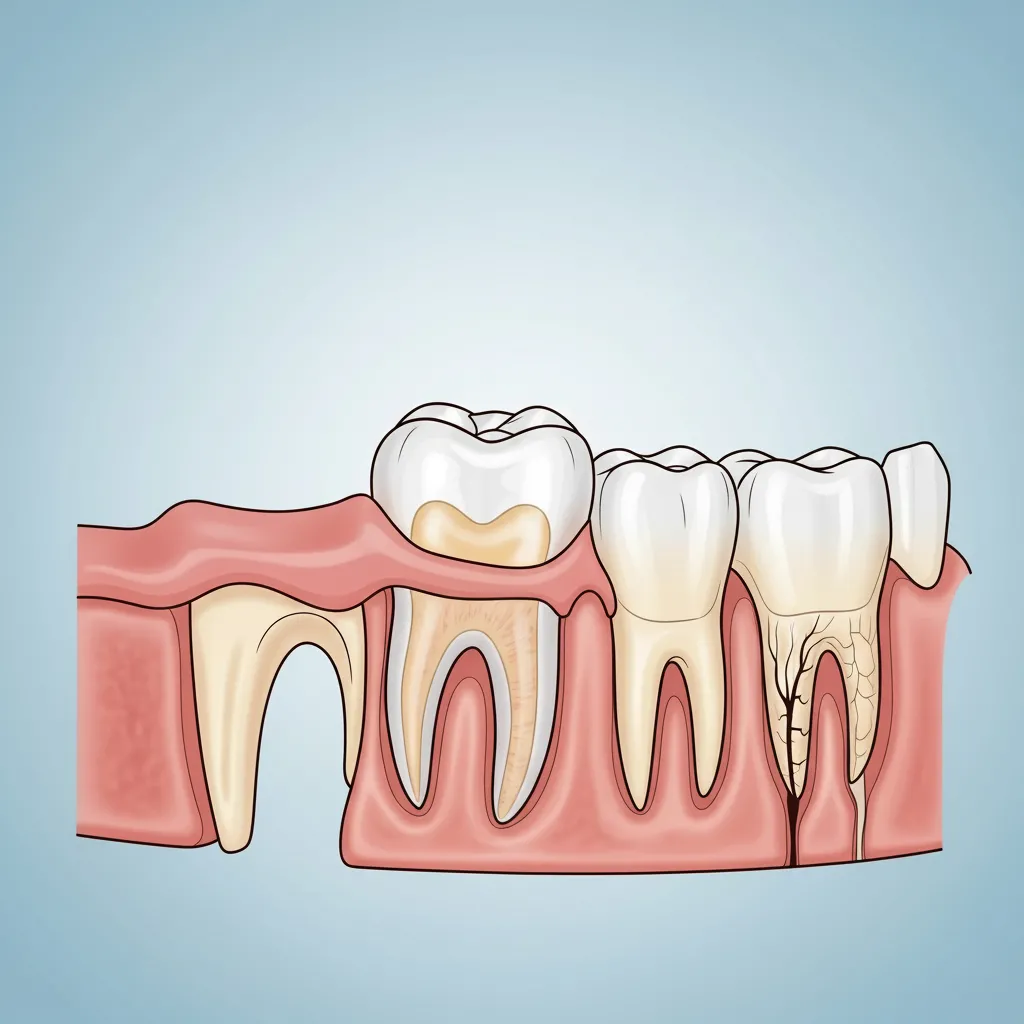
Other, less common complications can include infection, indicated by increased swelling, pain, fever, or pus; and temporary or, in very rare cases, permanent numbness in the lip, chin, or tongue due to nerve irritation or damage. According to a systematic review of postoperative instructions following third molar surgery, clear and consistent aftercare guidance is paramount in minimising such risks. If you experience excessive bleeding, pain that is not controlled by medication, or any symptoms that seem unusual, it is important to contact your dental clinic immediately for guidance.