Laser Dentistry UK – Modern Treatment
Checked by our editorial team. Clinical review by a dentist: planned, not yet done for this article.

The landscape of dental care in the United Kingdom is undergoing a significant transformation, driven by advancements in technology and a growing demand for less invasive, more comfortable procedures. At the forefront of this evolution is laser dentistry, a revolutionary approach that harnesses the power of concentrated light to perform a wide array of dental treatments with high precision. Gone are the days when dental visits were solely associated with drills, needles, and discomfort; modern laser dentistry offers a gentler, often more comfortable alternative for many common dental issues, and it is now used in a number of UK practices.
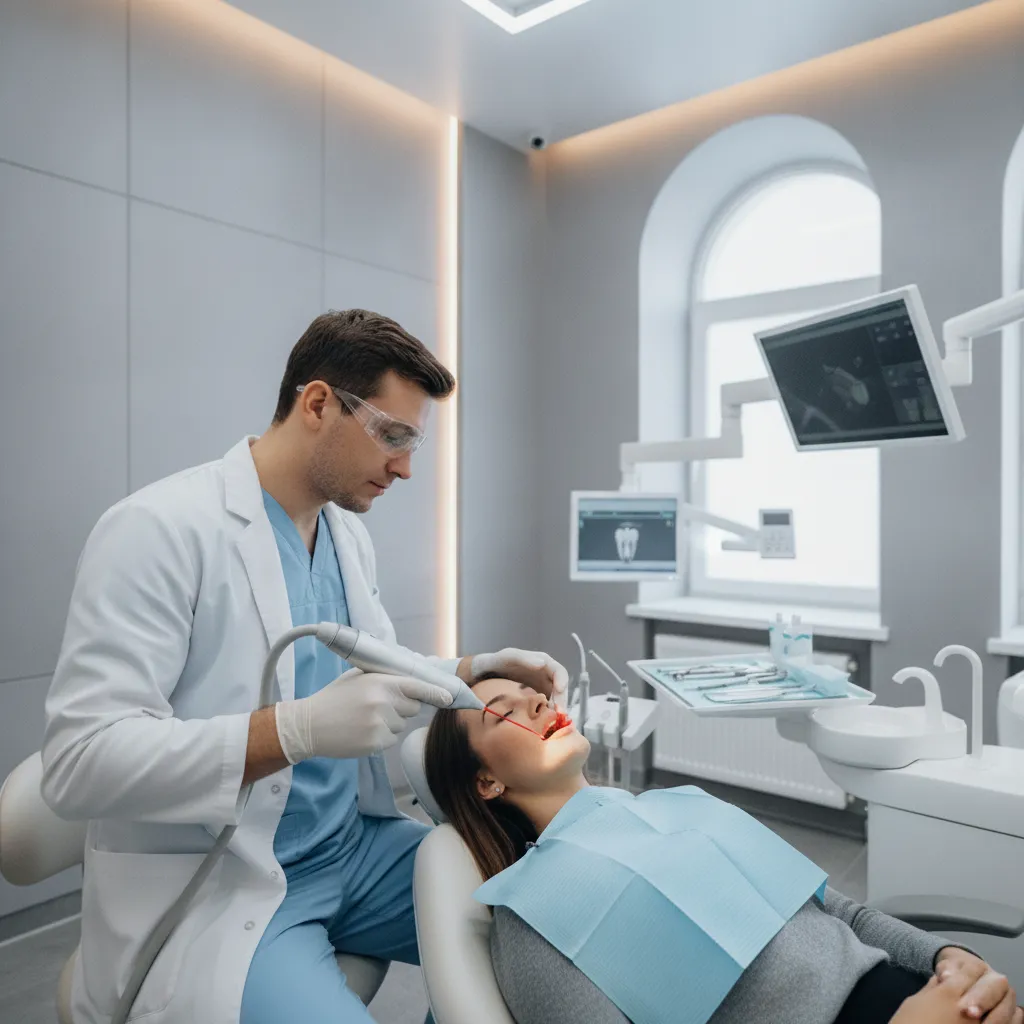
Laser Dentistry UK – Modern Treatment
The adoption of laser technology in dentistry represents a paradigm shift, moving towards procedures that minimise tissue damage, reduce bleeding, and accelerate healing times. This innovative method not only improves the patient experience but also allows dentists to achieve superior clinical outcomes. From treating gum disease to performing intricate restorative work, lasers are proving to be versatile tools that enhance the overall quality and predictability of dental care. As more clinics throughout the UK invest in this modern technology, the accessibility and awareness of laser dentistry continue to grow, making it a cornerstone of contemporary dental practice.
Understanding the Science Behind Laser Dentistry
At its core, laser dentistry operates on the principle of light amplification by stimulated emission of radiation. Dental lasers emit a narrow, focused beam of light energy, which interacts with tissues in a highly specific manner. Different wavelengths of light are absorbed differently by various components of oral tissue, such as water, pigment, or hydroxyapatite (the main component of enamel and dentin). This selective absorption allows dentists to target specific areas of the mouth with extreme precision, leaving surrounding healthy tissue largely untouched.
There are several types of lasers used in dentistry, each designed for particular applications:
- Soft Tissue Lasers (Diode, Nd:YAG): These lasers are highly absorbed by water and hemoglobin, making them ideal for procedures involving gums and other soft tissues. They are excellent for cutting, coagulation, and vaporisation of tissue, often eliminating the need for scalpels and sutures.
- Hard Tissue Lasers (Erbium lasers like Er:YAG, Er,Cr:YSGG): These lasers are strongly absorbed by water and hydroxyapatite, making them effective for working on teeth and bone. They can precisely cut enamel and dentin, prepare cavities, and even perform bone reshaping, often reducing or eliminating the need for traditional drills and local anaesthesia.
- Diagnostic Lasers: Lower-power lasers can be used to detect early signs of tooth decay or other oral conditions, often before they are visible to the naked eye, leading to earlier intervention and less extensive treatment.
The controlled energy delivered by dental lasers means less mechanical vibration and heat transfer compared to traditional instruments, leading to a more comfortable experience during and after treatment. This precision also translates to enhanced preservation of healthy tooth structure and gum tissue, which is a significant advantage in modern conservative dentistry.
Key Applications of Laser Dentistry UK
The versatility of laser technology means it can be applied to a broad spectrum of dental procedures, offering patients in the UK a less invasive and more comfortable alternative to conventional methods. Here are some of the most common and impactful applications:
- Periodontal (Gum) Treatment: Lasers are highly effective in treating gum disease. They can precisely remove infected gum tissue, eliminate bacteria from periodontal pockets, and promote gum reattachment to the tooth surface. This often results in less bleeding, swelling, and discomfort compared to traditional scalpel-based surgery. Patients looking to prevent gum disease or treat existing conditions often find laser therapy to be a much more appealing option.
- Cavity Detection and Filling Preparation: Hard tissue lasers can detect hidden decay at an early stage. For cavity preparation, they can precisely remove decayed tooth structure without the need for drilling, often reducing the need for local anaesthesia. This preserves more healthy tooth structure and can reduce patient anxiety.
- Root Canal Therapy: Lasers can be used to thoroughly disinfect the root canal system, eliminating bacteria and sterilising the canals more effectively than traditional methods, which can improve the long-term success rate of root canal treatments.
- Cosmetic Dentistry: For those seeking a brighter smile, lasers are integral to advanced teeth whitening procedures, accelerating the activation of whitening agents. They are also used for gum reshaping (gingivectomy or gum contouring) to correct “gummy smiles” or uneven gum lines, helping patients achieve a perfect smile with cosmetic dentistry.
- Oral Surgery Procedures: From frenectomies (releasing tongue-ties or lip-ties) to the removal of benign oral lesions and biopsies, lasers offer a bloodless and precise surgical option, leading to quicker healing and reduced post-operative pain.
- Pain Management and Healing: Low-level laser therapy (LLLT) can be used to reduce pain and inflammation, stimulate nerve regeneration, and accelerate tissue healing after various dental procedures, including dental implant placement.
The expanding list of applications underscores the profound impact of laser technology on modern dental practice, making treatments more efficient, precise, and patient-friendly.
| Laser Type/Application | Primary Use | Key Benefit | Patient Experience |
|---|---|---|---|
| Soft Tissue Lasers (e.g., Diode) | Gum contouring, gum disease treatment, frenectomy, biopsy | Reduced bleeding, faster healing, minimal post-operative pain | Often no anaesthesia needed, comfortable, quick recovery |
| Hard Tissue Lasers (e.g., Erbium) | Cavity preparation, enamel etching, bone reshaping | No drill vibration/sound, preservation of healthy tooth structure | Reduced need for anaesthesia, less anxiety, precise |
| Diagnostic Lasers | Early detection of cavities and lesions | Non-invasive, highly accurate diagnosis, early intervention | Quick and usually comfortable screening process |
| Low-Level Laser Therapy (LLLT) | Pain relief, inflammation reduction, healing acceleration | Drug-free pain management, faster recovery from surgery | Usually comfortable, non-thermal |
Benefits for Patients: Why Choose Laser Dentistry UK?
The shift towards laser dentistry is not merely a technological upgrade for dentists; it offers tangible and significant advantages for patients. These benefits are at the heart of why so many individuals in the UK are actively seeking out clinics that offer laser dental treatments.
- Minimally Invasive: Lasers are incredibly precise, allowing dentists to target only the diseased tissue while preserving more of your healthy tooth and gum structure. This leads to less trauma to the mouth.
- Reduced Pain and Discomfort: For many procedures, laser dentistry can minimise or even eliminate the need for local anaesthesia. Patients report significantly less discomfort during and after treatment, largely due to reduced vibration and heat compared to traditional drills.
- Less Bleeding and Swelling: Lasers cauterise blood vessels as they cut, leading to significantly less bleeding during soft tissue procedures. This also reduces post-operative swelling and helps promote quicker healing.
- Faster Healing and Recovery: The precision and sterilising effect of lasers lead to reduced risk of infection and faster tissue regeneration. This means quicker recovery times and a more comfortable healing process for patients.
- Reduced Risk of Infection: The high-intensity light beam from lasers sterilises the treatment area, effectively killing bacteria and reducing the chance of post-operative infections.
- Less Anxiety: For patients with dental phobia, the absence of the drill’s sound and vibration, along with the reduced need for injections, can significantly alleviate anxiety and make dental visits a more positive experience.
- Preservation of Tooth Structure: Hard tissue lasers allow for incredibly precise removal of decayed enamel and dentin, preserving more of the natural tooth structure, which is crucial for the long-term health of your teeth.
These combined benefits make laser dentistry a highly attractive option for anyone seeking a more comfortable, efficient, and gentle dental experience in the UK.
Finding a Qualified Laser Dentistry Practitioner in the UK
As the demand for advanced dental solutions grows, so too does the availability of laser dentistry services across the UK. However, it is paramount for patients to seek treatment from dentists who are specifically trained and experienced in using laser technology. While a dentist may own a laser, proper training in its various applications, safety protocols, and nuances is essential to ensure the best possible outcomes.
When considering laser dentistry, prospective patients should inquire about:
- Dentist’s Training and Certification: Ask about specific laser dentistry courses, certifications, and how long the dentist has been utilising laser technology in their practice.
- Type of Lasers Used: Different lasers are suited for different procedures. Understanding which lasers a clinic employs can give insight into the range of treatments they offer.
- Training and Experience: Ask what laser training the dentist has and how often they use a laser for your type of treatment.
- Consultation Process: A thorough consultation should involve a detailed explanation of the proposed laser treatment, its benefits, potential risks, and cost.
The General Dental Council (GDC) regulates all dental professionals in the UK, ensuring standards of care. While laser dentistry is a specialist area, all practitioners must adhere to GDC guidelines. Patients should feel empowered to ask questions and gather information to make informed decisions about their dental care.
The integration of laser technology into routine and complex dental procedures marks a new era in oral healthcare. It offers a path to treatments that are not only more effective but also more compassionate and patient-centric. For more in-depth information on the scientific aspects of dental lasers, you might find valuable resources through institutions such as the National Center for Biotechnology Information (NCBI).
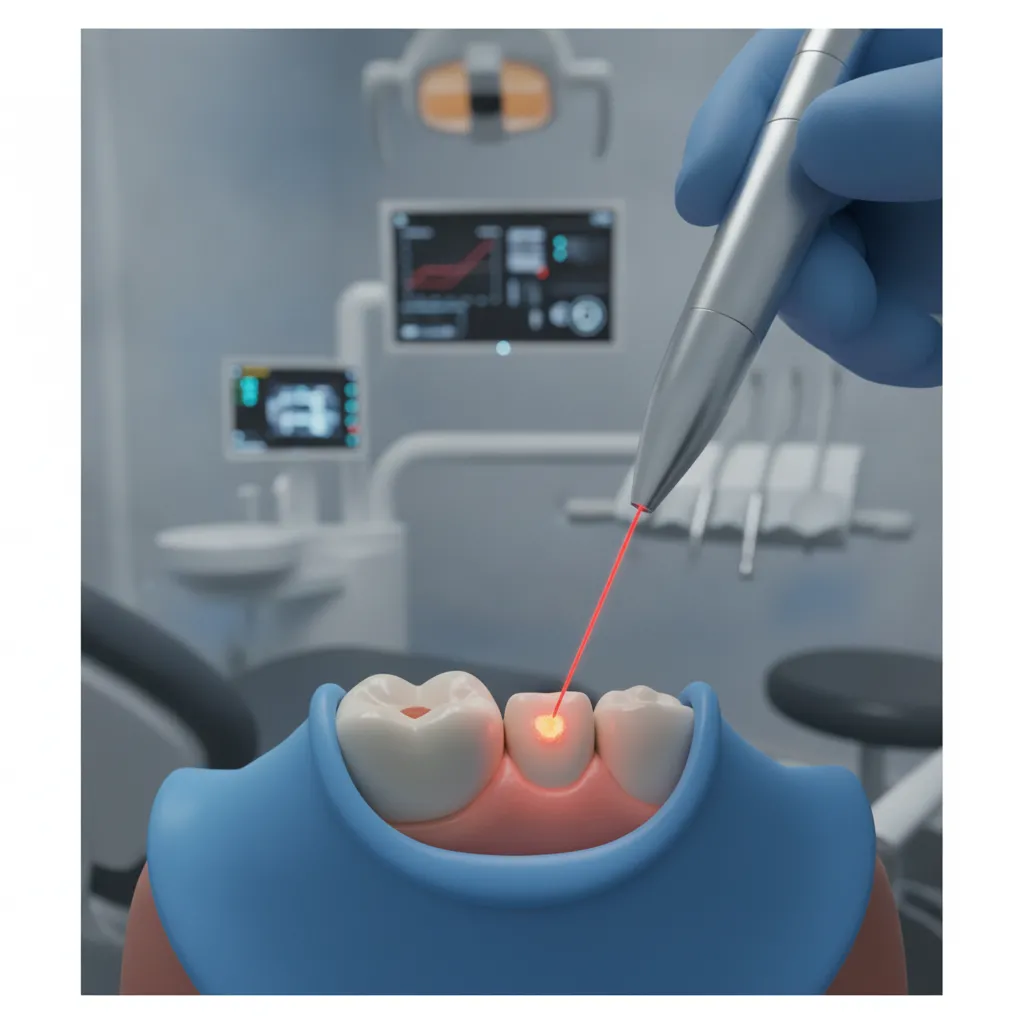
In conclusion, laser dentistry is not just a trend; it is a fundamental advancement that is reshaping dental practices throughout the UK. Its ability to provide precise, minimally invasive, and comfortable treatments positions it as a cornerstone of modern dental care, and it can be a comfortable option for many patients.