How to Prevent Gum Disease
Checked by our editorial team. Clinical review by a dentist: planned, not yet done for this article.

How to Prevent Gum Disease is a critical question for maintaining not just a healthy smile, but overall well-being. Gum disease, also known as periodontal disease, is an insidious condition that often develops silently, progressing from mild inflammation to severe tissue and bone damage that can result in tooth loss. It is a widespread issue, affecting millions of people, yet it is largely preventable with the right knowledge and consistent habits. Understanding the nature of this disease, from its earliest signs to its advanced stages, is the first step towards building an effective defence. Proactive care, combining diligent at-home routines with professional support, forms the cornerstone of a strategy to keep your gums healthy and your teeth secure for a lifetime.

Understanding Gum Disease: From Gingivitis to Periodontitis
Gum disease begins with the accumulation of bacteria in the form of a sticky, colourless film called plaque. If not removed daily, this plaque hardens into tartar (or calculus), a substance so hard that it can only be removed by a dental professional. The bacteria within this plaque and tartar produce toxins that irritate the gum tissue, leading to an inflammatory response from the body. This process unfolds in two primary stages: gingivitis and periodontitis. Recognising the difference is key to understanding the urgency of prevention and early treatment.
The Warning Signs of Gingivitis
Gingivitis is the earliest and mildest form of gum disease. At this stage, the inflammation is limited to the gingiva, the part of the gum around the base of your teeth. The good news is that gingivitis is completely reversible with proper oral hygiene and professional treatment because it has not yet caused damage to the underlying bone and connective tissues. Key symptoms to watch for include:
- Red, swollen, or tender gums: Healthy gums should be firm and pale pink. Inflammation causes them to become red and puffy.
- Bleeding gums: This is one of the most common signs. You might notice blood on your toothbrush or when you spit after brushing or flossing. It is never normal for gums to bleed.
- Persistent bad breath (halitosis): The bacteria responsible for gum inflammation can release unpleasant odours.
Ignoring these signs allows the condition to progress. What starts as a minor, reversible issue can quickly escalate into a much more serious problem.
The Progression to Periodontitis
When gingivitis is left untreated, the inflammation spreads below the gum line and begins to affect the structures that support the teeth. This advanced stage is called periodontitis. At this point, the damage is no longer reversible, and the focus of treatment shifts to managing the condition and preventing further destruction. In periodontitis, the inner layer of the gum and bone pull away from the teeth, forming pockets. These small spaces collect debris and can become infected. As the body’s immune system fights the bacteria, the toxins and the body’s own response start to break down the bone and connective tissue that hold teeth in place. If not treated, the pockets deepen, more gum tissue and bone are destroyed, and teeth can become loose and may eventually need to be removed.
| Feature | Gingivitis | Periodontitis |
|---|---|---|
| Nature of Condition | Early-stage gum inflammation. | Advanced, destructive gum disease. |
| Primary Symptoms | Red, swollen gums; bleeding during brushing/flossing. | Receding gums, deep pockets, loose teeth, pain when chewing. |
| Bone and Tissue Damage | No permanent damage to bone or connective tissue. | Irreversible damage to the bone and tissues supporting the teeth. |
| Reversibility | Completely reversible with good oral hygiene and professional cleaning. | Not reversible; requires professional treatment to manage and halt progression. |
| Treatment | Professional cleaning and improved daily oral care. | Deep cleaning (scaling and root planing), medication, and potentially surgical procedures. |
Foundational Oral Hygiene: The First Line of Defence
The most powerful tool in the fight against gum disease is a consistent and thorough at-home oral hygiene routine. This daily practice is aimed at one primary goal: to disrupt and remove the bacterial plaque that constantly forms on your teeth before it has a chance to harden into tartar and cause inflammation. While it may seem basic, mastering these techniques is non-negotiable for long-term oral health.
Mastering the Art of Brushing
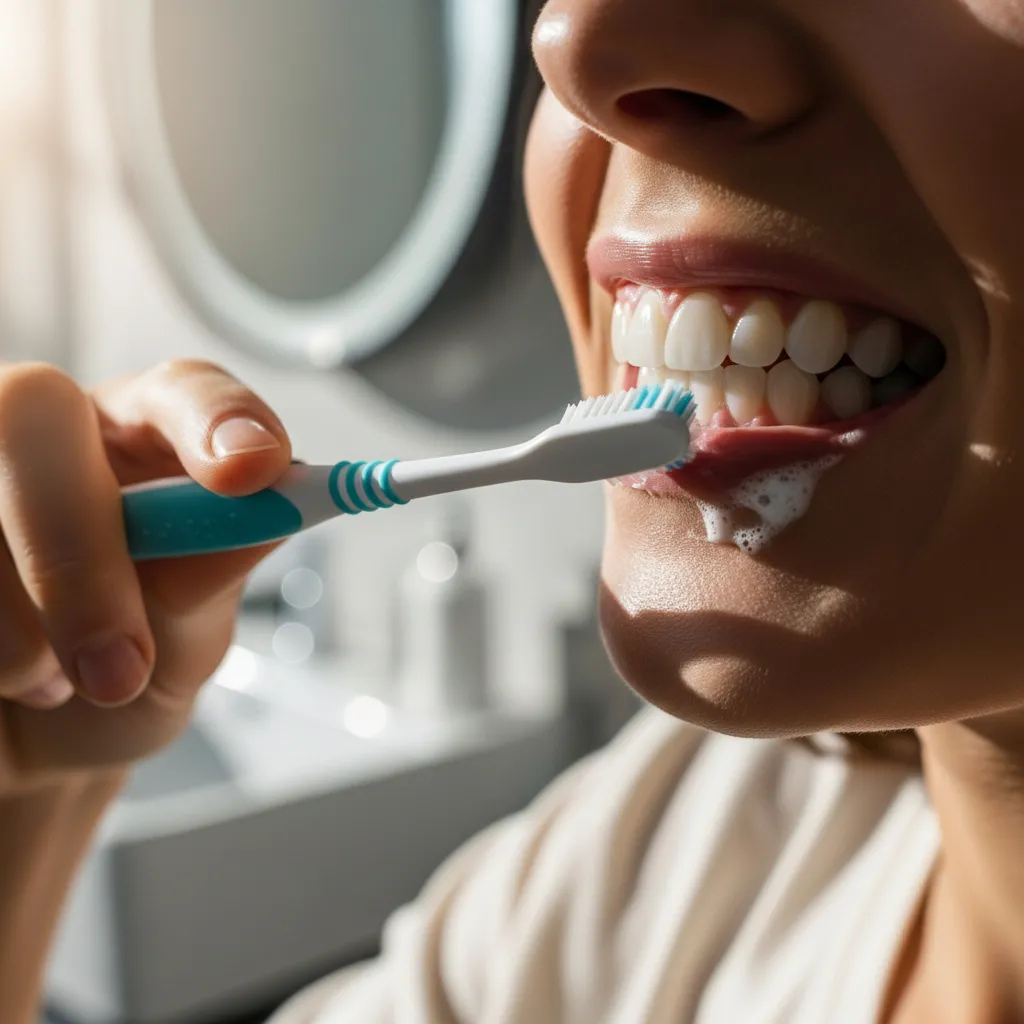
Brushing your teeth is more than just a quick scrub. To be effective, it must be done correctly and consistently. The goal is to clean every surface of every tooth without causing damage to your gums or enamel. Dentists recommend brushing at least twice a day for a full two minutes each time. Use a soft-bristled toothbrush, as medium or hard bristles can be abrasive and contribute to gum recession. Position the brush at a 45-degree angle to the gums and use gentle, short, circular strokes rather than aggressive back-and-forth scrubbing. Ensure you clean the outer, inner, and chewing surfaces of all teeth. Using a toothpaste containing fluoride is also essential, as it helps to strengthen tooth enamel and protect against decay, which can create more areas for plaque to hide.
The Non-Negotiable Habit of Flossing
Brushing alone does not reach all of your tooth surfaces. The areas between your teeth and under the gumline are inaccessible to toothbrush bristles, making them prime real estate for plaque to accumulate. This is why daily flossing is not an optional extra; it is a critical component of preventing gum disease. To floss correctly, take about 45 cm (18 inches) of floss and wrap most of it around one middle finger, with the rest on the other. Gently guide the floss between your teeth, and when it reaches the gum line, curve it into a C-shape against one tooth. Slide it gently into the space between the gum and the tooth until you feel resistance. Rub the side of the tooth, moving the floss away from the gum. Repeat on the adjacent tooth. For those who find traditional floss difficult to use, alternatives like interdental brushes or water flossers can be effective substitutes.
The Role of Antimicrobial Mouthwash
An antimicrobial or therapeutic mouthwash can be a useful supplement to your routine. These rinses can help reduce the bacterial count in your mouth, control plaque formation, and reduce the severity of gingivitis. However, it is crucial to view mouthwash as an adjunct to, not a replacement for, mechanical cleaning with a brush and floss. Brushing and flossing physically remove plaque, while a rinse primarily helps to kill bacteria. Look for a mouthwash with a seal of approval from a recognised dental association and use it as directed by the manufacturer or your dentist.
Professional Dental Care: Your Partner in Prevention
While diligent at-home care is the foundation of gum health, it cannot be fully effective without the partnership of a dental professional. Regular dental check-ups and cleanings are essential for preventing gum disease, as they address issues that even the best home care routine cannot.
The Importance of Regular Check-ups and Cleanings
Even with meticulous brushing and flossing, some plaque will inevitably be missed and harden into tartar. Once tartar has formed, it cannot be removed with a toothbrush or floss; it requires professional removal through a process called scaling. During a professional cleaning, a dentist or hygienist uses specialised tools to remove both plaque and tartar from above and below the gum line. This is followed by polishing, which smooths the tooth surfaces, making it more difficult for new plaque to adhere. For most people, a professional cleaning every six months is sufficient to keep tartar levels under control and prevent the onset of gingivitis.
Early Detection and Intervention
One of the most valuable aspects of regular dental visits is the ability of your dentist to spot the early signs of gum disease that you might not notice yourself. They can measure the depth of the pockets between your teeth and gums, check for any signs of inflammation or bone loss through visual examination and dental X-rays, and identify risk factors you may have. Catching gingivitis in its earliest stages allows for simple, non-invasive intervention that can reverse the condition completely before it progresses to the destructive stage of periodontitis.
Lifestyle and Dietary Factors That Impact Gum Health
Oral health is intrinsically linked to your overall health and lifestyle choices. Certain habits and dietary patterns can either significantly increase your risk of developing gum disease or provide a strong defence against it.
How to Prevent Gum Disease Through Diet
What you eat plays a significant role in the health of your gums. A balanced, nutrient-rich diet supports a healthy immune system, which is vital for fighting off the bacterial infections that cause gum disease. Foods high in Vitamin C (like citrus fruits, broccoli, and bell peppers) are crucial for collagen production, which helps keep gums firm and healthy. A diet rich in vitamins and minerals, particularly calcium found in dairy products and leafy greens, helps maintain the strength of the jawbone supporting your teeth. Conversely, a diet high in sugar and refined carbohydrates feeds the harmful bacteria in your mouth, leading to increased plaque production and acidity. Limiting sugary snacks and beverages is a direct step towards preventing gum disease.
The Dangers of Smoking and Tobacco Use
Smoking is one of the most significant risk factors for the development and progression of severe periodontitis. Tobacco use weakens your body’s immune system, making it harder to fight off a gum infection. It also interferes with blood flow to the gums, which can impair their ability to heal. Smokers are far more likely to develop deep periodontal pockets and experience significant bone loss than non-smokers. The connection between tobacco and periodontal destruction is well-documented by numerous studies, making quitting smoking one of the most impactful changes you can make for your gum health.
Managing Systemic Conditions
The mouth is a gateway to the rest of the body, and the link between oral health and systemic diseases is well-established. Conditions like diabetes, for example, can increase the risk and severity of gum disease. High blood sugar levels can compromise the body’s ability to fight infection, including in the gums. Similarly, research has shown a connection between periodontitis and an increased risk of cardiovascular disease. Managing these underlying health conditions through medication, diet, and lifestyle changes is not only important for your overall health but is also a critical part of a comprehensive strategy to prevent gum disease.
By integrating diligent oral hygiene, professional dental care, and mindful lifestyle choices, you take a powerful, proactive stance in safeguarding your oral health. This comprehensive approach is the most effective way to prevent gum disease, ensuring your smile remains healthy and strong for years to come.
For the wider health links, see does gum disease kill you?