The Best Foods for Healthy Teeth and Gums
Checked by our editorial team. Clinical review by a dentist: planned, not yet done for this article.

Before diving into specific foods, it’s crucial to understand the key micronutrients that form the bedrock of a healthy mouth. These vitamins and minerals work synergistically to build, protect, and maintain your teeth and gums. Ensuring your diet is rich in these components is a proactive strategy against common dental problems like cavities and gum disease.

The Best Foods for Healthy Teeth and Gums are not just about avoiding sugar; they are about actively choosing a diet that builds strong enamel, supports healthy gum tissue, and promotes a balanced oral environment. While diligent brushing and flossing are the cornerstones of dental hygiene, the nutrients we consume play a foundational role in the health and resilience of our entire mouth. A well-balanced diet provides the essential building blocks that teeth and gums need to defend against decay, fight off infection, and maintain their structural integrity from the inside out. Understanding this powerful connection between nutrition and oral health is the first step towards a truly radiant and long-lasting smile. This comprehensive guide explores the specific vitamins, minerals, and food groups that are scientifically proven to contribute to stronger teeth and healthier gums.
The Foundational Nutrients for Oral Health
Calcium: The Building Block of Enamel
Calcium is perhaps the most well-known mineral for dental health, and for good reason. It is the primary component of our teeth and jawbone. Tooth enamel, the hard outer layer that protects the sensitive inner parts of the tooth, is composed almost entirely of calcium phosphate. A diet rich in calcium helps to remineralise this enamel, effectively repairing microscopic weak spots before they can turn into full-blown cavities. Furthermore, a strong jawbone is essential for anchoring teeth securely. Excellent dietary sources of calcium include milk, cheese, plain yogurt, canned salmon, almonds, and dark leafy greens like kale and spinach.
Phosphorus: Calcium’s Essential Partner
Phosphorus works hand-in-hand with calcium to create the strong mineral structure of teeth and bones. In fact, the body needs a proper balance of both minerals to effectively utilise them. Phosphorus makes up a significant portion of the hydroxyapatite crystals that give enamel its strength and durability. Without adequate phosphorus, the calcium you consume cannot be properly absorbed and integrated into your dental structure. Fortunately, phosphorus is abundant in many protein-rich foods, such as fish, lean meat, poultry, eggs, nuts, and dairy products.
Vitamin D: The Calcium Absorption Regulator
Vitamin D plays a critical, albeit indirect, role in dental health. Its primary function is to regulate the body’s absorption of calcium and phosphorus. You can consume all the calcium in the world, but without sufficient Vitamin D, your body cannot effectively absorb it into the bloodstream and deliver it to your skeletal system, including your teeth and jaw. This makes Vitamin D indispensable for preventing bone loss and maintaining tooth density. The best source is sensible sun exposure, but it can also be found in fatty fish like salmon and mackerel, as well as in fortified foods like milk and cereals.
Vitamin C: The Guardian of Gums
While calcium fortifies the teeth, Vitamin C is the champion of gum health. Gums are made of connective tissue called collagen, and the body cannot produce collagen without Vitamin C. Healthy gums form a tight seal around the teeth, providing a crucial barrier against bacteria. A deficiency in Vitamin C can lead to weakened collagen, resulting in sensitive, swollen, and bleeding gums—a condition known as gingivitis. To keep your gums firm and healthy, incorporate foods rich in Vitamin C, such as citrus fruits, strawberries, bell peppers, broccoli, and kiwi.
Vitamin A: For Saliva Flow and Mucous Membranes
Vitamin A is vital for maintaining the health of the mucous membranes that line your mouth and for promoting the production of saliva. A healthy mucous membrane helps protect against infection and sores. Saliva is the mouth’s unsung hero; it is the first line of defence against tooth decay. It washes away food particles, neutralises harmful acids produced by bacteria, and contains enzymes that begin the digestion process. By ensuring a steady flow of saliva, Vitamin A helps keep the mouth clean and comfortable. Find it in orange-coloured fruits and vegetables like carrots, sweet potatoes, and mangoes, as well as in dark leafy greens and egg yolks.
A Curated List of the Best Foods for Healthy Teeth and Gums
Armed with knowledge about the essential nutrients, we can now identify specific foods that deliver these benefits directly to your mouth. Incorporating these items into your regular diet can make a significant and positive impact on your oral hygiene routine.
The following table breaks down some of the most effective food groups for dental wellness, highlighting their key nutrients and the specific benefits they provide.
| Food Group | Examples | Key Nutrients | Primary Oral Health Benefit |
|---|---|---|---|
| Crunchy Vegetables | Carrots, Celery, Bell Peppers | Fibre, Water, Vitamin A | Acts as a natural toothbrush, stimulating saliva production to rinse away bacteria. |
| Leafy Greens | Spinach, Kale, Arugula | Calcium, Folic Acid, Vitamin C | Builds enamel with calcium and supports gum health with vitamins. |
| Dairy Products | Cheese, Plain Yogurt, Milk | Calcium, Phosphorus, Casein | Strengthens teeth and bones, while cheese helps raise mouth pH to fight acid. |
| Lean Proteins | Chicken, Fish, Tofu, Eggs | Phosphorus, Protein | Provides the phosphorus needed to protect and rebuild tooth enamel. |
| Fruits | Apples, Pears, Strawberries | Fibre, Water, Vitamin C | The fibrous texture cleanses teeth, and Vitamin C promotes healthy gums. |
| Nuts & Seeds | Almonds, Walnuts, Sesame Seeds | Calcium, Phosphorus, Protein | Provides minerals for remineralisation and has an abrasive texture that can help clean teeth. |
The Critical Role of Hydration
One of the simplest yet most effective strategies for maintaining oral health is proper hydration, specifically with water. Water is the best beverage for your mouth for several reasons. First, it helps wash away leftover food particles and residue that cavity-causing bacteria feed on. Second, it dilutes the harmful acids produced by these bacteria. If your municipal water source is fluoridated, drinking tap water provides an extra layer of defence by delivering fluoride directly to your teeth, a mineral proven to strengthen enamel and prevent decay. Unlike sugary drinks, juices, or sodas, water contains no sugar or acid, making it the perfect zero-calorie mouth cleanser. Staying hydrated also prevents dry mouth, a condition that reduces saliva flow and significantly increases the risk for tooth decay.
Foods and Drinks to Limit for Optimal Oral Health
Just as some foods build up your teeth, others can actively break them down. A comprehensive approach to dental nutrition involves not only adding beneficial foods but also limiting those that cause harm. The main culprits are items high in sugar, acid, and certain starches that can stick to teeth.
Sugary and Starchy Foods
Bacteria in your mouth thrive on sugar. When you consume sugary foods or drinks, these bacteria produce acids that attack and demineralise your tooth enamel. Sticky candies, caramels, and dried fruits are particularly damaging because they cling to the teeth for extended periods. Similarly, simple starches found in white bread, crackers, and potato chips break down into sugars almost immediately in the mouth, providing a ready food source for acid-producing bacteria.
Acidic Foods and Beverages
Even without sugar, acid can be a major threat. Acidic foods and drinks can directly erode tooth enamel in a process called dental erosion. Frequent consumption of soda, sports drinks, certain fruit juices, and wine can soften the enamel, making it more susceptible to wear and decay. While healthy foods like citrus fruits are acidic, their nutritional benefits often outweigh the risk when consumed in moderation. A helpful tip is to rinse your mouth with water after consuming acidic items to help neutralise the pH level. Research published by the National Center for Biotechnology Information has explored how different foods, such as cheese, can help raise the pH in the mouth, offering a protective effect against acid erosion.
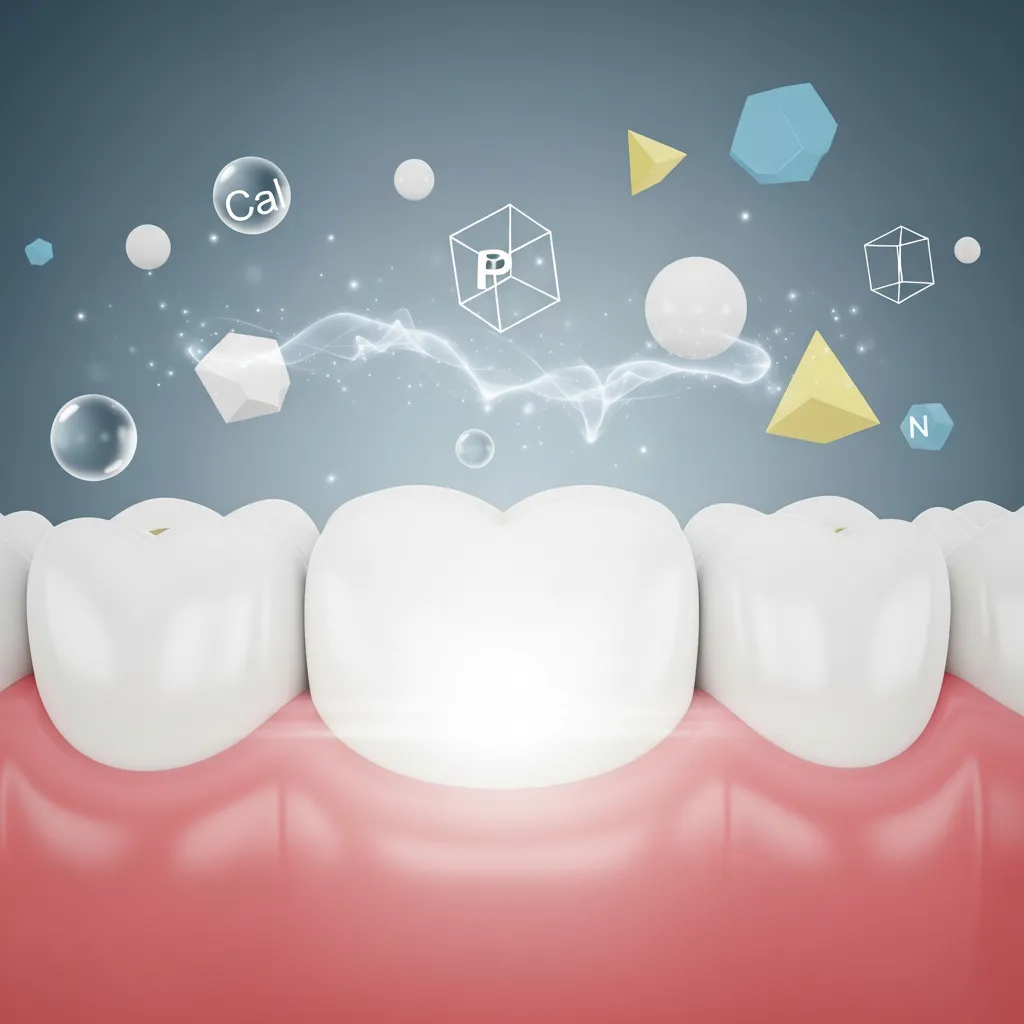
A diet focused on whole, nutrient-dense foods is a powerful tool in your oral health arsenal. Combining smart food choices with excellent daily hygiene is the most effective way to ensure your smile remains strong and healthy for years to come. For a more complete view on dental care, you can explore some dentist-approved tips for healthy teeth that complement a good diet. Ultimately, these practices work together, creating a comprehensive defence system that protects your teeth and gums from the inside out and the outside in.