How to Protect Your Teeth from Tooth Decay
Checked by our editorial team. Clinical review by a dentist: planned, not yet done for this article.

Preventing a problem effectively starts with understanding its origins. Tooth decay is not a sudden event but a gradual process driven by a combination of factors within your mouth. The primary culprits are specific types of bacteria that thrive on the sugars and starches you consume. When these elements combine, they create an environment that systematically breaks down the hardest substance in the human body: your tooth enamel.
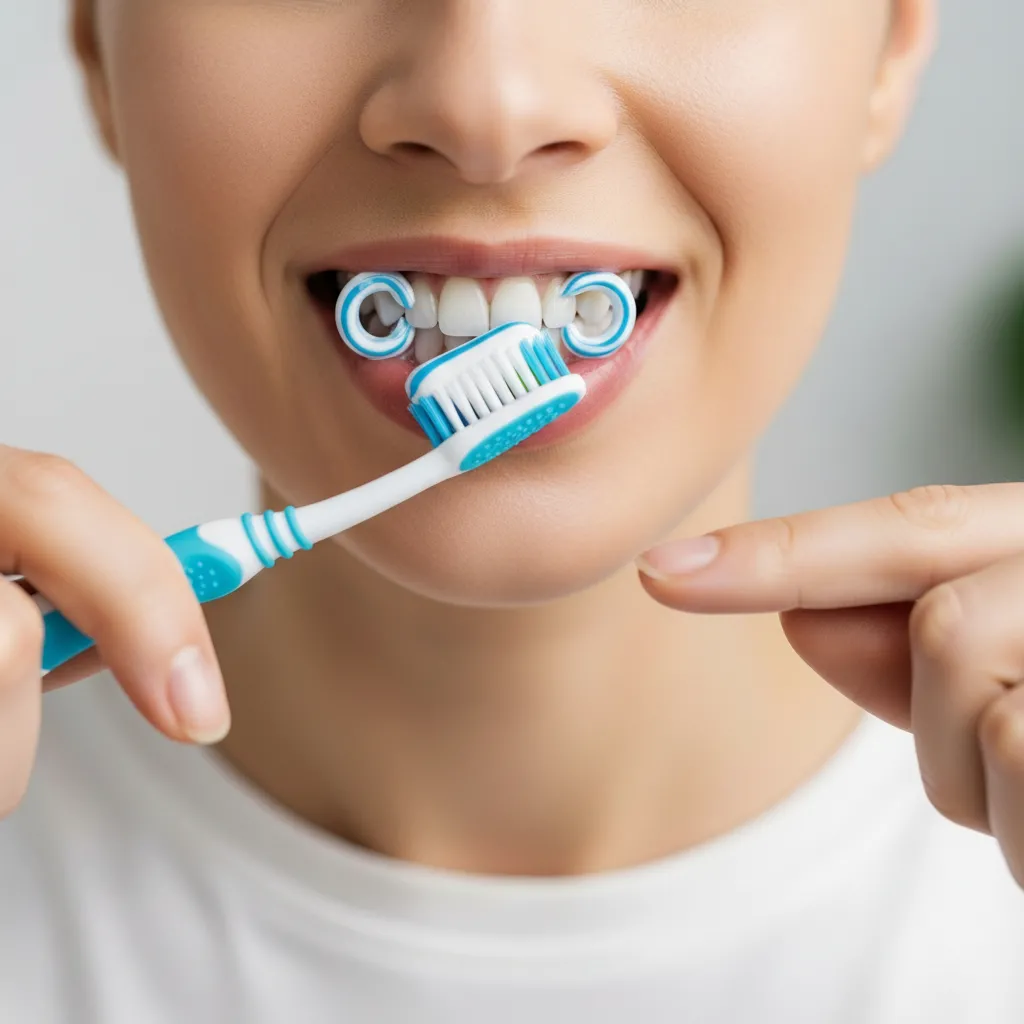
How to Protect Your Teeth from Tooth Decay is a fundamental aspect of maintaining not just a radiant smile, but your overall health and well-being. Tooth decay, also known as dental caries, is one of the most common chronic diseases worldwide, yet it is largely preventable. It is a multi-stage process that begins silently and can lead to significant pain, tooth loss, and systemic health issues if left unaddressed. Understanding the mechanisms behind decay and adopting a comprehensive, proactive strategy is the key to preserving your natural teeth for a lifetime. This involves a dedicated partnership between consistent at-home care and regular professional dental support.
Understanding the Root Causes of Tooth Decay
The Role of Plaque and Bacteria
Your mouth is a complex ecosystem teeming with hundreds of types of bacteria, most of which are harmless. However, certain strains, particularly Streptococcus mutans, are responsible for initiating tooth decay. These bacteria feed on the sugars and refined carbohydrates left in your mouth after eating. As they metabolise these sugars, they produce acids as a byproduct. This combination of bacteria, food debris, acid, and saliva forms a sticky, colourless film called plaque. If plaque is not removed regularly through brushing and flossing, it adheres firmly to your teeth, especially in hard-to-reach areas. The acids trapped within the plaque continuously attack the tooth enamel, leaching out vital minerals like calcium and phosphate. This process, known as demineralisation, is the initial stage of cavity formation as detailed by leading global health organisations.
The Impact of Diet and Sugars
Diet plays a pivotal role in the development of tooth decay. The frequency and type of foods you consume directly influence the acidic environment in your mouth. Sugary foods and drinks—such as sodas, fruit juices, sweets, and pastries—provide an immediate and abundant food source for harmful bacteria. However, it’s not just about obvious sweets. Starchy foods like bread, crisps, and pasta can be just as detrimental. These carbohydrates break down into simple sugars in the mouth and can cling to teeth for extended periods, providing a sustained fuel source for acid-producing bacteria. Frequent snacking throughout the day, especially on sugary or starchy items, means your teeth are under constant acid attack, preventing the natural remineralisation process, where saliva helps replenish lost minerals, from occurring.
Dry Mouth and Saliva’s Importance
Saliva is your body’s natural, built-in defence mechanism against tooth decay. It serves several critical functions: it washes away food particles and debris, neutralises the acids produced by plaque bacteria, and contains essential minerals that help repair and remineralise tooth enamel. When saliva flow is reduced, a condition known as xerostomia or dry mouth, the risk of tooth decay increases dramatically. Dry mouth can be caused by a variety of factors, including certain medications (such as antihistamines, decongestants, and antidepressants), medical conditions like Sjögren’s syndrome, and radiation therapy. Without adequate saliva to buffer acids and cleanse the mouth, plaque can accumulate more rapidly, accelerating the decay process.
Foundational At-Home Strategies to Protect Your Teeth from Tooth Decay
While professional dental care is essential, the battle against tooth decay is primarily won or lost through your daily habits. A consistent and meticulous at-home oral hygiene routine is the cornerstone of prevention. These foundational practices are designed to disrupt plaque formation and strengthen your teeth against acid attacks.
The Art of Proper Brushing
Brushing your teeth is the single most effective way to remove plaque. However, technique is just as important as frequency. For optimal results, you should brush for at least two minutes, twice a day. Use a soft-bristled toothbrush that can clean effectively without damaging your gums or enamel. Angle the bristles at a 45-degree angle towards the gum line and use gentle, circular motions to clean the outer, inner, and chewing surfaces of all teeth. It is crucial to use a toothpaste containing fluoride, a naturally occurring mineral that is a powerhouse in fighting decay. Fluoride works by integrating into the enamel structure, making it more resistant to acid, and can even help reverse the earliest stages of demineralisation.
Why Flossing is Non-Negotiable
Brushing alone cannot reach all tooth surfaces. The tight spaces between your teeth and the area just below the gumline are prime locations for plaque to accumulate, leading to interproximal cavities and gum disease. This is where flossing becomes indispensable. By sliding floss between each tooth and curving it in a C-shape against the tooth surface, you can effectively remove trapped food particles and plaque that your toothbrush cannot access. Whether you use traditional string floss, dental tape, or a water flosser, daily flossing is a non-negotiable step in a complete oral care routine. It disrupts the bacterial colonies that would otherwise flourish in these protected areas.
The Power of a Balanced Diet
A tooth-friendly diet goes beyond simply avoiding sugar. It involves actively consuming foods that strengthen your teeth and promote a healthy oral environment. Incorporate foods rich in calcium, such as milk, cheese, yoghurt, and leafy greens, which are essential for building and maintaining strong enamel. Phosphorus, found in foods like fish, eggs, and lean meat, also plays a crucial role in this process. Crunchy fruits and vegetables like apples and carrots can help clean your teeth naturally as you eat them. It is also wise to limit snacking between meals to reduce the frequency of acid exposure. If you do snack, choose tooth-healthy options like nuts or cheese and consider rinsing your mouth with water afterward to help neutralise acids. Building on these basics, there are numerous other dentist-approved tips for healthy teeth that can enhance your daily routine.
Professional Dental Care: Your Strongest Defence
Even with the most diligent at-home care, professional dental services are vital for long-term protection against tooth decay. Dentists have the tools, technology, and expertise to detect and address problems at their earliest stages and provide preventative treatments that you cannot perform yourself.
The Importance of Regular Check-ups and Cleanings
Regular dental check-ups, typically recommended every six months, are your first line of professional defence. During these appointments, a dental hygienist will perform a professional cleaning, or prophylaxis. This involves using specialised instruments to remove hardened plaque, known as tartar or calculus, which cannot be removed with a regular toothbrush. Once tartar forms, it creates a rough surface that encourages further plaque accumulation. The cleaning concludes with polishing, which smooths the tooth surfaces to make it more difficult for plaque to adhere. Following the cleaning, the dentist will conduct a thorough examination to check for early signs of decay, gum disease, and other oral health issues that might not yet be causing symptoms.
Protective Professional Treatments
For individuals at a higher risk of decay, dentists can offer additional protective treatments. Professional fluoride applications provide a concentrated dose of fluoride to help strengthen enamel far more effectively than toothpaste alone. Another highly effective preventative measure, especially for children and teenagers, is the application of dental sealants. Sealants are thin, protective plastic coatings that are painted onto the chewing surfaces of the back teeth (molars and premolars). These teeth have natural pits and fissures that are difficult to clean and are common sites for decay. The sealant flows into these grooves, creating a smooth, protective barrier that “seals out” food particles and acid-producing bacteria.
Advanced Tips and Long-Term Oral Health Management
Maintaining excellent oral health is a lifelong commitment that involves consistent habits and an awareness of your personal risk factors. A structured approach ensures all bases are covered, from daily routines to annual professional care.
A Comprehensive Oral Health Schedule
| Frequency | Action | Purpose |
|---|---|---|
| Twice Daily | Brush with fluoride toothpaste for 2 minutes. | To remove daily plaque buildup and strengthen enamel. |
| Daily | Floss between all teeth. | To remove plaque and food debris from areas a toothbrush cannot reach. |
| Every 3-4 Months | Replace your toothbrush or toothbrush head. | To ensure effective cleaning as bristles become worn and less effective. |
| Every 6 Months | Visit your dentist for a professional cleaning and check-up. | To remove tartar, detect early problems, and receive professional guidance. |
| As Needed | Consult your dentist about sensitivity, pain, or other concerns. | To address issues promptly before they escalate into more serious problems. |
Hydration and Its Link to Dental Health
Staying well-hydrated by drinking plenty of water throughout the day is a simple yet powerful way to protect your teeth. Water helps to rinse away food debris and residual sugars after meals, and it supports healthy saliva production. If your local water supply is fluoridated, drinking tap water provides a consistent, low-level exposure to fluoride, offering continuous protection for your enamel. Choosing water over sugary drinks like soda, sports drinks, and sweetened juices is one of the most impactful dietary changes you can make for your dental health.
Understanding Your Personal Risk Factors

While the principles of decay prevention are universal, some individuals may be naturally more susceptible. Genetic factors can influence the composition of your enamel and saliva. Medical conditions such as acid reflux (GERD) can expose teeth to damaging stomach acid. A personal or family history of cavities can also indicate a higher risk. Being aware of these factors allows you and your dentist to create a more personalised and aggressive prevention plan. This might include more frequent check-ups, prescription-strength fluoride products, or specific dietary recommendations tailored to your unique health profile. A proactive and informed approach ensures that you are providing your teeth with the best possible defence against decay.