10 Dentist-Approved Tips for Healthy Teeth
Checked by our editorial team. Clinical review by a dentist: planned, not yet done for this article.

10 Dentist-Approved Tips for Healthy Teeth are essential for anyone looking to maintain not just a beautiful smile, but also overall well-being. Your oral health is a direct window into your general health, and neglecting it can lead to problems far beyond a simple toothache. A radiant smile conveys confidence and vitality, but it begins with the fundamental, consistent habits you practice every day. While advanced cosmetic procedures can perfect a smile, they are most effective and long-lasting when built upon a foundation of strong, healthy teeth and gums. This comprehensive guide will explore ten crucial strategies, approved by dental professionals, to ensure your teeth remain in optimal condition for a lifetime.
Foundational Brushing and Flossing Techniques
1. Master the Art of Brushing
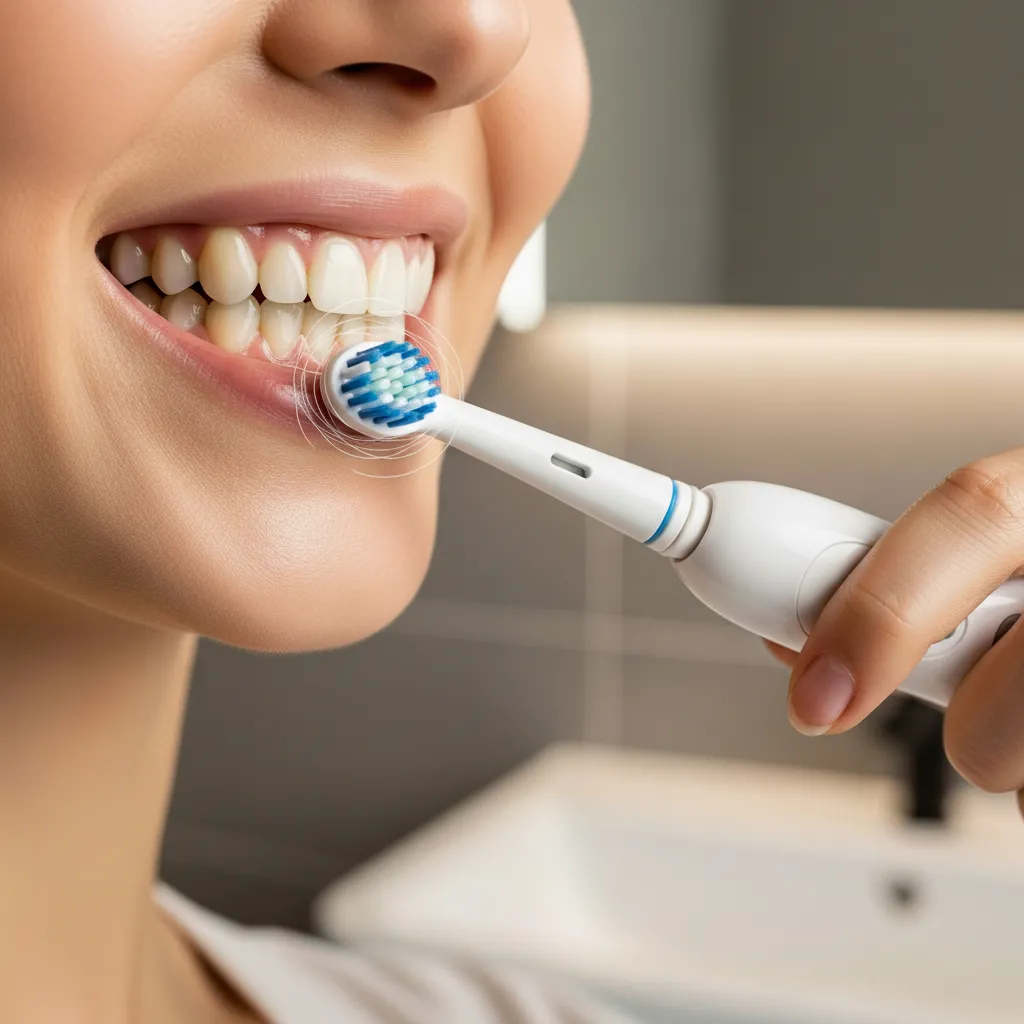
Brushing your teeth is likely the first health habit you ever learned, but many adults still use improper techniques. The goal is to remove plaque thoroughly without causing abrasion to your enamel or gums. It begins with selecting the right tools. Always opt for a toothbrush with soft bristles. Hard bristles can be abrasive and may lead to gum recession and wear on the tooth’s enamel over time. An electric toothbrush can be highly effective as many have built-in timers and pressure sensors to ensure you are brushing for the recommended duration and not applying excessive force. When it comes to toothpaste, the most crucial ingredient is fluoride. Fluoride is a mineral that actively helps to remineralise and strengthen tooth enamel, making it more resistant to acid attacks from plaque bacteria.
The recommended duration for brushing is a full two minutes, twice a day. To ensure you cover all areas, mentally divide your mouth into four quadrants (upper right, upper left, lower right, lower left) and spend 30 seconds on each. Hold your brush at a 45-degree angle to the gums and use gentle, short, circular strokes rather than aggressive back-and-forth sawing motions. Make sure to clean the outer, inner, and chewing surfaces of every tooth. Don’t forget to gently brush your tongue to remove bacteria and freshen your breath.
2. Make Flossing a Daily Priority
If brushing is the primary defence, flossing is the indispensable reinforcement. Your toothbrush bristles, no matter how advanced, cannot effectively clean the tight spaces between your teeth and under the gumline. These areas are prime locations for plaque to accumulate, harden into tartar, and cause inflammation (gingivitis) or cavities. Flossing once a day is crucial for removing this hidden plaque. The best time to floss is typically before bed, ensuring your mouth is as clean as possible during the hours you sleep. Whether you use traditional string floss, floss picks, or a water flosser, the key is consistency. For correct technique with string floss, use about 18 inches of floss, wrapping most of it around one middle finger and a small amount around the other. Gently guide the floss between your teeth, and once it reaches the gumline, curve it into a C-shape against one tooth. Slide it gently into the space between the gum and the tooth, then repeat on the adjacent tooth before moving to the next gap.
Dietary Habits for a Stronger Smile
3. Limit Sugary and Acidic Foods and Drinks
Sugar is the primary fuel source for the harmful bacteria in your mouth. When you consume sugary foods or drinks, these bacteria produce acids that attack your tooth enamel. This process, known as demineralisation, weakens the tooth’s surface and, over time, creates cavities. The frequency of sugar exposure is often more damaging than the total amount consumed. Sipping on a sugary soda over an hour, for example, subjects your teeth to a prolonged acid attack. It is crucial to be aware of hidden sugars in processed foods, sauces, and even seemingly healthy options like fruit juice and dried fruit. Acidic foods and beverages, such as citrus fruits, sodas (including diet versions), and wine, can also directly erode tooth enamel, even in the absence of sugar. When you do consume these items, it is best to do so with a meal and to rinse your mouth with water afterward to help neutralise the acids.
4. Embrace a Tooth-Friendly Diet
Just as some foods can harm your teeth, others can help strengthen them. A balanced diet rich in vitamins and minerals is essential for maintaining robust dental health. Calcium is a critical component of teeth and bones, so ensure your diet includes plenty of calcium-rich foods like milk, cheese, yogurt, and leafy greens. Phosphorus, found in foods like fish, lean meat, and eggs, is also vital for enamel strength. Furthermore, crunchy fruits and vegetables like apples, carrots, and celery act as natural toothbrushes, stimulating saliva flow and helping to scrub away plaque. Saliva is your body’s natural defence mechanism; it neutralises acids, washes away food particles, and contains minerals that help remineralise enamel. Drinking plenty of water throughout the day, especially fluoridated tap water, is one of the simplest and most effective ways to support saliva production and keep your mouth clean.
Professional Care and Proactive Habits
5. Get Regular Professional Cleanings and Check-ups
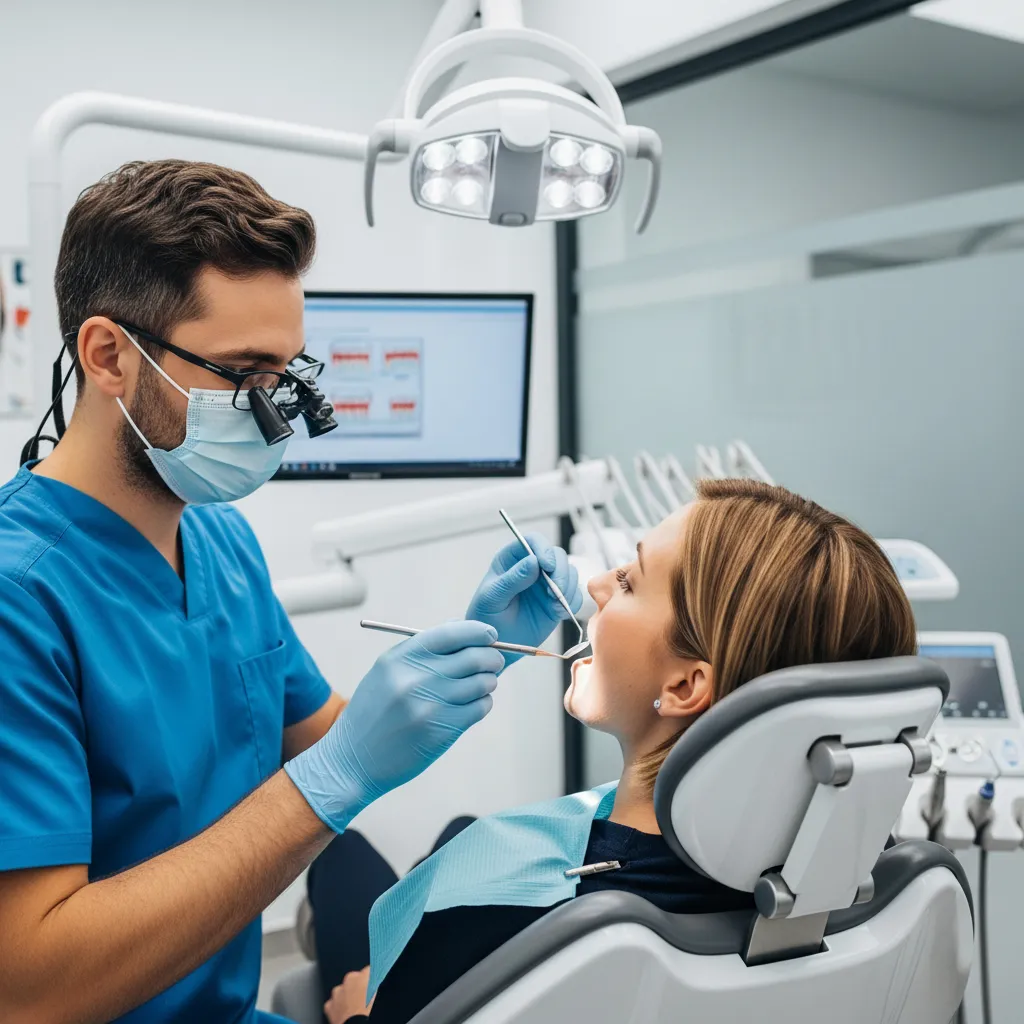
No matter how diligently you brush and floss, some plaque will inevitably be missed and can harden into a substance called tartar (or calculus). Tartar cannot be removed with a regular toothbrush and provides a rough surface for even more plaque to accumulate, leading to gum disease. A professional dental cleaning is the only way to safely and effectively remove tartar buildup. It is generally recommended to visit your dentist for a check-up and cleaning every six months. These appointments are also critical for early detection of potential issues like cavities, gum disease, or even oral cancer, when they are much easier and less expensive to treat.
6. Don’t Use Your Teeth as Tools
Your teeth are designed for one primary function: chewing food. Using them for other tasks, such as opening packages, tearing tape, or cracking nuts, puts them at extreme risk. These actions can easily lead to chipped, cracked, or fractured teeth, which can be painful and require extensive dental work like crowns or veneers to repair. Always take a moment to find the appropriate tool, like scissors or a bottle opener, to save yourself from a potential dental emergency.
Advanced Strategies and Lifestyle Choices
7. Consider an Antimicrobial Mouthwash
While not a substitute for brushing and flossing, using a therapeutic mouthwash can be a beneficial addition to your oral hygiene regimen. Antimicrobial or antiseptic mouthwashes contain ingredients that help reduce the bacterial count in your mouth, control plaque, and prevent or reduce gingivitis. A fluoride-containing mouthwash can also provide an extra dose of enamel protection. Consult with your dentist to determine if a mouthwash is right for you and to get a recommendation for a product that suits your specific needs.
8. Quit Smoking and Limit Alcohol
The use of tobacco products is one of the most destructive habits for oral health. Smoking stains teeth, contributes to bad breath, and significantly increases the risk of gum disease by impairing blood flow to the gums. More critically, tobacco use is a leading cause of oral and throat cancers. Excessive alcohol consumption can also be detrimental, as it dries out the mouth, reducing saliva flow and creating a more hospitable environment for bacteria. Limiting these substances is a major step towards preserving both your oral and overall health.
9. Protect Your Teeth During Physical Activities
If you participate in contact sports or recreational activities with a risk of impact to the face, wearing a mouthguard is essential. A properly fitted mouthguard acts as a cushion, absorbing the force of a blow and protecting your teeth from being chipped, broken, or knocked out. It can also help prevent injuries to your jaw, lips, and tongue. While generic mouthguards are available, a custom-fitted one made by your dentist will offer the best comfort and protection.
Beyond the Basics: Holistic and Aesthetic Tips for Healthy Teeth
10. Understand the Mouth-Body Connection
Your oral health is intricately linked to your overall systemic health. Chronic inflammation from gum disease (periodontitis) has been associated with a higher risk of several serious conditions, including cardiovascular disease, diabetes, and respiratory infections. The bacteria from an oral infection can enter the bloodstream and travel to other parts of the body, potentially causing inflammation and damage. According to the World Health Organization, most oral diseases and conditions share modifiable risk factors with other major noncommunicable diseases. Therefore, by following these tips for healthy teeth, you are not only protecting your smile but also making a significant investment in your long-term general health. For those who have established this healthy foundation, aesthetic improvements become a viable next step. Procedures that aim to create a flawless, bright smile, often referred to as a Hollywood Smile, rely on having healthy underlying teeth and gums to be successful and sustainable. A commitment to these ten fundamental habits creates the perfect canvas for any further cosmetic work you may desire, ensuring your smile is as healthy as it is beautiful.