What Are “Turkey Teeth”?
Checked by our editorial team. Clinical review by a dentist: planned, not yet done for this article.

What Are “Turkey Teeth”? The term, popularised on social media platforms, refers to the trend of travelling to Turkey to receive a full set of dental crowns or veneers, resulting in a perfectly aligned, brilliantly white smile. This phenomenon isn’t just a fleeting internet trend; it represents a significant shift in dental tourism, where patients seek high-quality cosmetic dentistry at more accessible price points. The goal is to achieve what is often called a “Hollywood Smile”—a flawless, camera-ready set of teeth that exudes confidence. While the nickname might sound playful, the procedures behind it are advanced cosmetic dental treatments that require immense skill, precision, and modern technology to achieve beautiful and long-lasting results.
Our dental implants in Turkey guide covers the whole decision, from suitability and planning to what happens if something goes wrong once you are home.
The Allure of a Hollywood Smile in Turkey
The decision to travel abroad for a major dental procedure is driven by several compelling factors that have positioned Turkey as a global hub for cosmetic dentistry. The primary driver is often the significant cost savings compared to countries in Western Europe, the UK, or North America. However, the appeal goes far beyond just the price tag. Reputable Turkish clinics offer comprehensive packages that often include consultations, the procedure itself, accommodation and transfers; check exactly what a package includes before you book.
Furthermore, leading Turkish dental clinics have invested heavily in modern technology. Digital smile design software, in-house CAD/CAM machines for milling crowns and veneers, and advanced 3D imaging are common in larger clinics. Equipment is only part of the picture; the dentist’s experience and planning matter more. The dentists and technicians in these clinics are highly trained specialists, often with international experience and a deep understanding of cosmetic and restorative dentistry. They are adept at creating customised smiles that don’t just look good but are also functional and tailored to the individual’s facial features. This combination of affordability, advanced technology, skilled professionals, and an all-inclusive service model makes Turkey an irresistible destination for those seeking a transformative smile makeover.
Deconstructing the Look: Crowns vs. Veneers
The “Turkey Teeth” aesthetic is typically achieved using one of two primary types of dental restorations: Zirconium Crowns or E-max Laminate Veneers. The choice between them is not arbitrary; it depends entirely on the patient’s existing dental condition, their goals, and the dentist’s professional recommendation. A thorough initial assessment is crucial to determine the most suitable path to a perfect smile.
Zirconium Crowns
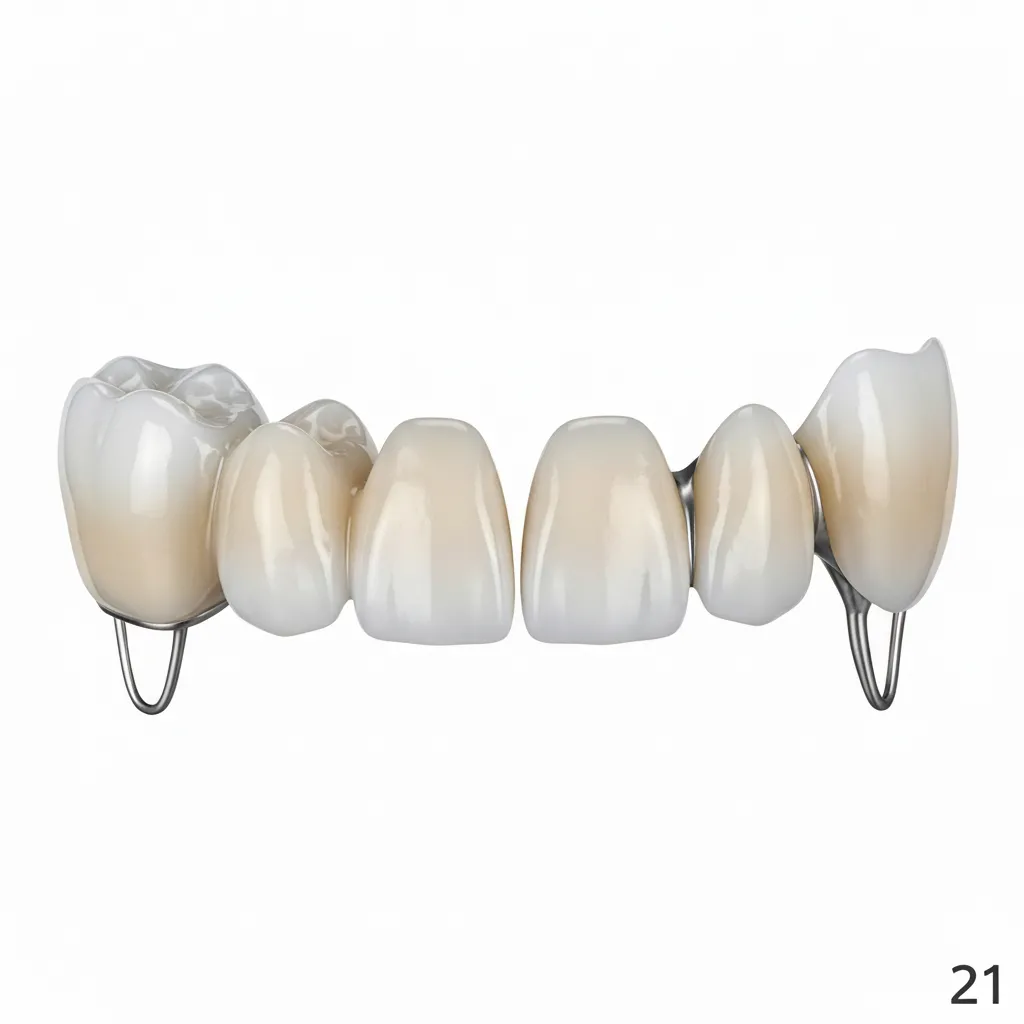
Zirconium crowns are a type of full-coverage restoration, meaning they encase the entire visible portion of a tooth. They are known for their strength and durability, making them an ideal choice for teeth that have significant structural damage, large fillings, discolouration, or have undergone root canal treatment. Zirconium oxide is a biocompatible ceramic material that is incredibly resistant to chipping and fractures. Modern monolithic zirconia can be milled and stained to look remarkably natural, mimicking the translucency and shade of real teeth. Because they cover the whole tooth, they can correct more severe issues with alignment, shape, and spacing, providing both a functional and aesthetic solution. The preparation for a crown involves reducing the tooth’s size on all sides to make space for the restoration, a process that is more extensive than that for a veneer.
E-max Laminate Veneers
E-max laminate veneers, on the other hand, are ultra-thin shells of lithium disilicate ceramic that are bonded to the front surface of the teeth. This procedure is significantly more conservative than crowning, as it requires only minimal removal of the tooth’s enamel. Veneers are a purely cosmetic solution designed to correct issues like minor chips, cracks, gaps, staining, and slight misalignments. The primary advantage of E-max is its outstanding aesthetic quality. Its translucency is very similar to natural tooth enamel, allowing it to reflect light in a way that creates an incredibly lifelike appearance. While strong, they are not as robust as zirconium crowns and are best suited for front teeth that are structurally sound and not subjected to extreme biting forces. For patients whose main goal is to enhance the appearance of otherwise healthy teeth, E-max veneers offer a transformative result with minimal tooth alteration.
The Procedure: A Step-by-Step Guide
Achieving a new smile is a meticulous process that is carefully planned and executed over several appointments, typically condensed into a single trip for international patients.
Initial Consultation and Smile Design
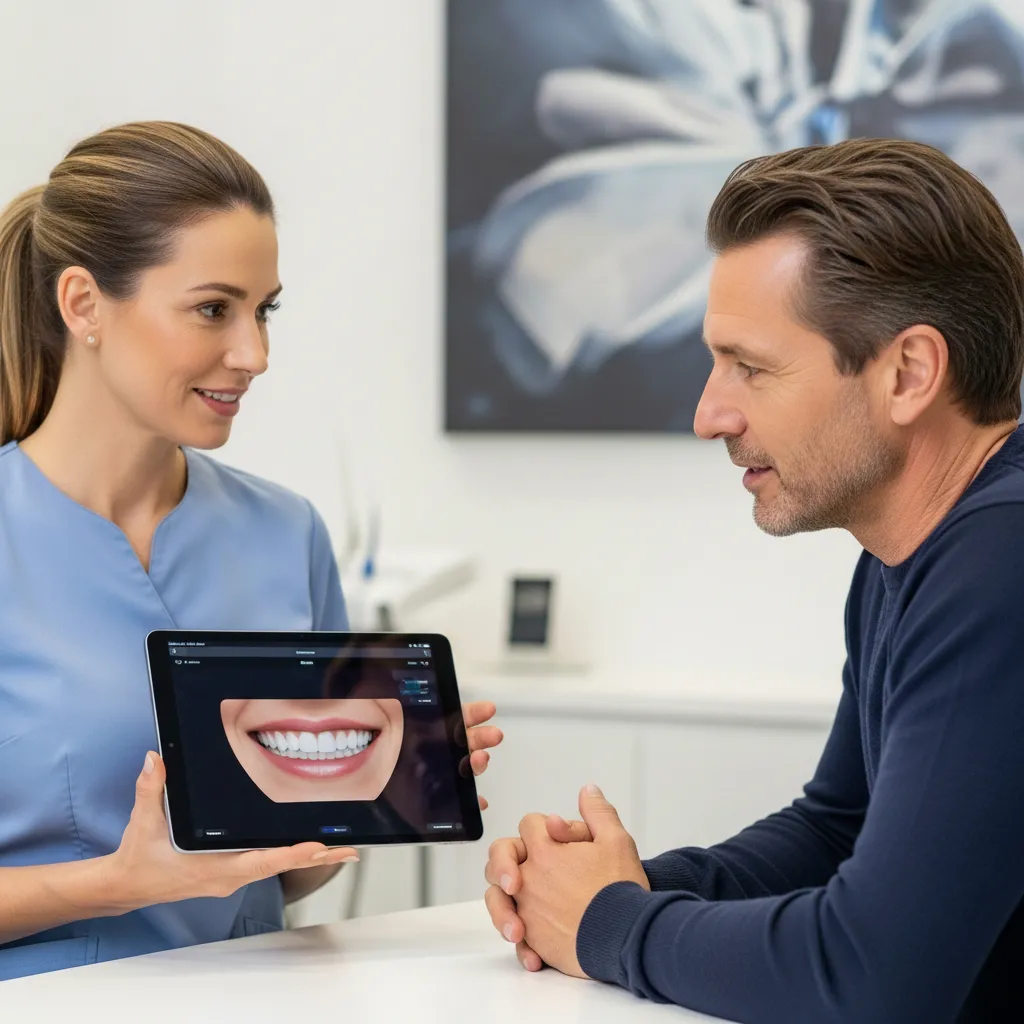
The journey begins with a comprehensive consultation. This involves taking high-resolution photographs, X-rays, and digital scans of your teeth and jaws. Using specialised digital smile design software, the dentist works with you to create a virtual mock-up of your new smile. This allows you to preview the final result and make adjustments to the shape, size, and shade of the teeth before any physical work begins. This collaborative planning phase is essential to ensure the final outcome aligns perfectly with your expectations and complements your unique facial aesthetics.
Tooth Preparation and Temporaries
Once the design is finalised, the teeth are prepared. For veneers, this involves removing a very thin layer of enamel (around 0.5mm) from the front surface. For crowns, the tooth is reshaped more significantly to accommodate the full-coverage restoration. This process is performed under local anaesthesia to ensure complete comfort. After preparation, a digital scan or impression is taken and sent to the in-house or partner dental laboratory. You will be fitted with a set of high-quality temporary crowns or veneers to protect your prepared teeth and allow you to function normally while your permanent restorations are being custom-fabricated.
Final Fitting and Bonding
Within a few days, your permanent Zirconium or E-max restorations are ready. The temporary set is removed, and the dentist will place the final crowns or veneers on your teeth to check the fit, colour, and bite. This is a critical step where minor adjustments can be made to ensure a perfect match and comfortable function. Once you and your dentist are completely satisfied, the teeth are cleaned and etched to prepare the surface for bonding. A special dental adhesive is applied, and the restorations are permanently cemented into place using a high-intensity light that cures and hardens the bond. The final step involves polishing the restorations and checking the bite one last time.
Why the Clinic and Materials Matter for Turkey Teeth
While the allure of an affordable new smile is strong, the most critical factor in a successful outcome is the quality of the clinic, the expertise of the dental team, and the materials used. Opting for the cheapest offer can lead to disastrous results, including poorly fitting crowns, nerve damage, and an unnatural appearance. A reputable clinic prioritises patient health and long-term results over speed and volume. They use premium, certified materials like Ivoclar Vivadent’s E-max and high-grade zirconia from reputable manufacturers.
The skill of the dentist and the dental technician is paramount. An experienced cosmetic dentist understands the intricate principles of smile design, ensuring that the new teeth are in harmony with the patient’s lips, gums, and overall facial structure. A master technician then crafts each crown or veneer to replicate the subtle textures and colour gradations of natural teeth. This commitment to quality ensures not only a beautiful result but also one that is durable and biocompatible. Studies on the longevity of these materials confirm their high success rates when placed correctly. For instance, the clinical performance of monolithic zirconia crowns has been shown to be excellent over the long term, highlighting the importance of using high-quality materials for lasting success.
| Feature | Zirconium Crowns | E-max Laminate Veneers |
|---|---|---|
| Material | Zirconium Oxide (Ceramic) | Lithium Disilicate (Glass-Ceramic) |
| Tooth Preparation | More extensive; reduction on all sides of the tooth | Minimal; slight shaving of the front enamel surface |
| Best Use Case | Structurally weak, damaged, or root canal-treated teeth; significant alignment correction | Cosmetic enhancement of healthy teeth; correcting minor chips, stains, and gaps |
| Strength | Extremely high, very resistant to chipping and fractures | Strong and durable, but not as robust as zirconia |
| Aesthetics | Excellent, can be made to look very natural | Superior, considered the gold standard for translucency and lifelike appearance |
| Coverage | Full coverage (encases the entire tooth) | Partial coverage (bonds to the front surface only) |