Dental Implants in Turkey: A Cost Guide for UK Patients
Checked by our editorial team. Clinical review by a dentist: planned, not yet done for this article.

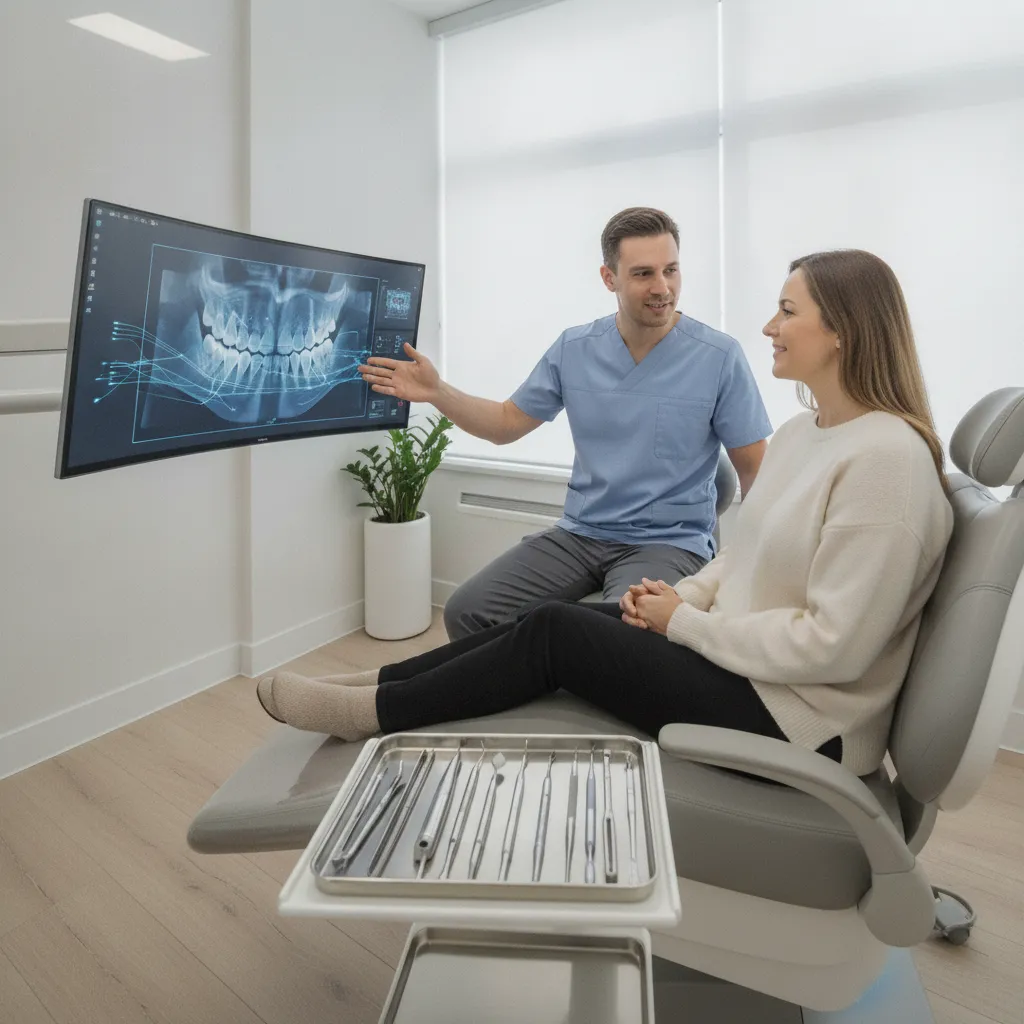
If you are weighing up implant treatment in Turkey as a whole, our decision guide for UK patients brings costs, risks, aftercare and questions to ask together in one place.
Understanding the Appeal of Dental Implants in Turkey
Turkey has become a popular destination for medical and dental tourism. The appeal stems from a confluence of factors that extend beyond just cost savings. Turkish dental clinics, especially those catering to international patients, are often equipped with the latest diagnostic and treatment technologies, including 3D imaging, CAD/CAM systems for precise implant placement, and advanced sterilisation protocols. Many dentists who treat international patients have postgraduate training, but experience varies, so ask who will treat you and check their registration. These professionals are adept at a wide range of implant techniques, from single tooth replacements to full mouth restorations like All-on-4 or All-on-6. Clinics that treat many international visitors usually have set processes for planning and travel, but you should still check how complications and follow-up are handled. Packages often include accommodation, transfers and follow-up appointments during your stay; check exactly what is included and what happens after you return home.Why Dental Implants Can Cost Less in Turkey: Deconstructing the Cost Advantage
For many UK patients, cost is the main reason to consider Turkey for dental implants. The price difference is a real draw, but how much an individual patient saves varies with the implant system, the clinic and the extent of treatment. Several factors contribute to the difference in price between the UK and Turkey. Firstly, the general cost of living and operational expenses in Turkey are considerably lower than in the UK. This translates into reduced overheads for dental clinics, including rent, utilities, staff wages, and even laboratory costs. Secondly, the exchange rate between the British Pound and the Turkish Lira often works favourably for UK visitors, amplifying their purchasing power. Lastly, the Turkish government actively supports and promotes medical tourism, leading to a competitive market for international patients. Competition keeps prices down but does not by itself guarantee quality, so each clinic needs to be checked individually. Many clinics use implant brands that are also used in the UK, such as Straumann or Nobel Biocare; ask which system will be used and for the implant details in writing, as this matters for future repairs.The table below lists the usual parts of an implant quote and what affects the price of each:
| Cost Component | What affects the price |
|---|---|
| Single Dental Implant (Implant, Abutment, Crown) | Implant system, whether bone grafting or a sinus lift is needed, abutment and crown material, number of visits |
| Bone Grafting (if needed) | Size of the area, graft material and whether it is done at the same time as other surgery |
| Sinus Lift (if needed) | Whether one or both sides are treated and the grafting technique |
| Initial Consultation & X-rays | Whether a 3D (CBCT) scan is needed and whether the fee is deducted from treatment |
Beyond the Price Tag: Quality, Technology, and Expertise
Cost is not the only factor: equipment, the dentist’s experience and aftercare matter too. Many Turkish clinics are early adopters of new dental technologies and techniques. Computer-guided implant surgery, for example, can help with accurate implant placement in suitable cases. Dental laboratories often work in-house or in close collaboration with clinics, enabling faster turnaround times for custom crowns and prosthetics. Implants may be placed by an oral surgeon, a periodontist or a dentist with implant training; ask who will place yours and how many similar cases they treat.The Comprehensive Dental Implant Journey: What to Expect
Undergoing dental implant treatment in a foreign country can understandably raise questions about the process. Clinics that regularly treat international patients usually explain each stage in advance; ask for this in writing.Initial Consultation and Planning
The journey typically begins with an online consultation. Patients submit their dental records, X-rays, and photos. A treatment coordinator and dentist review the information and provide a personalised treatment plan, including the number of implants needed, the type of restoration, the timeline, and a detailed cost breakdown. This initial phase is crucial for ensuring transparency and addressing all patient concerns.The Surgical Procedure
Upon arrival in Turkey, a thorough in-person examination, including advanced imaging like panoramic X-rays or 3D CBCT scans, confirms the treatment plan. The implant placement surgery is then performed under local anaesthesia, with sedation options available for anxious patients. The dentist makes a small incision in the gum to expose the jawbone, drills a precise pilot hole, and then inserts the titanium implant post. This is a common procedure, but like any surgery it carries risks such as infection, nerve injury and implant failure.Healing and Abutment Placement
After implant placement, a period of osseointegration begins, where the implant fuses with the jawbone. This typically takes 3-6 months. During this time, temporary prosthetics can be worn. For some advanced techniques like All-on-4, temporary prosthetics can be fitted immediately. Once osseointegration is complete, the patient returns for the second stage, where an abutment (a small connector post) is attached to the implant.Prosthetic Attachment and Final Fit
Finally, custom-made crowns, bridges, or dentures are fabricated and securely attached to the abutments. The dental team checks the fit, bite and appearance against your natural teeth before the final restoration is fixed. The entire process is meticulously planned to minimise trips and maximise convenience for international patients.Ensuring a Safe and Successful Dental Tourism Experience
Patient safety and treatment success are paramount. Ask how the clinic sterilises instruments and controls infection; a reputable clinic will explain this readily. Ask for the make and model of the implants, ideally a system with long-term clinical data. Some clinics offer a warranty; get the terms in writing, including what it excludes and whether you must travel back for repairs. Research clinics carefully and verify the qualifications and registration of the dentist who will treat you. Effective communication, often facilitated by English-speaking staff and dedicated patient coordinators, is key to a smooth experience. The high success rate of dental implants globally, documented in numerous studies, underscores the reliability of this treatment when performed by skilled professionals. For example, research published in journals like the European Journal of Oral Implantology attests to the long-term clinical success of dental implants (see PubMed for more details).Long-Term Benefits and Aftercare
Beyond the immediate benefit of a restored smile, dental implants offer significant long-term advantages. They prevent bone loss in the jaw, maintain facial structure, and allow for normal eating and speaking function. With proper care, including regular brushing, flossing, and dental check-ups, dental implants can last for many years. Turkish clinics often provide detailed aftercare instructions and can arrange for remote follow-ups. For those considering dental work abroad, understanding the process and potential savings is key. You can find more information about cost-effectiveness by visiting Is It Cheaper to Get Dental Work Abroad From the UK?.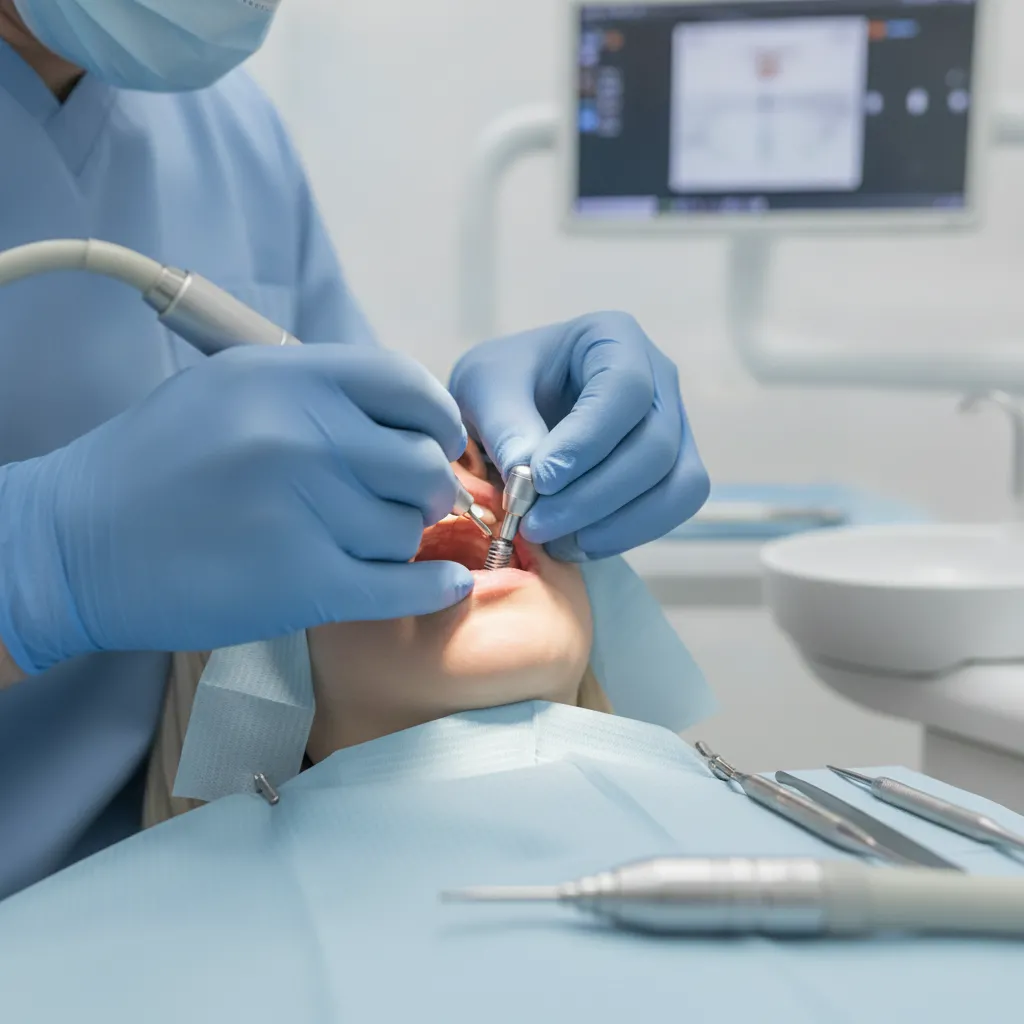
Making an Informed Decision
Lower prices can be compelling, but an informed decision requires careful consideration of all aspects of dental tourism, including travel and aftercare costs. It is essential to select a reputable clinic with a proven track record, clear communication, and comprehensive support services. Lower fees can make implants more affordable, but the result depends on the quality of planning, surgery and aftercare. Compare written treatment plans, check who will treat you and plan how follow-up care will work once you are back in the UK.Frequently asked questions
How many trips to Turkey does implant treatment need?
Usually two: one to place the implants and another, after a few months of healing, to fit the final teeth. Some cases need more.
What should an implant quote include?
The implant system, abutment and crown material, scans, any bone grafting or sinus lift, temporary teeth, follow-up appointments and the terms of any warranty.
Can I get dental implants on the NHS?
Only in limited clinical situations, usually through hospital services, so most UK patients pay privately.
Who deals with complications after I return home?
Ask before booking. The NHS can treat urgent problems, but repairs or replacement are usually private or need a return trip.