Private Dental Implants UK Cost Explained
Checked by our editorial team. Clinical review by a dentist: planned, not yet done for this article.

While the initial cost of private dental implants in the UK might seem substantial, it is crucial to view this treatment as a long-term investment rather than a short-term expense. The benefits extend far beyond immediate aesthetic improvement, offering significant advantages for oral health and overall quality of life that often outweigh the upfront cost when compared to less durable alternatives.
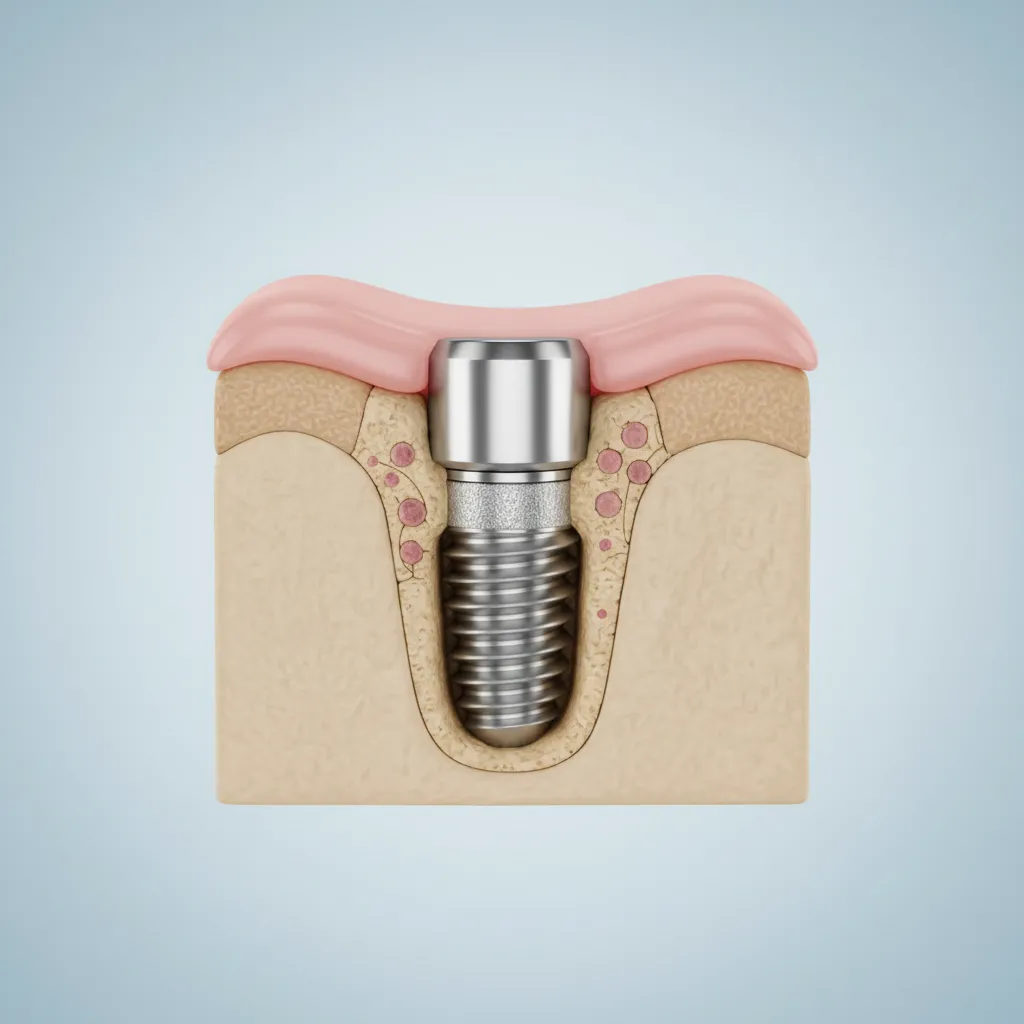
Private Dental Implants UK Cost Explained: Navigating the financial landscape of dental implant treatment in the United Kingdom requires a clear understanding of what contributes to the overall expense. For individuals seeking a durable, long-lasting solution to missing teeth, private dental implants offer a sophisticated restorative option that can significantly enhance oral health, function, and aesthetics. This comprehensive guide aims to demystify the various factors that influence the cost of private dental implants across the UK, helping you make an informed decision about this valuable investment in your smile and well-being. From the initial consultation to the final restoration, each stage of the implant process involves distinct costs, all of which are tailored to the individual’s specific needs and clinical requirements.
Our dental implants in Turkey guide covers the whole decision, from suitability and planning to what happens if something goes wrong once you are home.
Understanding Private Dental Implants UK Cost
Understanding the financial commitment for dental implants in the UK begins with recognising the advanced nature of the procedure and the high standards of care provided in private clinics. Dental implants are titanium posts surgically placed into the jawbone beneath the gum line, serving as robust artificial tooth roots. Once integrated with the bone, they provide a stable foundation for a custom-made crown, bridge, or denture, restoring both function and appearance. The appeal of choosing private dental care for such a critical procedure lies in several advantages: access to modern technology, shorter waiting times, greater choice in materials and implant systems, and often, more extensive time for personalised consultations and follow-up care.What Exactly Are Dental Implants?
Dental implants are considered the gold standard for tooth replacement due to their remarkable ability to mimic natural teeth. Made from biocompatible titanium, these small, screw-shaped posts integrate with the jawbone in a process called osseointegration. This biological fusion provides good stability, preventing bone loss that often occurs after tooth extraction and ensuring the longevity of the restoration. Unlike traditional bridges, implants do not require altering adjacent healthy teeth, thus preserving more of your natural dentition. This innovative solution offers a permanent fix, improving chewing ability, speech, and facial aesthetics.The Appeal of Private Dental Care in the UK
Opting for private dental care in the UK for implants offers numerous benefits beyond what might be available through public healthcare routes. Private clinics typically invest in the latest diagnostic tools, such as 3D CT scans, and modern surgical equipment, ensuring precise planning and execution of the implant procedure. Patients benefit from a wider selection of premium implant brands and restorative materials, often leading to superior aesthetic outcomes and long-term durability. Furthermore, private practices usually afford more flexible appointment scheduling, a more comfortable and personalised patient experience, and dedicated time with experienced dental surgeons and support staff. This level of service is a significant contributor to the overall investment.Dissecting the Factors Behind Implant Pricing
The cost of private dental implants in the UK is not a single, fixed figure but rather a spectrum influenced by a multitude of variables. Each patient’s case is unique, requiring a bespoke treatment plan that directly impacts the final price. Understanding these contributing factors is crucial for anyone considering dental implant treatment.The Number and Type of Implants
Naturally, the more implants required, the higher the total cost. A single implant will be less expensive than multiple implants, an implant-supported bridge, or a full-arch restoration (such as All-on-4 or All-on-6). Different types of implants also exist; for example, mini-implants may be cheaper but are generally used for specific applications like stabilising dentures, while standard implants are more common for single tooth replacement. The complexity of placing multiple implants, especially if they are in different areas of the mouth or require intricate planning, adds to the procedural expense. Patients considering full mouth solutions may find that while the initial outlay is significant, the per-tooth cost might be more efficient than numerous single implants.Materials and Prosthetics
The quality and brand of the implant system itself play a role. Reputable, globally recognised implant brands (e.g., Nobel Biocare, Straumann, Astra Tech) typically cost more but offer extensive research, high success rates, and excellent long-term warranties. The material used for the visible restoration (the crown, bridge, or denture) also affects the price. Zirconia and E.max crowns, known for their superior aesthetics and strength, are often more expensive than porcelain-fused-to-metal (PFM) alternatives. The precision with which these prosthetics are designed and fabricated by dental laboratories further contributes to their cost.Ancillary Surgical Procedures
Many patients require preliminary procedures to ensure the jawbone is strong enough to support an implant. These ancillary surgeries can significantly add to the overall cost. Common procedures include:- Bone Grafting: If there isn’t sufficient bone density, synthetic bone material or bone harvested from another part of the body (or a donor) is used to augment the jawbone.
- Sinus Lift: For implants in the upper jaw, where the sinus cavity might be too close to the implant site, the sinus floor is gently lifted, and bone graft material is placed.
- Tooth Extraction: If a damaged tooth needs to be removed before implant placement, this will incur an additional fee.
- Gum Grafts: To improve gum aesthetics or health around the implant.
Geographic Location and Clinic Reputation
As with most services, the location of the dental clinic within the UK can influence pricing. Practices in major cities like London or in affluent areas often have higher overheads, leading to higher treatment costs compared to those in smaller towns or less expensive regions. Furthermore, the reputation, experience, and specialisation of the dental surgeon and the clinic itself contribute to the premium. Experienced implantologists with extensive training and a proven track record may charge more for their expertise. A well-established clinic with a strong commitment to patient care and post-treatment support also reflects in its pricing structure.Typical Cost Components: A UK Perspective
While it’s challenging to provide exact figures without a consultation, the following table illustrates the typical breakdown of costs for a single private dental implant in the UK. These are approximate ranges and can vary widely.| Cost Component | Description |
|---|---|
| Initial Consultation & Diagnostics | Examination, X-rays, 3D CT scan, treatment planning |
| Tooth Extraction (if needed) | Removal of a damaged tooth prior to implant |
| Bone Grafting / Sinus Lift (if needed) | Augmenting jawbone density/volume |
| Implant Placement (Surgical) | Placement of the titanium post into the jawbone |
| Abutment | Connector piece between implant and crown |
| Crown (Custom-made) | The visible artificial tooth (e.g., porcelain, zirconia) |
| Follow-up Appointments | Post-surgical checks, healing phase monitoring |
Breakdown of the Treatment Stages
The journey to a successful dental implant involves multiple stages, each with its own associated costs. These stages typically include the initial consultation, detailed diagnostics (X-rays, 3D scans), any necessary preparatory procedures (like extractions or bone grafts), the surgical placement of the implant, a healing period (osseointegration), the placement of the abutment, and finally, the attachment of the custom-made crown or prosthetic. Each step is meticulously planned and executed to ensure the best possible outcome. For more detailed information on the various stages involved in dental implant treatment, you can explore resources on dental implant procedures.The Long-Term Investment Value of Dental Implants
Durability, Functionality, and Quality of Life
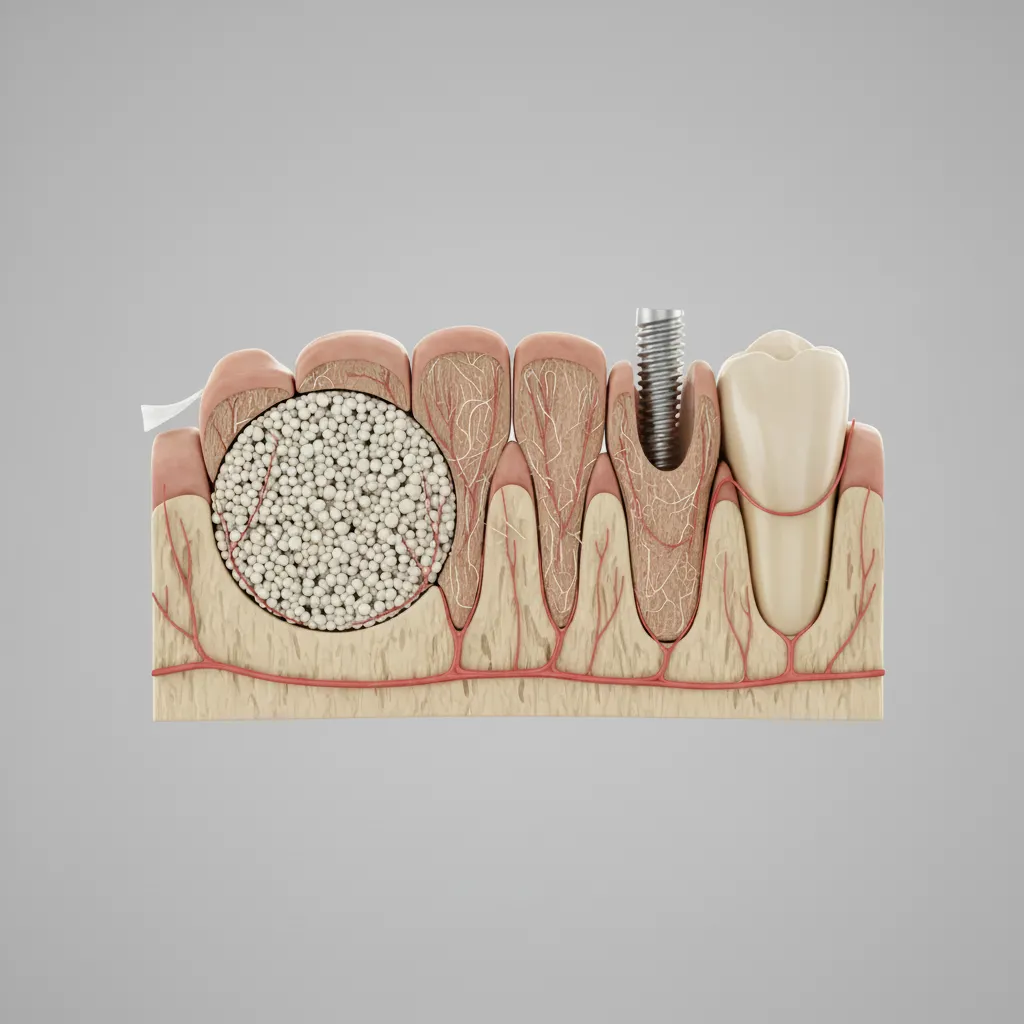
Dental implants are designed to be a permanent solution for tooth loss, often lasting decades, or even a lifetime, with proper care. Their integration into the jawbone provides stability and strength comparable to natural teeth, allowing you to eat, speak, and smile with confidence. This superior functionality not only restores your ability to enjoy a diverse diet but also prevents the speech impediments and discomfort often associated with removable dentures. The psychological benefits of a fully restored smile and improved self-esteem are invaluable aspects of the return on this investment. For more information on the long-term success rates and benefits, consult authoritative sources such as Wikipedia’s overview of dental implants.
Financing and Making an Informed Decision
Understanding the cost is the first step; exploring financing options is the next. Many private dental clinics in the UK offer various payment plans, including interest-free credit for a certain period, or low-interest loans, to help make dental implants more affordable. It is always advisable to discuss these options during your initial consultation. When choosing a clinic, prioritise transparency in pricing, detailed treatment plans, and a comprehensive understanding of all potential costs, including any future maintenance. A reputable clinic will provide a clear, itemised quote and explain every aspect of your treatment journey. Ultimately, investing in private dental implants in the UK means choosing a path to lasting oral health and a significantly improved quality of life.For London-specific factors, see dental implant costs in London; for treatment abroad, dental implants in Turkey: a cost guide.