Teeth Whitening Cost UK – NHS vs Private
Checked by our editorial team. Clinical review by a dentist: planned, not yet done for this article.

Below is a comparative table outlining the general differences in availability, cost, and typical outcomes between NHS and private teeth whitening services in the UK.
Teeth Whitening Cost UK – NHS vs Private
Achieving a brighter, whiter smile is a common aesthetic goal for many individuals across the United Kingdom. With the widespread desire for a radiant smile, teeth whitening has emerged as one of the most popular cosmetic dental procedures. However, navigating the various options and understanding the associated costs can often be complex. From professional in-clinic treatments to at-home kits prescribed by a dentist, the landscape of teeth whitening in the UK presents a range of choices, each with its own benefits and price points. This comprehensive guide aims to demystify the teeth whitening cost in the UK, offering a clear comparison between NHS and private options, and providing essential information to help you make an informed decision about enhancing your smile.
Understanding Teeth Whitening: What Are Your Options?
Teeth whitening is a process designed to lighten the natural colour of your teeth without removing any of the tooth surface. It works by using a bleaching agent, typically hydrogen peroxide or carbamide peroxide, to break down stains on the enamel. Over time, teeth can become discoloured due to a variety of factors, including diet (consuming coffee, tea, red wine), smoking, certain medications, age, and genetics. While there are numerous over-the-counter products available, professional teeth whitening conducted or supervised by a qualified dentist offers the most effective and safest results. These professional methods fall largely into two categories: in-clinic treatments and dentist-prescribed at-home kits. Understanding these options is the first step in assessing the potential teeth whitening cost in the UK.
NHS Teeth Whitening: Criteria and Limitations
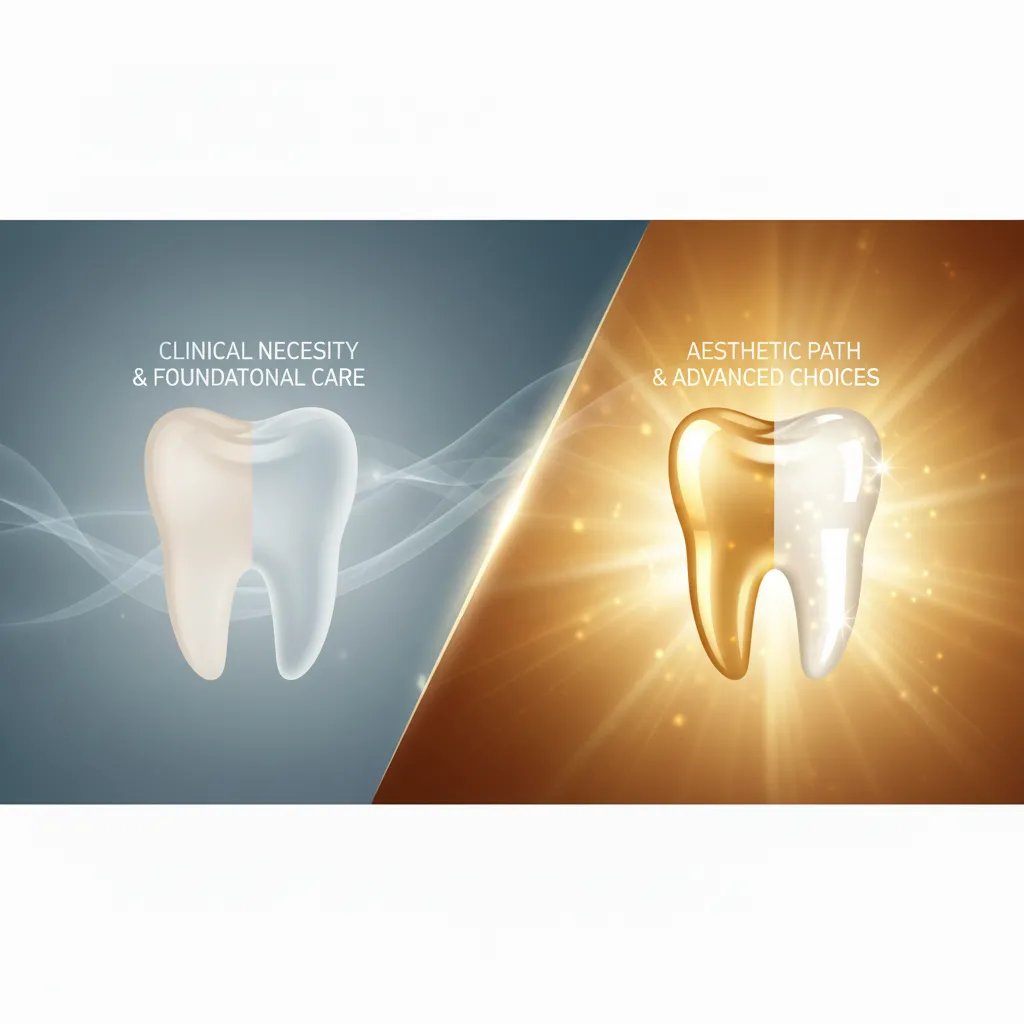
It is a common misconception that teeth whitening is readily available on the NHS. The reality is that the National Health Service primarily covers treatments deemed clinically necessary to maintain or restore oral health. Cosmetic procedures, such as teeth whitening purely for aesthetic purposes, are generally not funded by the NHS.
NHS provision for teeth whitening is exceptionally rare and only considered under very specific circumstances where there is a clear clinical need. For instance, if discolouration is caused by an injury to a tooth nerve or if a specific medical condition has led to severe staining that impacts oral health, a dentist might consider whitening as part of a broader treatment plan. Even in such cases, the treatment might be limited to the affected tooth or teeth, rather than a full smile makeover. The primary aim of NHS dental care is to ensure functional oral health, not to provide purely cosmetic enhancements. Therefore, if your primary goal is to achieve a whiter smile for aesthetic reasons, you will almost certainly need to explore private dental care options.
Private Teeth Whitening: Methods and Benefits
Private dentistry offers a wide spectrum of teeth whitening solutions, providing flexibility, advanced technology, and tailored treatment plans. These options are designed to deliver significant aesthetic improvements and are administered under strict professional supervision, ensuring both safety and efficacy.
The two main professional private teeth whitening methods include:
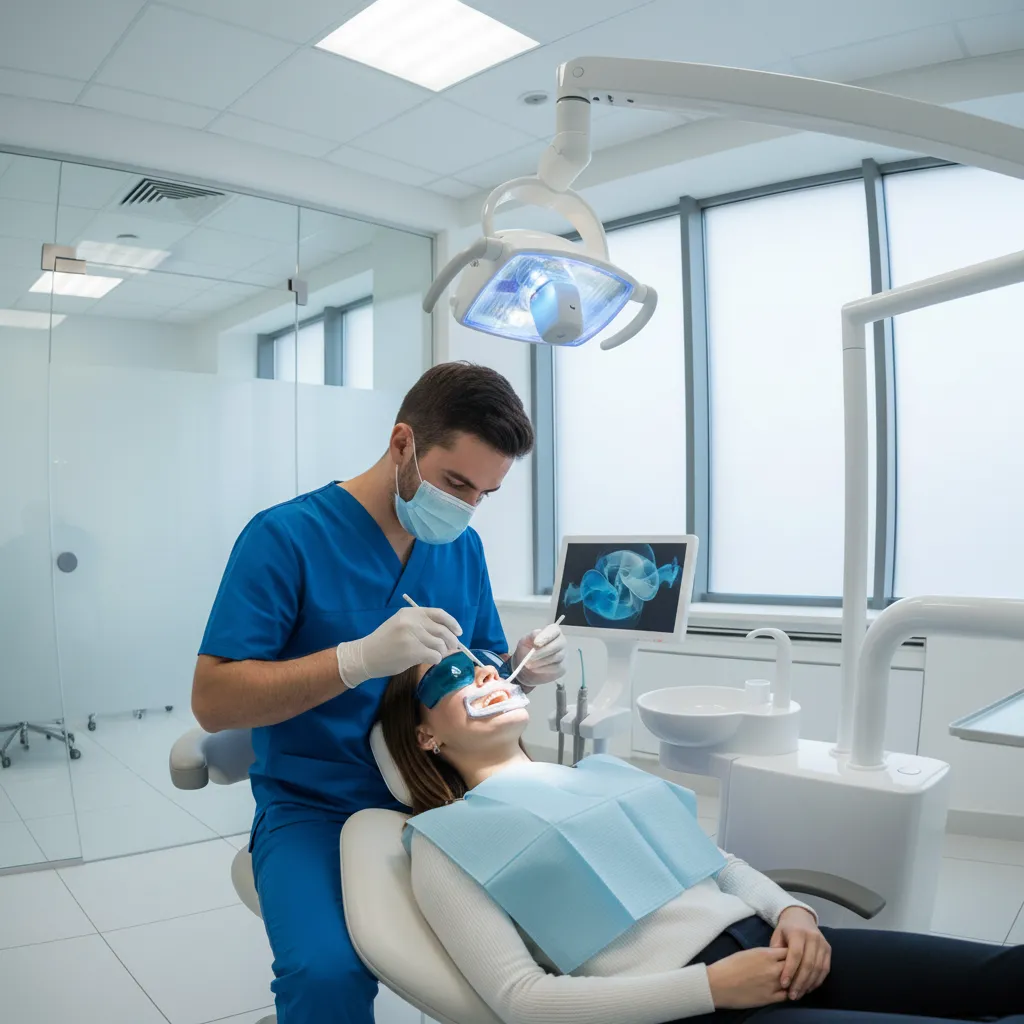
- In-Clinic Professional Whitening: Often referred to as “power whitening” or “laser whitening,” this procedure is performed entirely within the dental clinic. It typically involves applying a high-concentration bleaching gel to the teeth, which is then activated by a special light or laser. This method offers the fastest results, with many patients achieving several shades lighter in just one or two appointments, each lasting around 60-90 minutes. The immediate gratification and direct supervision make it a popular choice for those seeking rapid transformation.
- Custom-Made At-Home Whitening Kits: This involves your dentist taking impressions of your teeth to create custom-fitted whitening trays. You are then provided with a professional-grade whitening gel and instructions on how to apply it at home. The trays ensure the gel makes even contact with your teeth while minimising contact with gums, preventing irritation. This method is usually carried out over a period of 1-2 weeks, wearing the trays for a specified duration each day or night. While results are not as immediate as in-clinic treatments, they are equally effective and offer greater convenience for many patients.
The benefits of private teeth whitening extend beyond just achieving a brighter smile. Professional supervision ensures that the procedure is safe, minimises potential side effects like tooth sensitivity, and helps achieve a predictable result. Dentists can assess your oral health, advise on the most suitable whitening method for your specific needs, and manage any pre-existing conditions that might impact the treatment.
Teeth Whitening Cost UK: NHS vs. Private Approaches
When considering teeth whitening, the financial aspect is often a primary concern for patients. Understanding the cost implications for both NHS and private treatments is crucial for budgeting and decision-making. As established, NHS provision for cosmetic teeth whitening is virtually non-existent, meaning any aesthetic enhancements will fall under the private sector.
Factors Influencing Private Teeth Whitening Costs
The cost of private teeth whitening in the UK can vary significantly depending on several key factors:
- Type of Treatment: In-clinic power whitening generally costs more than dentist-supervised at-home kits due to the specialised equipment, higher concentration gels, and chair time involved.
- Clinic Location: Dental clinics in major cities or affluent areas typically have higher overheads, which can translate to higher treatment costs. Prices might differ between London, Manchester, or smaller towns.
- Dentist’s Experience and Reputation: Experienced and reputable cosmetic dentists may charge more for their expertise.
- Initial Condition of Teeth: If you require other dental work (e.g., fillings, scale and polish) before whitening, these additional treatments will add to the overall cost.
- Number of Sessions/Gel Quantity: For in-clinic treatments, some clinics offer packages with multiple sessions. For at-home kits, the amount of gel provided and whether touch-up kits are included can influence the price.
| Feature | NHS Teeth Whitening | Private Teeth Whitening |
|---|---|---|
| Availability for Cosmetic Purposes | Extremely rare; only for clinical necessity (e.g., trauma, medical condition). | Widely available; primary focus is aesthetic enhancement. |
| Cost (Estimated Range) | Generally covered if clinically necessary (NHS band 3 charge applies if part of a treatment plan for conditions like severe intrinsic staining due to specific medical reasons). | Set by the practice; depends on whether you choose take-home trays or in-surgery whitening. |
| Treatment Focus | Functional oral health, addressing disease or injury. | Cosmetic improvement, achieving a brighter smile. |
| Methods Offered | Very limited; might involve basic bleaching for specific teeth if medically indicated. | In-clinic power whitening (laser/LED activated), custom-made at-home trays with professional gel. |
| Supervision | By NHS dentist if clinical need is present. | Always by a qualified private dentist. |
| Results | Targeted improvement for specific clinical issues, often not a full cosmetic enhancement. | Significant and even lightening across the smile, tailored to patient’s desired shade. |
| Speed of Results | Depends on clinical need and treatment plan. | In-clinic: Immediate results. At-home: Gradual over 1-2 weeks. |
As evident from the table, for anyone seeking teeth whitening for aesthetic reasons, private dental care is the definitive route. The investment in private treatment typically ensures a higher quality of care, more effective and predictable results, and a broader range of options tailored to individual needs.
The Professional Teeth Whitening Process
Embarking on a professional teeth whitening journey involves a structured process designed to ensure safety, efficacy, and patient satisfaction. Understanding these steps can help manage expectations and prepare for the treatment.
The Initial Consultation
Every professional teeth whitening journey begins with a thorough consultation with a qualified dentist. During this initial appointment, the dentist will:
- Assess Oral Health: They will examine your teeth and gums to ensure they are healthy and free from cavities, gum disease, or other issues that could contraindicate whitening. Any necessary pre-treatments, such as fillings or a scale and polish, will be identified.
- Discuss Expectations: You’ll have the opportunity to discuss your desired shade of white and understand what realistic outcomes can be achieved.
- Determine Suitability: The dentist will evaluate the cause of your discolouration and determine if whitening is the most appropriate treatment. Certain types of stains (e.g., greyish stains from tetracycline antibiotics) may not respond as well to conventional whitening and might require alternative cosmetic solutions like veneers.
- Explain Options and Costs: The dentist will detail the available whitening methods (in-clinic vs. at-home), explain the process, potential side effects, and provide a clear breakdown of the teeth whitening cost UK specific to your chosen treatment.
In-Clinic Treatments vs. At-Home Kits
Based on your consultation, you and your dentist will decide on the best treatment path.
- For In-Clinic Whitening: The dentist or hygienist will protect your gums and soft tissues with a barrier before carefully applying a powerful bleaching gel to your teeth. A specialised light or laser is then used to accelerate the whitening process. Multiple applications may be done in one session, with results visible immediately.
- For Dentist-Supervised At-Home Kits: Impressions of your teeth are taken to create custom-fit clear trays. You will then be given the trays and a supply of professional-strength whitening gel. The dentist will provide detailed instructions on how to apply the gel into the trays and how long to wear them each day (typically for a few hours or overnight) for the recommended duration, usually 1-2 weeks.
Aftercare and Maintenance for Brilliant Results
Once your initial whitening treatment is complete, proper aftercare and maintenance are crucial for preserving your brighter smile. Dentists typically recommend:
- Avoiding Staining Foods and Drinks: For the first 24-48 hours post-treatment, teeth are more porous and susceptible to staining. It’s advisable to avoid coffee, tea, red wine, dark sodas, berries, and tobacco products.
- Good Oral Hygiene: Brushing twice daily, flossing, and regular dental check-ups are essential to prevent new stain build-up.
- Touch-Up Treatments: Over time, some regression in shade is natural. Your dentist may provide or recommend touch-up gels for periodic use with your custom trays to maintain your desired level of whiteness.
- Regular Dental Cleanings: Professional dental hygiene appointments help remove surface stains and keep your teeth looking their best.
Ensuring Safety and Longevity with Teeth Whitening
While professional teeth whitening is generally very safe, understanding potential side effects and how to mitigate them is important. Longevity of results also plays a significant role in the overall value of the treatment.
Potential Side Effects and Professional Guidance
The most common side effect of teeth whitening is temporary tooth sensitivity, which can manifest as a sharp, shooting pain or a dull ache. This is usually mild and subsides within a day or two after treatment. Gum irritation can also occur if the whitening gel comes into prolonged contact with the soft tissues, but this is largely prevented with custom trays or protective barriers used during in-clinic treatments. A comprehensive review of teeth whitening agents and potential side effects can be found on reputable scientific sources. One such source is Wikipedia’s detailed article on Tooth Whitening, which offers an overview of the process, its mechanisms, and associated considerations.
Professional supervision is paramount because dentists can:
- Identify and address pre-existing conditions (e.g., gum recession, cracked teeth) that could worsen sensitivity.
- Use appropriate gel concentrations to minimise discomfort.
- Provide desensitising agents or fluoride treatments if sensitivity becomes an issue.
- Ensure the procedure is performed correctly, adhering to safety protocols.
Factors Affecting Whitening Longevity and Results
The longevity of your teeth whitening results can vary, typically lasting from 6 months to 2 years, depending on several factors:
- Dietary Habits: Frequent consumption of highly staining foods and beverages will cause discolouration to return more quickly.
- Oral Hygiene Practices: Diligent brushing and flossing help remove new stains as they form.
- Lifestyle Choices: Smoking is a significant contributor to tooth staining and will diminish whitening results rapidly.
- Genetics and Age: Individual tooth porosity and natural enamel characteristics can influence how long the whitening effect lasts.
- Touch-Up Treatments: Regular, short touch-up sessions with your custom trays can significantly extend the life of your white smile.
Making an Informed Decision About Your Smile
Choosing to whiten your teeth is an investment in your smile and confidence. Understanding the teeth whitening cost UK, along with the differences between NHS and private options, is crucial. While the NHS provides vital dental care for clinical needs, aesthetic procedures like teeth whitening fall squarely within the realm of private dentistry. The slightly higher initial investment in professional private treatment ensures you receive tailored, safe, and effective solutions, leading to predictable and satisfying results. By consulting with a qualified dental professional, you can explore the best options for your individual needs, ensuring a safe path to a brighter, more confident smile. Remember that a brilliant smile is not just about aesthetics; it contributes significantly to overall self-esteem and personal well-being.
For how whitening works, see our complete guide to teeth whitening.