The Complete Guide to Teeth Whitening
Checked by our editorial team. Clinical review by a dentist: planned, not yet done for this article.

Before exploring whitening solutions, it is important to understand why teeth lose their natural brightness. Tooth discolouration is generally categorised into two main types: extrinsic and intrinsic staining. A combination of both can also occur.
The Complete Guide to Teeth Whitening is an essential resource for anyone looking to achieve a brighter, more radiant smile. A luminous smile is often associated with health, youth, and confidence, making teeth whitening one of the most popular cosmetic dental procedures worldwide. However, the path to a whiter smile is filled with numerous options, from professional in-office treatments to a vast array of over-the-counter products. Understanding the science behind tooth discolouration and the different methods available is crucial for making an informed decision that ensures both safety and effectiveness. This guide will explore the causes of tooth stains, detail the professional whitening procedures available, compare the various methods, and provide insights into maintaining your brilliant results.
What Causes Tooth Discolouration?
Extrinsic stains are the most common type and affect the outer layer of the tooth, known as the enamel. The enamel is porous and can absorb pigments from certain foods, beverages, and habits over time. These stains give the teeth a yellow or brownish hue. The primary culprits behind extrinsic staining include:
- Dark-coloured beverages: Coffee, tea, red wine, and dark sodas contain strong pigments called chromogens that attach to the enamel.
- Certain foods: Berries, soy sauce, tomato-based sauces, and other brightly coloured foods can contribute to surface staining.
- Tobacco use: Both smoking and chewing tobacco introduce tar and nicotine into the mouth, which create stubborn yellow and brown stains on the teeth.
Intrinsic stains originate from within the tooth structure, in the dentin layer, which lies beneath the enamel. These stains are often greyish or bluish and are much more difficult to remove than extrinsic stains. The causes of intrinsic discolouration are more complex and can include:
- Ageing: As we age, the outer enamel layer thins, allowing the naturally yellower dentin to show through more prominently.
- Trauma: An injury to a tooth can cause it to produce more dentin as a protective response, which can darken the tooth. Bleeding within the tooth can also lead to discolouration.
- Medications: Certain antibiotics, particularly tetracycline and doxycycline, can cause significant intrinsic staining if taken during tooth development (before the age of 8). Antihistamines, antipsychotics, and blood pressure medications can also be contributing factors.
- Excessive fluoride: While fluoride is beneficial for dental health, excessive exposure during childhood (fluorosis) can lead to white or brown spots on the teeth.
Professional Teeth Whitening Options
While many over-the-counter products promise dramatic results, professional teeth whitening administered by a dental expert offers a safer, faster, and more effective solution. Dentists have access to higher-concentration bleaching agents and advanced technology that cannot be replicated with store-bought kits. The two primary methods offered in a clinical setting are in-office whitening and professionally dispensed at-home kits.
In-Office Whitening (Power Bleaching)
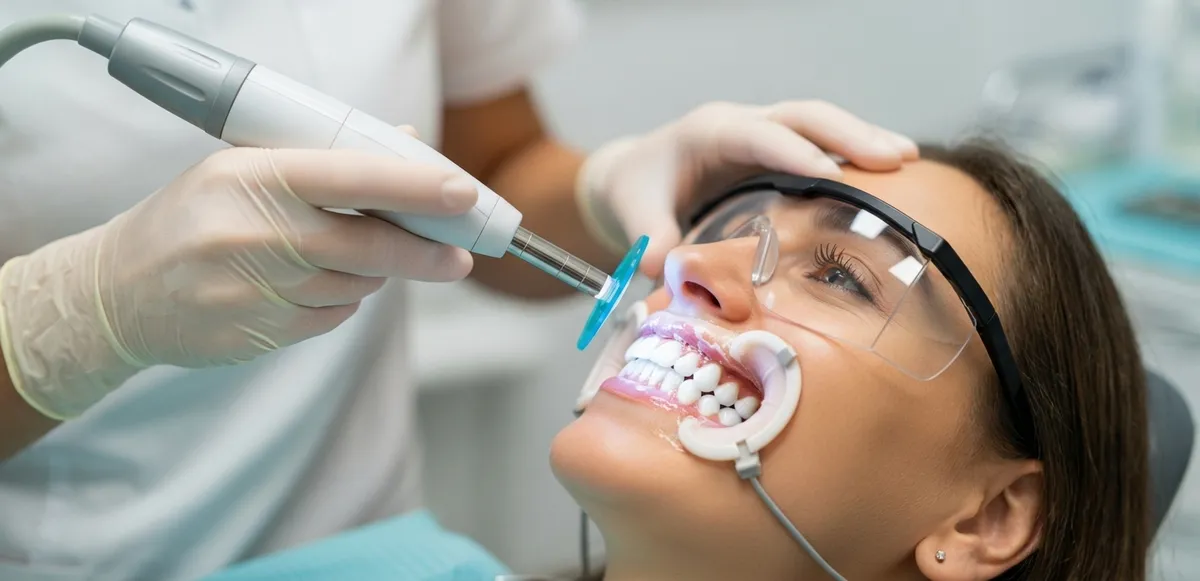
In-office teeth whitening is the gold standard for individuals seeking immediate and significant results. This procedure is performed entirely within the dental clinic under strict professional supervision. A single session, typically lasting between 60 to 90 minutes, can lighten teeth by several shades. The process is meticulous and designed to maximise effectiveness while protecting the surrounding oral tissues.
The step-by-step procedure for in-office whitening generally includes:
- Consultation and Shade Assessment: The dentist first examines your teeth and gums to ensure they are healthy. They will discuss your whitening goals and use a shade guide to determine the current colour of your teeth and the desired outcome.
- Prophylaxis (Cleaning): The teeth are thoroughly cleaned to remove any plaque or tartar buildup, ensuring the whitening agent can make direct contact with the enamel.
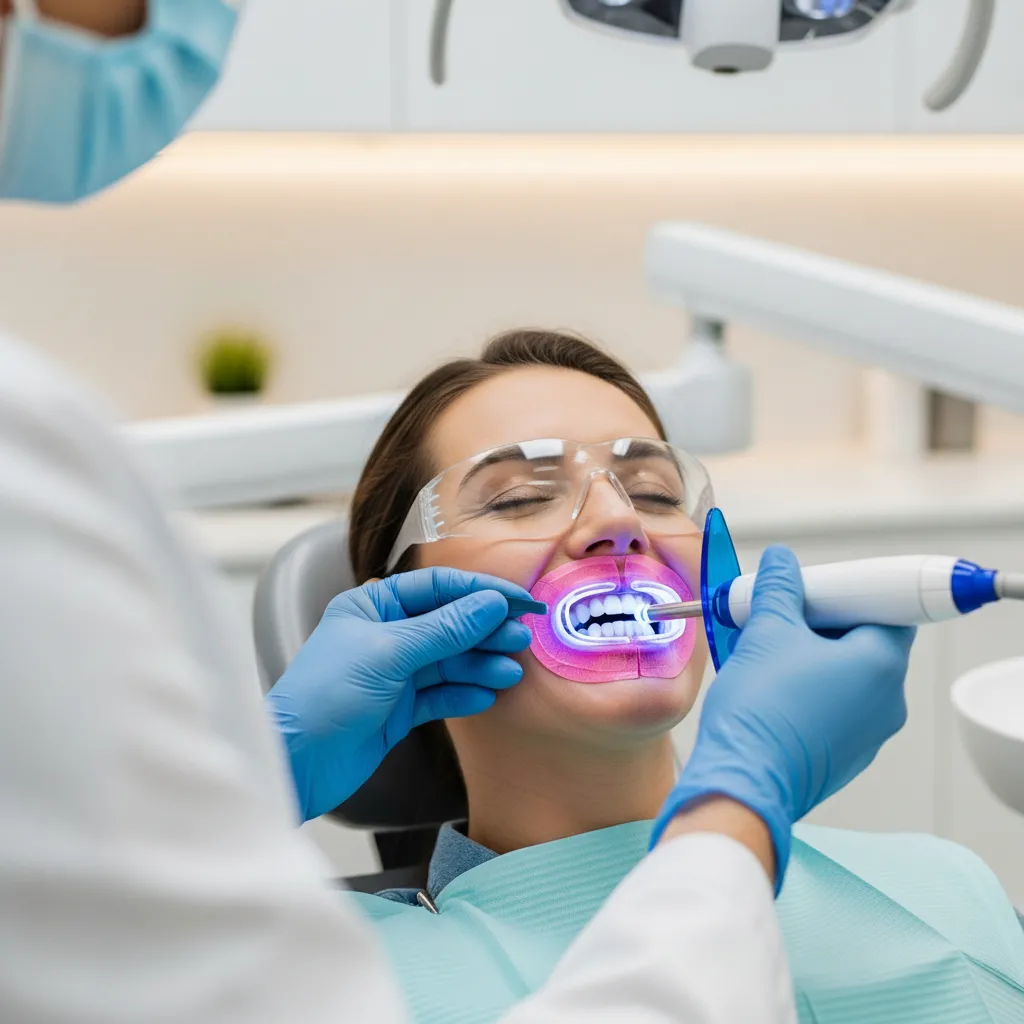
- Soft Tissue Isolation: This is a critical safety step. A protective resin barrier is carefully applied to the gums and any exposed root surfaces. Cheek retractors are also used to keep your lips and cheeks away from the whitening gel.
- Application of Whitening Gel: A professional-grade whitening gel, containing hydrogen peroxide or carbamide peroxide (in the UK, products used by dentists may contain up to 6% hydrogen peroxide, the legal limit for tooth whitening), is applied evenly to the visible surfaces of the teeth. The safety and efficacy of such agents are well-documented in clinical studies, with active ingredients like carbamide peroxide breaking down into hydrogen peroxide to remove stains. For more information on the science behind these agents, you can review findings on their effectiveness in professional settings from sources like the National Center for Biotechnology Information.
- Activation: In many cases, a special curing light or laser is used to activate the gel, accelerating the chemical reaction that breaks down stains. The gel is left on the teeth for about 15-20 minutes.
- Reapplication: The gel is removed, and a fresh layer is applied. This cycle may be repeated two to three times during the same appointment to achieve the desired level of whiteness.
- Final Rinse: Once the final application is complete, the gel and protective barriers are removed, and your mouth is rinsed. A fluoride treatment may be applied to help reduce temporary tooth sensitivity.
Professionally Dispensed At-Home Kits
For patients who prefer the convenience of whitening at their own pace, professionally dispensed at-home kits offer a fantastic alternative. These kits are far superior to their over-the-counter counterparts because they use custom-fitted trays and a stronger, more effective whitening gel. The key difference is the custom-made trays, which are created from an impression of your teeth. This ensures the whitening gel is held in uniform contact with every tooth surface and prevents it from leaking onto the gums, which can cause irritation.
The process involves an initial dental visit to take impressions. The dental lab then fabricates your custom trays. You will be provided with a professional-strength whitening gel, usually containing carbamide peroxide, and given specific instructions on how to apply it and how long to wear the trays each day. Treatment typically spans one to two weeks, but you will begin to see noticeable results within just a few days.
Comparing Whitening Methods: A Detailed Breakdown
Choosing the right teeth whitening method depends on your goals, budget, and timeline. The most significant differences lie in the effectiveness, speed, and level of professional supervision. Below is a table that compares the three main categories of teeth whitening to help clarify their distinct advantages and disadvantages.
| Feature | In-Office Whitening | Professional At-Home Kits | Over-the-Counter Products |
|---|---|---|---|
| Effectiveness | Highest – Can lighten teeth up to 8 shades in one visit. | High – Gradual but significant whitening over 1-2 weeks. | Low to Moderate – Results vary greatly and are often minimal. |
| Treatment Time | Fastest – Approximately 60-90 minutes in a single appointment. | Moderate – Requires daily application for 1-2 weeks or longer. | Slowest – Can take several weeks or months to see minor changes. |
| Safety & Supervision | Highest – Performed under direct supervision of a dental professional. | High – Dentist provides initial consultation, custom trays, and instructions. | Lowest – No professional supervision; risk of user error and gum irritation. |
| Gum Sensitivity | Moderate but temporary; protective barriers are used to minimise it. | Lower risk due to custom-fit trays and lower gel concentration. | High risk of irritation from ill-fitting trays or strips. |
| Longevity of Results | Long-lasting with proper maintenance (1-3 years). | Long-lasting with proper maintenance; easy to perform touch-ups. | Short-lived; requires frequent re-application. |
Are You a Good Candidate for Teeth Whitening?
Teeth whitening is a safe and effective procedure for most people, but it is not suitable for everyone. A thorough dental examination is essential to determine if you are a good candidate. Ideal candidates typically have good oral health, with healthy teeth and gums free from decay or periodontal disease. The procedure works best on teeth that have yellow-toned extrinsic stains from food, drink, or ageing.
When Whitening May Not Be Recommended
There are specific situations where teeth whitening might be ineffective or even harmful. A dentist will advise against the procedure under the following circumstances:
- Existing Dental Restorations: Materials used in crowns, veneers, bonding, and fillings do not respond to whitening agents. Whitening natural teeth around these restorations will result in an uneven, mismatched colour.
- Intrinsic Stains: Stains caused by trauma, certain medications like tetracycline, or fluorosis are located deep within the tooth and do not respond well to traditional surface whitening. Alternative cosmetic procedures like veneers may be recommended.
- Tooth Sensitivity and Gum Disease: Individuals with pre-existing tooth sensitivity, gum recession, or active gum disease may experience significant discomfort from whitening gels. These issues must be addressed before proceeding with whitening.
- Age and Pregnancy: Whitening is generally not recommended for children under 16, as their tooth pulp is larger and more sensitive. For precautionary reasons, it is also advised that pregnant or lactating women postpone the treatment.
The only way to be certain that teeth whitening is the right choice for you is through a dental evaluation. If you are considering enhancing your smile, the best first step is to schedule a professional consultation to discuss your options with an expert.
Maintaining Your Bright Smile After Treatment
Achieving a brilliantly white smile is only half the journey; maintaining it requires consistent care and attention. The results of professional teeth whitening are not permanent, as your teeth will continue to be exposed to factors that cause staining. However, with the right habits, you can prolong the effects of your treatment for years.
Post-Treatment Care and Habits
Immediately following an in-office whitening treatment, your teeth are more porous and susceptible to staining. For the first 48 hours, it is crucial to avoid any dark-staining foods or beverages. This is often referred to as the “white diet” and includes avoiding things like coffee, tea, red wine, berries, and dark sauces.
For long-term maintenance, incorporating the following practices into your routine will help keep your smile bright:
- Exemplary Oral Hygiene: Brush your teeth at least twice a day and floss daily to remove plaque and prevent stain buildup.
- Limit Staining Foods and Drinks: While you do not have to eliminate them entirely, reducing your intake of coffee, tea, and other staining agents will make a significant difference. Rinsing your mouth with water after consumption can also help.
- Use a Straw: When drinking dark-coloured beverages, using a straw can help bypass your front teeth, minimising direct contact.
- Avoid Tobacco: Quitting smoking or the use of other tobacco products is one of the best things you can do for both your oral health and the appearance of your smile.
- Regular Dental Check-ups: Continue to visit your dentist for regular cleanings and check-ups. Professional cleanings remove surface stains that brushing alone cannot.
- Touch-Up Treatments: Depending on your lifestyle and habits, periodic touch-up treatments may be needed. Professional at-home kits are an excellent and cost-effective way to maintain your results over time.
A beautiful, white smile is an attainable goal with the help of modern cosmetic dentistry. By understanding the process and committing to proper aftercare, you can enjoy the confidence that comes with a stunning smile for a long time.
For NHS and private options, see teeth whitening on the NHS vs privately.