How Much Do Veneers Cost in the UK?
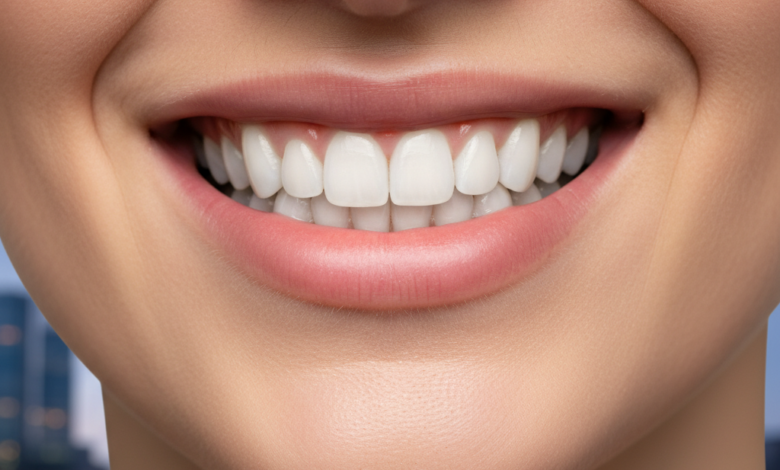
The pursuit of a flawless smile has led many individuals in the UK to consider cosmetic dental treatments, with veneers standing out as a highly popular and effective solution. These thin, custom-made shells are designed to cover the front surface of teeth, transforming their appearance in terms of colour, shape, size, and length. While the aesthetic benefits are undeniable, one of the most pressing questions for prospective patients revolves around the financial investment required: how much do veneers cost in the UK? Understanding the various factors that influence the price is crucial for anyone considering this life-changing procedure.
How Much Do Veneers Cost in the UK?
Veneers offer a pathway to a significantly improved smile, addressing issues such as discolouration, chips, gaps, and minor misalignments. The demand for these transformative treatments continues to rise, driven by increasing awareness of cosmetic dentistry and the desire for enhanced self-confidence. However, unlike a fixed price tag for a common product, the cost of veneers in the UK is highly variable, influenced by a multitude of factors ranging from the materials used to the expertise of the dental professional and the geographical location of the clinic.
Understanding Dental Veneers: Porcelain vs. Composite
Porcelain Veneers
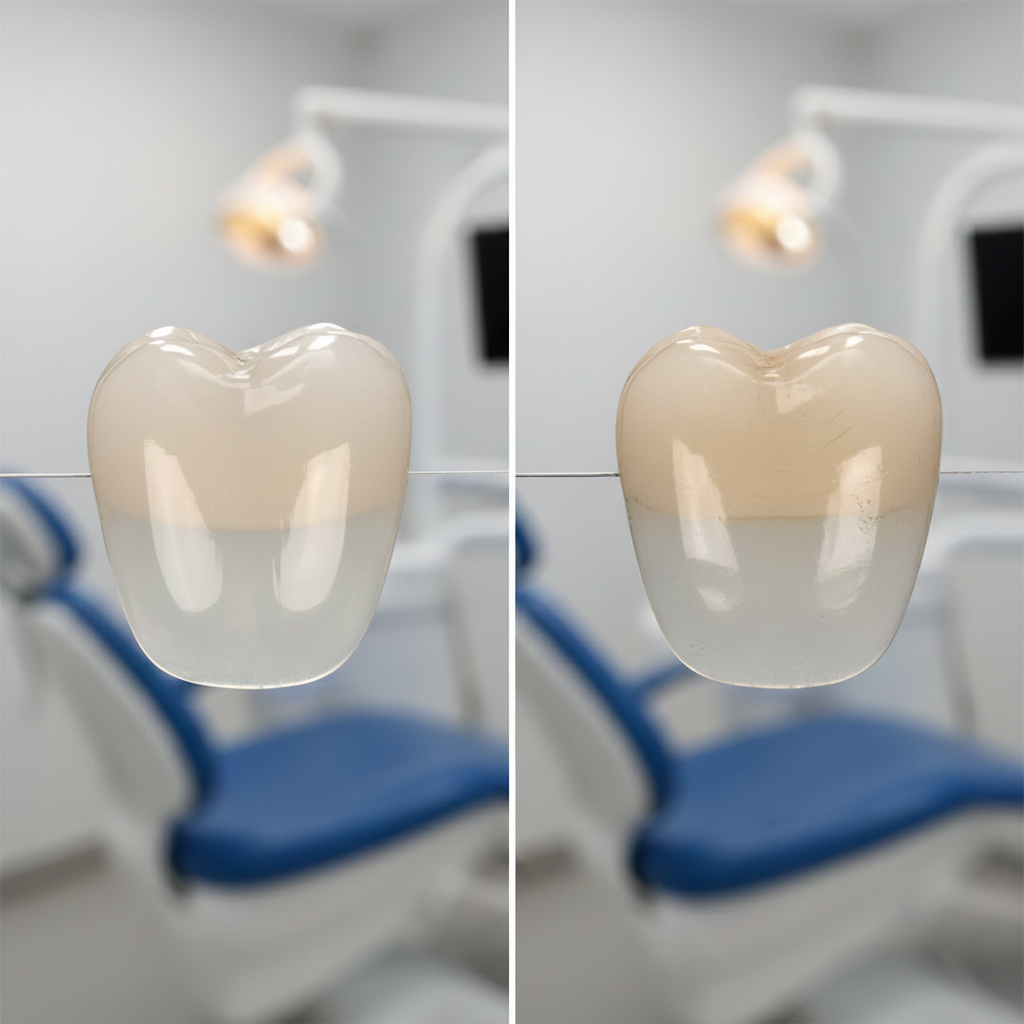
These are thin, custom-made shells crafted from dental porcelain. They are renowned for their exceptional durability, stain resistance, and a highly natural appearance that closely mimics the light-reflecting properties of natural tooth enamel. Porcelain veneers are custom-fabricated in a dental laboratory, a process that typically requires at least two dental visits. Their strength and aesthetic superiority contribute to their higher cost.
Composite Veneers
Also known as composite bonding, these veneers are made from a tooth-coloured resin material that is applied directly to the teeth and sculpted into shape by the dentist. The process is often completed in a single visit, as no laboratory work is required. While more affordable and less invasive than porcelain veneers, composite veneers are generally less durable, more prone to staining, and have a shorter lifespan.
Factors Influencing Veneers Cost in the UK
Number of Veneers Required
Perhaps the most straightforward factor, the total number of veneers needed directly impacts the overall cost. A single veneer to address a specific issue will naturally be less expensive than a full mouth of veneers, which typically involves 6 to 10 veneers per arch (upper or lower) to achieve a complete smile makeover.
Material Choice
As discussed, porcelain veneers are significantly more expensive than composite veneers. The intricate laboratory fabrication, superior aesthetics, and longer lifespan of porcelain contribute to this higher price point. Composite veneers offer a more budget-friendly entry into cosmetic enhancements, though they may require more frequent maintenance or replacement.
Clinic Location
Dental clinics situated in major metropolitan areas, particularly London and the South East, tend to have higher overheads, which are often reflected in their treatment prices. Clinics in smaller towns or less affluent regions of the UK may offer slightly more competitive rates.
Dentist’s Experience and Reputation
Hhighly experienced cosmetic dentists with a strong reputation for delivering exceptional results often command higher fees. Their expertise, artistic skill, and specialized training in smile design are invaluable, ensuring a precise fit and aesthetically pleasing outcome. Opting for a less experienced practitioner might save money upfront but could compromise the quality and longevity of the veneers.
Additional Preparatory Procedures
Some patients may require preliminary dental work before veneers can be fitted. This could include gum contouring, teeth whitening (to match natural teeth if only a few veneers are being placed), or treating existing dental issues such as cavities or gum disease. These additional treatments will add to the overall cost.
Technology and Laboratory Fees
Thhe use of advanced dental technology, such as digital smile design software, 3D imaging, and in-house milling machines, can impact the cost. Furthermore, the quality of the dental laboratory that fabricates porcelain veneers also plays a role. High-end labs using premium materials and skilled ceramists will incur higher fees.
Warranty and Aftercare
Reputable clinics often provide a warranty on their veneers and include follow-up appointments and aftercare instructions. It’s important to clarify what is included in the treatment package to avoid unexpected costs later.
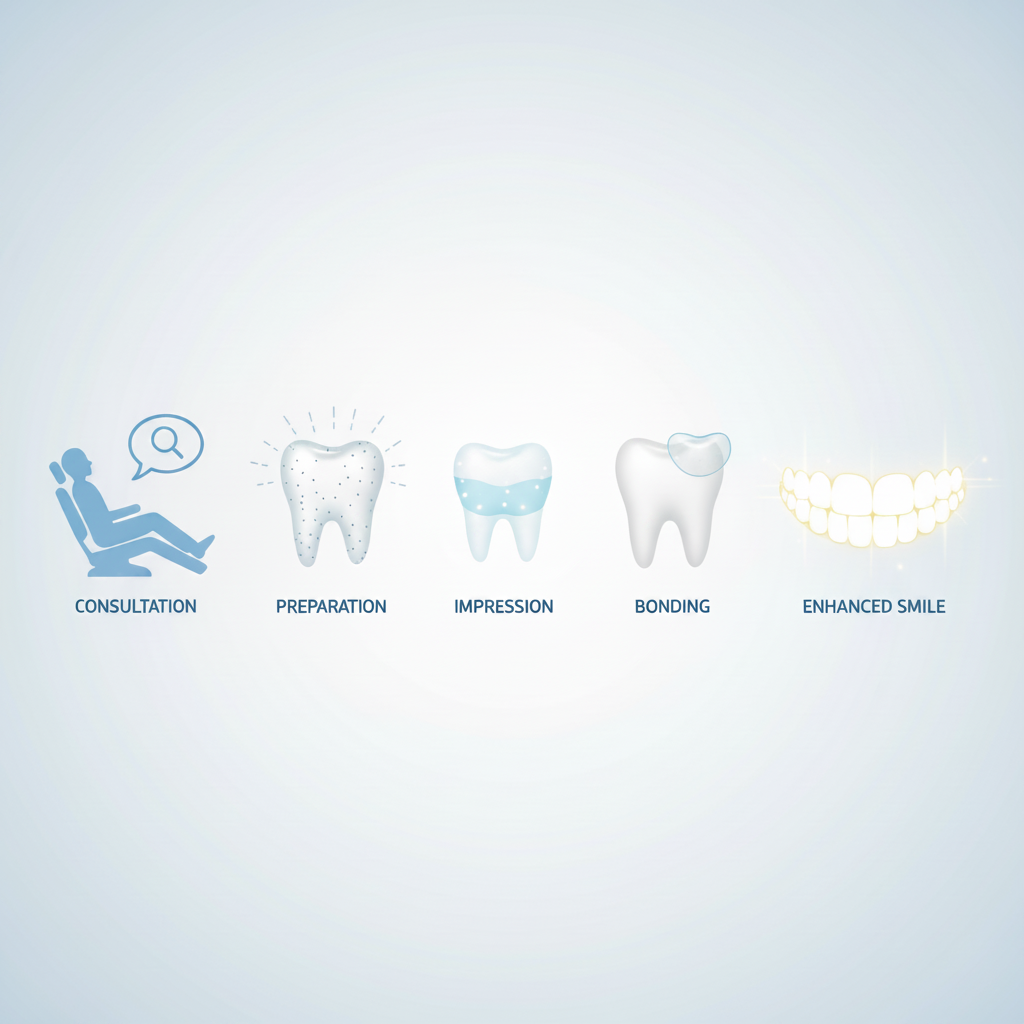
The Veneers Process: A Step-by-Step Overview
Initial Consultation
This vital first step involves a thorough examination of your oral health, discussion of your aesthetic goals, and assessment of your suitability for veneers. The dentist will explain the different types of veneers, the expected outcomes, and provide a detailed treatment plan and cost estimate.
Smile Design and Preparation
For porcelain veneers, this stage often involves digital smile design, where your dentist uses specialized software to show you a preview of your potential new smile. A small amount of enamel is typically removed from the front surface of the teeth to create space for the veneers and ensure a natural fit. Impressions of your teeth are then taken and sent to a dental laboratory. Temporary veneers may be placed to protect your prepared teeth while the permanent ones are being crafted.
Laboratory Fabrication
Skilled dental ceramists in the laboratory meticulously handcraft your porcelain veneers based on the impressions and specifications provided by your dentist. This process ensures a precise fit and optimal aesthetics.
Bonding and Fitting
Once your custom veneers arrive from the lab, you will return for your final appointment. The dentist will temporarily place the veneers on your teeth to check the fit, colour, and shape. Once both you and the dentist are satisfied, the teeth are cleaned, polished, and etched to create a strong bonding surface. A special dental cement is then applied, and the veneers are carefully bonded to your teeth using a curing light.
Aftercare and Follow-up
After the veneers are bonded, any excess cement is removed, and your bite is checked. Your dentist will provide detailed instructions on how to care for your new veneers, including oral hygiene practices and dietary recommendations. Regular check-ups are essential to monitor the health of your veneers and overall oral health.
Average Veneers Cost in the UK
Given the variability, providing exact figures is challenging, but here’s a general guide to the average cost per tooth in the UK, and an estimate for a full smile makeover:
| Veneer Type | Average Cost Per Tooth (UK) | Total Cost (Full Arch, e.g., 8-10 veneers) |
|---|---|---|
| Composite Veneer | £250 – £500 | £2,000 – £5,000 |
| Porcelain Veneer | £500 – £1,200 | £4,000 – £12,000+ |
It’s important to remember that these are average ranges. A full smile makeover can involve 6, 8, or even 10 veneers per arch, significantly increasing the total investment. For instance, eight porcelain veneers could range from £4,000 to over £9,600.
Porcelain Veneers vs. Composite Veneers: A Deeper Cost-Benefit Analysis
When considering the cost, it’s crucial to look beyond the initial price and consider the long-term value and benefits of each type.
Durability and Lifespan
Porcelain veneers are highly durable and, with proper care, can last 10-15 years, sometimes even longer. Their robust nature makes them resistant to chipping and wear. Composite veneers, while strong, typically last 5-7 years and are more susceptible to chips, fractures, and wear, potentially requiring more frequent repairs or replacements. This means that while composite veneers are cheaper upfront, the cumulative cost over time due to repairs or replacements might narrow the gap with porcelain.
Aesthetics
Porcelain offers superior aesthetics, mimicking the translucency and lustre of natural teeth more effectively. They are highly stain-resistant, maintaining their brightness over time. Composite veneers, while visually pleasing, do not achieve the same level of natural depth and can be more prone to staining, similar to natural teeth.
Preparation and Reversibility
Porcelain veneers usually require a small amount of enamel removal, making the procedure irreversible. Composite veneers often require less or no enamel removal, making them a more conservative option that can, in some cases, be reversible.
Repairability
If a porcelain veneer chips or cracks, it often needs to be replaced entirely. Composite veneers can often be repaired directly by the dentist, which can be a quicker and more cost-effective solution for minor damage.
Is It Worth the Investment? The Long-Term Value of Veneers
For many, the cost of veneers is a significant investment. However, the benefits extend far beyond immediate aesthetics. A radiant smile can dramatically boost self-confidence, improve social interactions, and even have a positive impact on professional opportunities. The psychological and emotional benefits often outweigh the financial outlay. Furthermore, modern dental materials and techniques mean that veneers are a long-lasting solution when properly maintained, providing years of satisfaction. The value of a confident, healthy-looking smile is often considered immeasurable by those who have undergone the treatment.
Financing Options and Payment Plans in the UK
Recognizing that veneers represent a substantial cost, many dental practices in the UK offer various financing options to make treatment more accessible. These can include:
* **Payment Plans:** Spreading the cost over several months or years, often interest-free or at low-interest rates.
* **Dental Loans:** Specialized loans offered by third-party providers for dental treatments.
* **Personal Savings:** Many patients save specifically for their cosmetic dental procedures.
It is always advisable to discuss financing options with your chosen dental clinic during the initial consultation.
Considerations Before Getting Veneers
Embarking on the journey to a new smile with veneers requires careful consideration. Patients should understand that veneers are a long-term commitment. Maintaining excellent oral hygiene, including regular brushing, flossing, and dental check-ups, is crucial for their longevity. Avoiding habits like biting on hard objects or using teeth as tools will also protect your investment. Discuss all aspects of the procedure, including potential risks and alternatives, with your dentist to ensure veneers are the right choice for your specific needs and expectations. A comprehensive guide can provide further insights into achieving an ideal smile, such as explored in The Ultimate Guide to Achieving a Hollywood Smile.
While this article primarily focuses on the UK, it is a well-known fact that many UK residents also explore options for cosmetic dental treatments, including veneers, in other countries due to significant cost differences. For instance, countries like Turkey have become popular destinations for dental tourism, offering competitive pricing for high-quality treatments, sometimes at a fraction of the cost found in the UK. This international comparison highlights the varying economic factors that influence dental care pricing globally. Further information on dental veneers can be found on authoritative sources such as Wikipedia.
Navigating the various options and costs associated with veneers in the UK can seem daunting, but with thorough research and clear communication with a reputable dental professional, achieving your dream smile is an entirely attainable goal. The investment in veneers is an investment in your confidence and overall well-being.