Are Composite Veneers Better Than Porcelain Veneers?
Checked by our editorial team. Clinical review by a dentist: planned, not yet done for this article.

Are Composite Veneers Better Than Porcelain Veneers? This is one of the most common questions in cosmetic dentistry, and the answer isn’t a simple yes or no. The “better” option is deeply personal and depends entirely on a patient’s unique goals, budget, timeline, and dental condition. Both composite and porcelain veneers are transformative treatments designed to perfect a smile by correcting issues like chips, stains, gaps, and misshapen teeth. However, they achieve this goal through different materials, processes, and at different price points. Understanding these key distinctions is the first step towards making an informed decision for your smile makeover.
This comprehensive guide will explore the nuances of both options, providing a detailed comparison to help you determine which path aligns best with your vision for a perfect smile. We will delve into the materials, application procedures, longevity, aesthetics, and overall value of each type of veneer.
Understanding the Fundamentals: What Are Dental Veneers?
Before comparing materials, it is crucial to understand what a dental veneer is and what it is designed to accomplish. A veneer is a very thin, custom-made shell of tooth-coloured material that is bonded to the front surface of a tooth. Its purpose is purely cosmetic: to improve the appearance of the tooth by changing its colour, shape, size, or length.
Veneers are a cornerstone of cosmetic dentistry because they offer a conservative approach to drastically improving a smile. Unlike a crown, which encases the entire tooth, a veneer only covers the visible front portion. This means less of the natural tooth structure needs to be altered. They are an ideal solution for a variety of aesthetic concerns, including:
- Teeth that are severely discoloured or stained and do not respond to whitening treatments.
- Teeth that are worn down, chipped, or broken.
- Teeth that are misaligned, uneven, or irregularly shaped.
- Teeth with gaps or spaces between them.
The two most popular materials used to fabricate these shells are composite resin and dental porcelain, each with its own distinct set of properties and procedures.
A Deep Dive into Composite Veneers
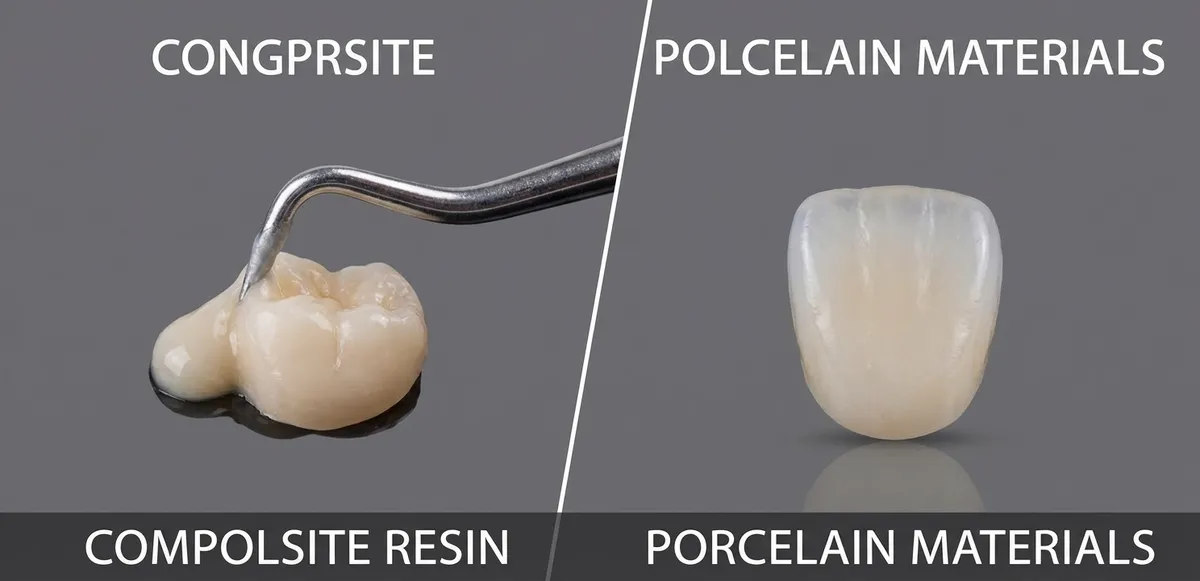
Composite veneers, often called direct veneers or composite bonding, are crafted from a specialised tooth-coloured resin material. This is the same type of material frequently used for cosmetic dental bonding and filling cavities. The primary characteristic of this procedure is that the veneers are built directly onto your teeth in a single dental visit.
The Material and Application Process
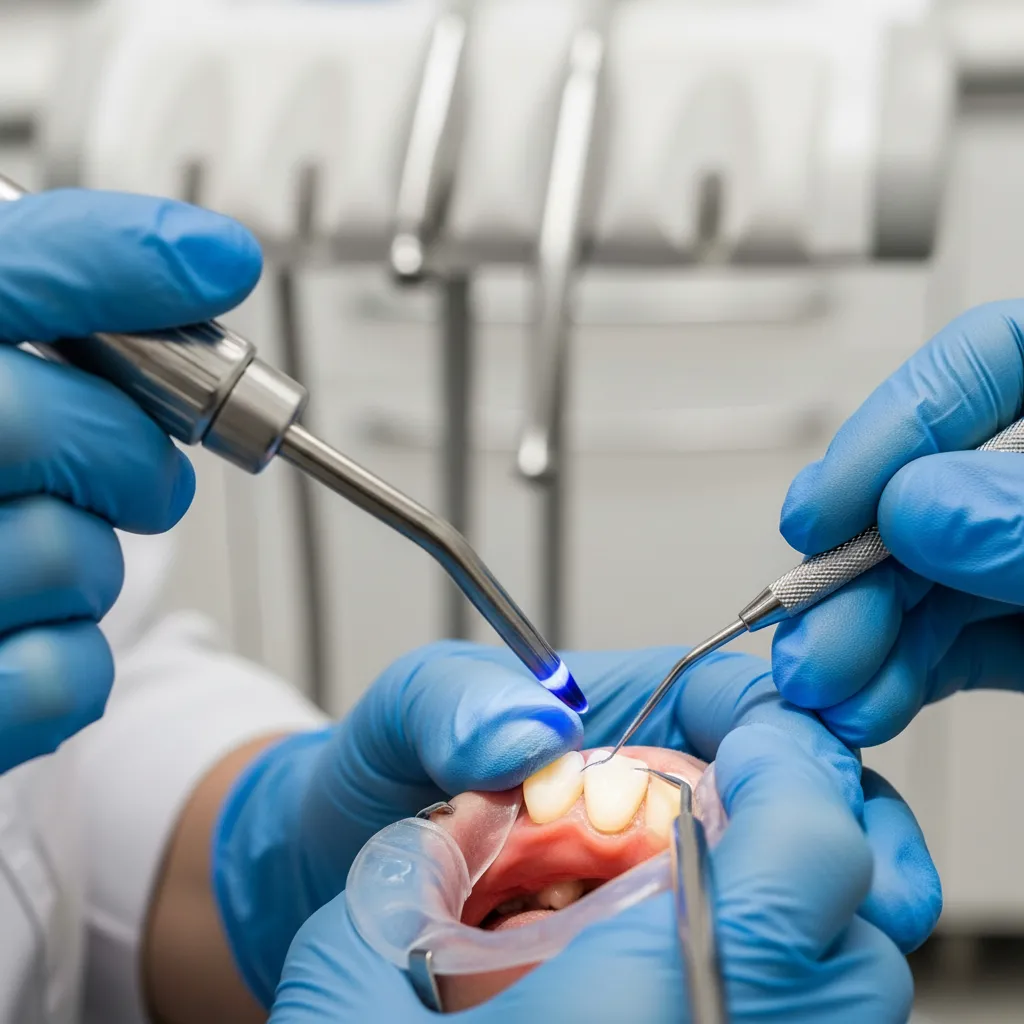
The process for placing composite veneers is a meticulous art performed chairside by a skilled cosmetic dentist. It typically involves several steps within one appointment. First, the dentist will slightly etch the surface of the tooth to create a rough texture, which helps the bonding agent adhere more securely. A bonding agent is then applied. Following this, the dentist will apply the composite resin, which has a putty-like consistency, in layers. They will expertly sculpt and shape the material on your tooth to achieve the desired look. A special high-intensity light is used to cure or harden each layer of the composite. This process is repeated until the ideal shape and thickness are achieved. The final step involves carefully polishing the veneer to a smooth, natural-looking finish that blends seamlessly with the surrounding teeth. In many cases, little to no natural tooth enamel needs to be removed, making it a minimally invasive procedure.
Key Advantages and Considerations
The primary appeal of composite veneers lies in their speed and affordability. They are significantly less expensive than their porcelain counterparts, making a smile transformation more accessible. The single-visit application means you can walk out of the dental office with a brand-new smile in just a few hours. Furthermore, the procedure is often reversible because it requires minimal alteration of the underlying tooth. Another major benefit is repairability; if a composite veneer chips, it can usually be easily and quickly repaired by the dentist. However, the material is more porous than porcelain, making it more susceptible to staining over time. They also have a shorter lifespan, typically lasting between 5 and 7 years before needing replacement or significant touch-ups.
Exploring the World of Porcelain Veneers
Porcelain veneers represent the premium standard in cosmetic smile enhancement. They are thin shells of advanced dental ceramic that are custom-fabricated in a dental laboratory to fit each tooth perfectly. Known for their incredible strength and lifelike appearance, they are the preferred choice for patients seeking the most durable and aesthetically superior result.
The Material and Procedure
The journey to getting porcelain veneers is an indirect process that requires at least two dental appointments. During the first visit, the dentist prepares the teeth by removing a very thin layer of enamel from the front surface. This is a crucial step to ensure the veneers fit flush with the gum line and do not look bulky. Once the teeth are prepared, the dentist takes a precise impression or digital scan of your teeth. This impression is sent to a specialised dental laboratory where a master technician will fabricate your custom veneers. This fabrication process can take a couple of weeks, during which you will wear temporary veneers to protect your prepared teeth.
At the second appointment, the temporary veneers are removed. The dentist will then place the final porcelain veneers on your teeth to check the fit and colour. After any necessary adjustments are made, the teeth are cleaned, and the veneers are permanently bonded into place using a strong dental cement.
Why Patients Opt for Porcelain
The main reasons patients choose porcelain are its natural-looking aesthetics and durability. Porcelain has a translucent quality that perfectly mimics the way natural tooth enamel reflects light, resulting in an incredibly lifelike and vibrant appearance. Moreover, the ceramic material is non-porous and extremely resistant to staining, ensuring your smile stays bright for years. A comprehensive scientific review of dental veneers highlights their high success rate and patient satisfaction when properly placed. With proper care and maintenance, porcelain veneers can last for 15 years or even longer, making them a fantastic long-term investment in your smile and confidence.
Composite vs. Porcelain Veneers: A Head-to-Head Comparison
Choosing between these two excellent options requires weighing their pros and cons against your personal priorities. The table below provides a clear, side-by-side comparison of the most important factors.
| Feature | Composite Veneers | Porcelain Veneers |
|---|---|---|
| Material | Engineered composite resin (plastic and glass mixture) | High-quality dental porcelain (ceramic) |
| Procedure Time | Typically completed in one dental visit (direct application) | Requires two or more dental visits (indirect, lab-fabricated) |
| Cost | More affordable per tooth than porcelain, depending on the clinic | Higher initial investment, considered a premium treatment |
| Durability & Lifespan | Less durable, lasts approximately 5-7 years | Extremely durable and strong, lasts 10-15+ years |
| Aesthetics | Very good aesthetics, but can look less natural over time | Superior, lifelike aesthetics with natural translucency |
| Stain Resistance | Porous material, more susceptible to staining over time | Non-porous material, highly resistant to stains |
| Tooth Preparation | Minimal to no enamel removal required | A small amount of enamel must be removed permanently |
| Repairability | Easily and quickly repaired if chipped or damaged | Difficult to repair; often requires full replacement if damaged |
Making the Right Choice for Your Smile
Ultimately, the best veneer is the one that fits your clinical needs, cosmetic desires, and financial circumstances. An in-depth consultation with an experienced cosmetic dentist is the most critical step in this process. A dentist will perform a thorough evaluation of your oral health, discuss your aesthetic goals in detail, and help you understand which option will provide the best outcome for you. This decision is a key component of a larger cosmetic plan, as a full smile makeover includes many potential treatments that must work in harmony.
An ideal candidate for composite veneers may be someone looking for a quick and cost-effective solution for minor imperfections, such as a small chip or slight discolouration. They are also a great option for younger patients or those who are hesitant about permanently altering their natural teeth. In contrast, porcelain veneers are the recommended choice for individuals seeking a complete and lasting smile transformation, who prioritise maximum durability and the most natural-looking results possible. They are the gold standard for correcting more significant cosmetic issues and for patients who want a beautiful, low-maintenance smile that will stand the test of time.