The Cost of Veneers in the UK Explained
Checked by our editorial team. Clinical review by a dentist: planned, not yet done for this article.

The Cost of Veneers in the UK Explained in detail for anyone considering this transformative cosmetic dental procedure. Veneers are a premier solution for achieving a flawless smile, capable of correcting a wide range of imperfections, from stubborn discolouration to chips, gaps, and minor misalignment. However, the investment required is a significant consideration for most patients. The price is not a single figure but a spectrum influenced by numerous critical factors, including the material used, the expertise of the clinician, and the complexity of the individual case. Understanding these variables is the first step towards making an informed decision about your dental health and aesthetic goals.

What Factors Influence the Price of Dental Veneers?
The final quotation for veneer treatment is never arbitrary. It is a carefully calculated figure based on several key components that determine the quality, longevity, and aesthetic outcome of the procedure. A cheap veneer is rarely a good veneer, and understanding why the price varies is essential for appreciating the value of a high-quality smile transformation.
Type of Veneer Material
The single most significant factor dictating the cost is the material from which the veneer is crafted. The two primary choices in modern dentistry are porcelain and composite resin, each with a distinct price point and set of characteristics.
Porcelain Veneers: These are the gold standard in cosmetic dentistry. Fabricated in a dental laboratory from high-grade ceramic, porcelain veneers offer good durability, a natural, translucent appearance that mimics tooth enamel, and exceptional resistance to staining. Their non-porous surface means they will not discolour from coffee, tea, or red wine. This quality and the intricate lab process required to create them make them the more expensive option.
Composite Veneers: Also known as direct veneers, these are made from a tooth-coloured resin material that is applied directly to the tooth surface and sculpted into shape by the dentist in a single visit. This method is less invasive and more affordable than porcelain. While modern composites offer excellent aesthetic results, they are not as durable or stain-resistant as porcelain and may require more frequent maintenance or replacement. The debate over which is superior depends on individual patient needs, budget, and long-term goals. For those weighing their options, understanding whether composite veneers are better than porcelain veneers is a crucial step in the decision-making process.
The Dentist’s Expertise and Clinic Location
The skill and experience of the cosmetic dentist performing the procedure play a crucial role in the cost. A highly sought-after dentist with specialised training in aesthetic dentistry and a portfolio of successful cases will naturally command a higher fee. This premium reflects their expertise in smile design, tooth preparation, and the delicate bonding process, all of which are critical for a natural-looking and long-lasting result. Similarly, the clinic’s geographical location impacts the price. A practice in a major metropolitan area like London or Manchester with higher overheads will typically charge more than a clinic in a smaller town.
Number of Veneers and Case Complexity
Veneers are priced on a per-tooth basis. Therefore, the total cost is directly proportional to the number of veneers required. A patient needing a single veneer to correct a chipped front tooth will have a much lower total cost than someone undergoing a full smile makeover, which often involves placing eight to ten veneers on the upper arch of teeth. Furthermore, the complexity of the case can add to the cost. If a patient has significant misalignment or requires preliminary treatments such as gum contouring or teeth whitening on adjacent teeth to ensure a uniform result, these procedures will be factored into the overall treatment plan and price.
A Detailed Breakdown of the Cost of Veneers in the UK
Providing an exact figure for dental veneers is challenging due to the variables mentioned above. However, it is possible to provide a general price range that patients in the UK can expect. These figures represent an average and can fluctuate based on the specific clinic and patient circumstances. The following table offers a comparative overview of the typical costs and features of porcelain and composite veneers.
| Feature | Porcelain Veneers | Composite Veneers |
|---|---|---|
| Typical Lifespan | 10 – 20 years | 5 – 7 years |
| Stain Resistance | Excellent | Moderate (can discolour over time) |
| Aesthetics & Natural Look | Superior (light-reflecting properties) | Very Good (can look less natural over time) |
| Treatment Time | 2-3 appointments | 1 appointment |
| Durability | Very strong and chip-resistant | Less durable, more prone to chipping |
As the table illustrates, the upfront investment for porcelain veneers is significantly higher. Because veneers are priced per tooth, a set of eight porcelain veneers multiplies that difference, and a composite set usually costs noticeably less up front. While the initial saving with composite is attractive, it is vital to consider the long-term cost. Composite veneers may need to be replaced or polished more frequently, which can accumulate costs over the lifespan of a porcelain alternative.
The Veneer Treatment Process: What to Expect
The journey to a new smile with veneers follows a structured, multi-step process designed to ensure a perfect fit and a beautiful, natural-looking outcome. Understanding these steps can help demystify the procedure and manage expectations.
The Initial Consultation
This first appointment is a comprehensive discussion with your cosmetic dentist. You will talk about your aesthetic goals, and the dentist will conduct a thorough examination of your teeth and gums to determine your suitability for veneers. This may involve taking X-rays and photographs. The dentist will explain the differences between material options and formulate a personalised treatment plan, including a detailed cost breakdown.
Tooth Preparation and Impressions
For traditional porcelain veneers, this appointment is when the physical work begins. The dentist will administer a local anaesthetic to ensure your comfort before carefully removing a very thin layer of enamel from the front surface of the teeth—typically less than 0.5mm. This step is crucial as it creates space for the veneer to sit flush with your other teeth, preventing a bulky look. Once the teeth are prepared, the dentist will take a precise impression or digital scan, which is sent to a specialised dental laboratory where your custom veneers will be meticulously crafted. You will be fitted with temporary veneers to protect the prepared teeth while you wait.
The Final Bonding Appointment
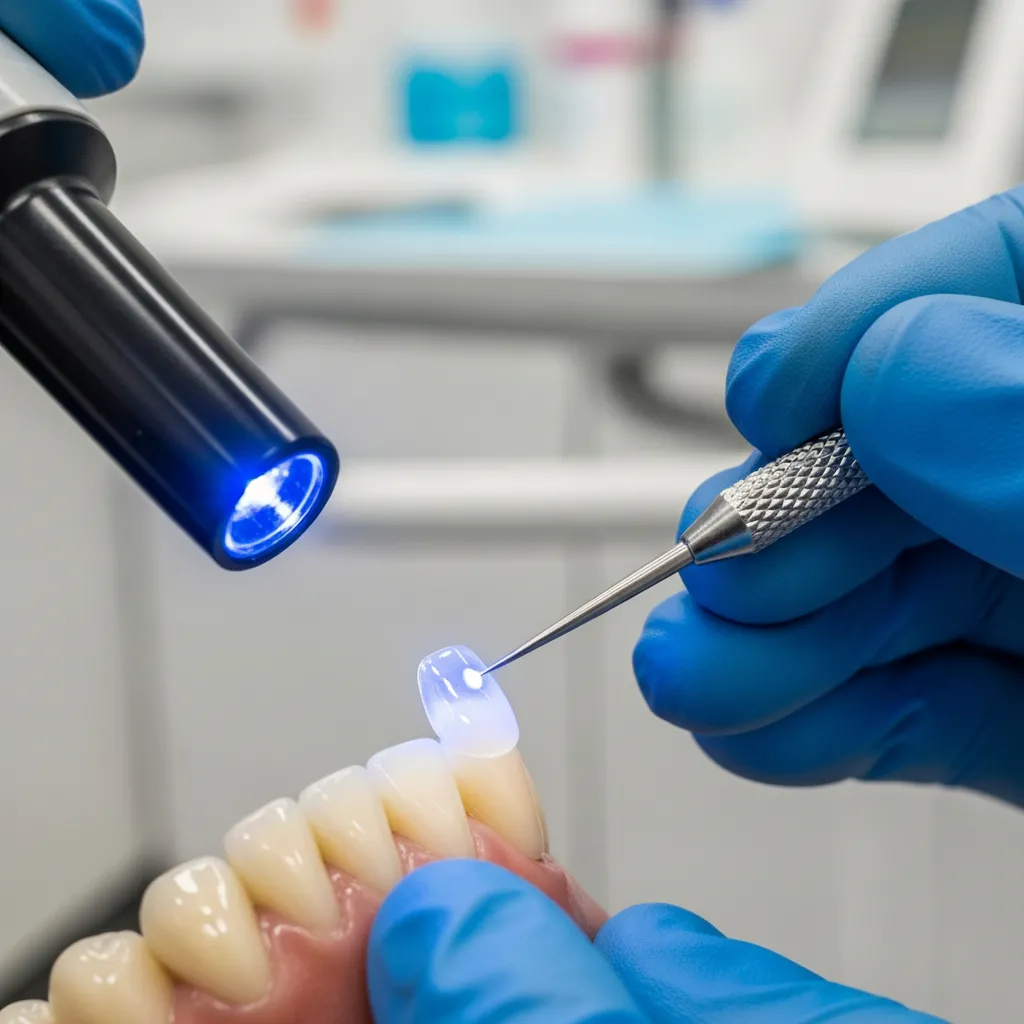
After a week or two, your bespoke porcelain veneers will arrive from the lab. At this final appointment, the temporary veneers are removed, and your teeth are cleaned. The dentist will place the permanent veneers on your teeth to check the fit and colour before bonding them permanently. If everyone is happy, the teeth are then etched with a mild acidic gel to create a rough surface for a strong bond. A special dental cement is applied to the veneer, which is then placed on the tooth. A high-intensity curing light is used to harden the cement, permanently securing the veneer in place. Any excess cement is removed, and your bite is checked to ensure perfect function and comfort.
Long-Term Value and Maintenance of Veneers
Investing in dental veneers is not just about the upfront cost; it’s about the long-term value they provide in terms of aesthetics, function, and confidence. The durability of modern dental ceramics is remarkable. Clinical studies have consistently shown high success rates for veneers over many years. According to a comprehensive review, the success of dental veneers is very high, with many lasting well beyond a decade when properly cared for. This longevity makes the initial investment in high-quality materials like porcelain a sound one.
Maintaining your veneers is straightforward and does not require any complex routines beyond excellent oral hygiene. You should treat them as you would your natural teeth: brush twice daily with a non-abrasive toothpaste, floss daily, and attend regular check-ups and cleanings with your dentist and hygienist. While veneers are strong, they are not indestructible. It is wise to avoid biting down on extremely hard objects like ice, pens, or fingernails and to wear a mouthguard if you play contact sports or suffer from teeth grinding (bruxism) at night. By following these simple maintenance steps, you can protect your investment and enjoy your beautiful, confident smile for many years to come.
This guide compares porcelain and composite veneers. For what a full UK veneer quote should include, see how much veneers cost in the UK; for one city, see veneers cost in Manchester.