Composite Bonding UK – Procedure Explained
Checked by our editorial team. Clinical review by a dentist: planned, not yet done for this article.

Composite Bonding UK – Procedure Explained
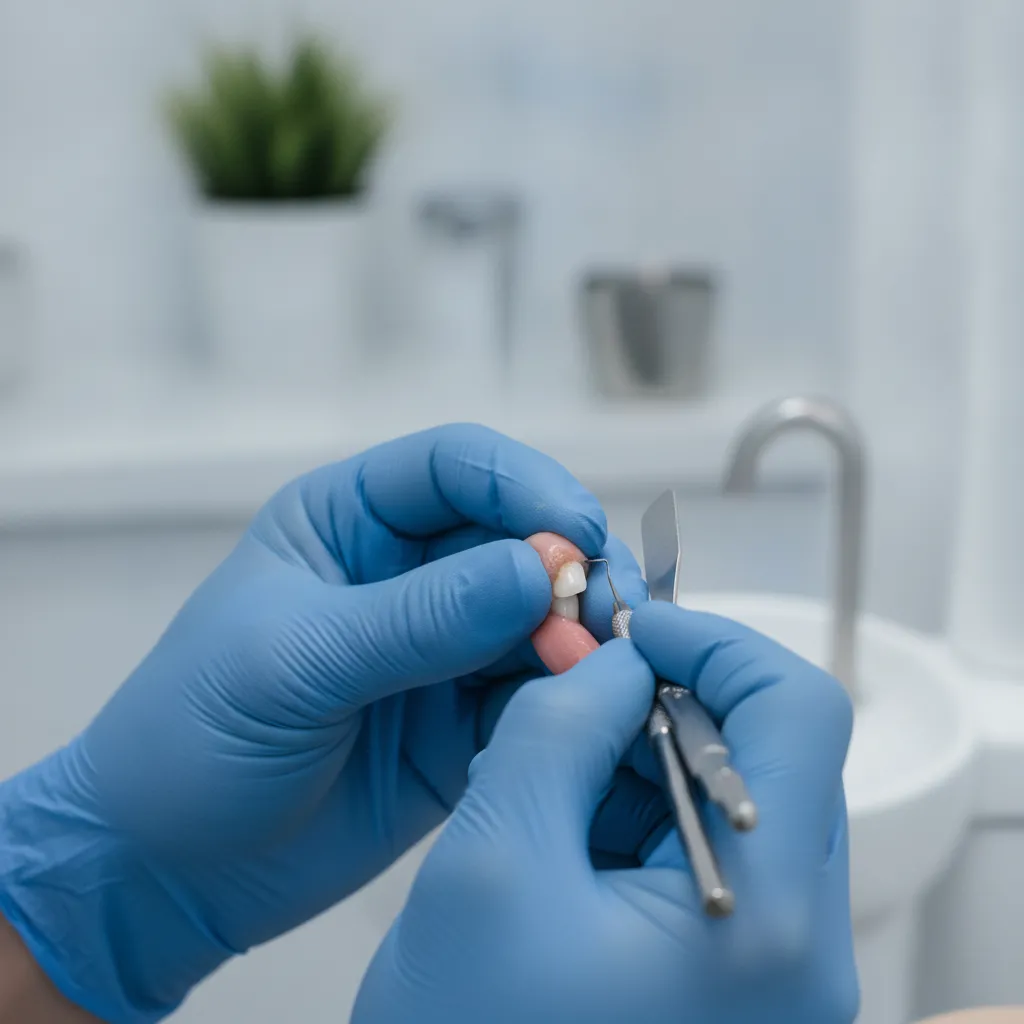
Composite bonding has emerged as a revolutionary cosmetic dental solution, offering a minimally invasive yet highly effective way to transform smiles across the United Kingdom. For those looking to address minor aesthetic concerns without undergoing more extensive or irreversible procedures, composite bonding presents an appealing alternative. This versatile treatment uses a tooth-coloured resin material, expertly applied and sculpted by a dental professional, to repair, reshape, and enhance the appearance of teeth. It’s a testament to advancements in modern dentistry, allowing for meticulous detailing and natural-looking results that seamlessly blend with existing dentition. The growing popularity of composite bonding in the UK stems from its ability to deliver significant aesthetic improvements, often in a single visit, making it a convenient and accessible option for many.
What Exactly is Composite Bonding?
At its core, composite bonding is a cosmetic dental procedure involving the application of a composite resin material directly to the surface of a tooth. This resin, a blend of plastic and fine glass particles, is specifically formulated to mimic the natural translucency and texture of tooth enamel. Its flexibility allows dentists to meticulously mould and shape it, correcting a range of dental imperfections. The procedure is known for its conservative approach, typically requiring little to no removal of healthy tooth structure, which sets it apart from treatments like veneers or crowns. This preservation of natural tooth tissue is a significant advantage, maintaining the integrity and strength of the underlying tooth while improving its outward appearance. Once the resin is sculpted to the desired form, it is hardened with a special light and then polished to a high sheen, resulting in a durable and aesthetically pleasing restoration.
Common applications for composite bonding include:
- Repairing chipped or cracked teeth
- Closing small gaps between teeth (diastemas)
- Changing the shape of teeth to create a more uniform smile
- Masking discolouration or stains that don’t respond to whitening
- Protecting exposed tooth roots due to gum recession
- Making teeth appear longer or wider for aesthetic balance
The Composite Bonding UK Procedure: A Detailed Breakdown
Understanding the steps involved in composite bonding can help alleviate any concerns and set expectations for the treatment journey. While the process is straightforward and typically completed within a single appointment, each stage requires precision and expertise from your dental practitioner. The following table provides an high-level overview, followed by a more detailed explanation of each crucial step.
| Step | Description |
|---|---|
| 1. Initial Consultation & Planning | Assessment of oral health, discussion of aesthetic goals, and suitability evaluation. |
| 2. Shade Matching | Selection of a composite resin colour that perfectly matches the surrounding natural teeth. |
| 3. Minimal Tooth Preparation | Gentle cleaning of the tooth surface, often followed by a mild etching solution for adhesion. |
| 4. Application & Sculpting | The resin is applied in layers, meticulously shaped and moulded to achieve the desired form. |
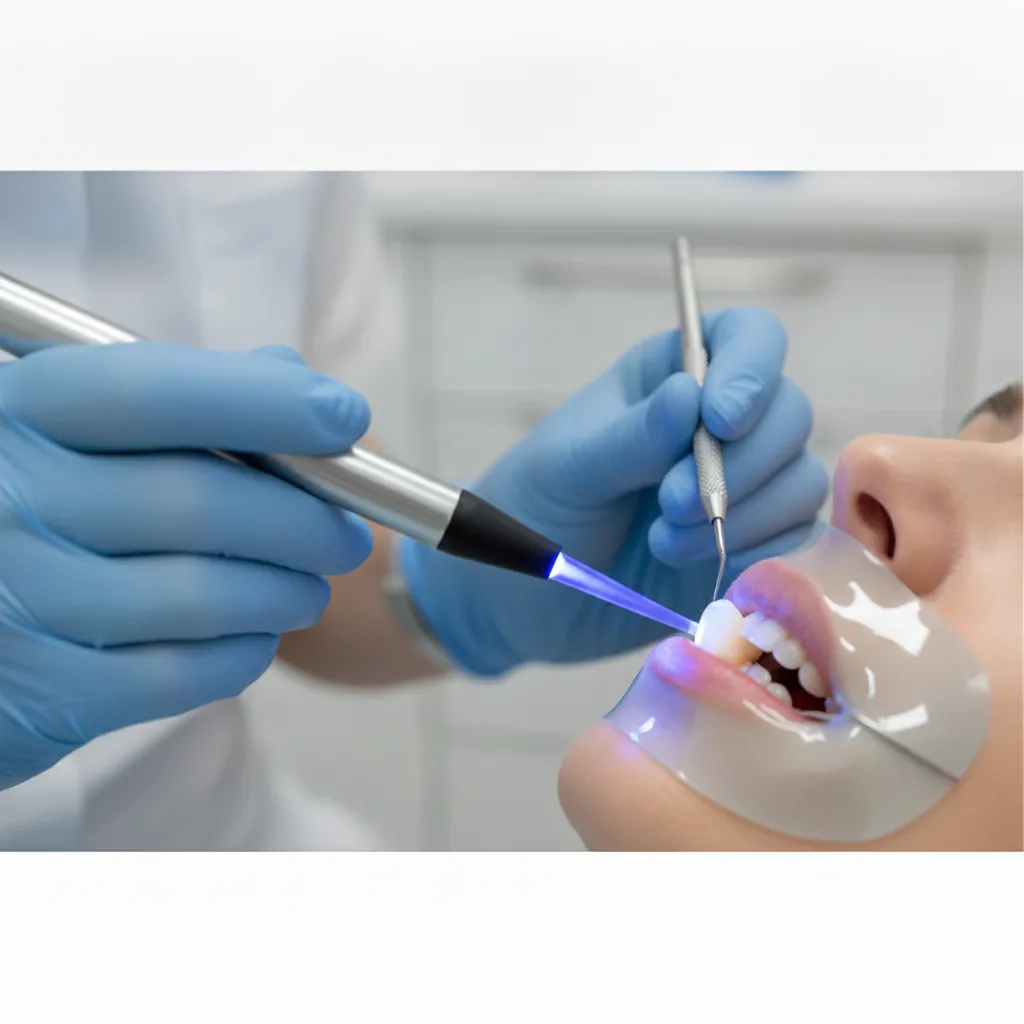
| 5. Curing (Hardening) | A special blue light is used to rapidly harden and bond the composite resin to the tooth. |
| 6. Polishing & Finishing | The bonded tooth is refined, smoothed, and polished to a natural, lustrous finish. |
In-Depth Look at Each Stage:
- Initial Consultation and Planning: This foundational step is crucial. Your dentist will conduct a thorough examination of your oral health, discuss your smile aspirations, and assess whether composite bonding is the most appropriate treatment for your specific needs. X-rays may be taken, and photographs often aid in planning and visualising potential outcomes. It’s an opportunity to ask questions and ensure you’re fully informed.
- Shade Matching: To ensure the bonded tooth blends seamlessly with your natural teeth, the dentist will use a shade guide to select a composite resin colour that is virtually indistinguishable from your existing enamel. This precision is vital for achieving a truly natural and harmonious result.
- Minimal Tooth Preparation: One of the most attractive aspects of composite bonding is its conservative nature. Unlike other procedures, extensive tooth reduction is rarely necessary. The tooth surface will be thoroughly cleaned, and a mild phosphoric acid solution may be applied for a few seconds. This etching process creates microscopic pores on the enamel, enhancing the mechanical bond between the tooth and the resin, thereby ensuring long-lasting adherence.
- Application and Sculpting: Following etching and rinsing, a conditioning liquid (bonding agent) is applied to the tooth. The composite resin, which has a putty-like consistency, is then carefully applied in thin layers directly onto the tooth surface. The dentist meticulously shapes and sculpts the resin, using specialised instruments, to correct imperfections, fill gaps, or alter the tooth’s form, aiming for an optimal aesthetic and functional outcome.
- Curing (Hardening): Once the desired shape is achieved, a high-intensity blue light, typically an LED or halogen curing light, is directed onto the resin. This light initiates a chemical reaction that rapidly hardens and polymerises the composite material, permanently bonding it to the tooth structure.
- Polishing and Finishing: The final stage involves refining the bonded tooth. The dentist will trim any excess material, meticulously smooth the surface, and polish it to a natural lustre. This step is critical for ensuring the bonded area feels comfortable, functions correctly, and reflects light just like your natural teeth, resulting in an imperceptible restoration.
Key Benefits of Choosing Composite Bonding
The widespread appeal of composite bonding in the UK is largely attributed to its compelling array of benefits that cater to both aesthetic desires and practical considerations.
- Minimally Invasive: Perhaps the most significant advantage, composite bonding requires little to no removal of healthy tooth enamel, preserving your natural tooth structure. This means the procedure is often reversible, providing peace of mind to many patients.
- Natural Aesthetic Results: The composite resin can be precisely matched to your natural tooth colour and expertly sculpted, resulting in a restoration that is virtually undetectable and blends seamlessly with your smile.
- Time-Efficient: Unlike treatments that require multiple appointments or laboratory fabrication, composite bonding can often be completed in a single dental visit, making it a convenient option for those with busy schedules.
- Cost-Effective Solution: Generally, composite bonding is a more affordable cosmetic dental treatment compared to veneers or crowns, offering a significant smile upgrade without a prohibitive financial investment.
- Reversibility: Because minimal tooth structure is altered, composite bonding can often be reversed or easily modified if needed in the future, offering flexibility that other irreversible treatments do not.
Who is an Ideal Candidate for Composite Bonding?
Composite bonding is an excellent solution for individuals with minor to moderate cosmetic dental imperfections. Ideal candidates typically have:
- Small chips or fractures on their front teeth.
- Minor gaps or spaces between teeth that they wish to close.
- Teeth that appear too short or uneven, requiring slight lengthening or reshaping.
- Persistent intrinsic stains or discolouration that cannot be removed through professional whitening.
- Exposed tooth roots due to gum recession, where bonding can offer protection and improve aesthetics.
It is important to note that for more extensive damage, severe misalignment, or significant bite issues, your dentist might recommend alternative treatments such as full mouth restoration, veneers, or orthodontic treatment. A comprehensive consultation will determine the most suitable approach for your unique situation.
Maintaining Your Composite Bonding: Longevity and Aftercare
While composite bonding offers durable results, its longevity largely depends on proper aftercare and oral hygiene. With diligent maintenance, your bonded teeth can maintain their aesthetic appeal for 5 to 10 years, or even longer. The resin material is strong but not as robust as natural tooth enamel or porcelain, making it susceptible to chipping or staining if not cared for correctly.
Key aftercare practices include:
- Diligent Oral Hygiene: Brush twice daily with a non-abrasive toothpaste and a soft-bristled brush. Floss daily to remove plaque and food particles from between teeth and around the bonded areas.
- Avoid Hard Foods and Objects: Refrain from biting down on extremely hard foods (e.g., ice, hard sweets, nuts) or non-food items (e.g., pens, fingernails). This can cause the composite material to chip or crack.
- Minimise Staining Agents: Coffee, tea, red wine, and tobacco can stain composite resin over time. While not entirely preventable, limiting exposure and rinsing your mouth after consuming these can help. Unlike natural tooth enamel, composite bonding does not respond to teeth whitening treatments, so maintaining its original shade is paramount.
- Regular Dental Check-ups: Schedule routine check-ups and professional cleanings with your dentist. They can monitor the condition of your bonding, perform any necessary touch-ups, and ensure your overall oral health remains optimal. Dental professionals use specialised tools and polishing pastes that are safe for composite materials.
- Consider a Night Guard: If you suffer from bruxism (teeth grinding or clenching), your dentist may recommend a custom-fitted night guard to protect your bonded teeth from excessive force and wear during sleep.
Comparing Composite Bonding with Other Cosmetic Treatments
When considering cosmetic dentistry, patients often weigh composite bonding against other popular options like porcelain veneers or dental crowns. While all aim to improve smile aesthetics, they differ significantly in their application, cost, durability, and invasiveness.
- Composite Bonding vs. Porcelain Veneers: Veneers are thin, custom-made shells of porcelain that are permanently bonded to the front surface of teeth. They offer superior stain resistance and durability compared to composite bonding and can address more significant aesthetic issues. However, veneers are more expensive, require more tooth preparation (which is irreversible), and typically involve multiple appointments. Composite bonding is often preferred for minor corrections due to its conservative nature and lower cost.
- Composite Bonding vs. Dental Crowns: Crowns are caps that cover the entire tooth, primarily used for extensively damaged or weakened teeth, providing strength and protection. They are the most invasive of the three, requiring substantial tooth reduction. While highly durable and long-lasting, crowns are a restorative treatment first and a cosmetic one second, whereas composite bonding is almost purely cosmetic for minor issues.
The choice between these treatments depends on the extent of the dental problem, aesthetic goals, budget, and the patient’s willingness for tooth preparation. Your dentist will guide you through the pros and cons of each, helping you make an informed decision.
Understanding the Investment: Composite Bonding Costs in the UK
The cost of composite bonding in the UK can vary significantly based on several factors, including the number of teeth being treated, the complexity of the case, the dentist’s experience and location, and the clinic’s overheads. Generally, bonding is considered a more budget-friendly option compared to porcelain veneers or crowns. While specific figures can only be provided after a consultation, it’s important to view this as an investment in your oral health and confidence. Many clinics offer payment plans to make cosmetic treatments more accessible. It is always advisable to obtain a detailed quote after your initial assessment to understand the full financial commitment.
Choosing a Reputable Dental Clinic for Your Composite Bonding UK
Selecting the right dental professional is paramount to achieving successful and long-lasting composite bonding results. Given the artistic and technical skill required for this procedure, it’s essential to choose a dentist with extensive experience and a keen eye for aesthetics. Look for clinics that prioritise patient education and provide comprehensive consultations, allowing you to clearly articulate your goals and understand the treatment plan. Ask the dentist how often they carry out bonding and what maintenance they recommend afterwards. Ensure the clinic uses high-quality composite materials and maintains rigorous sterilisation standards. Asking about the dentist’s experience with cosmetic procedures and their approach to achieving natural-looking results can provide valuable insight. Your comfort and trust in your chosen dental team are key factors in a positive treatment experience. For further information on enhancing your smile, you may find valuable insights from resources such as Wikipedia on Dental Bonding.
Composite bonding offers an exceptional pathway to a brighter, more confident smile without the need for aggressive dental work. Its ability to subtly yet significantly improve dental aesthetics makes it a preferred choice for countless individuals seeking refined results. By understanding the procedure, its benefits, and the importance of expert care, you can embark on your journey towards a rejuvenated smile with confidence.