Best Cosmetic Dentists UK (2026 Guide)
Checked by our editorial team. Clinical review by a dentist: planned, not yet done for this article.

Choosing a Cosmetic Dentist in the UK (2026 Guide)
The quest for a radiant, confident smile is a journey many embark upon, leading them to the specialised world of cosmetic dentistry. In the United Kingdom, the demand for aesthetic dental treatments has surged, reflecting a societal shift towards valuing not just oral health, but also the visual appeal of one’s teeth. Cosmetic dentistry is far more than just surface-level enhancements; it’s an intricate blend of art and science aimed at improving the aesthetics of your smile while maintaining or even enhancing its function and overall oral health. From subtle changes to major transformations, the impact of a well-executed cosmetic dental procedure can be profound, boosting self-esteem and leaving a lasting positive impression. This guide delves into what truly defines excellence in this field, helping you navigate the options available and understand what to look for when seeking the leading practitioners in the UK.
Understanding Cosmetic Dentistry: Beyond Aesthetics
Cosmetic dentistry focuses on improving the appearance of teeth, gums, and bite. While general dentistry addresses oral hygiene and the prevention, diagnosis, and treatment of oral diseases, cosmetic dentistry primarily focuses on improving dental aesthetics in terms of colour, position, shape, size, alignment, and overall smile appearance. However, the line between general and cosmetic dentistry often blurs, as many cosmetic procedures also offer restorative benefits. For example, a dental crown can not only improve the shape and colour of a tooth but also strengthen it, preventing further damage. Similarly, dental implants replace missing teeth, restoring both function and aesthetic harmony.
The Evolution of Cosmetic Dental Treatments
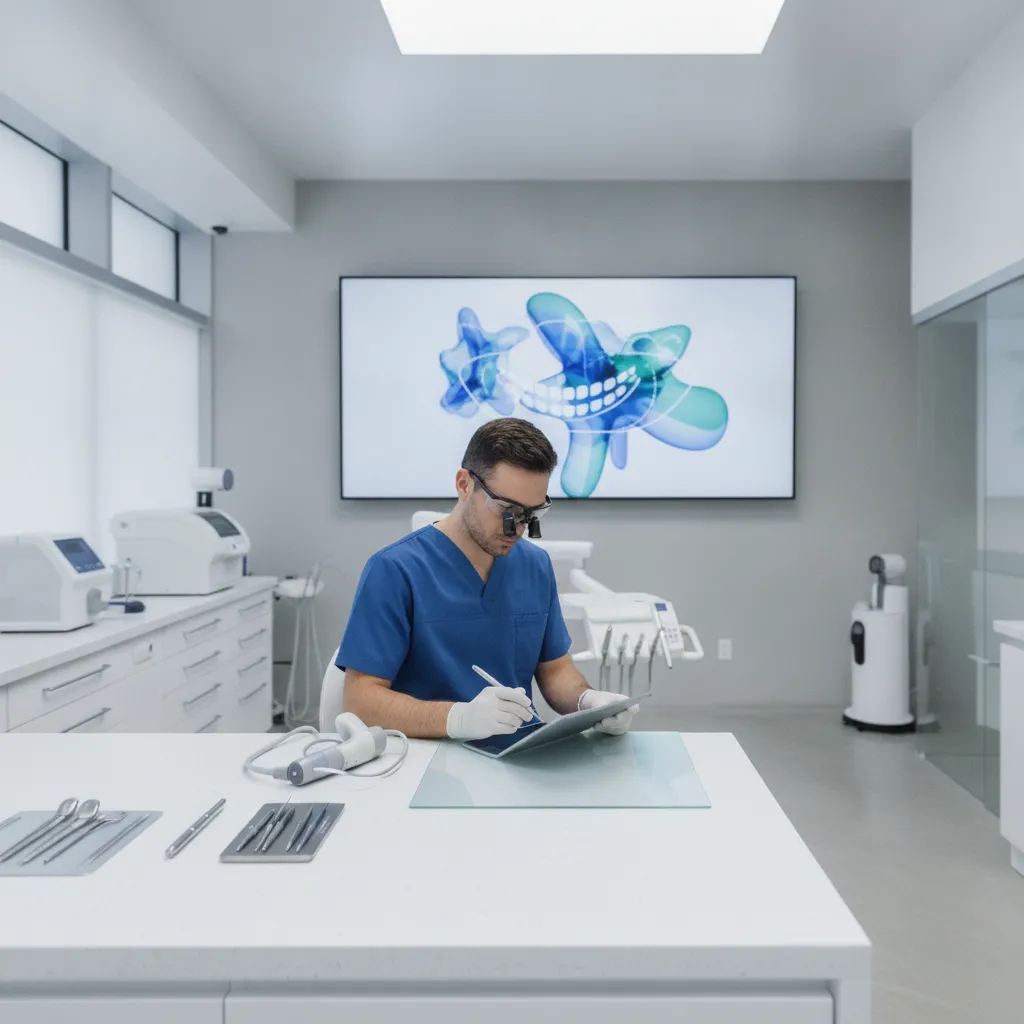
Modern cosmetic dentistry has come a long way from simple tooth fillings. Advances in materials, technology, and techniques have revolutionised what’s possible. Today, patients have access to an array of sophisticated treatments, from minimally invasive bonding to comprehensive smile makeovers. Digital dentistry, including 3D imaging and CAD/CAM technology, allows for precise planning and predictable outcomes, ensuring that patients can often visualise their new smile before treatment even begins. This technological leap has made procedures more efficient, less invasive, and results more natural-looking and durable. The emphasis is now on creating a smile that not only looks beautiful but also complements the patient’s facial features and overall well-being.
What Defines the Best Cosmetic Dentists UK?
Identifying the best cosmetic dentists in the UK requires a comprehensive look at several critical factors. It’s not merely about technical skill, but also about a holistic approach to patient care, a keen artistic eye, and a commitment to ongoing professional development. Patients seeking significant improvements to their smile deserve practitioners who embody these qualities at every stage of their treatment journey.
Qualifications and Specialisations
Exemplary cosmetic dentists possess extensive qualifications beyond basic dental training. This often includes advanced certifications in specific aesthetic procedures, memberships in prestigious dental academies (such as the British Academy of Cosmetic Dentistry or the American Academy of Cosmetic Dentistry), and a commitment to continuous learning through workshops and seminars. A specialist might have a particular focus, such as veneers, orthodontics, or full mouth rehabilitation, demonstrating a deeper level of expertise in these areas. Always inquire about a dentist’s specific training and experience in the treatments you are considering.
Advanced Technology and Techniques
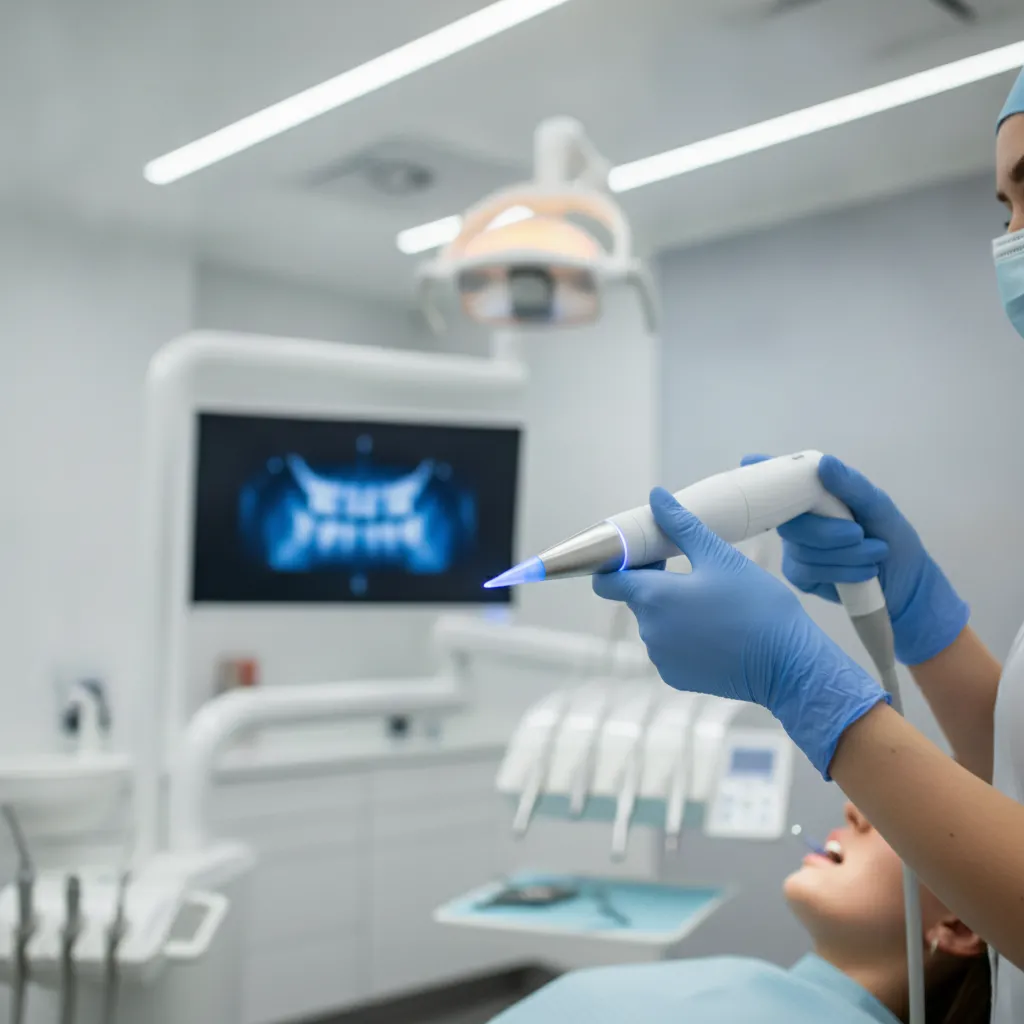
The landscape of cosmetic dentistry is constantly evolving. Many cosmetic practices use digital planning tools, which can help with precise planning. This includes digital smile design software, intraoral scanners for impression-free appointments, laser dentistry for minimally invasive soft tissue procedures, and advanced imaging systems like CBCT scans for complex cases such as dental implants. Dentists who regularly adopt and master these innovations are better equipped to provide efficient, predictable, and comfortable treatments.
Patient-Centric Care and Communication
Beyond technical skill, a good cosmetic dentist also pays close attention to patient care. This involves active listening, clear communication, and a genuine understanding of a patient’s desires and concerns. A thorough consultation process where all options are explained, risks and benefits are discussed transparently, and a personalised treatment plan is co-created, is paramount. Exceptional patient care also encompasses a supportive and comfortable clinic environment, empathetic staff, and comprehensive aftercare instructions. The best practitioners ensure patients feel informed, comfortable, and confident throughout their entire experience.
Portfolio of Success: Before & After Cases
A strong portfolio of before-and-after cases is a tangible indicator of a cosmetic dentist’s skill and artistic vision. These examples provide prospective patients with visual evidence of the dentist’s ability to achieve diverse aesthetic goals. It’s important to review cases that are similar to your own desired outcome, as this can give you a realistic expectation of the potential results. Reviews can be selective, so give more weight to verifiable checks such as GDC registration and a written treatment plan.
Key Cosmetic Dental Procedures and Their Benefits
The range of cosmetic dental treatments available today allows for tailored solutions to almost any aesthetic concern. Understanding these procedures is key to making informed decisions.
Dental Veneers: A Complete Transformation
Dental veneers are thin, custom-made shells of tooth-coloured materials, typically porcelain or composite resin, designed to cover the front surface of teeth. They are ideal for correcting a multitude of issues, including discoloured, chipped, misaligned, uneven, or abnormally spaced teeth. Porcelain veneers are known for their durability and ability to mimic the light-reflecting properties of natural tooth enamel, offering a dramatic and long-lasting smile transformation. The procedure usually involves minimal tooth preparation, followed by bonding the veneers to the teeth.
Composite Bonding: The Minimally Invasive Option
Composite bonding involves applying a tooth-coloured resin material to the teeth, which is then sculpted, hardened with a special light, and polished to restore a tooth’s natural appearance. It’s a highly versatile and minimally invasive procedure, often performed in a single visit. Bonding is excellent for repairing chipped teeth, closing small gaps, changing the shape of teeth, or covering discoloured areas. It’s a less expensive alternative to veneers and often requires little to no removal of natural tooth structure.
Professional Teeth Whitening: Brightening Your Smile
Teeth whitening is one of the most popular and straightforward cosmetic dental procedures. Professional whitening treatments, performed in a dental office or with custom-made trays for home use, utilise stronger, safer bleaching agents than over-the-counter products. This effectively removes stains and discolouration, significantly brightening the shade of your teeth. It’s a quick and effective way to rejuvenate your smile.
Dental Implants and Crowns: Restoring Function and Form
While primarily restorative, dental implants and crowns play a crucial role in cosmetic dentistry when dealing with missing or severely damaged teeth. Dental implants are titanium posts surgically placed into the jawbone to serve as stable roots for artificial teeth. They are then topped with custom-made crowns, bridges, or dentures, restoring both the functional chewing ability and the natural appearance of the smile. Crowns, or “caps,” cover the entire visible portion of a damaged tooth, improving its shape, size, strength, and appearance. They can be made from various materials, including porcelain, ceramic, or metal, often matched to the natural shade of surrounding teeth. Understanding that restoring missing or damaged teeth through implants or crowns can also dramatically enhance smile aesthetics is vital. You can learn more about comprehensive dental solutions by exploring options for cosmetic dentistry procedures.
The Patient Journey: From Consultation to Dazzling Smile
The path to a transformed smile typically begins with a thorough consultation, which is a critical step in defining the patient’s aesthetic goals and assessing their oral health. During this initial appointment, the dentist will conduct a comprehensive examination, including X-rays and possibly 3D scans, to evaluate the condition of teeth, gums, and jawbone. This detailed assessment ensures that any underlying issues, such as gum disease or cavities, are addressed before cosmetic treatment begins, so that aesthetic work starts from a healthy foundation.
Following the examination, the dentist will engage in an in-depth discussion with the patient about their desires, concerns, and lifestyle. This collaborative approach allows for the creation of a personalised treatment plan that aligns with the patient’s expectations and budget. Technologies like digital smile design enable patients to preview their potential results, offering a powerful visualisation tool that builds confidence and clarity. The treatment plan will outline the specific procedures, the timeline, the expected outcomes, and any associated costs, ensuring full transparency.
Once the treatment plan is agreed upon, the journey unfolds according to the chosen procedures. This could involve multiple appointments for complex cases like veneers or implants, or a single visit for simpler treatments like composite bonding or teeth whitening. Throughout this process, a good cosmetic dentist will prioritise patient comfort, using modern pain management techniques and creating a relaxing environment. Post-treatment care is equally important; clear instructions for maintaining the new smile, along with regular follow-up appointments, are provided to ensure the longevity and health of the results. The ultimate goal is not just a beautiful smile but one that is healthy, functional, and boosts the patient’s confidence for years to come.
The cost of cosmetic dentistry in the UK can vary significantly depending on the complexity of the treatment, the number of teeth involved, the materials used, and the experience and location of the dentist. Procedures like professional teeth whitening are generally less expensive than comprehensive treatments such as multiple porcelain veneers or dental implants. It’s essential for patients to receive a detailed breakdown of all costs upfront, including consultations, procedures, laboratory fees, and follow-up care.
Many cosmetic dental practices offer various payment options, including financing plans, to make treatments more accessible. While cost is an important factor, it should not be the sole determinant in choosing a cosmetic dentist. Prioritising quality, experience, and patient safety ensures that the investment in your smile yields lasting and satisfying results. A cheap procedure that compromises on quality can lead to long-term issues and additional expenses.
Choosing the right cosmetic dentist is a decision that impacts not only your appearance but also your oral health and overall well-being. By carefully considering qualifications, technology, patient care, and a proven track record, individuals can confidently select a practitioner who will help them achieve the smile of their dreams. The field of aesthetic dentistry continues to advance, offering increasingly sophisticated and natural-looking solutions for anyone looking to enhance their smile.
For a step-by-step checklist, see how to choose a cosmetic dentist.
Frequently asked questions
How can I check a cosmetic dentist in the UK?
Search the General Dental Council's online register to confirm the dentist is registered. 'Cosmetic dentist' is not a protected specialist title, so ask about their training and experience with the treatment you want.
What should a cosmetic treatment plan include?
A written plan should list the treatments, the teeth involved, the materials, the number of appointments, the risks, the alternatives and the total fee, including follow-up care.
Should I consider less invasive options first?
Often, yes. Whitening, bonding or orthodontic treatment may improve the appearance without removing tooth structure, and a good dentist will explain these alternatives.