How to Get a Perfect Smile with Cosmetic Dentistry
Checked by our editorial team. Clinical review by a dentist: planned, not yet done for this article.

How to Get a Perfect Smile with Cosmetic Dentistry, an increasingly popular field of dental care, focuses on improving the appearance of your teeth, gums, and overall smile. While traditional dentistry addresses the health and function of your teeth, cosmetic procedures are designed to enhance aesthetics, correcting issues like discolouration, chips, gaps, and misalignments. The result is not just a more attractive smile but also a significant boost in self-confidence and well-being. A radiant smile can change how you interact with the world and how the world perceives you, making it a powerful personal and professional asset. Modern advancements have made achieving this dream smile more accessible and effective than ever before, combining artistry with modern dental science to deliver stunning, natural-looking results.
What Defines Cosmetic Dentistry?
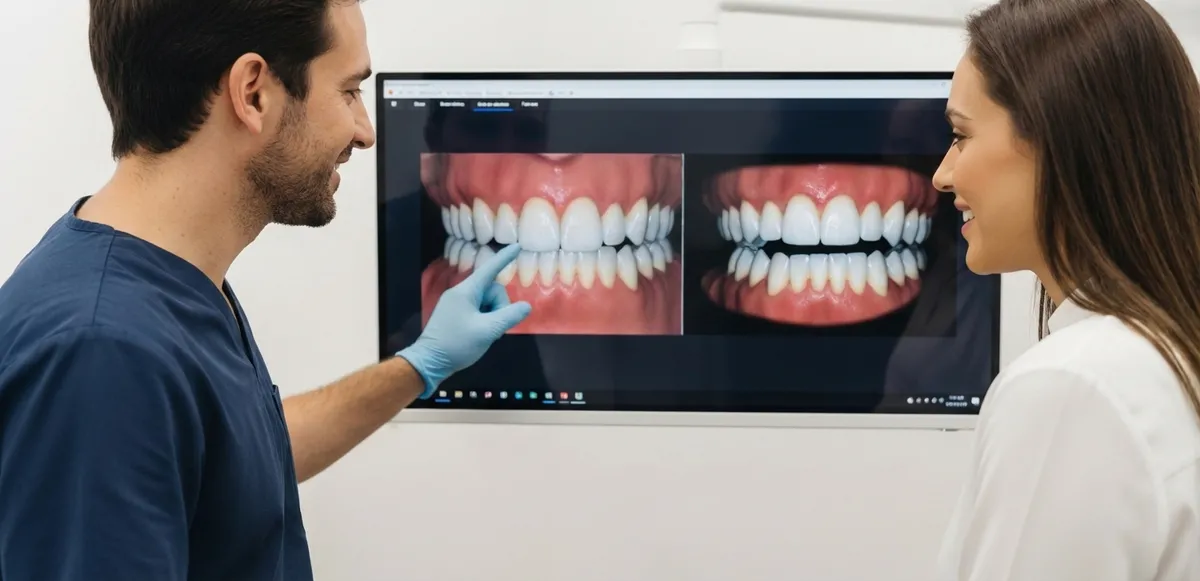
At its core, Cosmetic Dentistry is a specialised area of dental practice that aims to create a positive change to your teeth and your smile. It involves one or more dental treatments designed to improve the aesthetics of your smile. However, it’s crucial to understand that many of these procedures also provide restorative benefits, improving oral health and function alongside appearance. The scope of cosmetic dentistry is broad, encompassing treatments that range from simple, single-visit procedures like teeth whitening to more complex, multi-step processes like a full smile makeover. The ultimate goal is to craft a smile that is not only beautiful but also harmonious with your facial features, personality, and personal goals. This is achieved through a meticulous planning process, often involving advanced technologies like Digital Smile Design, which allows patients to preview their new smile before treatment even begins. This blend of personalised care, artistic vision, and scientific precision is what makes modern cosmetic dentistry so transformative.
Key Procedures in Modern Cosmetic Dentistry
A variety of treatments fall under the umbrella of cosmetic dentistry, each designed to address specific aesthetic concerns. A skilled cosmetic dentist will create a customised treatment plan, often combining several procedures to achieve the patient’s desired outcome. The most common and effective treatments are widely available at leading international clinics.
Teeth Whitening: The Quickest Way to a Brighter Smile
Teeth whitening, or bleaching, is one of the most popular and straightforward cosmetic dental procedures. It is a highly effective way to lighten teeth that have been stained or discoloured by age, smoking, or the consumption of dark-coloured foods and drinks like coffee, tea, and red wine. Professional in-office whitening provides the most dramatic and immediate results, often lightening teeth by several shades in a single session lasting about an hour. The process involves applying a high-concentration whitening gel to the teeth, which is then activated by a special light. This breaks down stains and reveals a brighter, whiter enamel. For those seeking a more gradual approach, dentists can also provide custom-fitted trays for at-home use with a professional-grade whitening gel. To learn more about the process, you can explore The Complete Guide to Teeth Whitening. It is a safe, non-invasive treatment that offers a significant aesthetic improvement with minimal commitment.
Dental Veneers: Crafting a Flawless Facade
Dental veneers are ultra-thin, custom-made shells of tooth-coloured material, typically porcelain, designed to cover the front surface of teeth. They are a versatile solution for correcting a wide range of cosmetic imperfections, including severe discolouration that doesn’t respond to whitening, chipped or broken teeth, gaps between teeth, and minor misalignments. The process involves two main appointments. During the first visit, the dentist prepares the teeth by removing a very thin layer of enamel (usually less than a millimeter) to accommodate the veneer. An impression of the teeth is then taken and sent to a dental laboratory where the custom veneers are fabricated. In the second visit, the dentist carefully bonds the finished veneers to the teeth, instantly transforming their shape, colour, and alignment. Porcelain veneers are highly prized for their durability and stain-resistant properties, as well as their ability to mimic the light-reflecting qualities of natural tooth enamel, resulting in a completely smooth and natural-looking smile.
Dental Crowns: Restoring Both Form and Function
A dental crown is a tooth-shaped “cap” that is placed over a tooth to restore its shape, size, strength, and appearance. While veneers only cover the front surface of a tooth, a crown encases the entire visible portion of a tooth above the gum line. For this reason, crowns are used when a tooth has more extensive damage, such as a large filling, severe decay, a significant fracture, or after a root canal treatment. From a cosmetic perspective, crowns can be used to cover a misshapen or severely discoloured tooth, creating a more uniform and aesthetically pleasing appearance. Modern crowns, particularly those made from materials like Zirconia or E-Max porcelain, offer exceptional strength and an incredibly natural look, making them virtually indistinguishable from the surrounding teeth. The procedure is similar to that for veneers but requires more significant reshaping of the natural tooth to create space for the crown.
Comparing Popular Treatments: Veneers vs. Crowns
Patients often wonder about the difference between veneers and crowns. While both can dramatically improve a tooth’s appearance, they are designed for different situations and involve different levels of tooth preparation. Understanding their key distinctions is essential for making an informed decision in consultation with your dentist.
| Feature | Dental Veneers | Dental Crowns |
|---|---|---|
| Primary Purpose | Primarily cosmetic, correcting issues like colour, shape, and minor gaps. | Primarily restorative, protecting a weak or damaged tooth, but with significant cosmetic benefits. |
| Tooth Preparation | Minimal; only a thin layer of enamel is removed from the front of the tooth. | Extensive; the tooth is significantly filed down on all sides to accommodate the cap. |
| Coverage | Covers only the front surface of the tooth. | Encases the entire visible portion of the tooth. |
| Material Thickness | Very thin, typically between 0.5mm and 1mm. | Thicker, typically around 2mm, to provide structural strength. |
| Best For | Healthy teeth with surface-level cosmetic imperfections. | Teeth with significant structural damage, decay, or following a root canal. |
Essentially, the choice between a veneer and a crown depends on the underlying health of the tooth. If the tooth is structurally sound and the goal is purely aesthetic improvement, a veneer is often the preferred, more conservative option. If the tooth requires structural support and protection, a crown is the necessary and appropriate solution.
The Smile Makeover: A Comprehensive Approach

A smile makeover is the ultimate expression of cosmetic dentistry. It is not a single procedure but a completely customised combination of treatments designed to achieve a total smile transformation. The process begins with a detailed consultation where the patient discusses their aesthetic goals and the dentist performs a comprehensive evaluation of their oral health and facial aesthetics. Factors such as facial shape, skin tone, hair colour, and tooth characteristics (colour, width, length, and shape) are all taken into consideration. A key component of this process is Digital Smile Design (DSD), a technology that allows the dentist to design and a patient to preview their new smile on a screen before any treatment is performed. This ensures the final result aligns perfectly with the patient’s expectations. A smile makeover plan may include any combination of veneers, crowns, teeth whitening, and even dental implants to replace missing teeth, all sequenced in a logical and efficient manner. According to research, aesthetic dental treatments can have a profound positive impact on a person’s psychological well-being and self-confidence. A study published in the National Center for Biotechnology Information highlights the significant improvement in oral health-related quality of life following aesthetic dental procedures.
For a closer look at a full set of veneers or crowns, see what a Hollywood smile involves.