By Dental Implant Turkey editorial teamPublished Updated 7 min read
Checked by our editorial team. Clinical review by a dentist: planned, not yet done for this article.
How Expensive Is Dental Care in the UK? Navigating the complexities of dental care costs in the United Kingdom can be a daunting task for many, as prices vary significantly depending on whether you opt for National Health Service (NHS) treatment or private care, the type of procedure required, and even your geographical location. Understanding the financial landscape of UK dentistry is crucial for planning your oral health journey and making informed decisions about your treatment options. This comprehensive guide will break down the costs, factors influencing them, and potential alternatives, providing clarity on what to expect when seeking dental treatment across the UK.
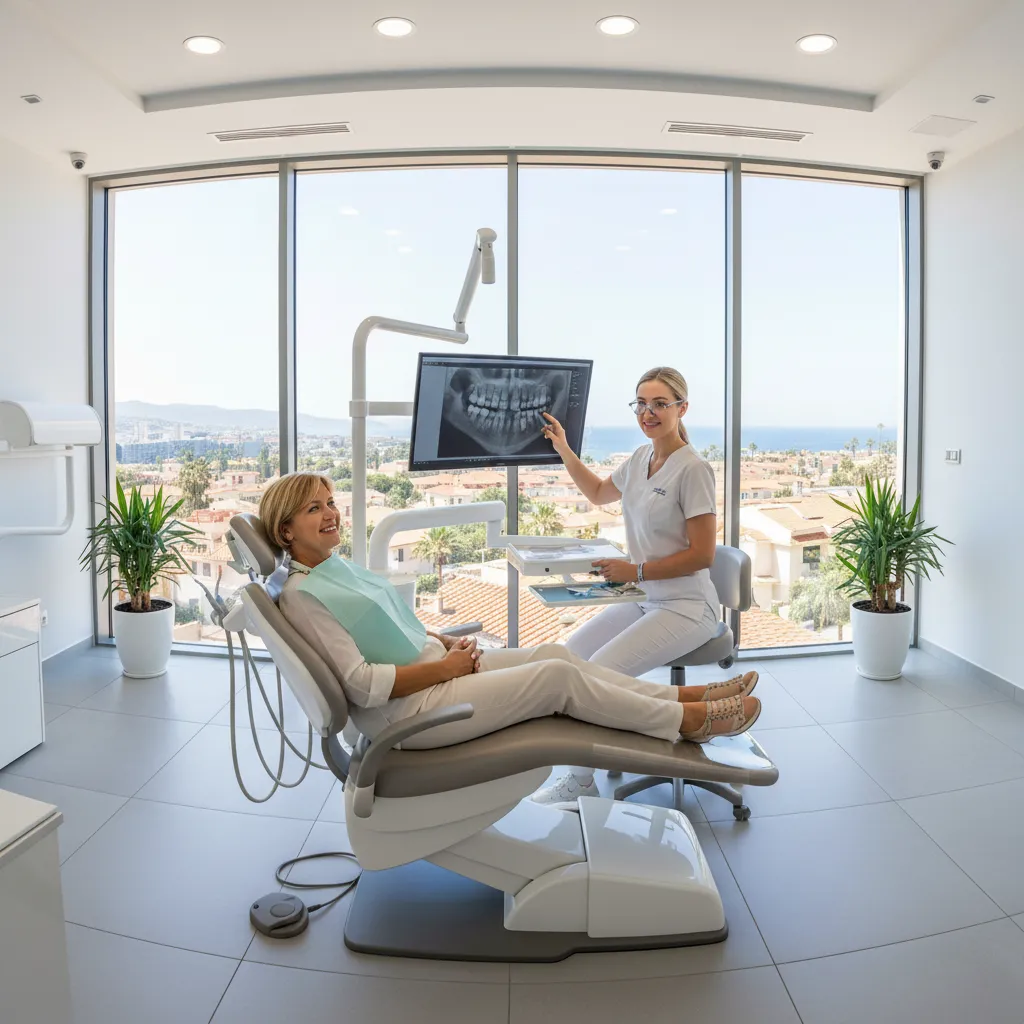
Patient weighing up dental care costs in the UK and abroad
Understanding the UK Dental Care System: NHS vs. Private
The UK offers two primary routes for dental care: the National Health Service (NHS) and private dental practices. Each system operates with a distinct pricing structure and level of service, impacting both the immediate cost and the overall patient experience.
NHS Dental Care: A Banded System
NHS dental care is subsidised by the government, making it generally more affordable than private options. However, it operates on a banded charge system, meaning you pay a set fee for a course of treatment, regardless of how many appointments it takes. These charges are standardised across England, with different (but similar) systems in Scotland, Wales, and Northern Ireland.
* Band 1 Course of Treatment (£27.90 in England): This covers an examination, diagnosis (including X-rays), advice on how to prevent future problems, and a scale and polish if clinically needed. It also includes urgent care where necessary.
* Band 2 Course of Treatment (£76.60 in England): This covers everything in Band 1, plus additional treatments such as fillings, root canal treatment, and extractions.
* Band 3 Course of Treatment (£332.10 in England): This covers everything in Bands 1 and 2, plus more complex procedures like crowns, dentures, and bridges.
It is important to note that while NHS treatment is cost-effective, it prioritises clinical necessity over cosmetic preferences. Certain treatments, such as purely cosmetic veneers or extensive tooth whitening, are generally not available on the NHS unless there’s a clinical need. Waiting lists for specific treatments can also be longer, and patients might have less choice over their dentist or appointment times.
Private Dental Care: Flexibility and Higher Costs
Private dental care in the UK offers greater flexibility, access to a wider range of treatments (including cosmetic options), shorter waiting times, and often more personalised attention from your chosen dentist. However, these benefits come with significantly higher costs, as practices set their own fees without government subsidies.
The cost of private dental care can vary dramatically between practices and regions. A private dentist in a major city like London or Manchester might charge considerably more than one in a rural town. The complexity of the treatment, the materials used (e.g., composite vs. amalgam fillings, porcelain vs. metal-ceramic crowns), and the experience of the practitioner also play a crucial role in determining the final price.
Factors Influencing Dental Costs in the UK
Beyond the NHS vs. private distinction, several other factors contribute to the overall expense of dental care:
* Location: As mentioned, dental practices in affluent urban areas typically have higher overheads, which are reflected in their prices. London is often the most expensive city for dental treatment.
* Dentist’s Experience and Specialisation: Experienced dentists or those specialising in specific fields (e.g., orthodontists, periodontists, implantologists) often charge higher fees due to their advanced skills and expertise.
* Complexity of the Procedure: Simple procedures like a routine check-up are inexpensive, while complex surgeries requiring multiple visits, specialised equipment, or extensive laboratory work (e.g., full mouth reconstructions, advanced implant procedures) will incur substantial costs.
* Materials Used: The choice of materials significantly impacts cost. For instance, white composite fillings are more expensive than traditional amalgam, and high-quality porcelain veneers or zirconia crowns are pricier than their less aesthetic alternatives.
* Technology and Facilities: Practices that invest in modern technology (e.g., 3D imaging, laser dentistry, CAD/CAM for same-day crowns) and offer premium facilities may have higher prices.
* Sedation and Anaesthesia: If general anaesthesia or conscious sedation is required for treatment, these services will add to the overall cost, especially in a private setting where an anaesthetist’s fee may be separate.
How Expensive Is Dental Care in the UK? Estimated Private Costs for Common Procedures
To provide a clearer picture, here’s an overview of typical private dental costs for common treatments in the UK. These are approximate figures and can vary widely based on the factors listed above.
Procedure
Notes
Routine Check-up & X-rays
Initial consultation and basic diagnostic.
Scale and Polish (Hygiene Session)
Professional cleaning, often separate from check-up.
Amalgam Filling
Silver-coloured, generally cheaper.
Composite Filling (White)
Tooth-coloured, more aesthetic, often for front teeth.
Tooth Extraction (Simple)
Routine removal of a non-impacted tooth.
Surgical Extraction (e.g., Wisdom Tooth)
More complex removal, potentially requiring an oral surgeon.
Root Canal Treatment (Front Tooth)
Treatment for infected nerve in incisors/canines.
Root Canal Treatment (Molar)
More complex due to multiple canals.
Single Crown (Porcelain/Zirconia)
Price varies by material and lab fees.
Dental Bridge (per unit)
Cost per crown/pontic (false tooth) in the bridge.
Porcelain Veneer (per tooth)
Cosmetic shell for front teeth, highly aesthetic.
Single Dental Implant
Includes implant, abutment, and crown. Can be higher for bone grafts.
Professional Teeth Whitening (tray-based)
Take-home kit with custom trays.
Professional Teeth Whitening (in-chair)
Single-session treatment at the clinic.
Orthodontics (Invisalign/Braces)
Comprehensive treatment, varies by case complexity and duration.
NHS charges shown are the England rates: Band 1 £27.90, Band 2 £76.60, Band 3 £332.10, urgent treatment £27.90 (source: NHS, checked October 2026). Charges are different in Scotland, Wales and Northern Ireland.
As you can see, the cost for even routine procedures can quickly accumulate, especially for extensive treatments or cosmetic enhancements.
Beyond the Initial Cost: Considering Long-Term Value and Hidden Expenses
When evaluating dental care expenses, it’s essential to look beyond the upfront price.
* Maintenance and Follow-ups: Many procedures, like dental implants or veneers, require regular maintenance and check-ups to ensure their longevity. These follow-up appointments and hygiene visits contribute to the overall long-term cost.
* Longevity of Materials: Cheaper materials might need to be replaced sooner, potentially leading to higher costs over time. Investing in high-quality materials from the outset can often prove more economical in the long run.
* Emergency Care: Unexpected dental emergencies can arise, and the cost of emergency treatment, especially out-of-hours, can be significant. Dental plans or insurance can sometimes help mitigate these unforeseen expenses.
* Impact on Overall Health: Poor oral health can have wider implications for general health, potentially leading to more expensive medical treatments down the line. Investing in preventive and restorative dental care is an investment in your overall well-being.
Exploring Alternatives and Cost-Saving Strategies
Given the high cost of private dental care in the UK, many individuals seek alternative solutions to make quality treatment more accessible.
* Dental Payment Plans: Many private practices offer interest-free payment plans, allowing patients to spread the cost of extensive treatments over several months or years. This can make expensive procedures more manageable.
* Dental Insurance: Private dental insurance can help cover a portion of treatment costs, though premiums and coverage levels vary. It’s crucial to understand what’s included and any waiting periods before claiming.
* Dental Schools: University dental hospitals often provide treatment at a reduced cost, as procedures are performed by students under the close supervision of experienced dentists. This can be a more affordable option, though it may involve longer appointments and waiting lists.
* Dental Tourism: A growing number of UK residents are choosing to travel abroad for dental treatment, a practice known as dental tourism. Countries like Turkey have become popular destinations due to their significantly lower costs for high-quality procedures, often performed in modern clinics with experienced dental professionals. This option allows patients to combine their treatment with a holiday, sometimes for lower fees than UK private rates, especially for complex treatments like dental implants, veneers, or smile makeovers. For those considering this route, understanding the dental treatment process for international patients is key to a smooth and successful experience.
* Prevention is Key: The most cost-effective dental care is preventive. Regular check-ups, professional cleanings, proper brushing and flossing, and a healthy diet can prevent many costly dental problems before they arise.
Making an Informed Decision About Your Dental Health
Patient researching dental treatment abroad
Deciding on the right dental care path in the UK involves balancing cost, quality, convenience, and your personal oral health goals. While NHS dental care offers an affordable baseline, private treatment provides greater choice and access to a full spectrum of cosmetic and advanced restorative options.
Understanding the various components that influence pricing, from location and dentist experience to the materials and complexity of procedures, empowers you to ask the right questions and compare quotes effectively. Exploring alternatives such as payment plans, dental insurance, or even dental tourism can open up possibilities for achieving your desired smile and oral health without breaking the bank. Ultimately, the best investment in your dental health is an informed one, ensuring you receive the care that best suits your needs and budget. For further information on the broader context of dentistry, you can refer to the Wikipedia page on Dentistry.
Answered by email or phone
A real replyOur partner clinic in Istanbul answers by email or phone.
No obligationYou are never obliged to book treatment.
PrivatePassed only to our partner clinic, and only with your consent.
Questions about Dental Procedures?
Your question goes to our partner clinic in Istanbul, which answers by email or phone. Nobody can diagnose you or plan treatment without examining you, so please leave out detailed health information.
What happens to your details: they are stored in our enquiry system and sent to Özel Natural Clinic Tıp Merkezi, a dental clinic in Istanbul, Türkiye, which contacts you by email or phone. This means your details are transferred outside the UK. See our Privacy Policy and how this site is funded.
Ask a short question. It is passed to our partner clinic in Istanbul, which gets back to you by email or phone. There is no obligation to book anything.
Reply by email or phone
No obligation
Passed only to our partner clinic
What happens to your details: they are stored in our enquiry system and sent to Özel Natural Clinic Tıp Merkezi, a dental clinic in Istanbul, Türkiye, which contacts you by email or phone. This means your details are transferred outside the UK. See our Privacy Policy and how this site is funded.