Why Is Dental Treatment So Expensive in the UK?
Checked by our editorial team. Clinical review by a dentist: planned, not yet done for this article.

The dental care system in the UK operates on a dual structure: the National Health Service (NHS) and private dentistry. While the NHS aims to provide accessible and affordable care, its capacity is often strained, leading to long waiting lists for routine and specialist treatments. NHS dental charges are fixed into three bands, covering a range of treatments from check-ups and basic fillings to more complex procedures like crowns and dentures. However, the scope of NHS treatment is primarily focused on clinical necessity, meaning cosmetic procedures or advanced restorative options are often not available or are severely limited. This forces a significant portion of the population to seek private care, where costs are considerably higher and determined by individual practices.
Why Is Dental Treatment So Expensive in the UK? The soaring cost of dental treatment in the United Kingdom has become a significant concern for many residents, often leading to delayed care, worsened oral health conditions, and a growing search for more affordable alternatives. The perception of dentistry as an expensive luxury rather than an accessible necessity is widespread, but understanding the underlying factors can shed light on this complex issue. From operational overheads to advanced material costs and stringent regulatory standards, several elements contribute to the UK’s high dental expenses. This article delves into these various facets, explaining why dental treatment in the UK often comes with a hefty price tag and exploring the implications for patients.
If implants are part of your plan, read our guide to dental implants in Turkey for UK patients before comparing quotes.
Understanding the UK Dental Cost Landscape
In the private sector, clinics have the autonomy to set their own fees, which reflect the quality of materials, the dentist’s expertise, the technology used, and the overall patient experience. While this allows for greater choice and often quicker access to a wider array of treatments, it also means that basic care can become financially prohibitive for many, pushing essential dental health down the list of priorities for household budgets.Key Factors Driving Up Dental Costs in the UK
- High Operating Costs: Dental practices are small businesses with substantial overheads. Rent and property costs, especially in urban areas, are significant. Staff salaries for highly trained dentists, hygienists, dental nurses, and administrative personnel are a major expenditure. Furthermore, utilities, insurance, and the general cost of running a modern medical facility add up quickly.
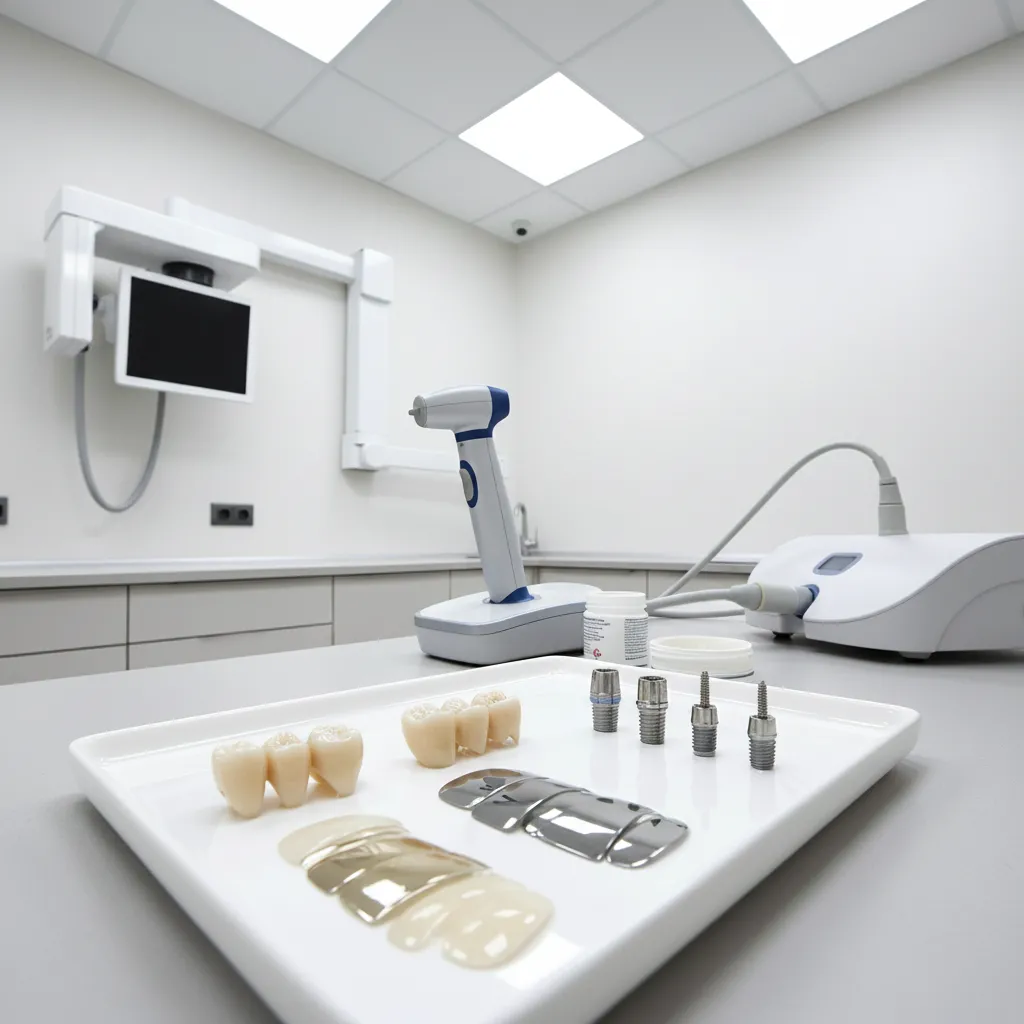
- Materials and Technology: Modern dentistry relies on advanced materials and modern technology. High-quality dental implants, porcelain veneers, zirconium crowns, and composite fillings are engineered for durability, aesthetics, and biocompatibility. Investing in modern equipment such as 3D scanners, digital X-rays, laser dentistry tools, and CAD/CAM systems for same-day restorations requires significant capital expenditure. These technologies improve patient outcomes and efficiency but come at a premium.
- Regulatory Standards and Training: The UK dental industry is highly regulated by bodies such as the General Dental Council (GDC). Maintaining these rigorous standards involves ongoing professional development, mandatory training, and strict adherence to hygiene and safety protocols. Dentists and their teams must continually update their skills and knowledge, which incurs costs for courses, conferences, and certifications.
- Insurance and Indemnity: Dental professionals carry substantial indemnity insurance to protect themselves and their patients in the event of unforeseen complications or claims. Given the intricate nature of dental procedures and the potential for litigation, these premiums are exceptionally high, further contributing to the overall cost of treatment.
- Demand vs. Supply: The increasing demand for dental services, coupled with the limited capacity of the NHS to meet this demand, funnels more patients into the private sector. This imbalance can, to some extent, allow private practices to command higher prices due to less competition for their services within the immediate availability.
The Impact of High Costs on Patient Access
The direct consequence of high dental treatment costs is a significant barrier to access for many individuals. Patients may delay necessary check-ups or treatments due to financial concerns, often leading to more severe and expensive problems down the line. A simple cavity, left untreated, can progress to root canal infection or even tooth loss, requiring more complex and costly interventions. This cycle not only impacts individual oral health but also places a greater burden on emergency services when conditions become acute. This phenomenon has also fuelled a growing trend in “dental tourism,” where UK residents seek quality dental care abroad for lower fees.Dental Treatment So Expensive in the UK: A Breakdown by Procedure
The table below provides a comparative overview of average costs for various dental treatments in the UK’s private sector versus potential costs in popular dental tourism destinations like Turkey. While quality and specific materials can vary, these figures highlight the significant price differences often encountered.
| Procedure | What affects the price |
|---|---|
| Dental Check-up & Scale/Polish | Whether a 3D (CBCT) scan is needed and whether the fee is deducted from treatment |
| Composite Filling | Material, size of the cavity and the tooth involved |
| Zirconium Crown | Material (zirconia, e.max, porcelain-fused-to-metal), the laboratory and the position of the tooth |
| Single Dental Implant (incl. crown) | Implant system, whether bone grafting or a sinus lift is needed, abutment and crown material, number of visits |
| Porcelain Veneer | Porcelain or composite, number of teeth, laboratory used and how much tooth preparation is needed |
| Root Canal Treatment (Molar) | Which tooth (molars have more canals), complexity, and whether a crown is needed afterwards |
| Teeth Whitening (Professional) | In-surgery or take-home trays, number of sessions and whether top-ups are included |
Exploring Alternatives to High UK Dental Costs
Given the financial pressures, many UK residents are actively seeking ways to manage their dental care expenses. Several avenues exist, each with its own advantages and considerations.- Private Dental Insurance: Some individuals opt for private dental insurance plans, which can help offset the cost of treatment. These plans typically involve monthly premiums and may cover a percentage of treatment costs, subject to annual limits and waiting periods. However, they rarely cover 100% of all procedures, and more extensive treatments might still require significant out-of-pocket payments.
- Payment Plans and Financing: Many private dental practices offer interest-free or low-interest payment plans for larger treatments, allowing patients to spread the cost over several months or even years. This can make expensive procedures more manageable by breaking them down into smaller, more affordable instalments.
- Dental Tourism: As highlighted by the comparison table, travelling abroad for dental treatment has become an increasingly popular and viable option for UK patients. Countries like Turkey, Hungary, and Poland have established robust dental tourism sectors, offering high-quality treatment at significantly lower prices. The savings on major procedures can often cover travel and accommodation costs, making the overall package considerably cheaper than equivalent treatment in the UK. For more information on UK dental costs and international alternatives, you can visit dentalimplantturkey.co.
The Quality and Safety of International Dental Care
A common concern when considering dental tourism is the perceived difference in quality and safety standards. However, many clinics in popular dental tourism destinations adhere to international best practices, employing qualified dentists, using European-standard materials, and investing in advanced technology. Patients should always conduct thorough research, look for accredited clinics, check the dentist’s registration, and ensure clear communication with the dental team. Many reputable international clinics offer comprehensive treatment plans, including aftercare instructions and support, providing peace of mind to patients.The Path Forward: Making Informed Decisions
- Seek Multiple Opinions: Obtain quotes and treatment plans from several dentists, both NHS and private, to compare costs and proposed solutions.
- Understand Your Treatment Plan: Ask for a detailed breakdown of costs, including materials used, laboratory fees, and all stages of the procedure.
- Consider All Options: Explore dental insurance, payment plans, and thoroughly research reputable dental tourism providers if the cost remains a barrier in the UK.
The high cost of dental treatment in the UK is a multifaceted issue driven by operating expenses, advanced technology, stringent regulations, and professional standards. While these factors contribute to the quality of care, they also create significant financial hurdles for patients. Understanding these drivers and exploring all available alternatives, including the growing trend of dental tourism, can empower individuals to make choices that ensure both their oral health and financial well-being. For a broader understanding of healthcare systems and their funding, including dental provisions, one can consult resources like Wikipedia’s detailed overview of healthcare in the United Kingdom. Prioritising oral health is crucial, and with careful planning, affordable, high-quality dental care remains within reach.