Dental Bridge Cost UK Explained
Checked by our editorial team. Clinical review by a dentist: planned, not yet done for this article.

Below is a breakdown of common dental bridge types and their estimated cost ranges in the UK:
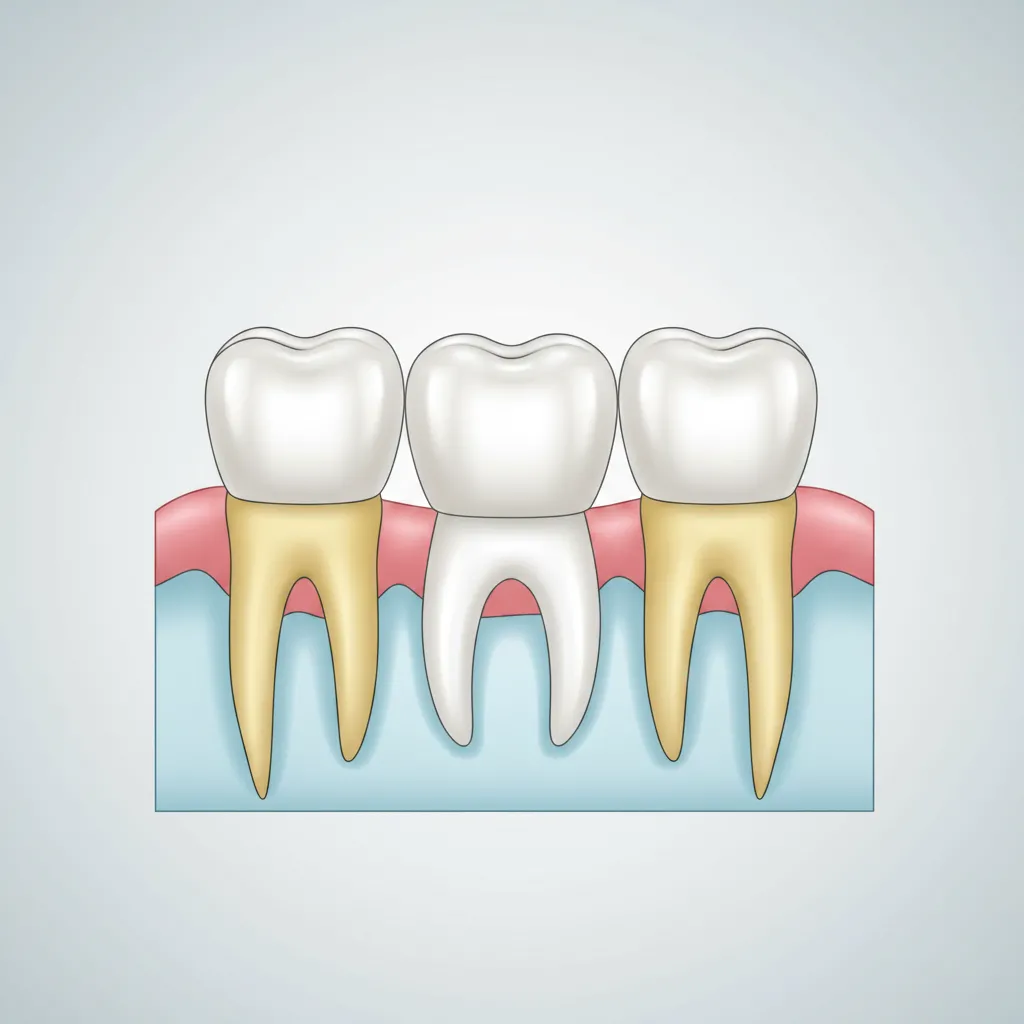
Dental Bridge Cost UK Explained Losing a tooth can significantly impact your smile, confidence, and oral health. Thankfully, modern dentistry offers effective solutions to replace missing teeth, with dental bridges being a long-established and popular choice. For many in the United Kingdom, understanding the financial implications is a crucial first step. This comprehensive guide will delve into the various factors influencing the cost of a dental bridge in the UK, helping you navigate your options and make an informed decision about your oral health investment.
What is a Dental Bridge?
A dental bridge is a prosthetic device used to bridge the gap created by one or more missing teeth. It typically consists of one or more artificial teeth (pontics) held in place by dental crowns, which are cemented onto the natural teeth adjacent to the gap. These adjacent teeth are called abutment teeth. Bridges are custom-made to match the colour, shape, and size of your existing teeth, ensuring a natural-looking and functional restoration. They help restore chewing ability, prevent remaining teeth from shifting, and maintain facial structure.Factors Influencing Dental Bridge Cost UK
The cost of a dental bridge in the UK can vary significantly due to a multitude of factors. Understanding these elements will provide a clearer picture of the potential expenses involved.- Type of Dental Bridge: Different types of bridges are available, each with varying costs.
- Materials Used: The choice of material for the crowns and pontic greatly affects the price.
- Number of Teeth Being Replaced: A longer bridge replacing multiple teeth will naturally be more expensive.
- Location of the Dental Practice: Prices can differ between urban and rural areas, and also between different regions of the UK.
- Dentist’s Experience and Expertise: Experienced specialists may charge more for their services.
- Additional Treatments Required: Prior treatments like fillings, extractions, root canal therapy on abutment teeth, or gum disease treatment will add to the overall cost.
- Diagnostic Fees: X-rays, impressions, and consultations contribute to the initial cost.
- Laboratory Fees: The cost of crafting the custom bridge in a dental lab is a significant component.
Types of Dental Bridges and Their Average Costs
Let’s explore the common types of dental bridges available in the UK and their approximate private costs. It’s important to note that these are average ranges, and actual prices will vary by clinic.| Bridge Type | Description |
|---|---|
| Traditional Bridge | Most common type, involves crowning two adjacent teeth to support a pontic (artificial tooth). |
| Cantilever Bridge | Used when there is only one adjacent natural tooth to support the pontic. Less common for heavy bite areas. |
| Maryland (Resin-Bonded) Bridge | Less invasive, metal or porcelain wings are bonded to the back of adjacent teeth, avoiding extensive preparation. Best for front teeth with minimal biting force. |
| Implant-Supported Bridge | Utilises dental implants instead of natural teeth as abutments, offering superior stability and longevity. More complex and costly. |
When considering a traditional or cantilever bridge, the cost is often quoted per ‘unit’. A three-unit bridge (two crowns and one pontic) would therefore cost significantly more than a single-unit restoration. A three-unit traditional bridge is therefore priced as three units, so ask for the fee per unit and the total in writing. Implant-supported bridges involve the additional cost of the implants themselves, making them the most expensive but often the most durable and long-lasting option. For a deeper dive into alternatives, you might find information on private dental implants UK cost explained to be insightful.
Materials Used in Dental Bridges
The materials chosen for your bridge play a pivotal role in its aesthetics, durability, and cost.- Porcelain Fused to Metal (PFM): A common choice, offering a good balance of strength and aesthetics. The metal substructure provides strength, while the porcelain exterior mimics natural tooth appearance.
- All-Ceramic/All-Porcelain: Highly aesthetic, ideal for front teeth. These offer the most natural look but can be less strong than PFM in high-stress areas. Zirconia is a popular choice within this category, known for its exceptional strength and aesthetic qualities.
- All-Metal (Gold Alloys/Base Metal Alloys): Extremely durable and strong, often used for back teeth where aesthetics are less of a concern. They are generally the least expensive but are not aesthetically pleasing.
- Composite Resin: Used in Maryland bridges, offering a more affordable option, but generally less durable and prone to staining compared to porcelain or metal.
The rise of advanced ceramics like zirconia has offered a compelling blend of strength and natural beauty, making them a popular choice despite a higher price point.
NHS vs. Private Dental Bridge Cost UK
In the UK, dental care is available through both the National Health Service (NHS) and private practices. The cost structure for dental bridges differs significantly between the two.
NHS Dental Bridges
NHS dental treatment is categorised into bands. A dental bridge typically falls under Band 3, which covers complex treatments like crowns, dentures, and bridges. The current Band 3 charge in England is £332.10 (source: NHS, checked October 2026). This fee covers the examination, diagnosis, and the provision of the bridge itself, regardless of how many visits it takes. While significantly cheaper than private options, NHS bridges often come with certain limitations:
- Material Choice: NHS treatment prioritises functionality. You may have limited choice regarding materials, with PFM or non-precious metal alloys being common. Aesthetic options like all-ceramic might not be readily available or might require a private top-up.
- Waiting Lists: Depending on your area and specific needs, there might be a waiting list for NHS treatment.
- Eligibility: Eligibility for certain treatments on the NHS can sometimes be restricted based on clinical need.
Private Dental Bridges
Private dental clinics offer a wider range of choices, materials, and often quicker appointment times. The costs, as detailed in the table above, are considerably higher but offer several advantages:
- Advanced Materials: Access to the latest all-ceramic (e.g., zirconia) and highly aesthetic options.
- Personalised Care: Often more time dedicated to consultations, planning, and fitting.
- Latest Technology: Private practices often invest in modern equipment and techniques.
- No Waiting Lists: Generally faster access to treatment.
For those prioritising aesthetics and durability, or requiring specific materials not routinely offered by the NHS, private treatment is often the preferred route.
The Dental Bridge Procedure: What to Expect
- Initial Consultation and Diagnosis: The dentist will examine your teeth, take X-rays, and discuss your options. They will assess the health of your abutment teeth and surrounding gums.
- Tooth Preparation: During the first treatment visit, the abutment teeth are prepared. This involves reshaping them by removing a small amount of enamel to make space for the crowns that will hold the bridge. Impressions of your teeth are then taken and sent to a dental laboratory. A temporary bridge may be fitted to protect the prepared teeth while your permanent bridge is being custom-made.
- Bridge Placement: Once your custom bridge is ready (usually a few weeks later), you’ll return for the fitting appointment. The dentist will check the fit, bite, and aesthetics. If everything is satisfactory, the bridge is permanently cemented into place.
- Follow-up: A follow-up appointment may be scheduled to ensure proper healing and address any initial discomfort.
Longevity and Maintenance of Dental Bridges
With proper care, a dental bridge can last for 5 to 15 years, or even longer. Key factors influencing its lifespan include:- Oral Hygiene: Meticulous brushing and flossing are crucial, especially around the bridge and under the pontic, to prevent plaque buildup and gum disease.
- Regular Dental Check-ups: Routine examinations and professional cleanings help maintain the health of your abutment teeth and the bridge itself.
- Diet: Avoiding excessively hard or sticky foods can prevent damage to the bridge.
- Bruxism (Teeth Grinding): If you grind your teeth, a night guard may be recommended to protect your bridge and natural teeth.
The health of the supporting natural teeth is paramount for the bridge’s longevity. If these teeth decay or develop gum disease, the bridge’s stability will be compromised.
Alternatives to Dental Bridges
While dental bridges are an excellent solution, it’s worth considering alternatives, especially if you have particular needs or preferences.- Dental Implants: Often considered the gold standard for tooth replacement. A titanium post is surgically placed into the jawbone, acting as an artificial tooth root. A crown is then placed on top of the implant. Implants do not require modification of adjacent healthy teeth and offer superior longevity and bone preservation. However, they are generally more expensive and involve a longer treatment timeline. For more details, consult resources like Wikipedia’s entry on Dental Bridge.
- Removable Partial Dentures: A less expensive option, but they are removable and may not offer the same stability or comfort as fixed restorations. They consist of replacement teeth attached to a gum-coloured base, with clasps that attach to your natural teeth.
Making the Right Choice for Your Smile
Choosing the right tooth replacement option, including understanding the Dental Bridge Cost UK, requires careful consideration. It’s an investment in your oral health, aesthetics, and overall well-being. By researching the types of bridges, materials, and cost factors, you can approach your dental consultations with confidence. Always seek advice from a qualified dental professional who can provide a personalised treatment plan and a clear breakdown of costs based on your specific needs. Do not hesitate to ask questions about the procedure, materials, maintenance, and long-term prognosis. A beautiful, healthy smile is within reach, and with the right information, you can make an informed decision that benefits you for years to come.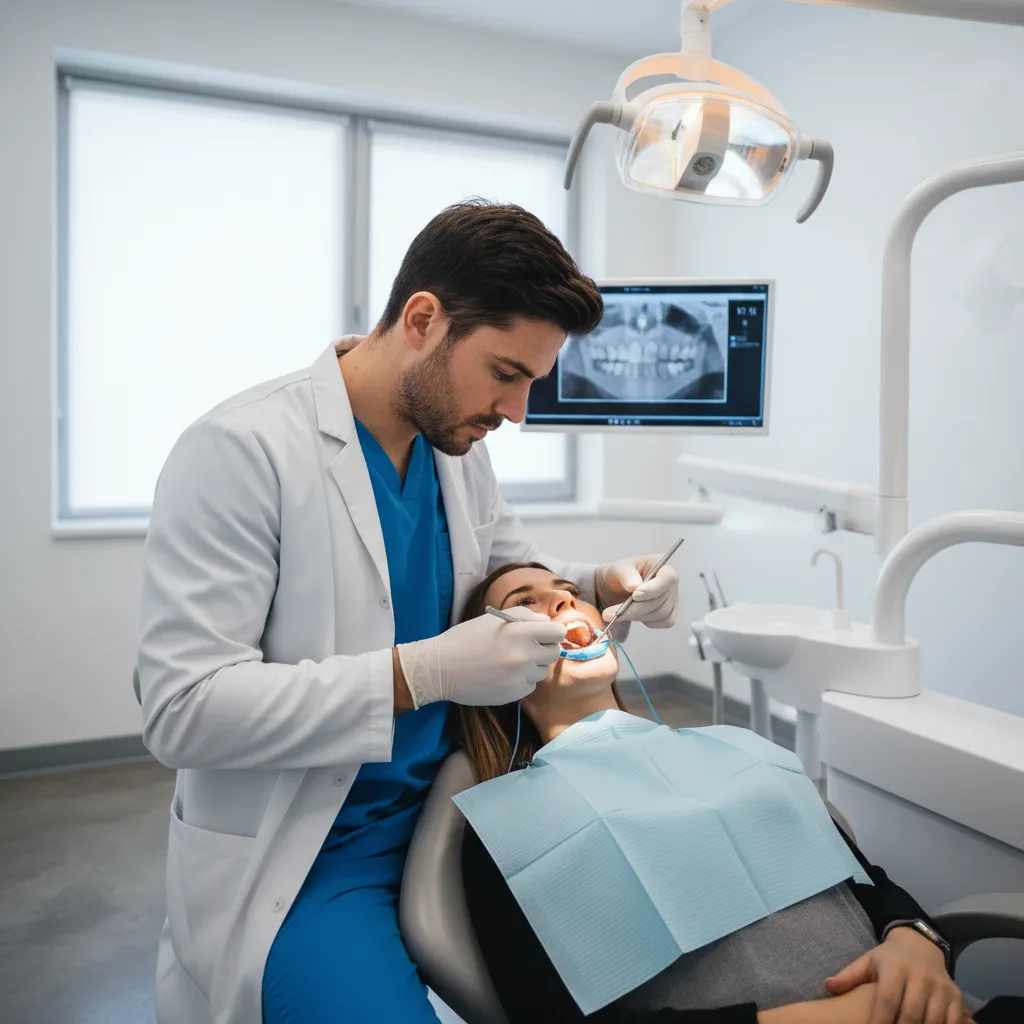
Your dentist will discuss which option is best suited for your individual case, considering your oral health, budget, and aesthetic goals.
For how bridges compare with implants, see bridges vs implants.