Root Canal Treatment Cost in the UK
Checked by our editorial team. Clinical review by a dentist: planned, not yet done for this article.

Understanding What a Root Canal Entails
Before delving into the financial aspects, it is essential to comprehend the medical necessity and complexity of a root canal procedure. A tooth is not just a solid piece of enamel; it contains a soft core called the dental pulp. This pulp extends from the crown of the tooth down to the tip of the roots and contains nerves, blood vessels, and connective tissue. When this pulp becomes inflamed or infected due to deep decay, repeated dental procedures on the tooth, or a crack or chip in the tooth, it can cause severe pain or lead to an abscess. The primary goal of a root canal is to remove this infected or inflamed pulp. The procedure involves several meticulous steps:- Diagnosis: The dentist confirms the need for the treatment through clinical examination and dental X-rays.
- Anaesthesia: The area around the tooth is numbed with local anaesthetic to ensure the procedure is as comfortable as possible.
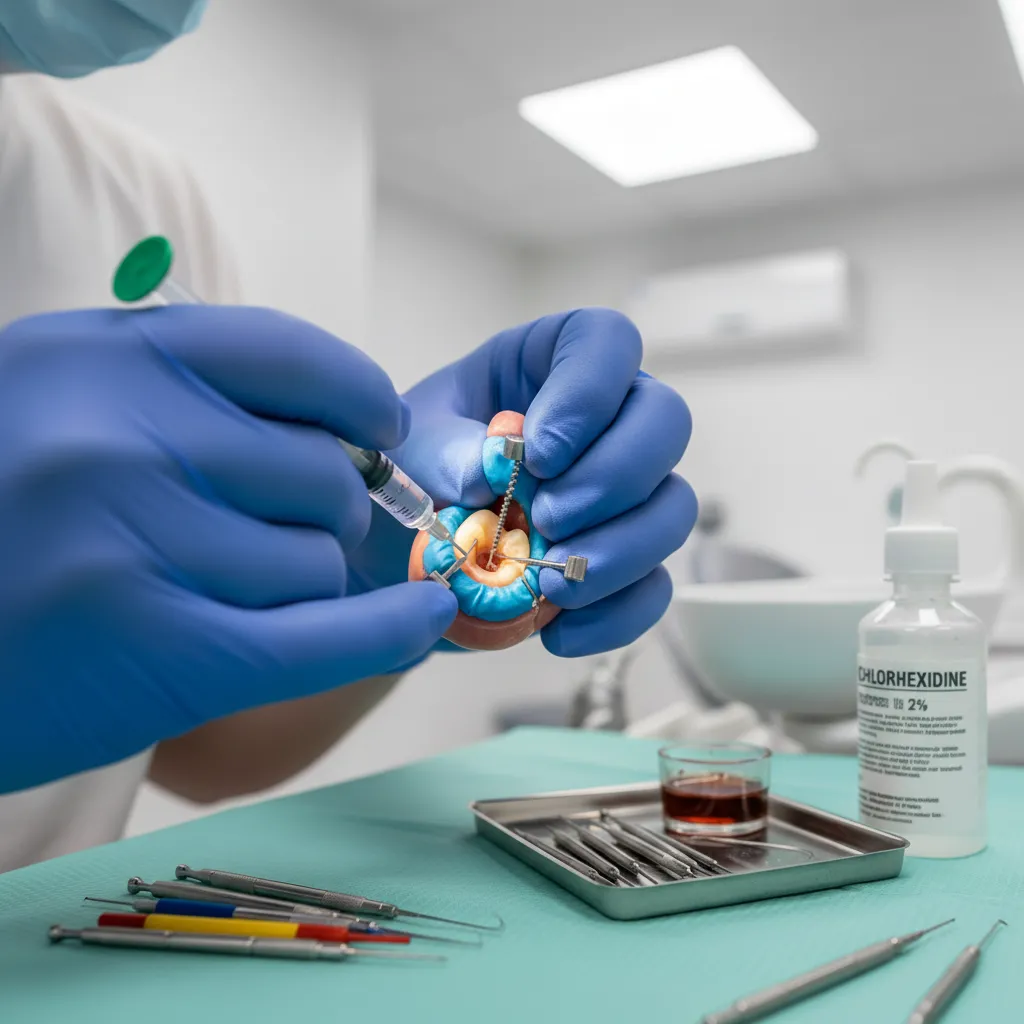
- Isolation: A small rubber sheet called a “dental dam” is placed around the tooth to keep it dry and free from saliva during the treatment.
- Cleaning: The dentist makes an opening in the crown of the tooth and uses very small instruments to clean the pulp from the pulp chamber and root canals.
- Sealing: After the space is cleaned and shaped, the root canals are filled with a biocompatible material, usually a rubber-like substance called gutta-percha.
- Restoration: The final step is typically the placement of a crown or other restoration on the tooth to protect it and restore it to full function. This final restoration is critical for the long-term success of the treated tooth.
Factors Influencing Root Canal Treatment Cost in the UK
The price of a root canal is not standardised. Several key variables contribute to the final bill, making it essential for patients to understand why one quote may differ significantly from another.The Type of Tooth
The anatomy of the tooth being treated is the most significant factor. Front teeth (incisors and canines) typically have only one root canal, making the procedure simpler and less time-consuming. Premolars may have one or two canals. Molars, located at the back of the mouth, are the most complex, often having three or four canals, which may be curved and difficult to access. Consequently, a root canal on a molar will almost always be more expensive than on a front tooth due to the increased complexity and time required.
The Complexity of the Case
Not all root canals are straightforward. Some cases present unique challenges that require specialised equipment and greater expertise, thereby increasing the cost. For example, a re-treatment of a previously failed root canal is significantly more complex than an initial procedure. The endodontist must first remove the old filling material, navigate any blockages, and address the source of the initial failure. Other complexities include calcified canals that are difficult to navigate or unusually shaped root systems.
Geographic Location within the UK
As with many services, the cost of dental care can vary based on location. Operating costs, including rent and staff salaries, are higher in major metropolitan areas like London and the South East compared to smaller towns or regions in the North. This overhead is often reflected in the prices charged to patients. A private clinic in central London will likely have a higher fee structure than a comparable clinic in a rural area.
The Provider: NHS vs. Private Dentistry
The choice between receiving treatment through the National Health Service (NHS) or a private clinic is one of the most significant cost determinants. Under the NHS in England, root canal treatment typically falls under Band 2 or Band 3 charges, depending on whether a crown is also required. While the NHS provides a more affordable, fixed-price option, there can be long waiting lists, and the choice of materials (especially for the final crown) may be limited. Private dentistry, on the other hand, offers more flexibility, shorter waiting times, and access to specialist endodontists who may use advanced technology like surgical microscopes for higher precision. The costs are higher, reflecting the level of service and expertise.
Additional Procedures Required
The quoted price for the root canal itself may not be the total cost. The treatment is not complete until the tooth is properly restored. A tooth that has undergone endodontic therapy is more brittle and prone to fracture. Therefore, a dental crown is almost always recommended to provide strength and protection. The cost of this crown is a separate and substantial expense, varying based on the material used (e.g., porcelain, zirconia, or metal). Other potential costs include the initial consultation, X-rays, and any necessary follow-up appointments.
A Breakdown of Potential Costs
To provide a clearer picture, the following table illustrates the potential range of costs for root canal treatment and associated procedures in the UK, comparing typical NHS and private fees. These figures are estimates and can vary widely.
| Procedure / Component | NHS Cost (England – 2023/24 Bands) | Notes |
|---|---|---|
| Initial Consultation & X-ray | Included in Band 2/3 charge | Private clinics often charge separately for the initial diagnostic phase. |
| Root Canal (Front Tooth / Incisor) | £76.60 (Band 2) | Simpler procedure due to a single canal. |
| Root Canal (Molar) | £76.60 (Band 2) | More complex due to multiple and often curved canals. Specialist endodontists may charge more. |
| Final Restoration (Crown) | £332.10 (Band 3, includes RTC) | The private cost depends heavily on the crown material (e.g., Zirconia is more expensive). The NHS Band 3 charge covers all necessary treatment within that band, including the root canal itself. |
NHS charges shown are the England rates: Band 1 £27.90, Band 2 £76.60, Band 3 £332.10, urgent treatment £27.90 (source: NHS, checked October 2026). Charges are different in Scotland, Wales and Northern Ireland.
The Root Canal Procedure: A Step-by-Step Guide
Understanding the clinical pathway can help demystify the procedure and justify the associated costs. A successful root canal treatment requires precision, skill, and careful execution at every stage.
Step 1: Diagnosis and Preparation
The journey begins with a thorough examination. Your dentist will take X-rays to see the shape of the root canals and determine the extent of the infection. Before the treatment starts, a local anaesthetic is administered to numb the tooth and surrounding tissues, so most patients feel little discomfort.
Step 2: Accessing and Cleaning the Pulp Chamber
A dental dam is placed over the tooth to keep it isolated and clean. The dentist then uses a drill to create a small access hole in the top of the tooth. Through this opening, the diseased and dead pulp tissue is carefully removed from the pulp chamber.
Step 3: Shaping and Disinfecting the Canals
This is the most meticulous part of the procedure. The dentist uses a series of progressively larger, highly flexible instruments known as files to clean and shape the interior of the root canals. The canals are periodically flushed with antiseptic solutions to wash away debris and disinfect the area, eliminating the bacteria causing the infection.
Step 4: Filling and Sealing the Canals
Once the canals are thoroughly cleaned and dried, they are filled with a rubber-like, thermoplastic material called gutta-percha. This material, in combination with an adhesive cement, completely seals the canals to prevent bacteria from re-entering. A well-sealed canal system is paramount to the long-term success of the treatment.
Step 5: Restoration of the Tooth
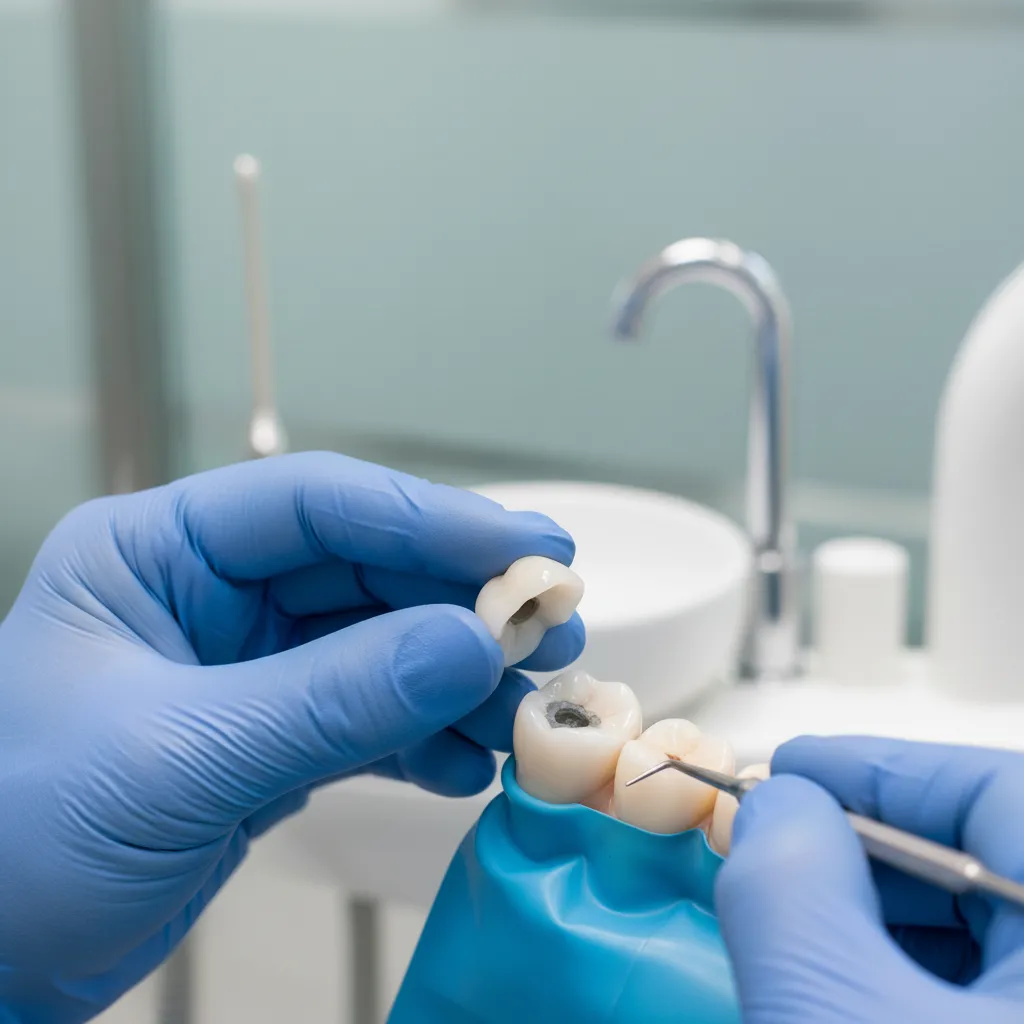
The access hole in the tooth is closed with a temporary filling. The tooth is then left to settle. In a subsequent appointment, this temporary filling is removed, and a permanent restoration is placed. For most back teeth, a full-coverage crown is necessary to protect the weakened tooth structure from the forces of chewing. This final step is just as important as the root canal itself, as it prevents future fracture and re-infection. The cost of dental work can be a complex topic, much like understanding the cost of veneers in the UK explained in detail requires breaking down various factors.