Is It Worth Leaving the UK for Dental Work?
Checked by our editorial team. Clinical review by a dentist: planned, not yet done for this article.

For decades, patients have travelled internationally for various medical procedures, a phenomenon broadly known as medical tourism. Dental tourism specifically addresses the need for dental treatments abroad. Several factors contribute to its popularity among UK residents:
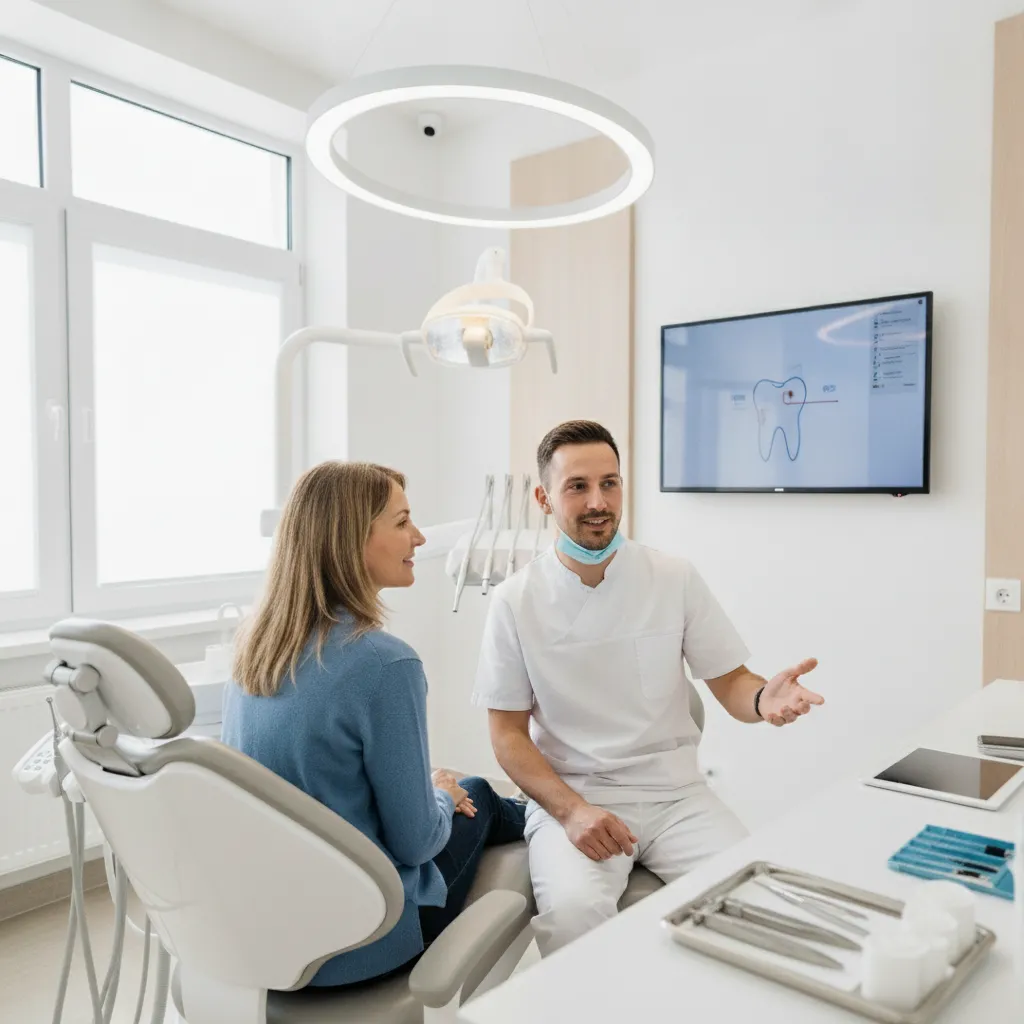
Is It Worth Leaving the UK for Dental Work? The question of whether to seek dental treatment outside the UK has moved from a niche consideration to a mainstream discussion for many British patients. With rising costs, extended waiting lists for NHS treatment, and even high private clinic prices, the appeal of more affordable and often immediate care abroad, particularly in destinations known for medical tourism like Turkey, has grown significantly. This comprehensive guide explores the multifaceted considerations involved in Leaving the UK for Dental Work, aiming to provide a balanced perspective for those contemplating this important decision.
If you are weighing up implant treatment in Turkey as a whole, our decision guide for UK patients brings costs, risks, aftercare and questions to ask together in one place.
Understanding the Drive Behind Dental Tourism
- Cost Savings: This is arguably the most significant driver. Dental procedures like implants, veneers, crowns, and full mouth restorations can be considerably less expensive in countries like Turkey compared to the UK, and for larger treatments a difference can remain after travel and accommodation are added, although this varies.
- Waiting Times: Accessing timely dental care within the NHS can be challenging, with long waiting lists for both routine and specialised treatments. Private UK clinics offer quicker appointments but at a premium. Abroad, clinics often offer immediate appointments and can complete extensive treatments within a single trip.
- Access to Advanced Treatments: Many international clinics specialise in advanced cosmetic and restorative dentistry, offering modern technology and techniques that might be less accessible or prohibitively expensive in the UK.
- Quality of Care and Expertise: Destinations like Turkey have invested heavily in dental infrastructure, boasting modern clinics, qualified dentists, and international accreditations. Many dentists receive training in Western countries and stay abreast of global best practices.
- Holiday Opportunity: Combining necessary dental work with a holiday break offers an added incentive, allowing patients to recover in a pleasant environment.
Popular Dental Procedures Sought Abroad
Patients typically travel abroad for procedures that are either expensive or difficult to access in the UK. These often include:
- Dental Implants: A permanent solution for missing teeth, implants involve surgically placing a titanium post into the jawbone. This procedure is significantly cheaper abroad.
- Dental Veneers: Thin shells of porcelain or composite resin bonded to the front surface of teeth to improve appearance. Veneers are a popular choice for smile makeovers.
- Dental Crowns: Caps placed over damaged or decayed teeth to restore their shape, size, strength, and appearance.
- All-on-4/6 Implants: Full arch rehabilitation using a minimal number of implants to support a complete set of fixed teeth.
- Teeth Whitening and Cosmetic Bonding: Aesthetic treatments to enhance smile brightness and correct minor imperfections.
- Root Canal Treatment: Often combined with other restorative work to address infected tooth pulp.
The Process of Seeking Dental Work Abroad
Deciding to undertake dental work abroad requires careful planning and research. Here’s a general outline of the typical process:
- Research and Consultation: Begin by researching reputable clinics and dentists in your chosen destination. Look for clinics with strong online reviews, clear pricing, and transparent communication. Many clinics offer initial online consultations based on X-rays or photos. This is the stage to discuss your treatment goals, medical history, and receive a preliminary treatment plan and quote.
- Treatment Plan and Quotation: The clinic will provide a detailed treatment plan outlining the procedures, materials used, number of appointments, duration of stay required, and the total cost. Ensure this quote is comprehensive, including all clinical aspects and any potential hidden costs.
- Travel Arrangements: Once you confirm your treatment, you’ll need to book flights and accommodation. Many dental clinics that cater to international patients offer assistance with these arrangements, sometimes providing packages that include transfers and lodging.
- Arrival and Initial Examination: Upon arrival, your first appointment will typically involve a thorough in-person examination, including new X-rays and scans, to finalise the treatment plan. This ensures accuracy and allows the dentist to confirm the suitability of the proposed treatment.
- Treatment Execution: The dental procedures will be carried out over several days, or sometimes weeks, depending on the complexity. Modern clinics often utilise advanced technology to streamline processes, such as CAD/CAM for same-day crowns or veneers.
- Post-Treatment Care and Follow-up: Before you return home, your dentist will provide detailed post-treatment care instructions. It’s crucial to understand the recovery process and any required follow-up. Reputable clinics will have a system for remote follow-up or provide guidance for local dental care if needed.
Comparing Dental Treatment in the UK vs. Abroad (Turkey Example)
To illustrate the advantages and disadvantages, let’s consider a comparison between receiving dental treatment in the UK and a popular dental tourism destination like Turkey.
| Feature | Dental Treatment in the UK | Dental Treatment Abroad (e.g., Turkey) |
|---|---|---|
| Cost (Typical Procedure) | Usually higher for private treatment | Often lower, before travel and accommodation |
| Waiting Times | Long for NHS, shorter but expensive for private | Often immediate availability, quick scheduling |
| Treatment Speed | Multiple appointments over weeks/months | Often condensed into a single trip (e.g., 5-7 days for veneers/implants) |
| Quality of Materials/Technology | High, but premium options can be very costly | High, modern clinics use globally recognised brands and latest tech |
| Language Barrier | None | Usually managed by clinic translators or English-speaking staff |
| Aftercare/Follow-up | Easy local access for ongoing care | Remote support, may require follow-up with local dentist or return trip |
| Travel & Accommodation | Not applicable (local) | Additional cost & time investment, but often bundled in packages |
| Regulatory Oversight | Strictly regulated by CQC, GDC | Regulated by local health ministries; international accreditations exist |
The cost disparity is often the most compelling factor. Fees for a single implant are often lower in Turkey than at private UK practices, and the gap matters more when several implants or extensive work are needed, although travel, accommodation and possible extra visits reduce it. This often makes UK vs. Turkey Dental Costs a primary factor in the decision-making process.
Risks and Considerations When Leaving the UK for Dental Work
While the benefits are clear, it’s vital to acknowledge and mitigate potential risks:
- Quality Assurance: Not all clinics abroad maintain the same standards. Thorough research into accreditation, dentist qualifications, and patient reviews is crucial.
- Communication Barriers: While many clinics employ English-speaking staff, misunderstandings can still occur, especially regarding complex medical information.
- Aftercare and Complications: If complications arise after returning to the UK, follow-up care can be challenging. It’s essential to understand the clinic’s policy on aftercare and potential return visits. Patients should also consider how their local UK dentist might view or handle foreign dental work.
- Legal Recourse: Should something go wrong, legal recourse might be more complex and costly when dealing with a foreign jurisdiction.
- Travel and Recovery: The stress of travel combined with recovery from dental procedures can be demanding. Patients should plan for adequate rest and recovery time.
- Insurance: Standard travel insurance might not cover complications arising from elective medical procedures. Specific medical travel insurance might be necessary.
- Hidden Costs: Always ensure the quote is all-inclusive. Ask about potential additional charges for consultations, X-rays, medication, or temporary restorations.
Ensuring a Safe and Successful Dental Journey Abroad
To maximise the chances of a positive outcome:
- Choose Reputable Clinics: Look for clinics that are internationally accredited (e.g., ISO certified), name the treating dentist, and clearly display their dentists’ qualifications and experience. Verify that they use high-quality, CE-approved materials.
- Communicate Clearly: Be explicit about your expectations and concerns. Ensure you fully understand the proposed treatment plan, the materials to be used, and the timeline.
- Plan for Aftercare: Discuss post-treatment care instructions thoroughly. Understand the clinic’s policy on follow-up and how they handle potential complications once you’re back home.
- Check Insurance: Investigate medical travel insurance options that cover elective dental procedures and potential complications.
- Check the Dentist: Confirm the treating dentist’s registration and ask how many similar cases they have treated; treat online reviews with caution.
- Travel with Documentation: Keep copies of your treatment plan, consent forms, and any warranty terms.

For those considering extensive restorative or cosmetic work, the prospect of achieving significant savings and immediate treatment makes leaving the UK for dental work an increasingly attractive option. While it requires diligent research and careful planning, many patients find that the benefits far outweigh the logistical challenges. By understanding the process, weighing the pros and cons, and prioritising safety and quality, patients can make an informed decision that leads to a healthier, more confident smile.
For a cost-focused comparison, see is it cheaper to get dental work abroad?