Dental Tourism from the UK – Complete Guide
Checked by our editorial team. Clinical review by a dentist: planned, not yet done for this article.

Dental Tourism from the UK – Complete Guide
Embarking on a journey for dental treatment might seem like a daunting prospect, yet for a growing number of individuals from the United Kingdom, it has become a pragmatic and highly beneficial solution to obtaining high-quality, affordable dental care. Dental tourism from the UK refers to the practice of travelling internationally to receive dental procedures, driven by factors such as prohibitive costs, lengthy waiting lists, and the pursuit of advanced treatments not readily available or accessible domestically. This comprehensive guide will delve into every aspect of this increasingly popular trend, providing insights into why so many are choosing to look beyond their borders for a brighter, healthier smile.
For the bigger picture, including how to check a clinic and plan aftercare back in the UK, see our guide to dental implants in Turkey.
Why Consider Dental Tourism from the UK?
The decision to seek dental treatment abroad is often multifaceted, stemming from a combination of economic, logistical, and sometimes quality-driven motivations. The UK’s dental landscape presents unique challenges that prompt many to explore international options.
Addressing the High Costs and Waiting Lists
One of the primary drivers for dental tourism from the UK is undoubtedly the cost. Dental procedures in the UK, particularly cosmetic or extensive restorative work, can be significantly expensive, often placing them out of reach for many patients without comprehensive private insurance. From complex dental implants to a full set of veneers, prices abroad are often lower than in the UK, although the difference depends on the treatment, materials and clinic. Beyond cost, the National Health Service (NHS) often faces substantial waiting lists for certain non-emergency dental treatments, leading to prolonged discomfort or delayed aesthetic improvements. Private clinics, while offering quicker access, still come with a premium price tag. For those seeking immediate and affordable solutions, international clinics present a compelling alternative.
The Scope of Treatments Available Abroad
Beyond cost, patients from the UK often find a wider array of advanced dental technologies and specialised treatments available abroad. Clinics in popular dental tourism destinations frequently invest in modern equipment and employ skilled specialists, ensuring patients have access to the latest techniques and materials. This includes sophisticated imaging, minimally invasive surgical methods, and a broader selection of implant and veneer types. The quality of care is often on par with, or in some cases exceeds, what is available in the UK, provided thorough research is conducted.
The Growing Popularity of Turkey for UK Dental Patients
Among the various global destinations for dental tourism, Turkey has emerged as a top choice for patients from the UK. Its strategic location, competitive pricing, and high standards of care have solidified its reputation.
Advanced Technology and Experienced Specialists
Many Turkish clinics that treat international patients have modern facilities and equipment, although standards vary. This includes 3D imaging, CAD/CAM technology for same-day crowns and veneers, and laser dentistry. Furthermore, Turkish dentists often boast extensive international training and experience, holding memberships in prestigious global dental associations. The competitive market encourages clinics to maintain high standards and continuous professional development, attracting a global clientele seeking expert care.
Common Dental Procedures in Turkey
Patients travelling to Turkey from the UK seek a variety of treatments. Some of the most frequently requested procedures include:
- Dental Implants: Offering a permanent solution for missing teeth, including single implants, multiple implants, and full arch restorations like All-on-4 and All-on-6 systems.
- Dental Veneers: Popular for cosmetic enhancements, veneers can dramatically improve the appearance of teeth by correcting discolouration, chips, gaps, and misalignment.
- Dental Crowns: Used to restore damaged or weakened teeth, crowns provide strength and improve aesthetics. Zirconium and Emax crowns are particularly popular for their natural appearance and durability.
- Root Canal Treatment: Essential for saving teeth with infected pulp, often performed efficiently and expertly.
- Teeth Whitening: Professional bleaching treatments to achieve a brighter smile.
- Smile Design: Comprehensive treatment plans combining various procedures to achieve a patient’s ideal smile.
The availability of these treatments, often performed within a shorter timeframe than in the UK, adds to Turkey’s appeal.
Understanding the Process of Dental Tourism from the UK
Navigating the journey of dental tourism can seem complex, but with proper planning, it is a smooth and rewarding experience. Here’s a breakdown of the typical process:
Planning Your Dental Trip: Initial Steps
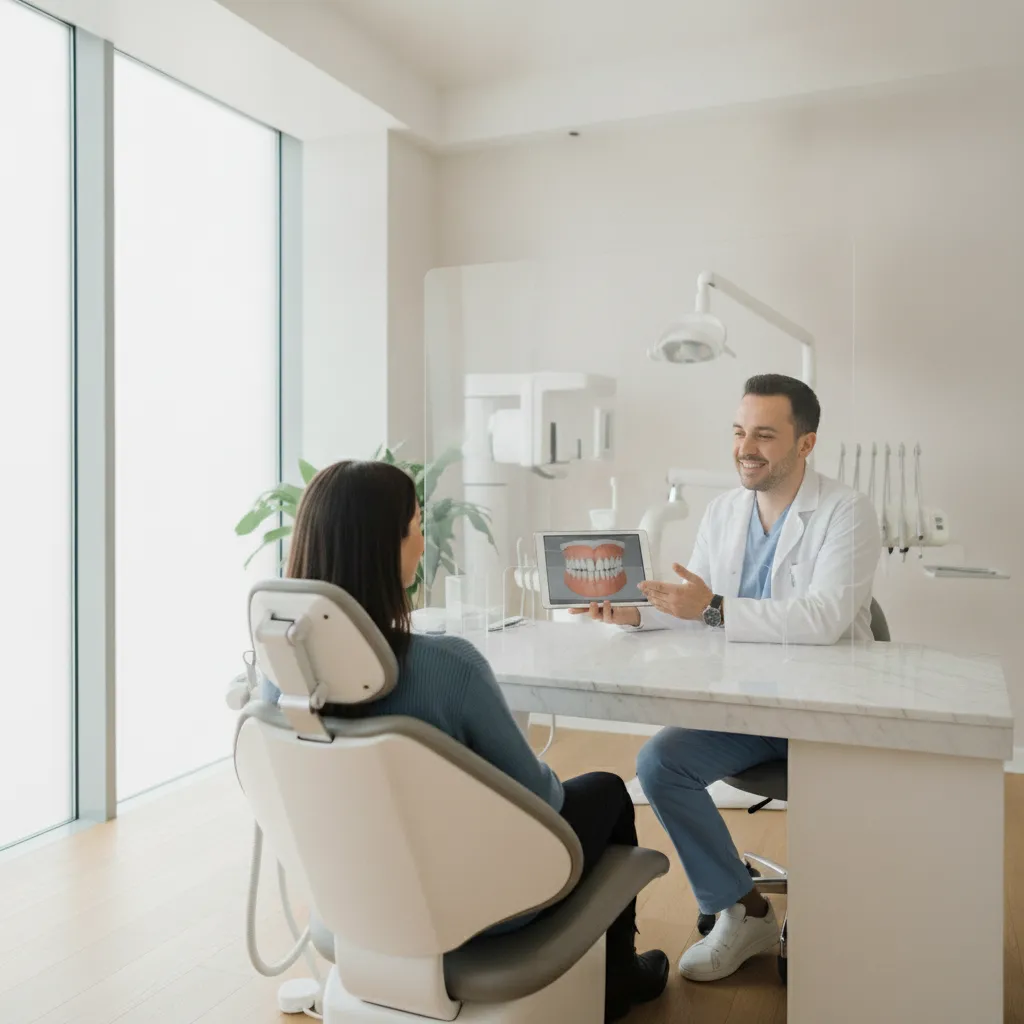
The first step involves extensive research to find a reputable clinic. Look for clinics that name the treating dentist, give a written, itemised treatment plan and explain how aftercare and complications are handled. Once a potential clinic is identified, an initial consultation is arranged, often remotely via video call or by sending dental X-rays and photographs. During this consultation, the patient discusses their dental concerns, medical history, and desired outcomes. The dental team then proposes a detailed treatment plan, including the recommended procedures, the duration of treatment, the number of visits required, and a transparent cost estimate. This stage is crucial for ensuring alignment between patient expectations and the clinic’s capabilities.
The Treatment Journey in Turkey
Upon arrival in Turkey, patients are typically met at the airport and transferred to their accommodation. The initial days involve in-person consultations, further diagnostics such as 3D scans, and a final discussion of the treatment plan. The dental procedures then commence, ranging from a few days for veneers or simple fillings to several days or even multiple visits over a few months for complex implant cases. Clinics often provide translators and patient coordinators to ensure clear communication throughout the process. During this period, patients can also enjoy the local culture and tourist attractions, turning their dental trip into a mini-vacation.
Post-Treatment Care and Long-Term Considerations
After the treatment is complete, the clinic provides detailed aftercare instructions and schedules follow-up appointments, either in person or remotely. It is essential to adhere to these guidelines for optimal healing and longevity of the dental work. Some clinics offer a warranty on their work; ask for the terms in writing and check what it excludes. Patients should understand how post-treatment check-ups and any potential adjustments will be handled upon their return to the UK.
| Phase | Key Actions | Expected Timeline |
|---|---|---|
| 1. Research & Initial Contact | Identify reputable clinics, send medical history/X-rays, receive preliminary treatment plan & quote. | 1-2 weeks |
| 2. Planning & Booking | Finalise treatment plan, book flights & accommodation, arrange airport transfers with clinic. | 2-4 weeks prior to travel |
| 3. Arrival & Consultation | Airport pick-up, settle into accommodation, in-person consultation, 3D scans, final treatment plan confirmation. | Day 1-2 |
| 4. Treatment Procedures | Undergo scheduled dental treatments (e.g., extractions, implant placement, veneer preparation). | 1-5 days (depending on complexity) |
| 5. Recovery & Fitting | Healing period, temporary prosthetics, final fitting of crowns/veneers/implants. | 3-10 days (can be split into two trips for implants) |
| 6. Departure & Aftercare | Receive aftercare instructions, return to UK, remote follow-ups and support. | Day of departure and ongoing |
Ensuring Quality and Safety in Your Dental Tourism Experience
While the benefits of dental tourism are clear, ensuring a safe and high-quality experience is paramount. Diligence in choosing a clinic is crucial.
Accreditation and Professional Standards
Look for clinics that are accredited by international or national dental bodies. Reputable clinics will proudly display their certifications and the qualifications of their dental team. In Turkey, for instance, clinics should be licensed by the Turkish Ministry of Health. Inquire about the materials used – reputable clinics will use internationally recognised brands for implants, crowns, and veneers, often providing warranties for these materials. Furthermore, check for adherence to international hygiene and sterilisation protocols. Transparency in these areas is a strong indicator of a trustworthy clinic.
Comprehensive Aftercare and Support
A critical aspect of dental tourism often overlooked is aftercare. A good clinic will provide clear instructions for post-treatment care and offer accessible support once you return home. This might include remote consultations, emergency contact numbers, and advice on managing any discomfort or complications. Understanding the extent of their commitment to your long-term dental health is essential. Patients should also be aware of the concept of medical tourism, which includes dental tourism, and its implications for travel and healthcare planning.
The Long-Term Benefits of Choosing Dental Tourism
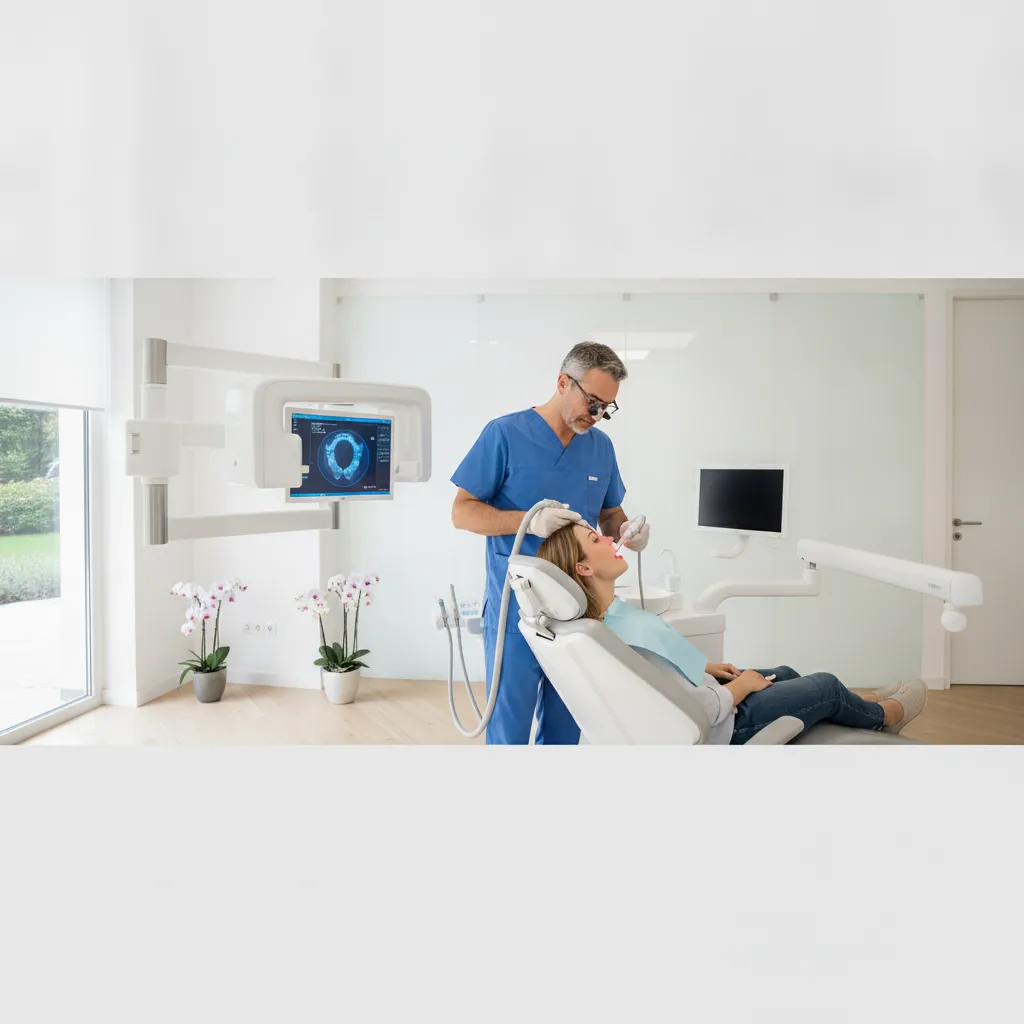
The decision to pursue dental treatment abroad offers more than just immediate savings. It provides access to modern facilities and experienced professionals who are often at the forefront of dental innovation. Many patients report not only significant financial benefits but also a renewed confidence in their smile and overall oral health. The comprehensive nature of treatments available, coupled with efficient scheduling, means that individuals can often achieve extensive dental transformations in a single, well-planned trip. This efficiency reduces the overall time commitment and disruption to daily life, making the investment in dental tourism a valuable one for long-term well-being and aesthetic satisfaction.
Frequently asked questions
What should I check before booking treatment abroad?
The treating dentist's qualifications and registration, a written itemised plan, what happens if something goes wrong, and how aftercare will work once you are home. The General Dental Council publishes guidance for patients going abroad.
Will the NHS fix problems after treatment abroad?
The NHS can deal with urgent problems such as pain or infection, but correcting private work done abroad is generally something you would need to pay for.
Do I need travel insurance?
Yes. Check that your policy covers the planned treatment and any complications, as many standard travel policies exclude medical treatment you travel for.