Cheap vs Premium Dental Clinics UK
Checked by our editorial team. Clinical review by a dentist: planned, not yet done for this article.

When it comes to dental care in the UK, prospective patients often find themselves at a crossroads: should they opt for a seemingly affordable “cheap” clinic, or invest in a “premium” experience? The choice between cheap vs premium dental clinics UK is more complex than just price, impacting everything from the quality of materials and technology used to the long-term health and aesthetics of your smile. Understanding the fundamental differences can empower you to make an informed decision that aligns with your oral health goals and budget.
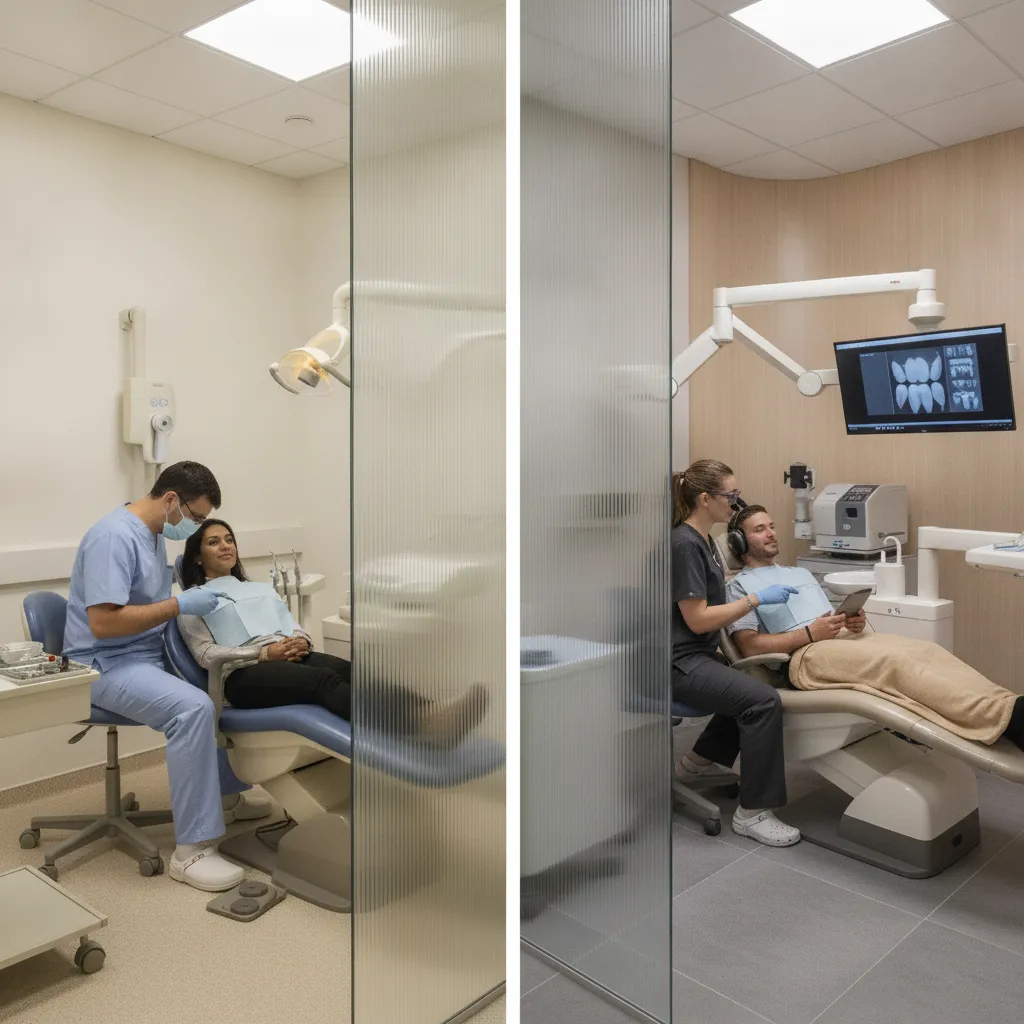
Cheap vs Premium Dental Clinics UK: Navigating Your Choices for Optimal Oral Health
Understanding “Cheap” Dental Clinics in the UK
“Cheap” dental clinics often operate on a model designed to keep costs down, which can translate to lower prices for patients. These clinics might focus predominantly on NHS services, where treatment prices are capped and governed by governmental regulations. While essential for providing accessible care, this model can sometimes limit the scope of services, the time allocated per patient, and the types of materials and technologies employed. For instance, basic fillings, extractions, and routine check-ups are typically well-covered. However, cosmetic procedures, advanced restorative work like complex dental implants, or treatments requiring specialist equipment might be less available or offered at an additional, sometimes unexpected, private cost. The emphasis is often on functional necessity rather than aesthetic enhancement or modern solutions. Staffing may consist of general dentists handling a broad range of cases, often with high patient volumes to maintain profitability at lower price points. This can mean less personalised attention and shorter appointment times.
What Defines “Premium” Dental Clinics?
Premium dental clinics, conversely, differentiate themselves through several key aspects such as longer appointments, specialist input and a wider choice of materials. These clinics typically invest heavily in modern technology, such as 3D imaging (CBCT scans), digital impression systems, and CAD/CAM technology for same-day crowns. They often utilise the highest quality materials, including advanced ceramic restorations, biocompatible implant systems from leading global manufacturers, and durable, aesthetically pleasing veneer materials. A significant hallmark of premium clinics is their team of qualified and experienced dentists, often including specialists in fields such as prosthodontics, periodontics, endodontics, and cosmetic dentistry. These practitioners engage in continuous professional development, staying abreast of the latest techniques and research.
The patient experience at a premium clinic extends beyond clinical excellence. It often includes extended consultation times, comprehensive treatment planning involving multiple specialists, a comfortable and modern clinic environment, and personalised aftercare. The focus is not just on treating immediate problems but on long-term oral health, preventative care, and achieving highly aesthetic and functional results that integrate seamlessly with the patient’s overall well-being. Warranties on treatments and a strong emphasis on follow-up care are also common, reflecting confidence in the quality of their work.
Cheap vs Premium Dental Clinics UK: A Detailed Comparison
The decision between a budget-friendly option and a high-end clinic hinges on various factors. Here’s a comparative breakdown to help illustrate the differences:
| Feature | Cheap Dental Clinics (UK) | Premium Dental Clinics (UK) |
|---|---|---|
| Cost Range | Generally lower, often aligned with NHS pricing for basic services. Private options still exist but aim for affordability. | Significantly higher, reflecting investment in technology, materials, and specialist expertise. |
| Quality of Materials | Standard materials, often chosen for cost-effectiveness (e.g., amalgam fillings, standard composite). | High-grade, biocompatible, and durable materials (e.g., advanced ceramics, premium composites, leading implant brands). |
| Technology & Equipment | Standard diagnostic tools; may lack advanced imaging or digital dentistry technologies. | Modern equipment (CBCT, intraoral scanners, laser dentistry, CAD/CAM for same-day restorations). |
| Range of Services | Primarily covers general dentistry, emergency care, and basic restorative procedures. Limited cosmetic or specialist options. | Comprehensive range, including advanced cosmetic dentistry, complex implants, orthodontics, periodontics, full mouth reconstructions. |
| Dentist’s Experience/Specialisation | General dentists, sometimes with less advanced training or fewer specialisms. High patient volumes. | Experienced general dentists, often with multiple specialists (prosthodontists, oral surgeons, periodontists) on staff. Continuous training. |
| Patient Experience & Amenities | Functional environment, potentially shorter appointments, less emphasis on comfort beyond basic requirements. | Luxurious, comfortable environment; extended appointment times; personalised care, amenities (e.g., sedation options, entertainment). |
| Aftercare & Warranties | Standard follow-up; warranties may be limited or absent. | Comprehensive aftercare plans, robust warranties on treatments, dedicated patient support. |
| Aesthetic Focus | Functional restoration is the primary goal; aesthetics may be secondary. | Strong emphasis on achieving natural-looking, highly aesthetic results alongside functional restoration. |
| Appointment Duration | Often shorter appointments to accommodate more patients. | Longer, more relaxed appointments allowing for thoroughness and patient engagement. |
The Risks Associated with Choosing “Too Cheap”
While the upfront cost of a “cheap” dental clinic might be appealing, it’s crucial to consider the potential long-term implications. Compromised quality can lead to several problems:
- Suboptimal Materials: Cheaper materials may not last as long, leading to premature failure of restorations like fillings or crowns, and requiring more frequent replacements. This can result in higher cumulative costs over time.
- Inadequate Technology: Lack of advanced diagnostic tools might mean underlying issues are missed, or treatments are less precise, potentially leading to complications.
- Limited Treatment Options: If a clinic lacks specialist expertise or equipment, patients might be referred elsewhere for complex procedures, adding to inconvenience and cost.
- Rushed Appointments: Shorter appointment times can lead to less thorough examinations, hurried procedures, and a feeling of being unheard or rushed by the patient.
- Poorer Aesthetic Outcomes: If cosmetic considerations are secondary, the results may not meet expectations for a natural-looking smile.
- Lack of Comprehensive Aftercare: Insufficient follow-up or support can leave patients feeling isolated if issues arise post-treatment. For insights on potential risks, you may want to read about cheap dentists in London.
Ultimately, choosing dentistry solely based on the lowest price can sometimes be a false economy, leading to further dental problems, additional expenses, and even greater discomfort in the future.
The Long-Term Value of “Premium” Dental Care
Investing in premium dental care should be viewed as an investment in your long-term health and well-being. The higher costs often reflect:
- Durability and Longevity: High-quality materials and precise techniques ensure that treatments last longer, reducing the need for replacements and repairs over time.
- Predictable Outcomes: Advanced diagnostics and experienced specialists contribute to more predictable and successful treatment results, especially for complex cases.
- Enhanced Aesthetics: For cosmetic procedures, premium clinics excel at creating natural-looking, harmonious smiles that significantly boost confidence.
- Comprehensive Care: A holistic approach to oral health means that not only are immediate problems addressed, but preventative strategies are also put in place to maintain long-term health.
- Patient Comfort and Confidence: A relaxed environment, sufficient time for consultations, and clear communication reduce anxiety and build trust between patient and practitioner.
- Access to Specialists: The ability to receive specialised care under one roof simplifies the treatment process and ensures smooth coordination among different dental professionals.
This level of care can contribute significantly to better oral health, fewer future complications, and a more pleasant overall dental experience. For more information on the field of dentistry, consider consulting general resources like Wikipedia’s entry on Dentistry.
Making an Informed Decision: Factors Beyond Price
When deciding between cheap vs premium dental clinics UK, several factors beyond just the price tag should guide your choice:
- Your Specific Needs: For a routine check-up and cleaning, a well-regarded general practice (which might fall into the “cheap” or mid-range category) could be perfectly adequate. However, for complex restorative work, dental implants, or smile makeovers, the expertise and technology of a premium clinic become invaluable.
- Clinic Reputation and Reviews: Check the dentist’s GDC registration and ask for a written treatment plan; read online reviews with caution. Look for consistency in positive feedback regarding quality of care, patient experience, and professionalism.
- Dentist’s Qualifications and Experience: Inquire about the dentists’ qualifications, their areas of specialisation, and their experience with the specific procedures you are considering.
- Transparency in Pricing: A good clinic, whether cheap or premium, should offer a clear, itemised treatment plan with transparent costs before any work begins. Beware of hidden fees.
- Consultation Process: A thorough initial consultation, where the dentist takes the time to listen to your concerns, explain treatment options, and answer your questions, is a strong indicator of quality care.
- Location and Convenience: While not directly related to quality, the practicality of accessing the clinic for appointments and follow-ups is an important consideration for your schedule.
- Aftercare and Follow-up: Understand what kind of aftercare and follow-up support is provided, particularly for extensive treatments.
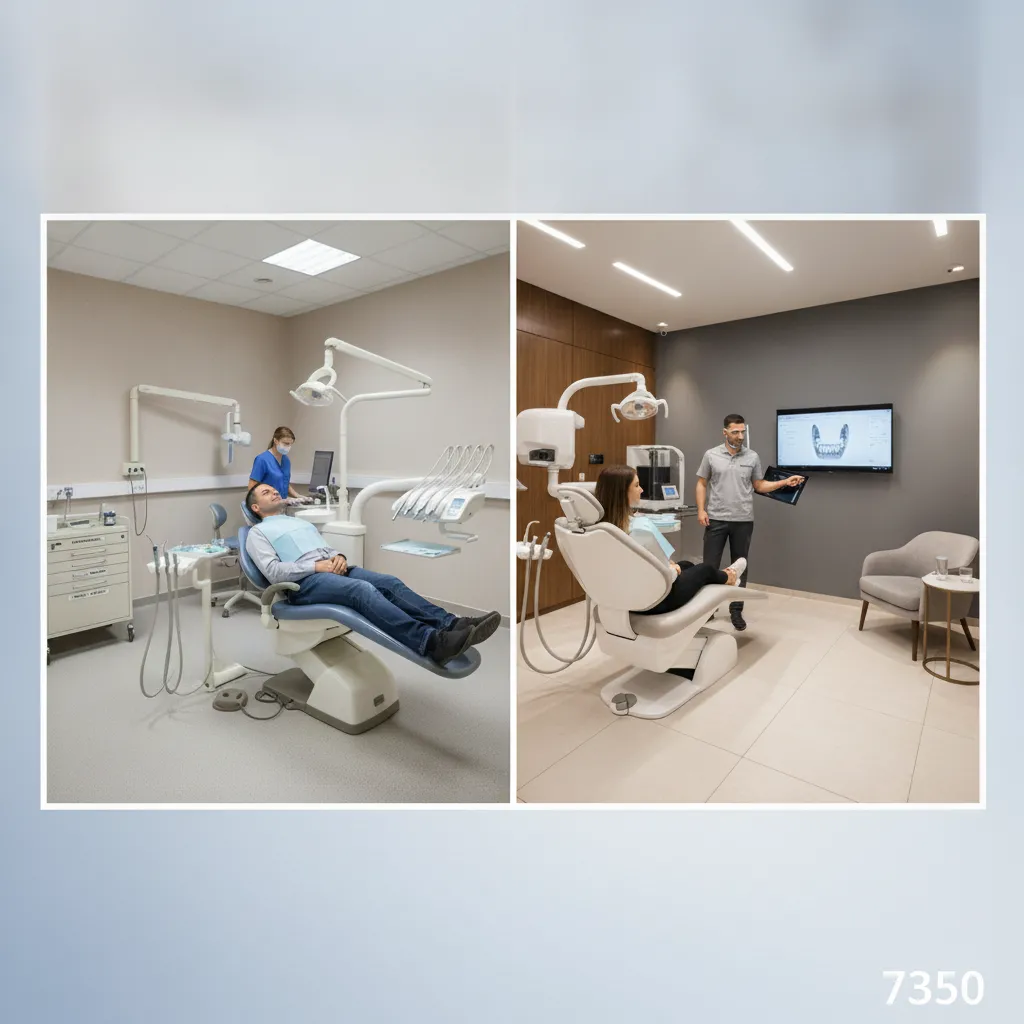
Ultimately, the best dental care is care that is tailored to your individual requirements, delivered by skilled professionals using appropriate materials and technology, and that you feel comfortable and confident pursuing. It’s about finding the right balance between cost, quality, and your personal oral health objectives. Do not hesitate to seek second opinions or ask detailed questions about treatment plans, materials, and potential outcomes before committing to any significant dental work. Your smile and overall health deserve careful consideration.
Frequently asked questions
Does a higher fee mean better dental care?
Not necessarily. Fees reflect location, laboratory, materials, appointment length and overheads. Judge a clinic on the dentist's registration, the examination, the written plan and how complications are handled.
What are warning signs at a low-cost clinic?
Pressure to decide quickly, a quote without a proper examination or X-rays, vague answers about materials, and no clear arrangement for follow-up or complaints.
How do I compare two quotes fairly?
Check that both cover the same items: examination, imaging, materials, laboratory work, temporary restorations, review appointments and any repairs. Ask for both in writing.