Is Dental Tourism Safe for UK Patients?
Checked by our editorial team. Clinical review by a dentist: planned, not yet done for this article.

Is Dental Tourism Safe for UK Patients? This is a question frequently asked by individuals in the United Kingdom considering dental treatment abroad. The prospect of lower fees than at home, often combined with a holiday experience, makes dental tourism an increasingly popular option. However, alongside the obvious benefits, a natural concern arises regarding the safety, quality, and reliability of receiving medical treatment in a foreign country. For UK patients eyeing destinations like Turkey, understanding the landscape of dental safety is paramount to making an informed decision.
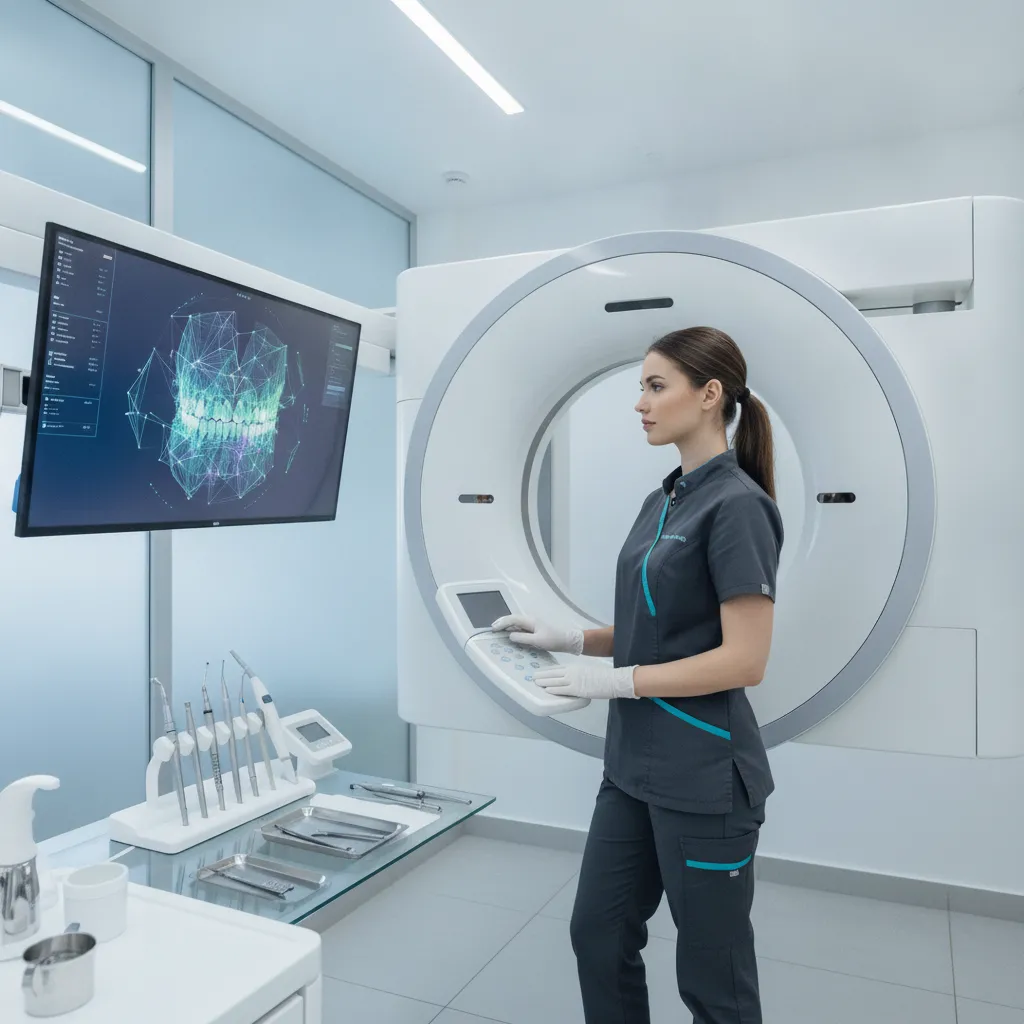
Dental tourism has witnessed a significant boom in recent years, primarily driven by economic factors and the promise of immediate treatment. In the UK, the rising costs of private dental care and the extensive waiting lists for certain NHS treatments often push patients to seek alternatives. In countries popular for dental tourism, such as Turkey, many clinics have invested in modern equipment to attract international patients, but standards vary from clinic to clinic. This commitment to modern infrastructure and expertise often translates into a high standard of care that rivals, and in many cases exceeds, what patients might expect at home.
The perception of safety, however, goes beyond just the quality of the immediate treatment. It encompasses a holistic view, including pre-treatment consultation, the clinical environment, the qualifications of the dental team, post-treatment care, and even the practicalities of travel and communication. Reputable dental clinics catering to international patients understand these concerns and strive to provide comprehensive packages that address every aspect of a patient’s journey, from initial inquiry to final follow-up.
If implants are part of your plan, read our guide to dental implants in Turkey for UK patients before comparing quotes.
Dental Tourism Safe for UK Patients: Understanding the Safety Framework in Turkey
When evaluating the safety of dental tourism in a country like Turkey, it’s essential to consider the regulatory environment and the standards upheld by professional bodies. Turkey has a well-established medical tourism sector, and the government has actively promoted and regulated this industry to ensure high standards. Clinics catering to international patients often adhere to strict national and international guidelines, including those related to hygiene, patient care, and professional conduct.
Accreditation and Certifications
Many leading dental clinics in Turkey actively pursue and obtain international accreditations. These certifications, such as those from ISO (International Organisation for Standardisation), demonstrate a commitment to quality management systems, patient safety, and consistent service delivery. While not all clinics may hold every certification, their presence is a strong indicator of a clinic’s dedication to maintaining high operational and clinical standards. Furthermore, dental professionals in Turkey are required to be registered with the Turkish Dental Association, ensuring they meet specific educational and professional criteria.
Checking the Dentist’s Qualifications
Turkish dentists undergo rigorous training, typically completing a five-year degree programme, followed by specialist training for specific fields like oral surgery, orthodontics, or prosthodontics. Many also pursue further education and training internationally, bringing a global perspective and advanced techniques to their practice. For UK patients, this means access to dentists who are not only highly educated but often have extensive experience in treating international patients, understanding their expectations and specific needs. The continuous professional development expected of dentists further ensures they stay abreast of the latest advancements in dental science and technology.
Facilities and Technology
Modern dental clinics in Turkey often boast modern technology and facilities. This includes advanced diagnostic tools like 3D CT scans for precise treatment planning, digital smile design software for aesthetic treatments, and sophisticated sterilisation equipment. The use of advanced technology not only enhances the precision and effectiveness of treatments but also contributes significantly to patient safety. For example, modern sterilisation techniques prevent cross-contamination, while digital imaging reduces radiation exposure compared to older methods. Modern equipment helps, but it does not replace a careful examination and an experienced dentist.
Rigorous Sterilisation and Hygiene Protocols
One of the most critical aspects of safety in any medical setting is hygiene. Ask the clinic to explain its sterilisation and infection-control procedures; reputable clinics will do so readily. This includes the use of autoclaves for sterilising instruments, disposable items wherever possible, and strict surface disinfection. Patients should feel comfortable asking about these protocols during their initial consultation to ensure their peace of mind. A clean, organised clinic environment is a non-negotiable aspect of safe dental care, regardless of location.
Comprehensive Treatment Planning and Communication
A safe dental tourism experience begins long before a patient travels. Reputable clinics engage in thorough pre-treatment consultations, often conducted remotely via video calls, to assess the patient’s needs, review medical history, and discuss treatment options. This stage is crucial for ensuring that the proposed treatment is appropriate and safe for the individual. Clear and transparent communication about the treatment plan, expected outcomes, potential risks, and costs is vital. Many clinics provide dedicated patient coordinators who speak English to facilitate smooth communication and ensure all questions are answered comprehensively.
Aftercare and Follow-up Procedures
Safety extends beyond the treatment itself to the post-operative period. Reputable clinics provide detailed aftercare instructions and ensure patients understand how to manage their recovery. This often includes guidance on medication, oral hygiene, and dietary restrictions. For international patients, follow-up procedures are also crucial. Many clinics offer remote consultations for post-treatment check-ups, and in some cases, may have partnerships with dentists in the UK for local follow-up care. Understanding the aftercare plan before committing to treatment is a key indicator of a clinic’s commitment to long-term patient well-being.
Navigating the journey for dental treatment from the UK can be made smoother by choosing clinics that prioritise patient support. Patients can learn more about practical considerations by visiting resources like how to travel for dental treatment from the UK. This proactive approach ensures that all logistical and medical aspects are thoroughly planned and addressed.
What to Check Instead of Testimonials
Reviews and testimonials are not a safety measure and can be selective. A written, itemised treatment plan, the dentist’s registration details and clear terms for complications tell you more. Websites, forums, and social media platforms can provide honest feedback on a clinic’s safety protocols, patient care, and overall satisfaction. A clinic with a consistent record of positive patient experiences is generally a more reliable choice. However, it is always wise to approach such information critically and cross-reference multiple sources. More general information regarding the global phenomenon of medical tourism can be found on authoritative sites such as Wikipedia’s page on Medical Tourism, which highlights the broader context of health travel.
The Role of the Patient in Ensuring Safety
Ultimately, the safety of dental tourism rests significantly on the patient’s shoulders. Conducting thorough research is non-negotiable. This includes:
- Verifying Clinic Credentials: Check for accreditations, certifications, and affiliations.
- Researching Dentist Qualifications: Ensure your chosen dentist is registered and specialised in the required area.
- Requesting Detailed Treatment Plans: Ask for a comprehensive breakdown of the procedure, materials used, and costs.
- Understanding Payment Structures: Be clear on what’s included and any potential hidden fees.
- Asking About Guarantees: Inquire about warranties on treatments like implants or veneers and what they cover.
- Preparing for Travel: Ensure your passport, visa (if needed), and travel insurance are in order.
An engaged patient who asks questions, seeks clarification, and prepares adequately is better positioned to have a safe and successful dental tourism experience. Choosing a reputable clinic that offers comprehensive support and transparency from the outset greatly mitigates potential risks. The overall consensus is that with diligent research and careful selection, dental tourism can indeed be a very safe and rewarding option for UK patients seeking high-quality, affordable dental care.
Frequently asked questions
Is dental treatment in Turkey safe for UK patients?
It can be, but standards vary between clinics. The main risks come from rushed treatment plans, too little healing time and limited follow-up once you are home.
How can I reduce the risks?
Check the dentist's registration, ask for a written itemised plan, allow enough time for healing between stages, and arrange aftercare in the UK before you travel.
What happens if something goes wrong when I am back in the UK?
The NHS can treat urgent problems, but correcting the work may need private treatment or a return trip. Ask the clinic in writing how complications are handled.