Veneers vs Crowns – UK Patient Guide
Checked by our editorial team. Clinical review by a dentist: planned, not yet done for this article.

Veneers vs Crowns – UK Patient Guide
Navigating the world of cosmetic and restorative dentistry can be complex, especially when faced with options like veneers and crowns. For many individuals in the UK considering enhancing their smile or restoring damaged teeth, understanding the fundamental differences between these two popular treatments is crucial. While both serve to improve the appearance and function of teeth, they are designed for different purposes and involve distinct procedures. This comprehensive guide aims to demystify veneers and crowns, offering a detailed comparison to help UK patients make informed decisions about their dental health.
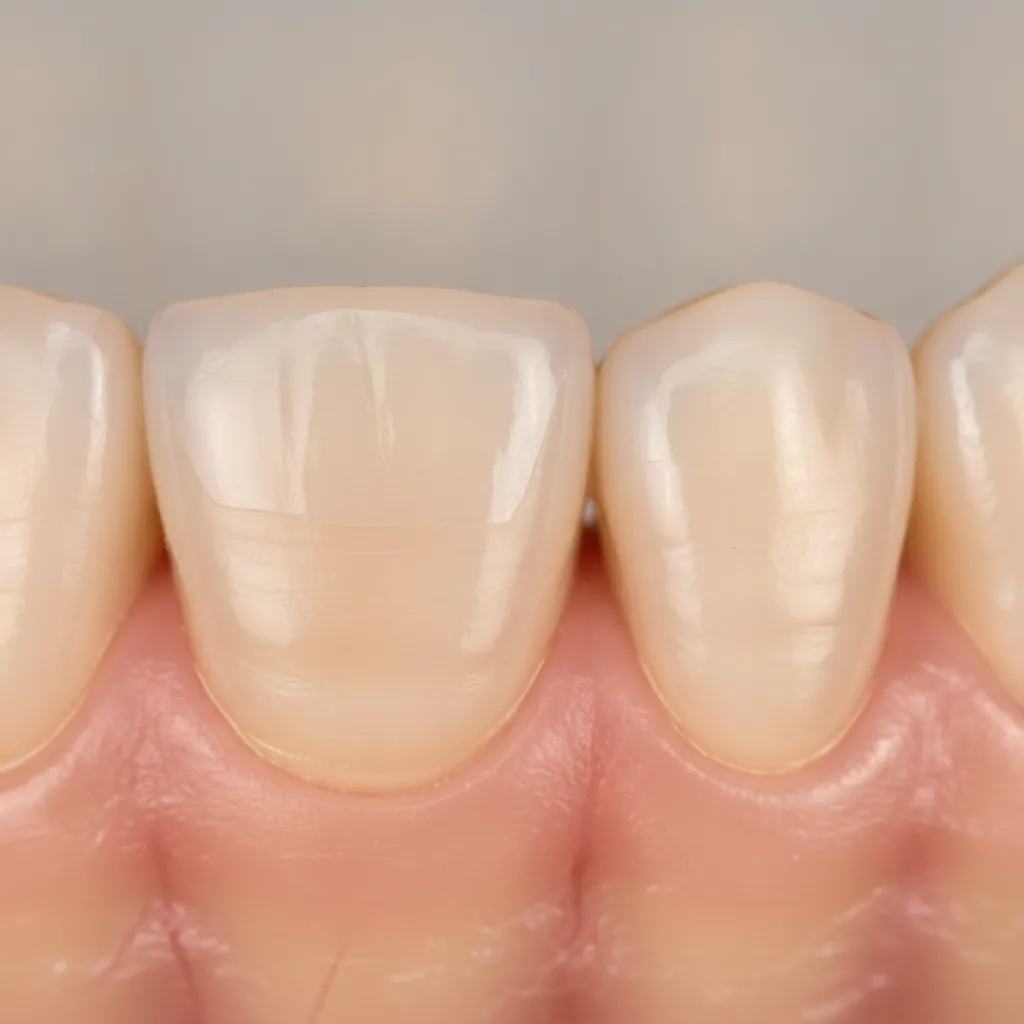
Understanding Dental Veneers: The Cosmetic Enhancement
Dental veneers are thin, custom-made shells typically crafted from porcelain or resin composite material, designed to cover the front surface of teeth. Their primary role is aesthetic improvement, addressing various cosmetic concerns such as discolouration, minor chips, slight misalignments, or gaps between teeth. Veneers offer a way to achieve a uniform, brighter, and more symmetrical smile with a minimally invasive approach compared to other restorative options.
When are Veneers Recommended?
Veneers are an excellent choice for individuals seeking to correct cosmetic imperfections without significant structural damage to their teeth. Common reasons for choosing veneers include:
- Severe Discolouration: Stains that do not respond to professional whitening treatments.
- Minor Chips or Cracks: Superficial damage that affects appearance.
- Small Gaps: Closing small spaces between teeth.
- Irregularly Shaped or Sized Teeth: Correcting inconsistencies in tooth appearance.
- Mild Misalignment: Providing the appearance of straighter teeth without orthodontics.
The procedure typically involves a consultation, followed by minimal preparation of the tooth enamel (often less than 0.5 mm is removed) to ensure a smooth fit. Impressions are taken, and the veneers are fabricated in a dental lab. Once ready, they are bonded securely to the tooth surface, transforming the smile. This relatively quick process means patients can often achieve their desired aesthetic outcome within two appointments.
Benefits and Considerations of Veneers
The benefits of veneers are primarily aesthetic. They provide a natural-looking finish, are stain-resistant, and can dramatically improve smile confidence. However, it’s important to consider that the enamel removal process is irreversible, meaning the teeth will always require some form of covering. Veneers are also not suitable for teeth with extensive decay, large fillings, or those that have undergone root canal treatment, as they lack the structural reinforcement these teeth often require.
Exploring Dental Crowns: The Restorative Solution
Dental crowns, often referred to as “caps,” are custom-made coverings that encase the entire visible portion of a damaged tooth, from the gum line up. Unlike veneers, which primarily address surface aesthetics, crowns are designed to restore a tooth’s strength, shape, size, and appearance. They provide a comprehensive solution for teeth that have suffered significant damage or decay. Crowns can be made from various materials, including porcelain, ceramic, metal alloys, or a combination, with porcelain-fused-to-metal being a common choice. The choice of material often depends on the tooth’s location, the patient’s aesthetic preferences, and budget.
When are Crowns Recommended?
Crowns are typically recommended for more significant dental issues where a veneer would not provide adequate support or protection. Key indications for crowns include:
- Extensive Decay: When a tooth has significant decay that cannot be effectively restored with a filling.
- Large Fillings: To protect a weak tooth from fracturing after a large filling.
- Post-Root Canal Treatment: To protect a tooth that has become brittle and prone to fracture after root canal therapy.
- Fractured or Severely Worn Teeth: To restore the tooth’s original shape and function.
- Dental Implant Restoration: As the visible part of a dental implant, replacing a missing tooth.
- Cosmetic Purposes: To cover severely discoloured or poorly shaped teeth when veneers are not an option due to underlying structural issues.
The crown procedure is more extensive than that for veneers. It involves significant reshaping of the tooth to create enough space for the crown to fit over it. Impressions are taken, and a temporary crown is usually placed while the permanent one is being fabricated. Once the custom crown is ready, it is permanently bonded over the prepared tooth.
Benefits and Considerations of Crowns
The main advantages of dental crowns lie in their ability to provide strength, durability, and protection to a compromised tooth. They can withstand significant biting forces and are an excellent long-term solution for maintaining tooth integrity. While crowns also offer aesthetic improvements, their primary function is restorative. Considerations include the more invasive nature of the preparation, potential for temporary sensitivity, and generally higher cost compared to veneers, depending on the material. Furthermore, the extensive tooth reduction required means that the procedure is irreversible.
Veneers vs Crowns – UK Patient Guide
To help UK patients clearly distinguish between these two treatments, here is a detailed comparison:
| Feature | Dental Veneers | Dental Crowns |
|---|---|---|
| Primary Purpose | Cosmetic enhancement, minor corrections | Restoring strength, shape, size, and aesthetics to damaged teeth |
| Tooth Preparation | Minimal enamel removal (front surface only), sometimes no preparation | Significant reshaping of the entire tooth (all sides) |
| Coverage Area | Covers the front surface of the tooth | Covers the entire visible portion of the tooth |
| Indicated For | Discolouration, chips, gaps, minor misalignment, irregular shape (cosmetic) | Extensive decay, large fillings, fractures, post-root canal, severe wear, dental implants |
| Strength/Durability | Good for cosmetic purposes, generally less robust for biting forces | Excellent, designed to withstand significant biting forces and protect the tooth |
| Material Options | Porcelain, composite resin | Porcelain, ceramic, metal, porcelain-fused-to-metal (PFM), zirconia |
| Cost Implications (UK) | Generally lower per tooth than crowns, but varies widely. | Generally higher per tooth than veneers, also varies widely by material and clinic. |
| Invasiveness | Less invasive (enamel preservation) | More invasive (significant tooth reduction) |
| Longevity | Typically 7-15 years with proper care | Typically 10-20 years or more with proper care |
Choosing the Right Treatment for Your Needs
Deciding between veneers and crowns requires a thorough evaluation of your individual dental needs, aesthetic goals, and overall oral health. For a UK patient, the process usually begins with a comprehensive consultation with an experienced dental professional. During this appointment, the dentist will:
- Assess Your Oral Health: This includes checking for decay, gum disease, and the structural integrity of your teeth.
- Discuss Your Aesthetic Goals: Understanding what you want to achieve with your smile is paramount. Do you want to brighten your smile, close a small gap, or address a severely damaged tooth?
- Evaluate Tooth Condition: The extent of existing damage or discolouration will largely dictate which treatment is most appropriate. If the tooth is structurally sound with only cosmetic flaws, veneers might be ideal. If it’s heavily damaged, weakened, or has undergone a root canal, a crown is likely necessary.
- Consider Budget and Lifestyle: Both treatments are significant investments. Discussing the cost of veneers and smile design and crowns, as well as maintenance requirements, is crucial.
Ultimately, the choice is a collaborative decision between you and your dentist. They will provide personalised recommendations based on clinical findings and your desired outcome. It’s important to remember that while veneers primarily enhance appearance, crowns are critical for restoring function and protecting compromised teeth from further damage.
Aftercare and Longevity
Regardless of whether you choose veneers or crowns, proper aftercare is essential for ensuring their longevity and maintaining your oral health. This includes:
- Diligent Oral Hygiene: Brushing twice daily and flossing once a day helps prevent decay and gum disease, which can compromise the integrity of your restorations.
- Regular Dental Check-ups: Visiting your dentist in the UK for routine examinations and professional cleanings allows them to monitor the condition of your veneers or crowns and address any potential issues early.
- Avoid Hard or Sticky Foods: Biting directly into very hard foods (like ice, hard candies) or tearing at sticky foods can damage both veneers and crowns.
- Wear a Night Guard (if recommended): If you clench or grind your teeth (bruxism), a custom night guard can protect your restorations from excessive force.

With proper care, porcelain veneers can last anywhere from 7 to 15 years, while dental crowns often last 10 to 20 years or even longer. The lifespan can vary significantly based on material, oral hygiene, and habits. Maintaining excellent oral hygiene and attending regular dental appointments are the best ways to maximise the lifespan of your dental restorations. For more information on dental health, you can consult resources like Wikipedia’s entry on Dental Crowns.
Navigating the choice between veneers and crowns requires careful consideration and expert guidance. For UK patients, understanding the distinctions between these treatments is the first step towards achieving a healthy, beautiful, and functional smile.