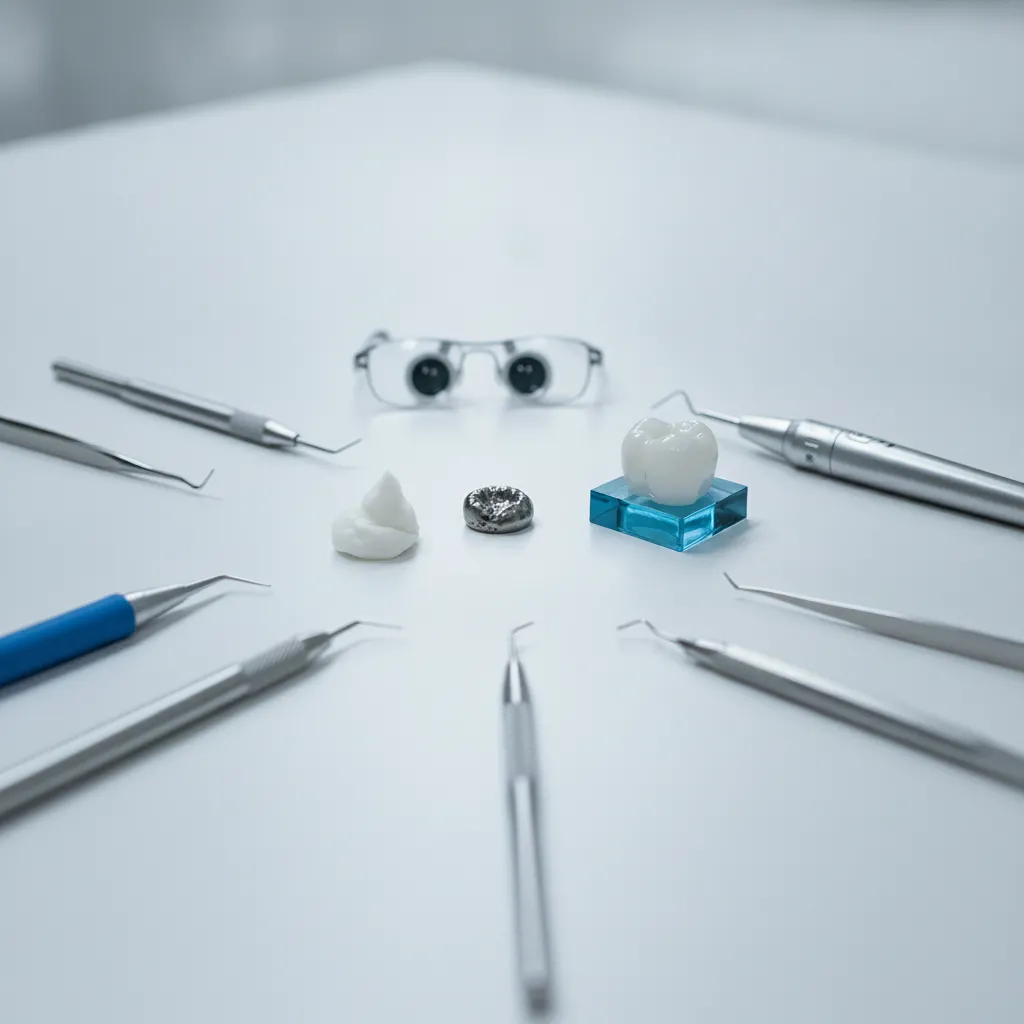
By Dental Implant Turkey editorial teamPublished Updated 8 min read
Checked by our editorial team. Clinical review by a dentist: planned, not yet done for this article.
Family Dentist Prices UK Explained: Navigating the complexities of dental costs in the United Kingdom requires a clear understanding of the various options available, from NHS services to comprehensive private care. For families, ensuring consistent, high-quality dental care is a top priority, yet the financial aspect can often feel daunting. This guide aims to demystify the pricing structures, highlight factors influencing costs, and provide a comprehensive overview to help you make informed decisions for your family’s oral health.
Family Dentist Prices UK: Making informed decisions about NHS and private dental care for your family.
Understanding Family Dentist Prices UK
Navigating dental care in the UK involves understanding two distinct systems: the National Health Service (NHS) and private dental practices. Each operates with its own pricing model, service scope, and availability, significantly impacting family dentist prices across the country.
NHS Dental Care: The Foundation of UK Dentistry
The NHS provides essential dental treatment needed to maintain good oral health. Its pricing structure is standardised across England, with three distinct charge bands, making it predictable for patients.
Band 1 (£27.90): Covers an examination, diagnosis (including X-rays), and advice on preventing future problems. If necessary, it also includes a scale and polish, and preventative care such as fluoride varnish or fissure sealant.
Band 2 (£76.60): Includes all treatments covered by Band 1, plus additional treatments such as fillings, root canal treatment, or extractions.
Band 3 (£332.10): Covers all treatments in Bands 1 and 2, plus more complex procedures like crowns, dentures, or bridges.
NHS charges shown are the England rates: Band 1 £27.90, Band 2 £76.60, Band 3 £332.10, urgent treatment £27.90 (source: NHS, checked October 2026). Charges are different in Scotland, Wales and Northern Ireland.
It’s important to note that these charges cover a course of treatment, not individual appointments. If you need multiple treatments within the same band, you only pay once. However, some treatments, particularly cosmetic procedures like teeth whitening or orthodontic work solely for aesthetic reasons, are generally not available on the NHS. The primary limitation often faced by families is the availability of NHS appointments, which can lead to longer waiting times or difficulty finding a practice accepting new NHS patients.
The Private Dental Sector: Flexibility and Enhanced Options
Private dental care offers a broader range of treatments, often with greater flexibility in appointment times, choice of materials, and access to advanced technology. While typically more expensive than NHS treatment, private practices often provide a more personalised experience, shorter waiting lists, and access to cosmetic enhancements not covered by the NHS. Prices in the private sector are set by individual practices and can vary significantly based on location, the dentist’s experience, and the specific treatments offered. Many families opt for private dentistry due to the convenience, speed of access, and the ability to choose specific aesthetic outcomes for their dental health.
Key Factors Influencing Dental Costs in the UK
Several variables contribute to the ultimate cost of family dental care in the UK, making it essential to understand these elements when budgeting for your family’s oral health.
Geographic Location and Practice Overhead
Just as with property, dental service costs often reflect the cost of living and operating a business in a specific area. Practices in affluent city centres, such as London or other major UK cities, typically have higher overheads (rent, salaries, utility costs) and consequently charge more for their services compared to those in smaller towns or rural areas. This means that a standard filling could cost considerably more in central London than in a provincial town. Proximity to London, for instance, often sees a noticeable increase in prices. To get a comprehensive understanding of regional variations, consider exploring specific guides such as Dentist Prices in Birmingham: Complete Guide, which provides detailed insights into costs in different UK cities.
Treatment Complexity and Materials Used
The intricacy of a dental procedure plays a significant role in its cost. A simple extraction will naturally be less expensive than a complex wisdom tooth removal requiring surgical intervention. Similarly, the materials chosen for treatments heavily influence the price. For instance, white composite fillings are generally more expensive than amalgam (silver) fillings due to the material cost and the detailed technique required for placement. Ceramic crowns, which offer superior aesthetics and durability, will cost more than metal or PFM (porcelain-fused-to-metal) crowns. The use of advanced dental technology, such as digital X-rays, 3D scanning, or laser dentistry, also contributes to the overall cost but often leads to more precise, efficient, and comfortable treatments.
Dentist’s Experience and Technology Investment
Experienced dentists, specialists (e.g., orthodontists, periodontists, endodontists), or those who have invested significantly in advanced training and modern equipment may command higher fees. This is often justified by their expertise, the quality of care provided, and the success rates of complex procedures. A practice that boasts modern diagnostic tools or offers advanced aesthetic treatments might have higher baseline prices, reflecting their investment in providing premium care.
Common Family Dental Treatments and Approximate Costs
To provide a clearer picture of potential expenses, here’s an overview of common dental treatments for families, with approximate private costs and their NHS equivalents. Please note that private costs are estimates and can vary widely.
Treatment
Description
NHS Band (England)
Dental Examination (Check-up)
Comprehensive oral health assessment, including basic screening for issues.
Band 1 (£27.90)
X-ray (Per film)
Diagnostic imaging to detect hidden problems like decay or bone loss.
Included in Band 1
Scale and Polish (Hygienist Visit)
Professional cleaning to remove plaque and tartar, improving gum health.
Included in Band 1 (basic)
Composite Filling (White)
Tooth-coloured filling material for restoring decayed teeth.
Band 2 (£76.60)
Amalgam Filling (Silver)
Traditional silver-coloured filling material.
Band 2 (£76.60)
Tooth Extraction (Simple)
Removal of a single tooth due to decay, trauma, or overcrowding.
Band 2 (£76.60)
Root Canal Treatment
Removes infected pulp from a tooth, saving it from extraction. Cost varies by tooth.
Band 2 (£76.60)
Dental Crown (Ceramic/Porcelain)
Caps a damaged tooth, restoring its shape, size, and strength.
Band 3 (£332.10)
Dental Bridges (Per Unit)
Replaces one or more missing teeth by joining a false tooth to adjacent teeth.
Band 3 (£332.10)
Dentures (Full or Partial)
Removable appliances to replace missing teeth and surrounding tissues.
Band 3 (£332.10)
Fissure Sealants (Children)
Protective coating applied to the chewing surfaces of back teeth to prevent decay.
Included in Band 1
Fluoride Varnish (Children)
Topical application to strengthen tooth enamel and prevent cavities.
Included in Band 1
Preventative Care: A Smart Investment
Investing in preventative care like regular check-ups, professional cleanings, fluoride treatments, and fissure sealants for children can significantly reduce the likelihood of needing more extensive and costly treatments down the line. Preventative measures, though seemingly small expenses, are crucial for maintaining long-term oral health and managing overall family dental costs. Understanding the importance of this can save families considerable financial strain and discomfort in the future.
Restorative Treatments: Addressing Dental Issues
When decay or damage occurs, restorative treatments become necessary. Fillings, extractions, and root canal treatments are common procedures designed to repair damage, alleviate pain, and prevent further deterioration of oral health. The choice between NHS and private for these treatments often boils down to material preferences (e.g., white vs. silver fillings), waiting times, and the dentist’s specific techniques. Private options may offer a wider choice of materials and sometimes more advanced techniques, which can influence both the cost and the aesthetic outcome.
Advanced Procedures: When More is Needed
For more significant dental issues, such as missing teeth or extensive damage, advanced procedures like crowns, bridges, and dentures become options. While these fall under Band 3 on the NHS, private clinics offer a vast array of materials and customisation options, which can lead to higher costs but also potentially superior aesthetics, durability, and comfort. For example, a porcelain crown in a private clinic might be indistinguishable from a natural tooth, whereas an NHS crown might have more basic material options.
Strategies for Managing UK Family Dental Costs
Managing the costs associated with family dentistry requires a proactive approach and a clear understanding of your options.
NHS vs. Private: Making the Right Choice for Your Family
The decision between NHS and private dental care often involves a trade-off between cost and choice. For essential treatments, the NHS provides a cost-effective solution, especially for those on lower incomes or with children who benefit from free examinations. However, if flexibility, speed of access, cosmetic options, or specific material preferences are high priorities, private dentistry might be the preferred route. Many families opt for a hybrid approach, using the NHS for basic check-ups and children’s preventative care, while considering private options for more complex or aesthetic treatments. Understanding the details of NHS dental charges can help in this decision-making process.
Exploring Dental Payment Plans and Insurance
Many private dental practices offer various payment plans, including interest-free credit options for larger treatments, allowing families to spread the cost over several months. Dental insurance policies are another way to manage costs, covering a percentage of treatment fees (both routine and sometimes complex procedures) in exchange for a monthly premium. It is important to compare different plans and understand what they cover, as policies vary significantly. Some workplace benefits packages may also include dental coverage.
The Value of Regular Check-ups and Preventative Measures
The single most effective strategy for managing family dental costs in the long term is consistent preventative care. Regular check-ups enable dentists to identify and address minor issues before they escalate into painful, expensive, and time-consuming problems. Maintaining good oral hygiene at home, combined with professional cleanings and preventative treatments, reduces the need for complex restorative work, ultimately saving money and discomfort.
Family Dentist Prices UK are influenced by treatment complexity and chosen dental materials like crowns
When selecting a family dentist, price is undeniably a factor, but it should not be the sole determinant. Consider the dentist’s qualifications, experience, and the practice’s reputation. Look for patient reviews, assess the clinic’s atmosphere, and inquire about their approach to children’s dentistry. A good family dentist will not only offer clear pricing but also provide comprehensive care, make patients feel comfortable, and focus on educating families about preventative strategies. Ultimately, the best investment is in a dentist who provides quality care that aligns with your family’s health goals and financial comfort.
Frequently asked questions
Is NHS dental treatment free for children?
Yes. In England, NHS dental treatment is free for under-18s and for under-19s in full-time education.
How are NHS charges worked out for adults?
In England you pay one charge per course of treatment, set by the highest band of treatment you need (Band 1, 2 or 3).
How can families keep dental costs down?
Regular check-ups, fluoride toothpaste, fewer sugary snacks and drinks, and treating problems early usually cost less than treating them once they are advanced.
Answered by email or phone
A real replyOur partner clinic in Istanbul answers by email or phone.
No obligationYou are never obliged to book treatment.
PrivatePassed only to our partner clinic, and only with your consent.
Questions about Dental Procedures?
Your question goes to our partner clinic in Istanbul, which answers by email or phone. Nobody can diagnose you or plan treatment without examining you, so please leave out detailed health information.
What happens to your details: they are stored in our enquiry system and sent to Özel Natural Clinic Tıp Merkezi, a dental clinic in Istanbul, Türkiye, which contacts you by email or phone. This means your details are transferred outside the UK. See our Privacy Policy and how this site is funded.
Ask a short question. It is passed to our partner clinic in Istanbul, which gets back to you by email or phone. There is no obligation to book anything.
Reply by email or phone
No obligation
Passed only to our partner clinic
What happens to your details: they are stored in our enquiry system and sent to Özel Natural Clinic Tıp Merkezi, a dental clinic in Istanbul, Türkiye, which contacts you by email or phone. This means your details are transferred outside the UK. See our Privacy Policy and how this site is funded.