By Dental Implant Turkey editorial teamPublished Updated 9 min read
Checked by our editorial team. Clinical review by a dentist: planned, not yet done for this article.
Dental Crowns Birmingham – Price Breakdown
Navigating the world of dental treatments can often feel overwhelming, particularly when trying to understand the financial implications of essential restorative procedures. Dental crowns are a cornerstone of modern dentistry, offering both functional restoration and aesthetic enhancement for damaged teeth. For residents of Birmingham and surrounding areas, understanding the factors that influence the cost of dental crowns is crucial for making informed decisions about oral health. This comprehensive guide will break down the pricing landscape for dental crowns in Birmingham, ensuring you have a clear picture of what to expect and how to invest wisely in your smile.
A dental crown, often referred to as a “cap,” is a custom-made covering that encases the entire visible portion of a damaged tooth, restoring its shape, size, strength, and improving its appearance. Crowns are a versatile solution for a variety of dental issues, ranging from protecting a weakened tooth from fracture to covering a dental implant. They are designed to blend seamlessly with your natural teeth, providing a long-lasting and durable restoration that can withstand the daily rigours of chewing and biting.
The decision to get a dental crown is often driven by necessity. A tooth may become weakened due due to extensive decay, large fillings, cracks, or after a root canal procedure. In such cases, a crown provides the necessary protection to prevent further damage and preserve the tooth’s integrity. Beyond structural support, crowns play a significant role in cosmetic dentistry, used to cover discoloured or poorly shaped teeth, thereby enhancing the overall aesthetics of your smile. Understanding the fundamental purpose of a dental crown sets the stage for appreciating the value they bring, both functionally and aesthetically.
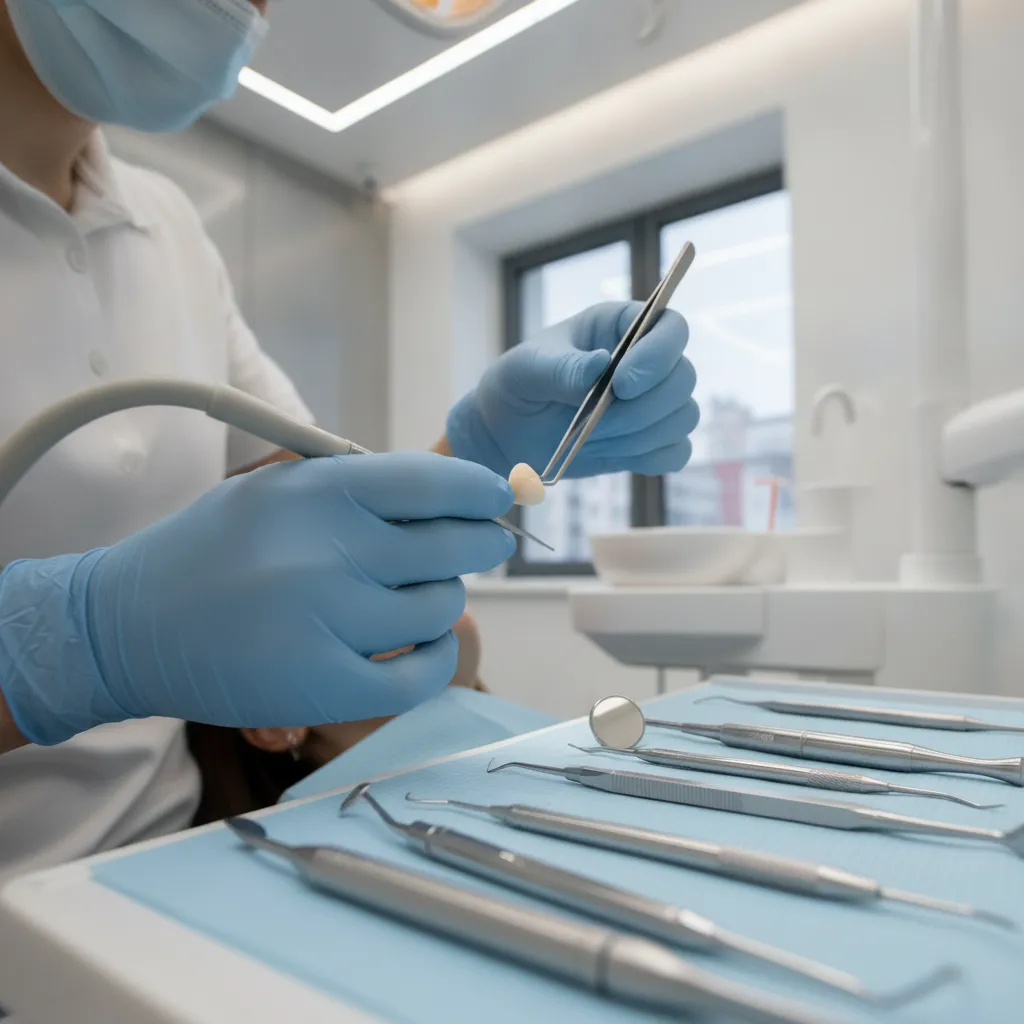
Dentist fitting a crown on a back tooth
Types of Dental Crowns and Their Characteristics
The material used for a dental crown is one of the primary determinants of its cost, durability, and aesthetic appeal. Advances in dental technology have introduced a variety of materials, each with unique properties suited to different patient needs and preferences.
Porcelain-Fused-to-Metal (PFM) Crowns
PFM crowns have been a traditional choice for many years, offering a blend of strength and aesthetics. They consist of a metal alloy base covered with a layer of porcelain. The metal provides the necessary strength, making them durable for both front and back teeth. The porcelain layer is colour-matched to your natural teeth, offering a reasonably aesthetic result. However, the metal base can sometimes create a dark line at the gum line, especially as gums recede over time. While strong, the porcelain can chip, and the underlying metal might become visible, impacting their long-term aesthetic appeal, particularly in highly visible areas.
All-Ceramic (Porcelain) Crowns
These crowns are made entirely from porcelain or other ceramic materials, making them an excellent choice for front teeth where aesthetics are paramount. They provide the most natural look, mimicking the translucency and colour of natural tooth enamel. All-ceramic crowns are metal-free, eliminating the risk of a dark gum line. While very aesthetic, older generations of all-ceramic crowns were less strong than PFM, making them less suitable for molars that endure significant chewing forces. Modern ceramics have improved significantly in strength, broadening their application.
Zirconia Crowns
Zirconia is a relatively newer material in dentistry, known for its exceptional strength and durability, rivalling that of metal. It is a white crystalline oxide of zirconium, making it a highly biocompatible material. Zirconia crowns are ideal for back teeth where biting forces are strong, and they can also be used for front teeth due to their improved aesthetics compared to PFM. While not as translucent as all-porcelain crowns, advancements in multilayered zirconia have significantly improved their natural appearance. They are highly resistant to chipping and fracturing.
E-max Crowns
E-max crowns are a type of all-ceramic crown made from lithium disilicate glass-ceramic, known for its natural-looking appearance and good strength. They are exceptionally translucent, making them perfect for front teeth where a natural, vibrant appearance is desired. E-max offers an excellent balance between strength and beauty, providing a durable and highly aesthetic restoration. They are often chosen for smile makeovers due to their ability to blend seamlessly with existing teeth.
Dental Crowns Birmingham – Price Breakdown
Understanding the cost of dental crowns in Birmingham requires considering several influencing factors beyond just the material. While material choice is significant, the overall price is a reflection of the complexity of the case, the expertise of the dental professional, and the overheads of the clinic itself.
Factors Influencing the Cost of Dental Crowns
The price of a dental crown is not a one-size-fits-all figure. Several elements contribute to the final cost:
* Material Choice: As discussed, different materials carry different production costs due to their properties and manufacturing processes. Zirconia and E-max crowns, for instance, generally fall into a higher price bracket than PFM crowns due to their advanced aesthetics and durability.
* Complexity of the Case: Some teeth require more preparatory work before a crown can be fitted. If the tooth has extensive decay, a previous large filling, or has undergone a root canal, additional procedures like a core buildup (filling material to support the crown) might be necessary. This adds to the overall treatment cost.
* Dentist’s Experience and Location: Experienced dentists, specialists, or practices in prime locations often have higher fees due to their expertise, advanced equipment, and higher operational costs. Location within Birmingham can also play a role, with city centre practices potentially having higher price points than those in suburban areas.
* Diagnostic Procedures: Before a crown can be designed and placed, diagnostic procedures such as X-rays and comprehensive examinations are essential. These are typically included in the overall cost or billed separately.
* Temporary Crown: A temporary crown is placed while your permanent crown is being fabricated in the lab. This protects the prepared tooth and maintains aesthetics during the interim period. This cost is usually part of the overall crown procedure.
* Lab Fees: The dental laboratory that fabricates your custom crown charges a fee to the dentist, which is then passed on to the patient. The quality and technology used by the lab can also influence this cost.
To provide a clearer perspective, here’s an estimated price breakdown for various crown types in Birmingham. Please note these are approximate ranges and actual costs can vary significantly between clinics.
Crown Type
Description
Porcelain-Fused-to-Metal (PFM)
Metal base with porcelain layer. Good strength, decent aesthetics.
All-Ceramic (Porcelain)
Made entirely of porcelain. Excellent aesthetics, less strong than zirconia.
Zirconia
Highly durable and strong, good aesthetics. Ideal for back teeth.
E-max
Lithium disilicate glass-ceramic. Superior aesthetics, good strength.
These figures generally encompass the full procedure, including consultation, tooth preparation, impression taking, a temporary crown, and the final placement. It’s always advisable to request a detailed breakdown from your chosen dental practice.
The Dental Crown Procedure: Step-by-Step
Understanding the process involved in getting a dental crown can demystify the treatment and help patients feel more prepared. Typically, the procedure involves two appointments.
Initial Consultation & Diagnosis
Your journey begins with a thorough examination of your oral health. This includes X-rays to assess the tooth’s root and surrounding bone. The dentist will determine if a crown is the most suitable treatment and discuss the various material options available, taking into account your budget, aesthetic goals, and the tooth’s position in your mouth.
Tooth Preparation
During the first treatment appointment, the dentist will prepare the affected tooth. This involves reshaping the tooth to allow the crown to fit over it perfectly. The amount of tooth structure removed depends on the type of crown being placed. Local anaesthesia is used to ensure your comfort throughout this process. If there’s significant decay or damage, a core buildup might be performed to create a stable base for the crown.
Impressions & Temporary Crown
After preparation, impressions of your teeth (the prepared tooth and the opposing arch) are taken. These impressions, either traditional putty or digital scans, are sent to a dental laboratory where your custom crown will be meticulously fabricated. This process usually takes one to two weeks. In the meantime, a temporary crown is placed over the prepared tooth to protect it from sensitivity and maintain its position until the permanent crown is ready.
Fabrication
Skilled dental technicians in the laboratory use the impressions and your dentist’s specifications to craft your permanent crown. Precision is key to ensure a perfect fit, correct bite alignment, and natural appearance. The material chosen (PFM, ceramic, zirconia, E-max) dictates the specific fabrication process.
Placement of Permanent Crown
During your second appointment, the temporary crown is removed, and the permanent crown is carefully fitted onto your tooth. Your dentist will check its fit, bite, and aesthetics. Minor adjustments may be made to ensure optimal comfort and function. Once both you and your dentist are satisfied, the crown is permanently bonded to your tooth using a strong dental cement. Your dentist will provide detailed aftercare instructions to help maintain the longevity of your new crown.
Benefits of Dental Crowns
Dental crowns offer a myriad of benefits, making them a highly valued restorative option in dentistry.
* Restoration of Function: Crowns restore the strength and function of a damaged tooth, allowing you to bite and chew normally without discomfort or fear of further breakage.
* Enhanced Aesthetics: Modern crowns, especially all-ceramic, zirconia, and E-max, are crafted to look incredibly natural, improving the appearance of discoloured, misshapen, or damaged teeth. They seamlessly integrate with your existing smile.
* Protection: By fully encapsulating a weakened tooth, crowns provide a protective barrier, preventing fractures, further decay, and sensitivity. This is especially crucial for teeth that have undergone root canal treatment.
* Durability and Longevity: With proper care, dental crowns are designed to be long-lasting. Their robust construction can withstand the forces of chewing for many years, often lasting between 5 to 15 years, and sometimes even longer, depending on the material and patient’s oral hygiene.
* Support for Other Treatments: Crowns are integral to other dental procedures, such as anchoring bridges or covering dental implants, providing stability and functional support.
Aftercare and Maintenance for Your Dental Crown
The longevity of your dental crown largely depends on how well you care for it. While crowns are durable, they are not impervious to damage or decay.
* Oral Hygiene: Maintain excellent oral hygiene by brushing twice daily with a fluoride toothpaste and flossing at least once a day. Pay particular attention to the area where the crown meets the gum line, as this is vulnerable to decay.
* Regular Dental Check-ups: Continue with your regular dental check-ups and cleanings, typically every six months. Your dentist can monitor the condition of your crown and surrounding teeth, addressing any issues promptly.
* Avoid Hard and Sticky Foods: While crowns are strong, excessive force from chewing on very hard foods (like ice or hard sweets) or sticky foods (like caramels) can potentially chip the porcelain or loosen the crown.
* Address Bruxism (Teeth Grinding): If you grind or clench your teeth (bruxism), your dentist might recommend a nightguard to protect your crown and natural teeth from excessive wear and tear.
* Be Mindful of Signs: If you experience any persistent pain, sensitivity, or notice any changes in your crown (e.g., looseness, chipping), contact your dentist immediately.
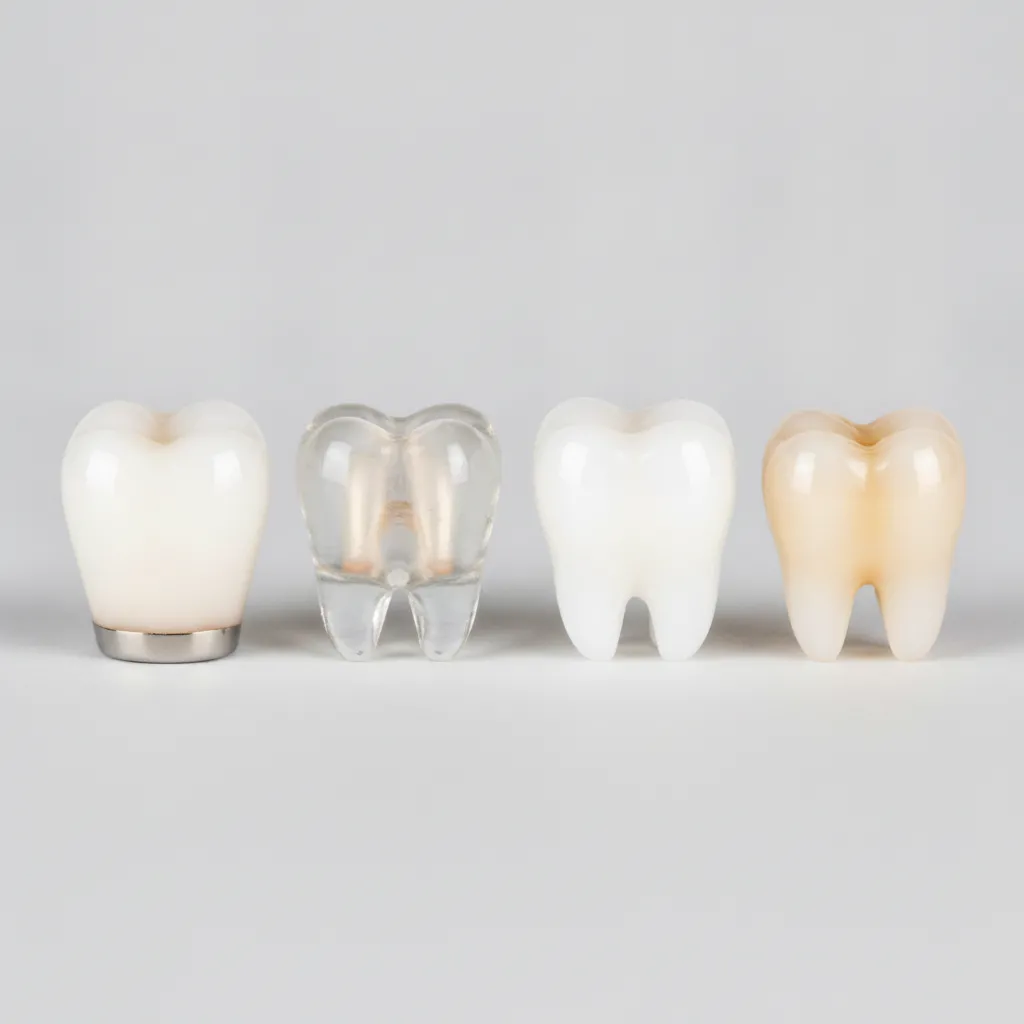
Samples of different dental crown materials
Making an Informed Decision
Choosing to get a dental crown is a significant investment in your oral health and overall well-being. When considering “Dental Crowns Birmingham – Price Breakdown,” it’s important to look beyond just the cost and evaluate the value provided. This includes the quality of materials, the dentist’s expertise, the technology used by the clinic, and the level of patient care. A thorough consultation with a reputable Birmingham dentist will allow you to explore all your options, understand the specifics of your case, and receive a precise treatment plan and cost estimate. Investing in a high-quality dental crown can save you from more extensive and costly dental issues down the line, ensuring a healthy, functional, and aesthetically pleasing smile for years to come. For more detailed information on dental crowns, you can consult authoritative sources like Wikipedia’s entry on Dental Crowns.
Which crown material is usually chosen for back teeth?
Zirconia is often chosen for back teeth because of its strength, while e.max or porcelain may be preferred at the front for appearance. The right choice depends on your bite and how much tooth is left.
Can I get a crown on the NHS in Birmingham?
Yes, if a crown is clinically needed it falls under NHS Band 3. The NHS provides a clinically suitable material, which may not be the one you would choose privately.
How long does a crown last?
Crowns often last many years with good care, but this varies with the material, your bite, habits such as grinding, and how well you look after your teeth and gums.
Answered by email or phone
A real replyOur partner clinic in Istanbul answers by email or phone.
No obligationYou are never obliged to book treatment.
PrivatePassed only to our partner clinic, and only with your consent.
Questions about Dental Procedures?
Your question goes to our partner clinic in Istanbul, which answers by email or phone. Nobody can diagnose you or plan treatment without examining you, so please leave out detailed health information.
What happens to your details: they are stored in our enquiry system and sent to Özel Natural Clinic Tıp Merkezi, a dental clinic in Istanbul, Türkiye, which contacts you by email or phone. This means your details are transferred outside the UK. See our Privacy Policy and how this site is funded.
Ask a short question. It is passed to our partner clinic in Istanbul, which gets back to you by email or phone. There is no obligation to book anything.
Reply by email or phone
No obligation
Passed only to our partner clinic
What happens to your details: they are stored in our enquiry system and sent to Özel Natural Clinic Tıp Merkezi, a dental clinic in Istanbul, Türkiye, which contacts you by email or phone. This means your details are transferred outside the UK. See our Privacy Policy and how this site is funded.