Dentist Prices in Birmingham – Complete Guide
Checked by our editorial team. Clinical review by a dentist: planned, not yet done for this article.

Dentist’s Expertise and Clinic Reputation: Experienced dentists, particularly those with specialist qualifications in areas like orthodontics, periodontics, or cosmetic dentistry, often command higher fees. Their extensive training, years of practice, and proven track record contribute to their value. Similarly, clinics with a strong reputation for excellence, advanced patient care, and positive outcomes may have premium pricing. Investing in a dentist with significant expertise can often lead to more efficient treatments, better results, and fewer complications in the long run.
Dentist Prices in Birmingham – Complete Guide Understanding the cost of dental care in a major city like Birmingham can feel like navigating a complex maze. From routine check-ups to advanced cosmetic procedures, the fees can vary significantly, leaving many individuals wondering what to expect. This complete guide aims to demystify dentist prices in Birmingham, offering a clear overview of the factors influencing costs, common procedure estimates, and how to make informed decisions about your oral health investment. High-quality dental care is a cornerstone of overall well-being, and while cost is a vital consideration, it’s equally important to understand the value and long-term benefits of proper treatment.
Understanding Dentist Prices in Birmingham
The landscape of dental care in Birmingham is diverse, encompassing a wide range of practices from small independent clinics to large, multi-specialty centres. Each practice operates with its own pricing structure, influenced by a multitude of factors. For patients, this means that comparing prices solely based on a procedure name can be misleading. A “filling” at one clinic might use different materials or techniques than another, leading to a disparity in cost. Furthermore, the overall patient experience, including clinic ambiance, technology used, and the level of personalised care, all contribute to the final price tag. Delving deeper into these elements provides a clearer picture of what impacts your dental bill.Key Factors Influencing Dentist Prices in Birmingham
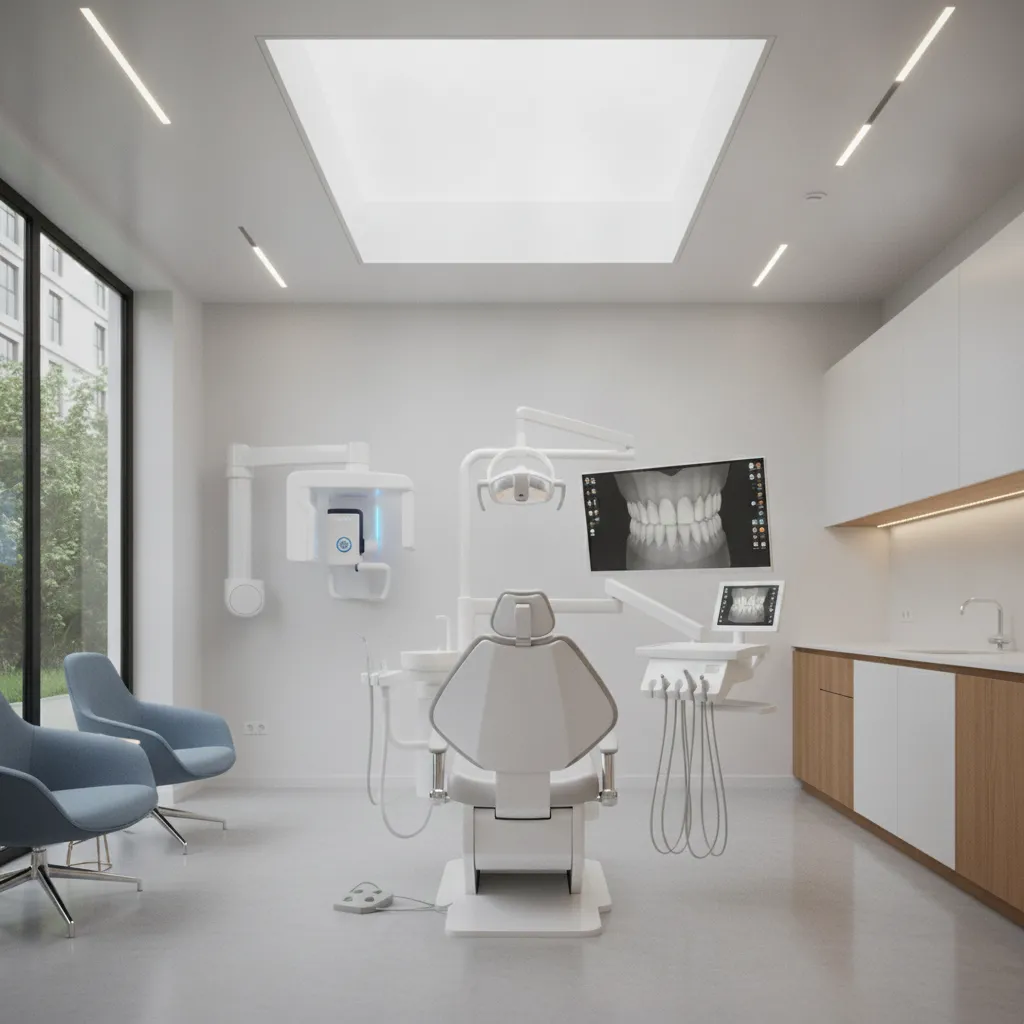
Several variables play a crucial role in determining the cost of dental services across Birmingham. Being aware of these can help you understand why prices differ and what you are paying for.Location and Facilities: The geographical location of a dental practice within Birmingham can significantly affect its overheads, which are then reflected in patient fees. Clinics situated in prime city centre locations or affluent suburbs typically face higher rent and operational costs compared to those in more outlying areas. Additionally, practices that invest in modern equipment, modern technology (such as digital X-rays, intraoral scanners, or laser dentistry), and luxurious patient facilities will naturally have higher prices to cover these significant investments. These technological advancements, however, often translate into more precise diagnoses, less invasive procedures, and a more comfortable patient experience.
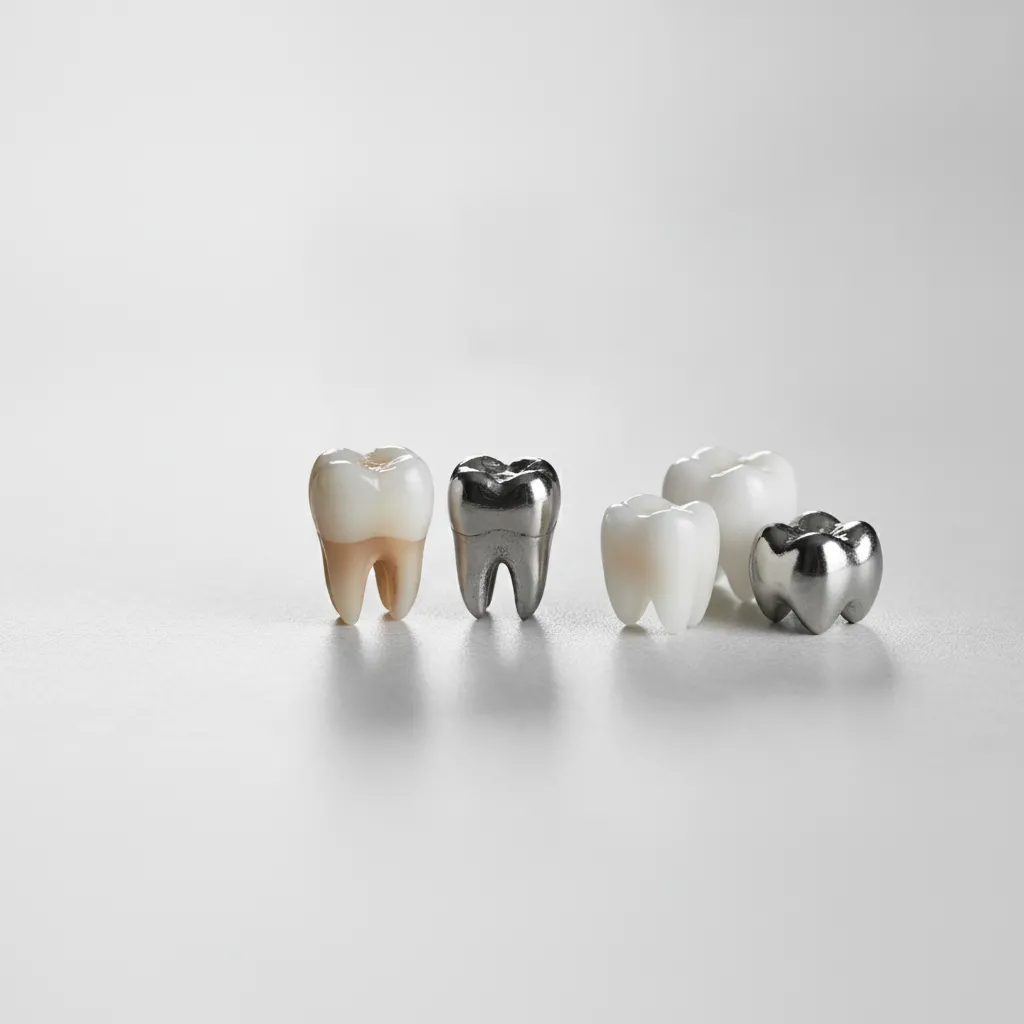
Type of Treatment and Materials Used: The complexity and scope of a dental procedure are primary drivers of cost. A routine check-up will naturally be less expensive than a root canal or a dental implant. Furthermore, the materials chosen for restorations play a significant role. For instance, a composite (tooth-coloured) filling is typically more expensive than an amalgam (silver) filling due to the material cost and the more intricate bonding process. Similarly, crowns can be made from various materials like porcelain, zirconia, or metal alloys, each with different price points reflecting their durability, aesthetics, and manufacturing complexity. High-quality materials often ensure greater longevity and better aesthetic outcomes for the patient.
Common Dental Procedures and Their Estimated Costs
To provide a clearer picture, here’s an estimated range of private dentist prices in Birmingham for some common procedures. It’s important to remember these are approximate and actual costs will vary based on the specific clinic, complexity, and materials chosen.| Procedure | Description & Factors Influencing Cost |
|---|---|
| Routine Check-up & Clean | Includes examination, basic scaling, and polishing. Price varies by clinic, thoroughness, and additional diagnostic needs (e.g., X-rays). |
| White (Composite) Filling | For minor to moderate cavities. Cost depends on the size of the filling, number of surfaces, and tooth location (front vs. back). |
| Amalgam (Silver) Filling | Older type of filling, generally cheaper than composite. Price depends on size and complexity. |
| Tooth Extraction (Simple) | For easily accessible teeth. Price increases for surgical extractions (e.g., impacted wisdom teeth). |
| Root Canal Treatment | Cost varies significantly by tooth (front teeth are generally cheaper than molars due to fewer canals), complexity, and need for post/core. |
| Dental Crown | Covers and protects damaged teeth. Price depends on material (porcelain, zirconia, metal), laboratory fees, and clinic overheads. |
| Porcelain Veneer | Thin shells bonded to front teeth for cosmetic enhancement. Cost varies by material, number of veneers, and complexity of smile design. |
| Dental Implant (Single) | Includes the implant, abutment, and crown. Price can vary based on bone grafting needs, brand of implant, and surgical complexity. For more detailed information, you can explore guides on specific dental implants costs. |
| Teeth Whitening (Professional) | In-clinic or take-home kits. Cost varies with method, brand of whitening agent, and number of applications. |
| Orthodontics (e.g., Invisalign) | Comprehensive treatment for teeth alignment. Price depends on case complexity, duration of treatment, and chosen appliance type. |
Routine Care and Preventative Dentistry
Preventative treatments are the foundation of good oral health and often the most cost-effective in the long run. Regular check-ups and professional cleanings help identify potential issues early, preventing them from escalating into more serious, and expensive, problems. Dentists often recommend fluoride treatments or fissure sealants for children to protect developing teeth, which are relatively inexpensive but offer significant long-term benefits. Investing in these routine services can save patients from needing more complex restorative work later on.Restorative Treatments
When decay or damage occurs, restorative treatments are necessary to bring the tooth back to full function and health. Fillings, as mentioned, vary by material. Root canal treatments are vital for saving a tooth where the pulp has become infected or inflamed, preventing extraction and preserving natural tooth structure. Crowns are used to restore severely damaged or weakened teeth, providing strength and a natural appearance. The choice of material and the complexity of the tooth’s condition significantly impact the final price of these restorative options.Cosmetic Dentistry Options
Cosmetic dentistry focuses on improving the aesthetics of your smile. Procedures like teeth whitening, veneers, and composite bonding fall into this category. While often considered elective, these treatments can profoundly impact a person’s confidence and overall quality of life. The cost for cosmetic treatments is typically higher due to the artistic skill required, the quality of materials, and the custom nature of the work. For instance, a smile makeover involving multiple veneers or bonding can be a substantial investment, but it delivers transformative results.Advanced Dental Solutions
For missing teeth, dental implants offer a robust and long-lasting solution, replacing both the tooth root and the crown. This is an advanced surgical procedure with a significant cost reflecting the materials, surgical expertise, and recovery period. Other advanced solutions might include full mouth restoration, gum disease treatment, or complex orthodontic cases, each requiring a tailored approach and significant investment. The complexity of these procedures necessitates skilled practitioners and often involves multiple stages, contributing to their higher price point.Navigating NHS vs. Private Dentistry in Birmingham
Understanding the difference between NHS and private dental care is crucial when considering dentist prices in Birmingham.NHS Dentistry: The National Health Service provides essential dental care at set, subsidised charges across three bands. Band 1 covers examinations, diagnoses, and basic advice; Band 2 includes all Band 1 procedures plus more extensive treatments like fillings, root canals, and extractions; and Band 3 covers complex procedures like crowns, bridges, and dentures. While more affordable, NHS dentistry often has longer waiting lists, and patients may have limited choice in materials (e.g., amalgam fillings might be offered over white fillings for back teeth). The focus is primarily on clinical necessity rather than aesthetic preferences. More information about NHS dental services can be found on official government health websites.
Private Dentistry: Private dental practices offer a wider range of treatments, often including advanced cosmetic options, latest technologies, and a broader choice of materials. Waiting times are typically shorter, and patients usually benefit from longer appointments, more personalised care, and a more comfortable environment. While the prices are higher, they reflect the investment in technology, materials, and the bespoke nature of the treatment. Many private clinics offer payment plans to help manage costs.
Making an Informed Choice About Your Dental Care
Choosing a dentist in Birmingham involves more than just comparing prices. It’s about finding a practice that aligns with your needs, budget, and expectations for care.Get Detailed Quotes: Always request a written treatment plan that clearly outlines the proposed procedures, materials to be used, and the itemised costs. Don’t hesitate to ask questions about anything you don’t understand.
Consider the Value: While cost is important, the value of a treatment encompasses the dentist’s skill, the longevity of the results, the quality of materials, and the overall patient experience. Sometimes, a slightly higher upfront cost can lead to better long-term outcomes and fewer future expenses.
Ask About Payment Options: Many private practices offer flexible payment plans, interest-free credit options, or membership plans that can help spread the cost of treatment, making higher-value procedures more accessible.
Read Reviews and Seek Recommendations: Online reviews and personal recommendations can provide valuable insights into a dentist’s reputation, patient care philosophy, and the quality of their work. A reliable source like Wikipedia’s article on Dentistry provides a broad context of the field.
Frequently asked questions
Why do private dental fees vary so much in Birmingham?
Practices set their own fees based on location, staff, laboratory costs, materials and appointment length. Ask for an itemised quote before treatment starts.
Can I see an NHS dentist in Birmingham?
Yes, if a practice has NHS places available. Use the NHS 'Find a dentist' service and contact practices directly, as availability changes.
Should I get a written estimate?
Yes. The General Dental Council expects dentists to give patients clear information about costs before treatment, so ask for a written estimate and keep a copy.