Dental Crowns UK – Types Explained
Checked by our editorial team. Clinical review by a dentist: planned, not yet done for this article.

Dental Crowns UK – Types Explained
A healthy, confident smile is invaluable, and for many in the UK dealing with damaged, decayed, or weakened teeth, dental crowns offer a robust and aesthetically pleasing solution. Often referred to as “caps,” dental crowns are custom-made restorations that completely cover a tooth, restoring its original size, shape, strength, and appearance. They serve a crucial role in both restorative and cosmetic dentistry, protecting compromised teeth from further damage while enhancing overall oral aesthetics. Understanding the various types available and the process involved is key to making an informed decision about your dental health.
Understanding Dental Crowns: More Than Just a Cap
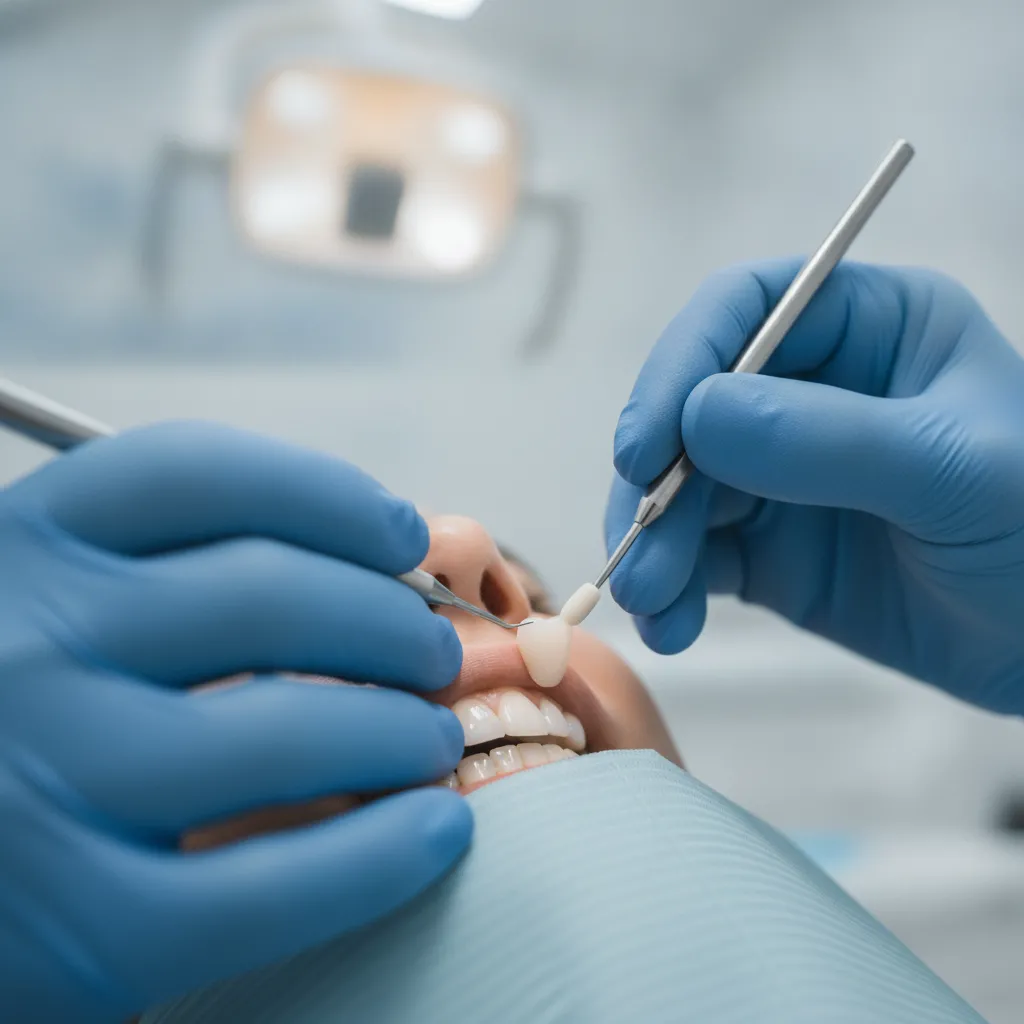
Dental crowns are precision-engineered coverings that are permanently bonded over a prepared tooth. They are designed to fit seamlessly with your existing dentition, mimicking the natural look and feel of a real tooth. The primary purpose of a crown is to provide structural integrity to a tooth that might otherwise be lost. This could be due to extensive decay that’s too large for a filling, a fractured tooth, a tooth that has undergone root canal treatment and needs protection, or even as part of a dental bridge to replace missing teeth, or to cap a dental implant. Beyond protection, crowns also play a significant role in improving the aesthetic appeal of teeth that are discoloured, misshapen, or poorly aligned. They can transform a smile, offering durability and a natural appearance that can last for many years with proper care. The decision to opt for a dental crown is typically made after a thorough examination by your dentist, who will assess the extent of the damage and discuss the best course of action based on your individual needs and oral health goals.
Types of Dental Crowns UK Explained
The world of dental crowns offers a variety of materials, each with unique properties regarding strength, aesthetics, and cost. Your choice will depend on the tooth’s location, your aesthetic preferences, budget, and the advice of your dental professional. Here’s a breakdown of the most common types of dental crowns available in the UK:
Porcelain Crowns
Full porcelain crowns, also known as all-ceramic crowns, are highly valued for their exceptional aesthetic qualities. They are made entirely from ceramic material, offering a translucent quality that closely mimics natural tooth enamel. This makes them an excellent choice for front teeth where appearance is paramount. While visually superior, porcelain can be more brittle than other materials and may not be ideal for back teeth, which bear the brunt of chewing forces. Advances in ceramic technology have led to stronger porcelain options, but they still require careful consideration.
Zirconia Crowns
Zirconia crowns have gained significant popularity in recent years due to their outstanding strength and natural appearance. Zirconium dioxide, a type of ceramic, is incredibly durable, making zirconia crowns suitable for both front and back teeth. They are highly biocompatible, meaning the body rarely rejects them, and their smooth surface helps reduce plaque accumulation. Zirconia can be matched to the colour of surrounding teeth, offering a strong yet aesthetically pleasing solution. They are milled from a solid block of zirconia, making them resistant to chipping and cracking.
Metal Alloys (Gold Crowns)
Traditionally, crowns made from metal alloys, often gold, have been a popular choice for their incredible strength and durability. Gold crowns are highly resistant to wear and tear, don’t chip, and are very gentle on opposing teeth. They require minimal tooth reduction during preparation. While their metallic colour is a significant aesthetic drawback for many, especially for front teeth, they remain an excellent option for molars where visibility is less of a concern and robust functionality is key. Other metal alloys like nickel-chromium are also used for their strength.
Porcelain-Fused-to-Metal (PFM) Crowns
Porcelain-fused-to-metal crowns combine the best of both worlds: the strength of a metal substructure with the natural appearance of porcelain. A metal alloy base is covered with a layer of porcelain, providing both durability and aesthetics. PFM crowns are a common and reliable choice, suitable for both front and back teeth. However, a potential drawback is the visible dark line that can sometimes appear at the gum line as gums recede over time, revealing the underlying metal. This can affect their aesthetic appeal, particularly in the smile line.
E-max Crowns
E-max crowns are another type of all-ceramic crown, made from lithium disilicate glass-ceramic. This material is known for its superior strength and durability compared to traditional porcelain, while still offering excellent translucency and light-refracting properties that mimic natural teeth. E-max crowns are a premium choice for highly aesthetic areas, particularly front teeth, as they can be crafted to blend seamlessly with existing dentition. They are often chosen for their combination of beauty and resilience.
Here’s a comparative overview of these crown types:
| Crown Type | Aesthetics | Strength/Durability | Biocompatibility | Ideal Usage | Potential Drawbacks |
|---|---|---|---|---|---|
| Porcelain | Excellent (natural translucency) | Good (can be brittle) | Excellent | Front teeth, cosmetic zones | More prone to chipping/fracture |
| Zirconia | Very Good (can be highly aesthetic) | Excellent (highly robust) | Excellent | Both front and back teeth | Can be opaque if not properly fabricated |
| Metal Alloys | Poor (metallic appearance) | Superior (highly durable) | Good (gentle on opposing teeth) | Back molars (where visible less important) | Aesthetics, potential for metal allergies |
| Porcelain-Fused-to-Metal (PFM) | Good (natural looking) | Very Good (strong base) | Good | Both front and back teeth | Metal margin may show at gum line over time |
| E-max | Outstanding (natural light transmission) | Very Good (stronger than porcelain) | Excellent | Front teeth, smile zone | Premium cost, requires skilled fabrication |
The Dental Crown Procedure: What to Expect
Receiving a dental crown typically involves a multi-stage process, usually completed over two appointments. Understanding each step can help alleviate any anxiety and prepare you for the treatment.
Initial Consultation and Preparation
The journey begins with a comprehensive consultation. Your dentist will examine the tooth requiring a crown, often taking X-rays to assess the tooth’s root and surrounding bone. If the tooth is deemed suitable for a crown, the preparation phase begins. This involves numbing the area with a local anaesthetic, then carefully reshaping the tooth. A small amount of enamel and dentin is removed from all sides and the top of the tooth, creating enough space for the crown to fit snugly without appearing bulky. The exact amount removed depends on the type of crown material chosen. If there is significant decay or damage, your dentist might first build up the tooth structure using a filling material to provide a stable base for the crown.
Impression Taking and Temporary Crown
Once the tooth is prepared, an impression (mould) of your tooth and the surrounding teeth is taken. This impression is crucial as it serves as the blueprint for creating your custom crown. Modern dentistry often uses digital scans for this, offering greater precision and comfort. The impression is then sent to a dental laboratory, where skilled technicians will craft your permanent crown. This process usually takes about one to two weeks. During this waiting period, a temporary crown made of acrylic will be placed over your prepared tooth. This protects the sensitive prepared tooth, maintains its position in your bite, and prevents damage while you await your permanent restoration. You’ll be advised on how to care for your temporary crown, as it’s not as robust as the final product.
Permanent Crown Placement
At your second appointment, the temporary crown is carefully removed, and your dentist will thoroughly clean the prepared tooth. The permanent crown, which has been meticulously crafted to match the shape, size, and colour of your natural teeth, will be fitted. Your dentist will check its fit, bite, and aesthetics, making any necessary minor adjustments to ensure perfect alignment and comfort. Once both you and your dentist are satisfied with the fit and appearance, the crown is permanently bonded to your tooth using a strong dental cement. Before you leave, your dentist will provide instructions on how to care for your new crown and maintain optimal oral hygiene.
Benefits of Choosing a Dental Crown
Dental crowns offer a multitude of benefits, making them a cornerstone of modern restorative and cosmetic dentistry.
- Restores Tooth Strength: Crowns encase the entire visible portion of a damaged tooth, providing critical support and preventing further fractures or degradation.
- Improves Appearance: Custom-made to match your natural tooth colour and shape, crowns significantly enhance the aesthetics of your smile, covering discoloured, misshapen, or heavily filled teeth.
- Protects Weak Teeth: For teeth weakened by large fillings, extensive decay, or root canal treatment, a crown acts as a protective shield against further breakage.
- Restores Functionality: By restoring the tooth’s original shape and size, crowns allow for proper chewing and speaking, improving oral function and overall comfort.
- Long-lasting Solution: With proper care, dental crowns can last 10 to 15 years, or even longer, providing a durable and reliable restoration.
- Versatile Application: Crowns are used in various dental scenarios, from single tooth restoration to supporting dental bridges or covering dental implants.
Longevity, Care, and Maintenance
The longevity of your dental crown largely depends on your oral hygiene practices and lifestyle. While the crown itself cannot decay, the tooth underneath it and the gum tissue surrounding it are still susceptible to gum disease and cavities. Practising excellent oral hygiene is paramount: brush twice daily with fluoride toothpaste, floss daily, and use an antiseptic mouthwash as recommended by your dentist. Regular dental check-ups and professional cleanings are also essential to monitor the condition of your crown and the health of your surrounding teeth and gums. Avoid chewing on hard foods, ice, or non-food items, as this can chip or damage your crown. If you grind or clench your teeth, especially at night, your dentist might recommend a nightguard to protect your crown and natural teeth from excessive force. With diligent care, your dental crown will serve you well for many years, preserving your dental health and maintaining your radiant smile. For more detailed information, consult authoritative sources on dental health and procedures like Wikipedia’s entry on dental crowns.
For material choice and cost factors, see zirconium crowns versus alternatives.