Why Dental Implants Are Often Recommended for Missing Teeth
Checked by our editorial team. Clinical review by a dentist: planned, not yet done for this article.

Why Dental Implants Are the Best Solution for Missing Teeth
Missing teeth can significantly impact one’s quality of life, affecting everything from daily chewing and speech to self-confidence and overall oral health. While traditional solutions like dentures and bridges have been available for decades, modern dentistry offers a superior, long-term alternative: dental implants. These revolutionary devices are meticulously designed to mimic the natural tooth root, providing good stability, function and aesthetics. As a leading solution in restorative dentistry, dental implants stand out as the most advanced and effective method for replacing missing teeth, offering benefits that extend far beyond mere cosmetic improvement. They integrate seamlessly with your jawbone, offering a permanent foundation that feels and functions just like natural teeth, restoring not just your smile but your entire oral ecosystem.
For the bigger picture, including how to check a clinic and plan aftercare back in the UK, see our guide to dental implants in Turkey.
Understanding Dental Implants: A Foundation for Restoration
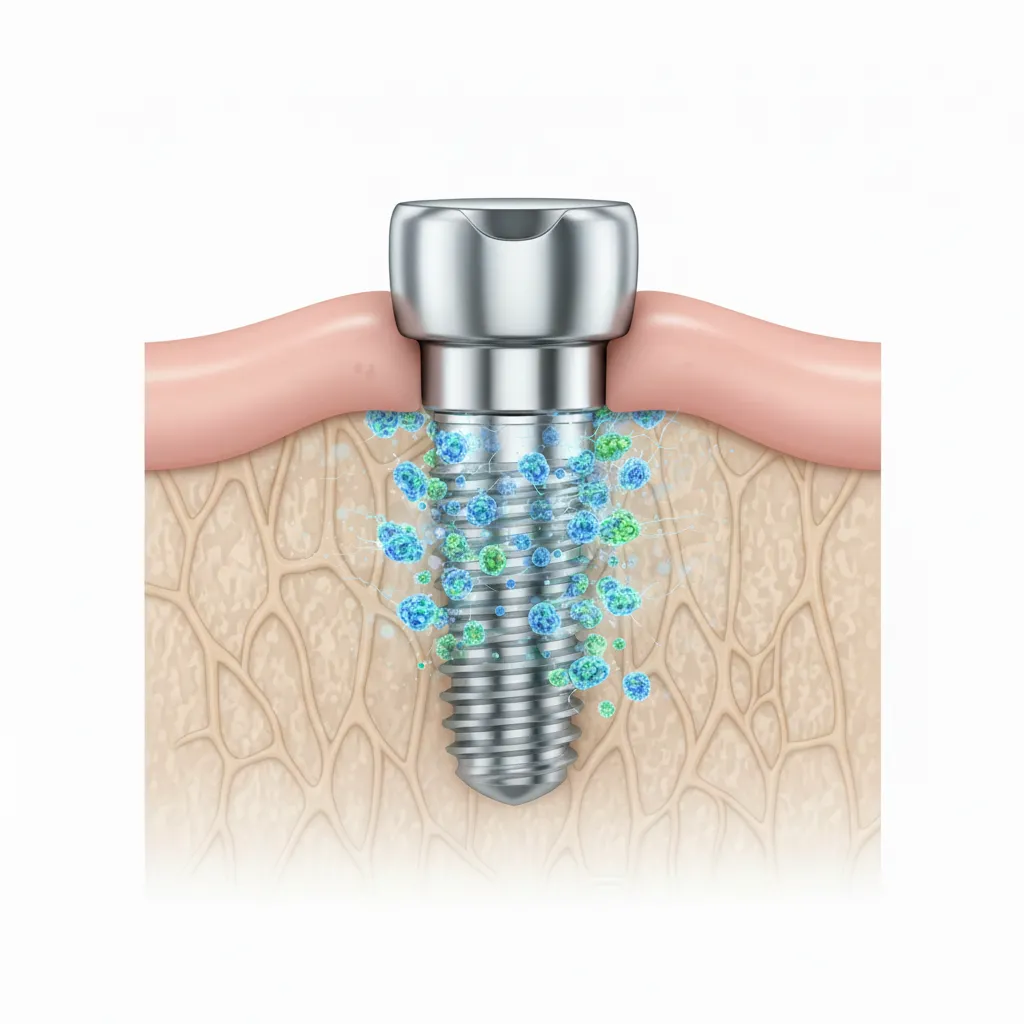
At their core, dental implants are small, screw-shaped posts, typically made from biocompatible titanium. This material is chosen for its remarkable ability to fuse directly with living bone tissue, a process known as osseointegration. Unlike other tooth replacement options that sit on the gum line or rely on adjacent teeth for support, implants are surgically placed directly into the jawbone beneath the gum line. Once integrated, they provide a robust and stable anchor for artificial teeth, such as crowns, bridges, or even full dentures. This foundational stability is what sets dental implants apart, allowing them to restore full chewing power, prevent bone loss, and maintain facial structure, addressing both the visible and underlying issues of tooth loss.
Natural Aesthetics and Functionality
One of the most compelling advantages of dental implants is their ability to closely replicate the appearance and feel of natural teeth. Because they are anchored within the jawbone, they do not slip or click, issues commonly associated with traditional dentures. The prosthetic crown attached to the implant is custom-designed to match the colour, shape, and size of your existing teeth, ensuring a smooth blend with your natural smile. Beyond aesthetics, this natural integration also restores nearly all of your natural chewing power, allowing you to enjoy your favourite foods without restriction or discomfort. This means a significant improvement in dietary intake, leading to better overall nutrition and digestive health. Furthermore, implants help maintain clear speech, which can sometimes be compromised by removable dental prosthetics.
Long-Term Durability and Jawbone Health
With proper care, dental implants boast an impressive success rate and can last for many years, making them a highly cost-effective solution in the long run compared to options that may require frequent adjustments or replacements. Beyond their durability, dental implants play a crucial role in preserving jawbone health. When a tooth is lost, the underlying jawbone no longer receives the stimulation it once did from chewing. This lack of stimulation leads to bone resorption, a process where the bone begins to deteriorate. Over time, this bone loss can alter facial structure, causing a sunken appearance and potentially compromising the stability of adjacent teeth. Dental implants, by mimicking the natural tooth root, provide the necessary stimulation to the jawbone, effectively halting and preventing further bone loss, thus preserving facial integrity and supporting the longevity of remaining natural teeth.
The Dental Implant Procedure: A Step-by-Step Guide
The journey to a restored smile with dental implants involves several carefully planned stages, ensuring optimal results and patient comfort.
Initial Assessment and Treatment Plan
The process begins with a comprehensive consultation with a qualified dental professional. This involves a thorough examination of your oral health, including X-rays, 3D imaging (CT scans), and a review of your medical history. The dentist will assess the quality and quantity of your jawbone, determine the ideal placement for the implants, and discuss your aesthetic goals. A personalised treatment plan is then developed, outlining each step of the procedure, expected timelines, and associated costs. This planning phase is crucial for ensuring the long-term success of the implants.
Surgical Placement of the Implant
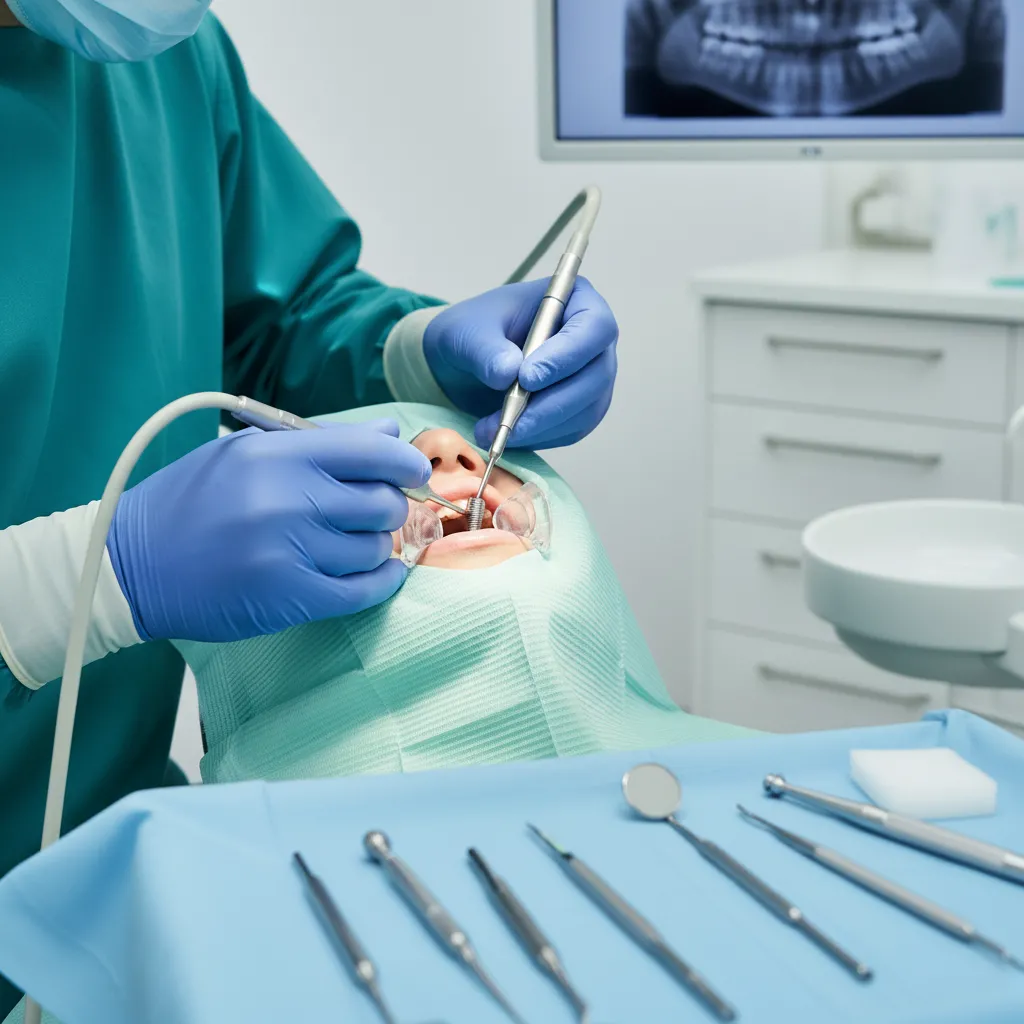
Once the treatment plan is finalised, the surgical placement of the titanium implant post into the jawbone occurs. This outpatient procedure is typically performed under local anaesthesia, often supplemented with sedation to ensure patient comfort. A small incision is made in the gum to expose the bone, a precise hole is drilled, and the implant is gently inserted. The gum tissue is then closed over the implant, or a healing cap may be placed. The exact duration of this step can vary depending on the number of implants and the complexity of the case.
Healing and Osseointegration
Following implant placement, a critical healing period begins, typically lasting anywhere from 3 to 6 months. During this time, the titanium implant gradually fuses with the surrounding jawbone through the process of osseointegration. This biological bond creates the incredibly strong and stable foundation required for the artificial tooth. While the bone is healing, patients can typically wear a temporary prosthetic to maintain aesthetics and function. Regular check-ups are scheduled to monitor the healing progress.
Restoration: Abutment and Crown
Once osseointegration is complete, the final restoration phase begins. A small connector piece called an abutment is attached to the implant post, extending through the gum line. This abutment serves as the anchor for the custom-made dental crown, bridge, or denture. Impressions are taken to fabricate the final prosthetic, which is meticulously crafted to match your natural teeth in colour, shape, and size. Once ready, the permanent restoration is securely attached to the abutment, completing your new, functional, and aesthetically pleasing smile.
| Feature | Dental Implants | Traditional Fixed Bridges | Removable Partial/Full Dentures |
|---|---|---|---|
| Stability | Excellent; fused to jawbone | Good; relies on adjacent teeth | Variable; rests on gums, can slip |
| Bone Preservation | Prevents jawbone loss | Does not prevent bone loss under missing tooth | Does not prevent bone loss; can accelerate it |
| Impact on Adjacent Teeth | No impact; stand-alone | Requires grinding down healthy adjacent teeth | No direct impact, but can cause wear on adjacent teeth |
| Longevity | Can last for many years with proper care | Typically 5-15 years | Typically 5-10 years |
| Chewing Efficiency | Close to natural teeth | Reduced compared to natural teeth | Markedly reduced |
| Comfort | Feels like natural teeth | Can feel unnatural due to reliance on adjacent teeth | Can cause irritation, sore spots, and discomfort |
| Maintenance | Brush and floss like natural teeth | Requires special cleaning under bridge | Requires daily removal for cleaning |
Are You a Candidate for Dental Implants?
While dental implants are an excellent solution for many, candidacy depends on several factors. Ideal candidates generally possess good overall oral health and sufficient jawbone density to support the implant. Conditions that may affect candidacy include uncontrolled diabetes, heavy smoking, or certain medications that impair bone healing. However, even if initial bone density is insufficient, advanced procedures like bone grafting or sinus lifts can often create the necessary foundation for successful implant placement. A thorough consultation with a dental implant specialist is essential to determine if this treatment option is right for you, ensuring all health considerations are taken into account.
Recovery and Aftercare
The recovery period after dental implant surgery is typically manageable, with most patients experiencing mild discomfort that can be controlled with over-the-counter pain medication.
Post-Operative Care and Healing
Immediately after surgery, it’s crucial to follow your dentist’s post-operative instructions carefully. This usually includes managing swelling with ice packs, consuming soft foods, avoiding strenuous activity, and practising gentle oral hygiene around the surgical site. Antibiotics may be prescribed to prevent infection. The initial healing phase focuses on allowing the gums to recover and preventing any disruption to the implant as osseointegration begins. It is vital to maintain excellent oral hygiene throughout the healing period to prevent complications and ensure the success of the implant.
Maintaining Your Dental Implants
Once your dental implants are fully restored, long-term maintenance is straightforward and similar to caring for your natural teeth. Regular brushing, flossing, and antiseptic mouth rinses are essential to keep the implant and surrounding gum tissue healthy. Professional dental check-ups and cleanings, typically every six months, are also vital. During these appointments, the dentist will monitor the health of your implants, gums, and remaining natural teeth, ensuring any potential issues are addressed promptly. Proper ongoing care significantly contributes to the longevity and success of your dental implants. Many patients frequently wonder about the comfort level during the process. For more detailed information on this topic, you can explore whether are dental implants painful.
Dental implants represent a pinnacle in modern restorative dentistry, offering a comprehensive and enduring solution for missing teeth. By integrating directly with the jawbone, they restore not only the aesthetics of a smile but also the fundamental functionality and long-term health of the oral cavity. Their ability to prevent bone loss, provide unmatched stability, and offer a natural look and feel makes them a superior choice over traditional alternatives. For individuals seeking a permanent, reliable, and life-enhancing solution to tooth loss, dental implants provide a pathway to renewed confidence and optimal oral health. Understanding the procedure, benefits, and maintenance involved empowers patients to make informed decisions about their dental future. Further comprehensive information on dental implants can be found on authoritative resources such as Wikipedia’s detailed overview of dental implants.