Questions to Ask Before Getting Dental Implants
Checked by our editorial team. Clinical review by a dentist: planned, not yet done for this article.

The Implant Post: This is a small, screw-like post typically made from biocompatible titanium. It is surgically inserted into the jawbone where the missing tooth’s root once was. This post acts as the new, artificial tooth root.
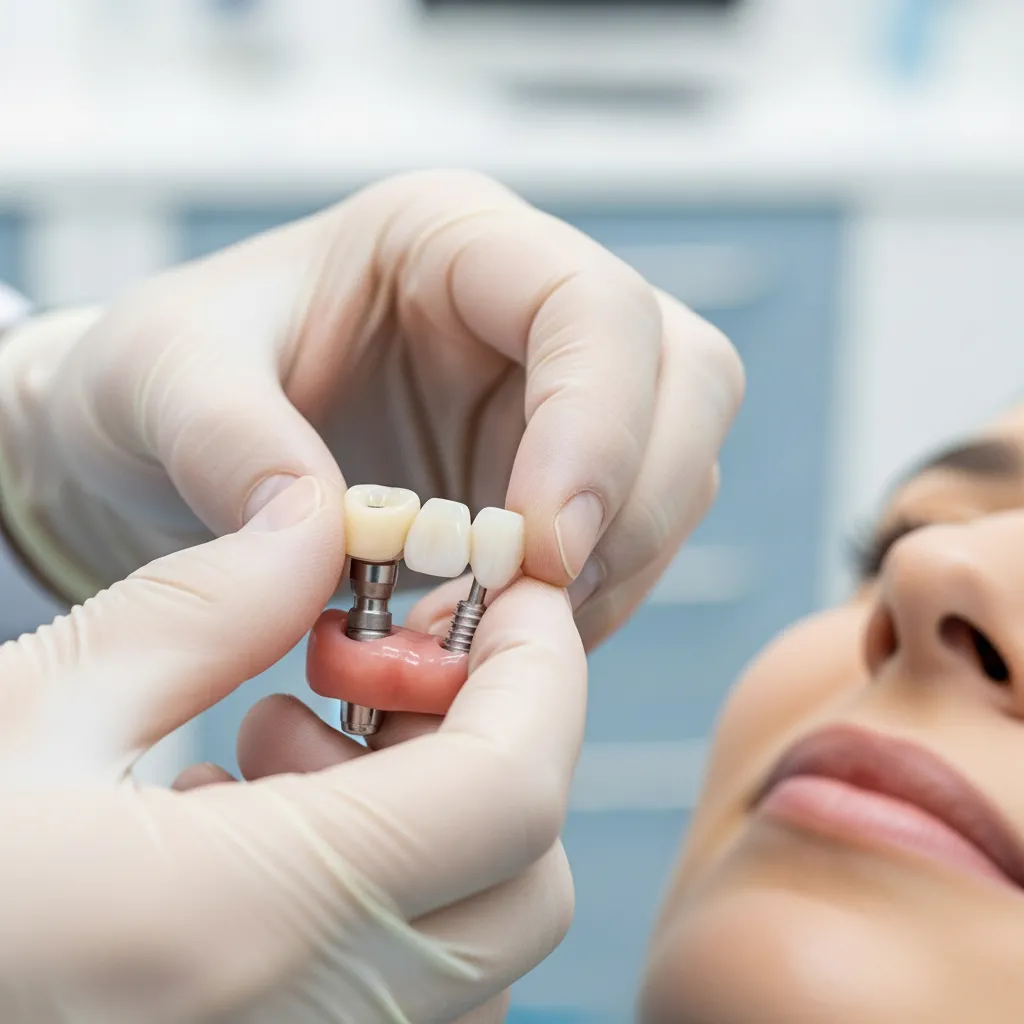
Questions to Ask Before Getting Dental Implants is the first step on a transformative journey towards restoring your smile, confidence, and oral function. Deciding to opt for a dental implant is a significant investment in your long-term health, and being well-informed is your greatest asset. This comprehensive solution to tooth loss mimics the structure and strength of a natural tooth, from the root up. However, the success and smoothness of the process depend heavily on careful planning, expert execution, and your own understanding of the commitment involved. Arming yourself with the right questions ensures you choose the right provider, understand the procedure, and are fully prepared for the path ahead.
If implants are part of your plan, read our guide to dental implants in Turkey for UK patients before comparing quotes.
Understanding the Dental Implant: More Than Just a Replacement Tooth
Before diving into the questions for your dentist, it’s essential to grasp what a dental implant truly is. Unlike bridges or dentures that sit on the gums or rely on adjacent teeth for support, a dental implant is a surgically placed fixture that integrates directly with your jawbone. This marvel of dental engineering consists of three core components:
The Abutment: Once the implant post has fully fused with the bone, a connector piece called an abutment is attached. This component sits just above the gum line and serves as the anchor point for the final crown.
The Crown: This is the visible, tooth-shaped part of the restoration. The crown is custom-made to match the colour, shape, and size of your natural teeth, ensuring a smooth and aesthetic blend with your smile. It is securely attached to the abutment.
The foundational principle that makes dental implants the gold standard for tooth replacement is a biological process called osseointegration. This is where the living bone cells of the jaw naturally grow onto and fuse with the titanium implant post. This fusion creates an incredibly strong and stable foundation, preventing bone loss that typically occurs after a tooth is lost and providing a durability that other solutions cannot match.
Are You a Suitable Candidate for Dental Implants?
Not everyone is an immediate candidate for dental implants. A thorough evaluation by a qualified dental professional is necessary to determine your suitability and to create a personalised treatment plan. Several key factors are assessed during this initial consultation.
Jawbone Density and Quality
Sufficient bone volume is the most critical requirement for a successful implant. The jawbone must be dense and wide enough to support the implant post and withstand the forces of chewing. If a tooth has been missing for a long time, the jawbone in that area may have atrophied or resorbed. In such cases, a preliminary procedure like a bone graft may be required to build up the bone structure before the implant can be placed.
Gum Health
Your gums must be healthy and free from periodontal (gum) disease. Active gum disease can compromise the implant site and lead to implant failure. Any existing conditions like gingivitis or periodontitis must be fully treated and managed before proceeding with implant surgery. Healthy gum tissue is vital for supporting the implant and ensuring its long-term stability.
Overall Health
Your general health plays a significant role. Certain chronic conditions, such as uncontrolled diabetes or autoimmune disorders, can affect the body’s ability to heal and may increase the risk of complications. It is crucial to provide your dentist with a complete medical history, including any medications you are taking. Habits like heavy smoking can also impair the healing process and negatively impact the success rate of osseointegration.
The Essential Checklist: Key Questions for Your Dentist
Your consultation is your opportunity to gain clarity and confidence. A reputable dentist will welcome your questions and provide detailed answers. The following table outlines critical areas to cover to ensure you are fully prepared.
| Question Category | Specific Question to Ask | Why This Matters |
|---|---|---|
| Clinician’s Experience | How many implant procedures have you performed? What is your success rate? How many similar cases have you treated, and what happens if something goes wrong? | This establishes the dentist’s expertise and track record. Experience is a key predictor of successful outcomes in complex dental procedures. |
| Materials and Technology | What type and brand of implants do you use? Are they made from high-grade titanium? What diagnostic technology (e.g., 3D CT scans) do you use for planning? | The quality of the implant material directly impacts biocompatibility and longevity. Advanced diagnostic tools ensure precise placement and minimise risks. |
| Treatment Plan | What is the complete timeline for my treatment, from surgery to final crown? Will I need any preliminary procedures like bone grafting or a sinus lift? | Understanding the full timeline helps you manage expectations and plan accordingly. Knowing about prerequisite surgeries prevents unexpected delays and costs. |
| Cost and Financing | What is the total, all-inclusive cost of the procedure? What does this price include (surgery, abutment, crown, follow-ups)? Do you offer payment plans? | A transparent, itemised quote prevents hidden fees. Clear financial arrangements allow you to budget effectively for this important investment. |
The Step-by-Step Process of Getting Dental Implants
Understanding the entire sequence of events can help demystify the process and alleviate any anxiety. While individual timelines can vary, the core stages of treatment are generally consistent.
The Initial Consultation and Planning
This first step involves a comprehensive oral examination, a review of your medical history, and advanced imaging. Typically, a dental cone beam computed tomography (CBCT) scan is used to create a 3D model of your jaw. This allows the surgeon to assess bone density, identify the precise location for the implant, and avoid nerves and sinuses.
The Implant Placement Surgery
The surgery itself is usually performed under local anaesthesia. An incision is made in the gum to expose the bone, a small hole is carefully drilled, and the titanium implant post is gently placed into the prepared site. The gum tissue is then sutured closed over the implant. Most patients report minimal discomfort, often comparing it to a simple tooth extraction.
The Osseointegration and Healing Period
This is the most crucial waiting period. Over the next three to six months, the jawbone will heal and fuse with the implant post. It’s a quiet but critical phase where the foundation for your new tooth becomes permanent. During this time, you may be fitted with a temporary denture or bridge for aesthetic purposes.
Life After Implants: Recovery and Long-Term Care
The long-term success of your dental implant is largely in your hands. While the implant itself is not susceptible to decay, the surrounding gums and bone are. Proper care helps your implant last as long as possible. Immediately following the surgery, you will be advised to eat soft foods, avoid strenuous activity, and follow specific cleaning instructions to protect the site.
Long-term care is straightforward and similar to caring for your natural teeth. It involves:
- Diligent Brushing and Flossing: Brush at least twice a day and use floss or interdental brushes to clean around the implant abutment and crown to prevent plaque buildup.
- Regular Dental Check-ups: Visit your dentist for routine cleanings and check-ups every six months. They will monitor the implant, crown, and surrounding tissues to ensure everything remains healthy.
- Avoiding Harmful Habits: Refrain from chewing on extremely hard items like ice or hard candy, which can damage the porcelain crown, just as they would a natural tooth.
By committing to excellent oral hygiene and regular professional care, your dental implant can serve you flawlessly for decades, providing a reliable, beautiful, and permanent solution to tooth loss.
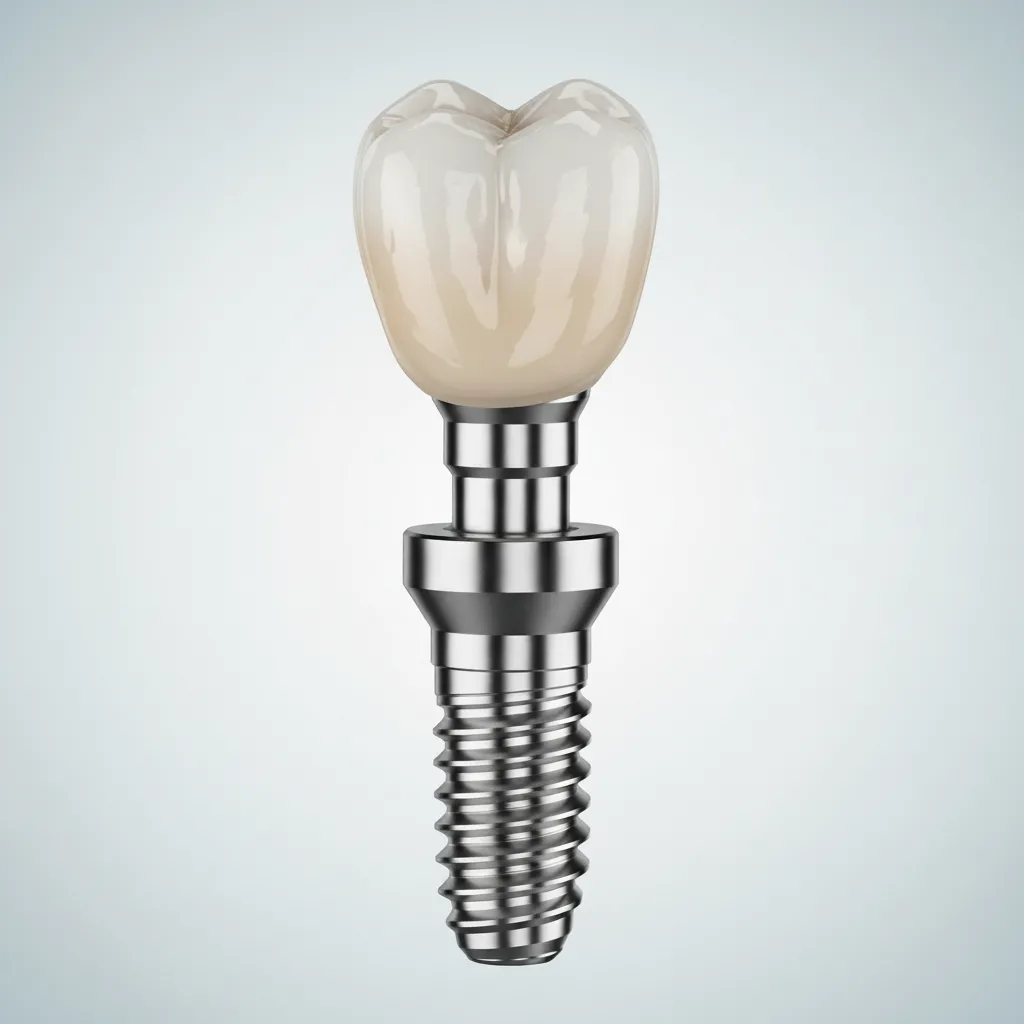
Once osseointegration is complete, a minor second procedure is needed to place the abutment. A small incision is made to expose the implant, the abutment is attached, and the gum tissue is allowed to heal around it for a couple of weeks. Afterward, impressions of your mouth are taken to create your custom-made crown. When the permanent crown is ready, it is securely cemented or screwed onto the abutment, completing what happens during a dental implant procedure and revealing your new, fully functional tooth.