The Dental Treatment Process for International Patients
Checked by our editorial team. Clinical review by a dentist: planned, not yet done for this article.

The Dental Treatment Process for International Patients begins long before a patient arrives at their destination, evolving into a meticulously planned journey focused on achieving optimal oral health and aesthetic goals. For individuals travelling from abroad, understanding each step of this process is crucial for a smooth and well-prepared experience. Modern dentistry, especially in popular dental tourism destinations, has refined these procedures to cater specifically to the needs of those seeking high-quality care away from home.
If you are weighing up implant treatment in Turkey as a whole, our decision guide for UK patients brings costs, risks, aftercare and questions to ask together in one place.
Initial Consultation and Treatment Planning for International Patients
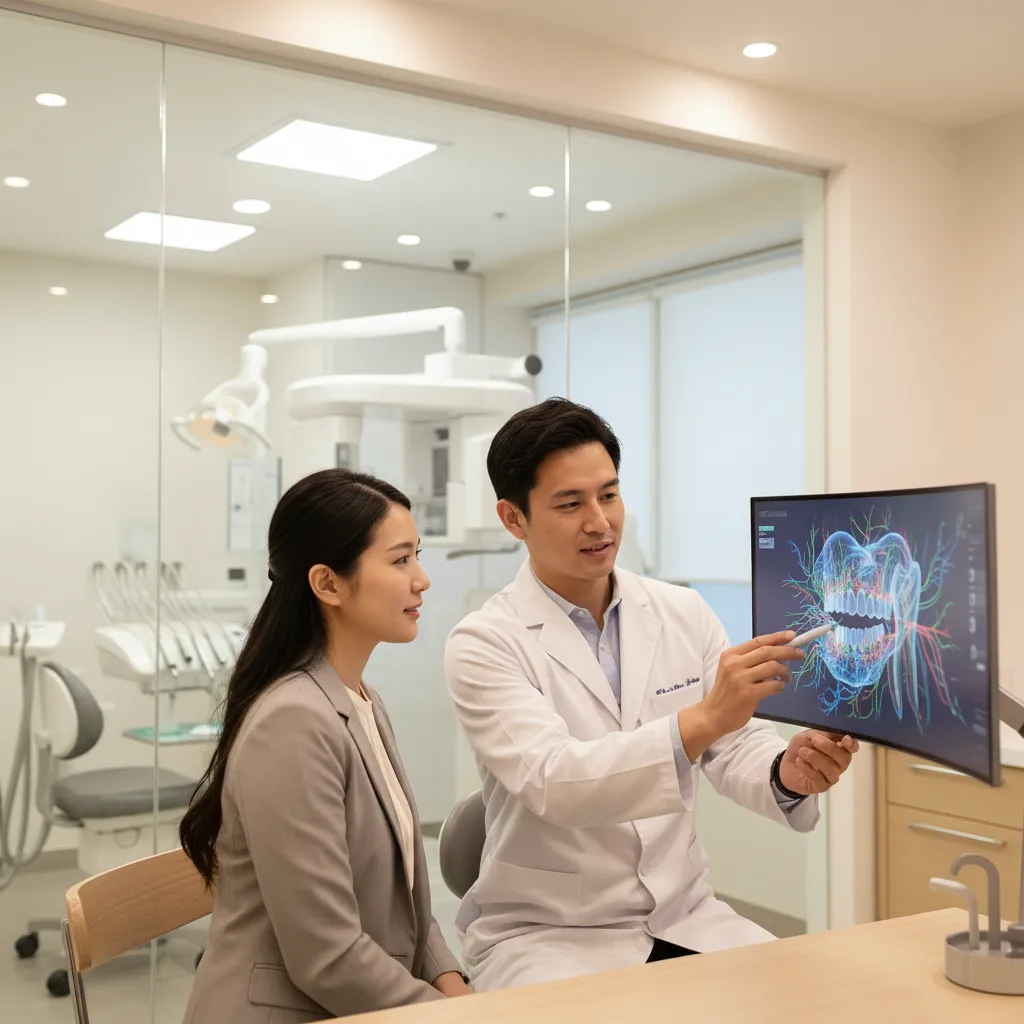
The first crucial step in the dental treatment journey for international patients is the initial consultation. This phase typically occurs remotely, leveraging technology to bridge geographical distances. Patients are usually asked to provide detailed information about their dental history, any existing conditions, and their desired outcomes. This often includes sending recent dental X-rays, OPG scans (orthopantomograms), and photographs of their teeth and smile. Some clinics may also offer video consultations, allowing for direct interaction with a dentist to discuss concerns and expectations.
Based on the provided information, a team of experienced dental professionals reviews the case comprehensively. They assess the patient’s oral health, identify potential issues, and formulate a preliminary treatment plan. This plan outlines the recommended procedures, the estimated duration of stay required, and a transparent cost breakdown. Common treatments include dental implants, veneers, crowns, bridges, root canal therapy, teeth whitening, and general restorative dentistry. The detailed treatment plan, along with the quotation, is then communicated to the patient, allowing them to make an informed decision. This phase also involves discussing accommodation options, airport transfers, and any other logistical support the clinic might offer, ensuring the patient feels supported from the outset.
Arrival and Comprehensive In-Clinic Examination
Upon arrival in the destination country, often with pre-arranged transfers from the airport, the international patient is welcomed at the dental clinic. This marks the transition from remote planning to hands-on assessment. The initial in-clinic appointment involves a thorough physical examination by the lead dentist. This examination is more detailed than the remote assessment and includes a visual inspection, periodontal probing, and often advanced diagnostic imaging such as 3D CT scans (Cone Beam Computed Tomography – CBCT). These scans provide a highly detailed view of the patient’s bone structure, nerve pathways, and overall oral anatomy, which is vital for precise treatment planning, especially for complex procedures like dental implants.
During this comprehensive examination, the preliminary treatment plan is revisited and finalised. Any adjustments based on the in-person findings are discussed transparently with the patient. This is an opportune moment for the patient to ask any lingering questions and express any concerns, ensuring complete clarity and comfort before the treatment commences. The team ensures that the patient fully understands each step, the expected outcomes, and the schedule for their stay. Consent forms are reviewed and signed, formalising the agreement for the planned procedures.
The Dental Treatment Process: Step-by-Step Execution
The core of the patient’s journey revolves around the actual execution of the agreed-upon dental treatments. This phase is meticulously planned to maximise efficiency and comfort, especially given the patient’s limited stay. The sequence of procedures depends heavily on the complexity and type of treatments involved.
Preparation and Anaesthesia
Most dental treatments begin with the administration of local anaesthesia to ensure the patient’s comfort and eliminate pain during the procedure. For more extensive or anxiety-inducing treatments, options like sedation dentistry (conscious sedation) may be available. Once the area is numbed, the dental team prepares the teeth or surgical sites as required. This might involve removing decay, shaping teeth for crowns or veneers, or performing initial bone grafting procedures for implants.
Core Procedures
The central part of the treatment involves the specific dental work.
- Dental Implants: If dental implants are part of the plan, the surgeon will carefully place titanium posts into the jawbone. This is a surgical procedure performed under sterile conditions. Depending on the patient’s bone density and the specific implant system, a healing period (osseointegration) of several weeks to months is required for the implant to fuse with the bone. Sometimes, temporary prosthetics are provided during this healing phase.
- Veneers and Crowns: For cosmetic procedures like veneers or crowns, impressions of the prepared teeth are taken. These impressions are then sent to an in-house or external dental laboratory where custom-made veneers or crowns are fabricated. While these are being made, temporary restorations are often placed to protect the prepared teeth and maintain aesthetics.
- Restorative and General Dentistry: Procedures such as fillings, root canal treatments, or extractions are performed with precision. Root canals involve removing infected pulp, cleaning, and sealing the tooth’s root canals, often followed by a crown for protection.
Interim Steps and Laboratory Work
Many comprehensive dental treatments involve multiple stages and collaboration with a dental laboratory. For example, after implant placement, there’s a healing period. For veneers and crowns, the lab technicians meticulously craft the final prosthetics, matching the patient’s desired shade, shape, and bite. This lab work is critical for the aesthetic and functional success of the treatment. The clinic often works closely with advanced dental labs, ensuring high-quality materials and precise craftsmanship. Patients may have interim appointments for fittings, shade verification, and minor adjustments during this period, particularly for complex smile makeovers.
Final Placement and Adjustments
The concluding stage of the active treatment involves the final placement of prosthetics. For veneers and crowns, these custom-made restorations are carefully bonded or cemented onto the prepared teeth. For implants, after the healing period, abutments (connectors) are attached to the implants, and then the final crowns, bridges, or dentures are securely fitted. The dentist meticulously checks the bite, aesthetics, and overall comfort, making any necessary final adjustments to ensure a perfect fit and natural appearance. The patient is given a mirror to approve the final result.
The Dental Treatment Process for international patients is a structured journey. Here’s a typical timeline:
| Phase | Description | Typical Duration |
|---|---|---|
| Phase 1: Remote Consultation & Planning | Patient submits X-rays/photos, receives preliminary treatment plan & quote. | 1-3 Days |
| Phase 2: Travel & Arrival | Arrangements for flights, accommodation, and airport transfers. | Travel Day |
| Phase 3: In-Clinic Examination & Final Plan | Comprehensive dental check-up, 3D scans, discussion, and finalisation of treatment plan. | 1 Day |
| Phase 4: Initial Treatment Sessions | Preparation, extractions, implant placement, temporaries, impressions. | 2-5 Days (Depending on Complexity) |
| Phase 5: Laboratory Work & Healing | Custom prosthetics fabricated; healing period for implants (if applicable). | Variable (0-6 Months) |
| Phase 6: Final Placement & Adjustments | Fitting of final crowns, veneers, bridges; bite adjustments. | 2-4 Days (Often during a second trip) |
| Phase 7: Post-Treatment Care | Instructions for aftercare, medication, and follow-up guidance. | Ongoing |
Post-Treatment Care and Follow-up
Once the active treatment is complete, the focus shifts to post-treatment care and ensuring the longevity of the dental work. Before the patient departs, the dental team provides detailed instructions on how to care for their newly treated teeth. This includes advice on oral hygiene practices, dietary recommendations, medications (if any), and potential discomforts to expect and how to manage them. Patients are often provided with a written summary of their treatment, materials used, and a warranty certificate for their procedures.
For international patients, remote follow-up is often integrated into the care plan. This might involve virtual consultations to monitor healing, address any concerns, or review post-treatment images. Maintaining regular communication with the dental clinic after returning home is vital for addressing any issues promptly. Many clinics encourage patients to visit their local dentist for routine check-ups and cleanings, sharing their treatment records to ensure continuity of care. The long-term success of any dental treatment relies heavily on diligent oral hygiene and adherence to post-treatment guidelines.
Benefits of the Structured Dental Treatment Process for International Patients
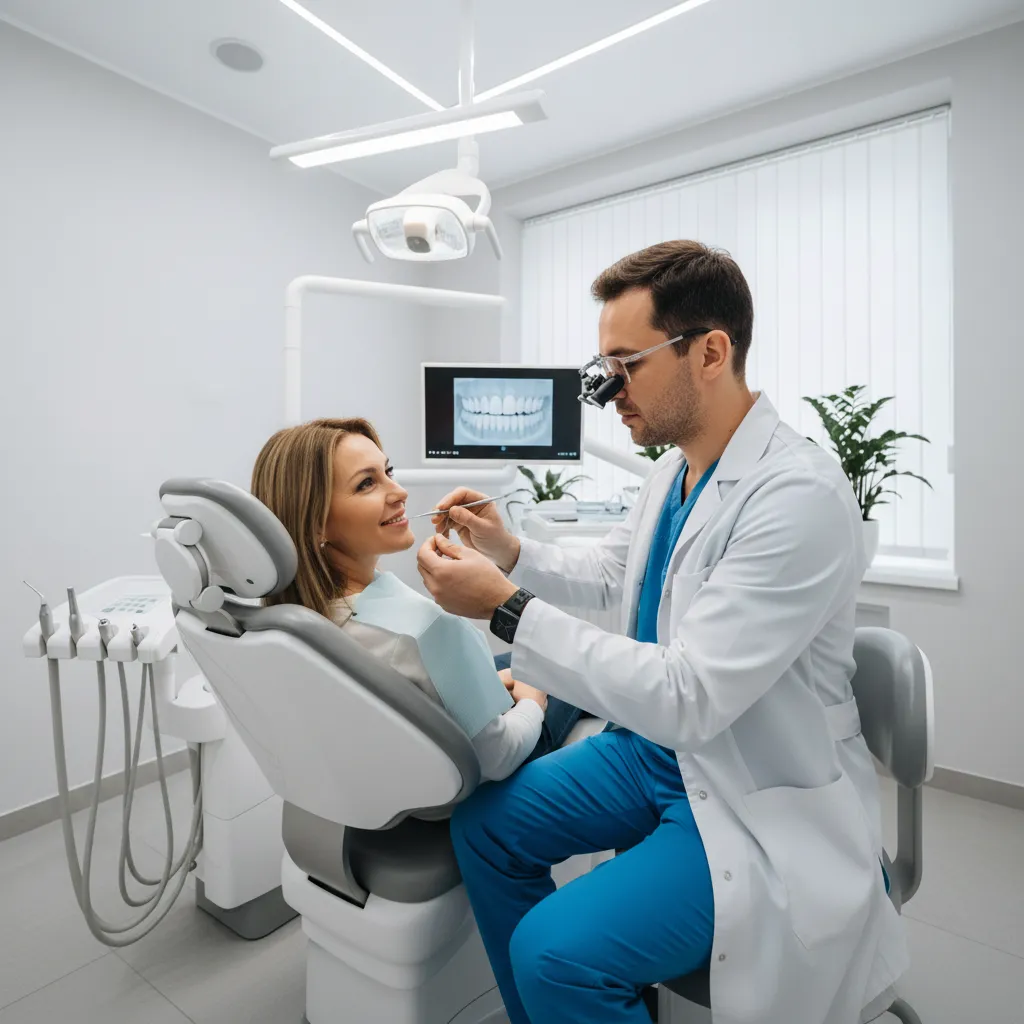
The structured nature of the dental treatment process, particularly for those travelling for care, offers numerous advantages. One of the primary benefits is the potential for significant cost savings compared to dental treatments in Western countries, without compromising on quality. Clinics specialising in dental tourism often boast modern technology, skilled dentists, and internationally recognised accreditations. The efficiency of the process, consolidating multiple appointments into a shorter visit, is also a major draw, allowing patients to combine their treatment with a vacation experience. This streamlined approach minimises disruption to their daily lives and maximises the value of their trip. The comprehensive support, from initial inquiry to post-treatment follow-up, ensures a comfortable and reassuring experience. The growing phenomenon of dental tourism highlights a global trend where patients prioritise both quality and affordability for their oral health needs, as detailed in various studies on the topic. For more information on this global trend, you can refer to the Wikipedia page on dental tourism. This systematic approach enhances patient confidence and contributes to high satisfaction rates, making the journey for a new smile an accessible and rewarding venture.
For travel arrangements, see how to travel for dental treatment.