Toothbrush timer: brush for 2 minutes, area by area
This toothbrush timer guides you through about 2 minutes of brushing, with 30 seconds for each area of your mouth, so you clean every surface.
- Free
- No registration
- Your entries stay in your browser
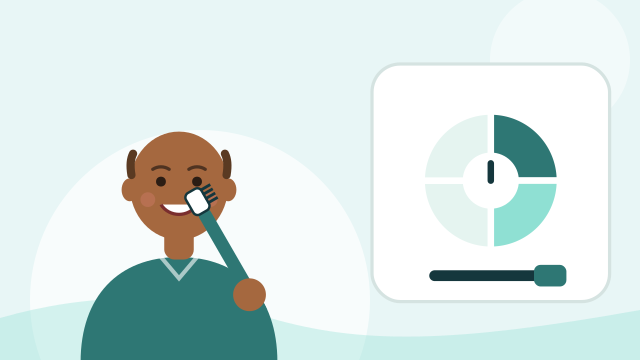
How it works
- Get readyPut fluoride toothpaste on your brush. For children, use a tiny smear up to age 3 and a pea-sized amount from 3 to 6. Tick "Sound" if you want a signal when it is time to move on.
- Start the timerPress "Start". The timer begins with "Upper right", then moves to "Upper left", "Lower left" and "Lower right", with 30 seconds for each.
- Pause or resetUse "Pause" if you are interrupted and "Reset" to start again from the beginning.
- Choose a longer sessionSelect "3 minutes" if you want more time, for example with braces or when you are helping a child.
2 minutesbrush your teeth for about 2 minutes Source
Twice a daywith fluoride toothpaste, including last thing at night Source
1,350 ppmminimum fluoride level for adult toothpaste Source
Spit, don't rinserinsing washes away the fluoride left on your teeth Source
Why use a toothbrush timer
The NHS advises brushing your teeth with fluoride toothpaste twice a day for about 2 minutes. Brushing last thing at night is especially important, and you should brush at one other time during the day as well. Two minutes is longer than most people think. Without a clock, it is easy to stop after a few seconds on each side or to skip the same area every time. A toothbrush timer takes the guessing out of it and helps you build a steady habit.
This timer splits the 2 minutes into four phases of 30 seconds: upper right, upper left, lower left and lower right. Moving round your mouth in the same order every time helps you reach every surface, including the inside of your teeth and the chewing surfaces at the back. The NHS says it does not matter whether you use an electric or a manual toothbrush, as long as you clean all surfaces and use fluoride toothpaste.
Fluoride toothpaste and what to do after brushing
Adults should use a toothpaste that contains at least 1,350 parts per million (ppm) of fluoride, according to the NHS. You can check the amount on the packaging. After brushing, spit out the excess toothpaste but do not rinse your mouth with water. Rinsing washes away the concentrated fluoride left on your teeth and reduces its protective effect. If your dentist has recommended a higher-fluoride toothpaste for you, follow their advice.
Cleaning between your teeth matters too, because a toothbrush cannot reach every gap. The NHS says regular flossing may reduce gum disease, tooth decay and bad breath by removing plaque along the gum line, and suggests flossing before you brush. Interdental brushes are an alternative, especially where there are gaps between teeth. The NHS advises against wooden toothpicks, which can damage your gums. Ask your dentist or hygienist which method suits your teeth.
Brushing children's teeth
Children's teeth should be brushed at least twice a day, including just before bed, and at one other time that fits your routine. The NHS recommends a tiny smear of fluoride toothpaste for children up to 3 years old and a pea-sized amount for children aged 3 to 6. Encourage your child to spit out the toothpaste afterwards rather than rinsing with water, so the fluoride stays on their teeth. Making brushing part of the bedtime routine helps children get used to it and makes it easier to remember every evening.
Keep helping your child until you are sure they can brush well on their own, which is normally until at least the age of 7. The timer can make brushing feel like a game: let your child press "Start", follow the four areas on screen and wait for the sound at the end. If brushing is a struggle, the "Pause" button gives you a break without losing your place. Ask your dentist for tips if your child finds brushing difficult.
Looking after dental work
If you have crowns, veneers, bonding, implants or braces, careful daily cleaning still matters. The Oral Health Foundation says good daily cleaning and regular dental check-ups help veneers last longer. Brushing in a fixed order with a timer makes it easier to clean around restorations and along the gum line, where plaque tends to build up. If you have braces or a lot of dental work, the "3 minutes" option gives you extra time.
Your dentist or hygienist can show you how to clean around your own dental work and which brushes to use between your teeth. If you have had treatment abroad, ask your UK dentist for a check-up when you are home, so they know what was done and can advise you on cleaning. A timer supports good habits, but it does not replace regular check-ups. If you notice bleeding gums, sensitivity or a loose restoration while brushing, book an appointment rather than waiting for your next routine visit.
Frequently asked questions
How long should you brush your teeth for?
The NHS advises brushing for about 2 minutes, twice a day, with fluoride toothpaste. Brushing last thing at night is especially important. The timer splits the 2 minutes into four areas of 30 seconds, so you spend the same time on each part of your mouth.
Is 2 minutes of brushing enough?
The NHS recommends about 2 minutes, twice a day. What matters is that you clean all surfaces of your teeth and use fluoride toothpaste. If you find you need more time, for example with braces, choose the "3 minutes" option. Your dentist or hygienist can tell you if you are missing any areas.
How does the toothbrush timer work?
Press "Start" and the timer counts 30 seconds each for "Upper right", "Upper left", "Lower left" and "Lower right". If "Sound" is ticked, you hear a signal when it is time to move on. Use "Pause" to stop briefly and "Reset" to begin again.
Should I rinse after brushing my teeth?
No. The NHS advises spitting out excess toothpaste but not rinsing with water, because rinsing washes away the concentrated fluoride left on your teeth and reduces its protective effect. The same advice applies to children: encourage them to spit, not rinse.
Is an electric toothbrush better than a manual one?
The NHS says it does not matter whether you use an electric or manual toothbrush. Both are equally good, as long as you brush all surfaces of your teeth and use fluoride toothpaste. Some people find an electric toothbrush easier for cleaning thoroughly. The timer works with either.
How much toothpaste should children use?
The NHS recommends a tiny smear of fluoride toothpaste for children up to 3 years old and a pea-sized amount for children aged 3 to 6. Keep helping your child brush until you are sure they can do it well on their own, which is normally until at least age 7.
What strength of fluoride toothpaste should adults use?
Adults should use a toothpaste with at least 1,350 ppm fluoride, according to the NHS. Check the packaging for the amount. After brushing, spit out the excess but do not rinse, so the fluoride keeps working. If your dentist has prescribed or recommended a different toothpaste for you, follow their advice.
Should I floss before or after brushing?
The NHS suggests flossing before brushing. Regular flossing may reduce gum disease, tooth decay and bad breath by removing plaque along the gum line. Interdental brushes are an alternative, especially where there are gaps between your teeth. Avoid wooden toothpicks, which can damage your gums.
Sources
- NHS: How to keep your teeth clean
- NHS: Looking after your baby's teeth
- Oral Health Foundation: Veneers
This tool provides general information and calculates only with the values you enter. It does not replace an examination or advice from a dentist, your health insurer or a financial adviser.
More free tools
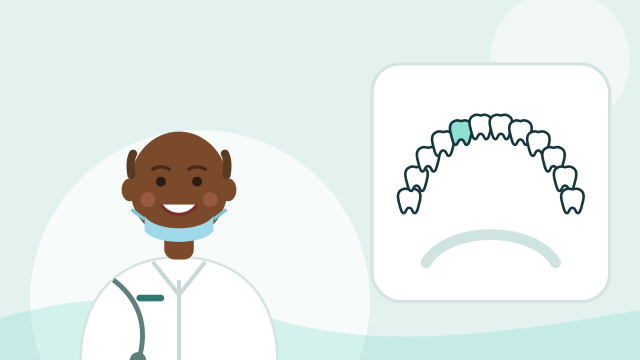 Teeth chartType UR6 or 16 and see the tooth, its name and quadrant. Palmer, FDI and Universal explained.
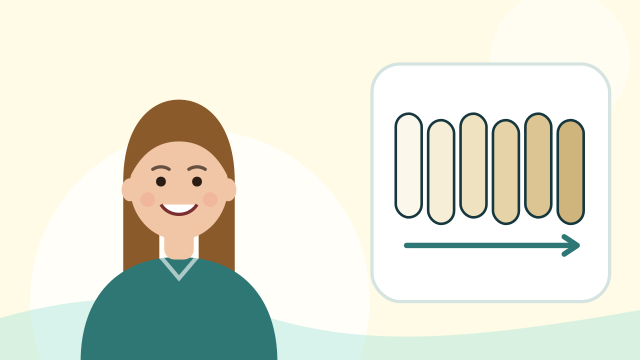 Teeth whitening costAdd consultation, trays, gel, in-surgery sessions and top-ups from your quote to see the full whitening cost.
 Braces cost calculatorCompare an aligner quote with a fixed brace quote, including retainers, aftercare and cost per month.