All-on-4 vs All-on-6 Implants – UK Guide
Checked by our editorial team. Clinical review by a dentist: planned, not yet done for this article.

All-on-4 vs All-on-6 Implants – UK Guide
Choosing the right dental implant solution when facing significant tooth loss can be a life-changing decision. For many individuals in the UK, the prospect of regaining a full, functional, and aesthetically pleasing smile without the hassle of traditional dentures is incredibly appealing. Two prominent options for full-arch restoration are All-on-4 and All-on-6 dental implants. While both techniques offer robust and long-lasting results, they differ in their approach, suitability, and the number of implants used. Understanding these distinctions is paramount for anyone considering these advanced dental procedures. This comprehensive guide will delve into the intricacies of both systems, helping you make an informed choice that aligns with your specific oral health needs and lifestyle expectations.
Our dental implants in Turkey guide covers the whole decision, from suitability and planning to what happens if something goes wrong once you are home.
Understanding Full Arch Dental Implants
Full arch dental implants represent a revolutionary approach to replacing an entire set of teeth in either the upper or lower jaw. Instead of individual implants for each missing tooth, these systems utilise a strategically placed series of implants to support a full bridge of prosthetic teeth. This method provides superior stability, restores chewing function, prevents bone loss, and offers a natural appearance, significantly enhancing a patient’s quality of life. Unlike removable dentures, full arch implants are fixed, meaning they do not slip, click, or require adhesives, offering comfort and confidence akin to natural teeth. The underlying principle involves titanium or zirconia implant posts surgically placed into the jawbone, which then fuse with the bone over time in a process called osseointegration. Once integrated, these implants serve as sturdy anchors for the custom-made dental prosthetics.
What is the All-on-4 Dental Implant Concept?
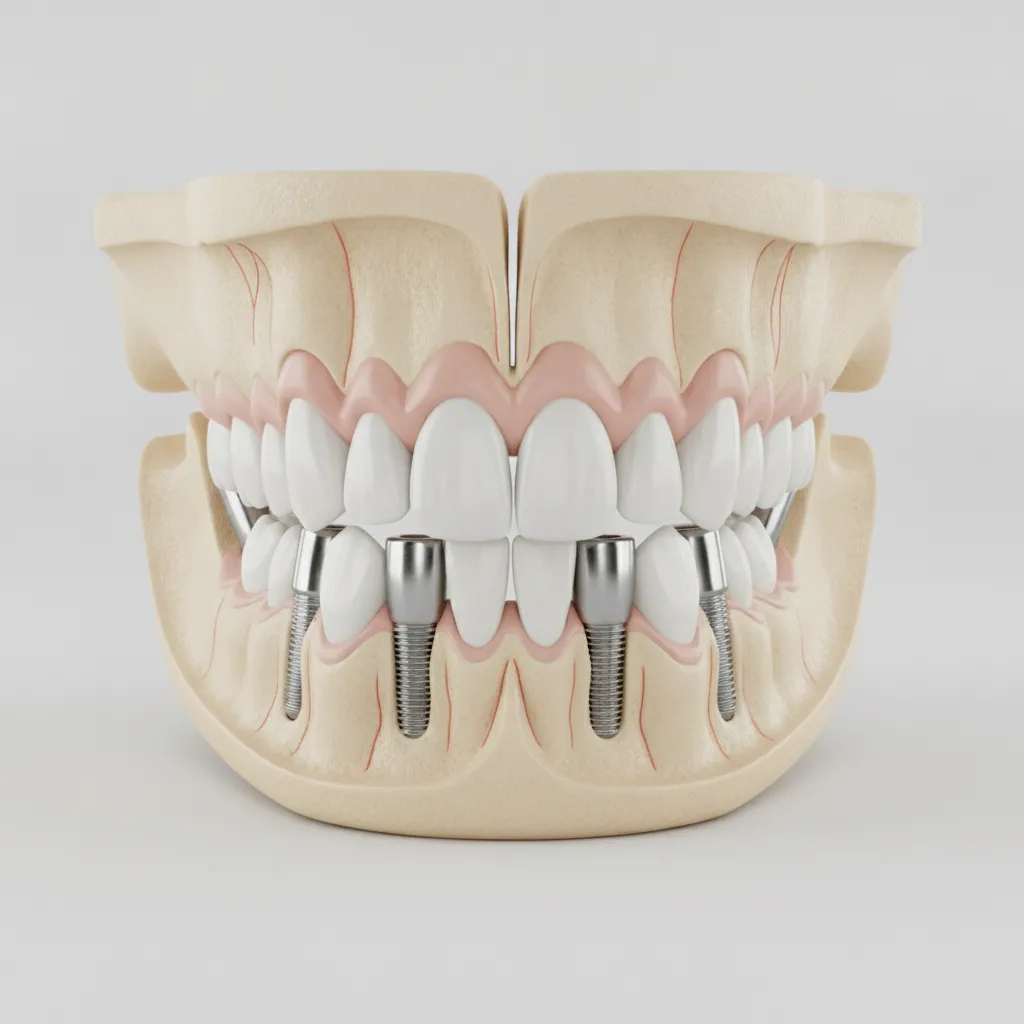
The All-on-4 dental implant concept is a highly efficient and popular solution designed to restore a complete arch of teeth using just four strategically placed dental implants. Developed to maximise the use of available bone, this technique often bypasses the need for extensive bone grafting procedures, making it a viable option for patients with some degree of bone loss. Two implants are typically placed vertically in the anterior (front) jaw, where bone density is generally higher, while the two posterior (back) implants are angled at up to 45 degrees. This angling allows for the placement of longer implants, increasing bone-to-implant contact and stability, even in areas with reduced bone volume. The prosthetic bridge, which can be loaded relatively quickly—sometimes even on the same day as the surgery, providing ‘teeth-in-a-day’ functionality—is securely attached to these four implants. The All-on-4 system is known for its ability to provide a rapid return to function and aesthetics, making it an attractive option for patients seeking a fast and effective full-arch restoration.
Exploring the All-on-6 Dental Implant System
Building upon the principles of full arch restoration, the All-on-6 dental implant system utilises six dental implants to support a full arch of prosthetic teeth. This method is generally recommended for patients with good to excellent bone density in their jaw, as it requires more robust bone support for the increased number of implants. The additional two implants provide enhanced stability and a wider distribution of biting forces across the jawbone. This can be particularly beneficial for patients with stronger bites or those who prefer maximum long-term security. Like All-on-4, the implants are strategically positioned, though typically with less extreme angulation for the posterior implants due to better bone availability. While the initial loading of the prosthetic bridge might sometimes follow a slightly longer healing period compared to All-on-4, the All-on-6 system is highly regarded for its superior strength, potentially greater longevity, and reduced stress on individual implants due to the broader foundation. It offers an exceptionally stable and durable foundation for a full set of permanent teeth.
All-on-4 vs All-on-6 Implants: A Detailed Comparison
When considering full-mouth dental solutions, understanding the nuances between All-on-4 and All-on-6 implants is critical. Both are excellent choices, but their differences cater to varying patient needs and anatomical conditions. Here is a detailed comparison to highlight their key distinctions:
| Feature | All-on-4 Dental Implants | All-on-6 Dental Implants |
|---|---|---|
| Number of Implants | Four implants per arch | Six implants per arch |
| Bone Density Requirement | Suitable for moderate to lower bone density; often avoids bone grafting due to angled posterior implants. | Requires good to excellent bone density for optimal support. |
| Surgical Complexity | Generally less invasive due to fewer implants and specific angulation. | Slightly more invasive due to additional implant placements, though still a streamlined procedure. |
| Cost | Typically less expensive due to fewer implants and potentially fewer ancillary procedures. | Generally higher cost due to the increased number of implants and associated surgical time. |
| Load Distribution | Adequate load distribution, effective for most patients. | Superior load distribution, leading to potentially greater long-term stability and reduced stress per implant. |
| Prosthesis Support | Excellent support for a full arch fixed bridge. | Enhanced support and stability for a full arch fixed bridge, potentially allowing for a wider, more robust restoration. |
| Ideal Candidate | Patients with some bone loss, seeking a quicker solution, or with budget considerations. | Patients with sufficient bone density, strong bite forces, or those prioritising maximum stability and longevity. |
| Treatment Time | Often allows for immediate provisional bridge placement (“teeth-in-a-day”). | Can also allow for immediate loading, but sometimes a slightly longer healing phase is preferred before final restoration. |
Key Considerations When Choosing Your Solution
Deciding between All-on-4 and All-on-6 requires careful consideration of several factors unique to each patient. A thorough consultation with an experienced dental implant specialist is crucial to assess your individual needs, oral health status, and aesthetic goals.
Bone Density and Jaw Structure
The quantity and quality of your jawbone are perhaps the most significant factors influencing the choice between these two systems. All-on-4 is specifically engineered to capitalise on existing bone, often making it a suitable choice for patients who have experienced some degree of bone resorption and wish to avoid bone grafting. The angled posterior implants bypass areas of low bone density and engage denser bone in the front of the jaw. Conversely, All-on-6 requires a more substantial volume of healthy bone to support the increased number of implants. If you have excellent bone structure, All-on-6 might offer enhanced long-term stability. A comprehensive 3D CT scan will be used to accurately assess your bone structure and determine the most appropriate treatment plan.
Treatment Cost Implications
The financial investment for dental implant procedures is a significant consideration for many patients in the UK. Generally, All-on-4 treatments tend to be more cost-effective than All-on-6, primarily due to the fewer number of implants required. The overall cost can also be influenced by the need for ancillary procedures, such as extractions or minor bone reshaping, and the materials chosen for the final prosthetic bridge. While initial cost is a factor, it’s essential to view dental implants as a long-term investment in your health and quality of life. Many clinics offer financing options or payment plans to help manage the expenses. For UK patients, exploring options abroad, particularly in countries known for their dental expertise and competitive pricing, can also present significant savings.
Treatment Duration and Recovery
Both All-on-4 and All-on-6 can often be completed with the placement of a provisional set of teeth on the same day as surgery, allowing patients to leave the clinic with a functional and aesthetic smile. This ‘teeth-in-a-day’ protocol dramatically reduces the emotional and practical burden of tooth loss. The full integration of the implants with the jawbone (osseointegration) typically takes 3-6 months, after which the final, custom-made prosthetic bridge is fitted. Recovery involves managing initial swelling and discomfort with prescribed medication, adhering to a soft food diet, and maintaining meticulous oral hygiene. The slightly higher number of implants in an All-on-6 procedure *might* sometimes lead to a marginally longer initial healing phase or a more conservative approach to immediate loading, depending on the individual case and the dentist’s preference, though this is not always the case.
Long-Term Stability and Maintenance
Both All-on-4 and All-on-6 systems boast high success rates and offer exceptional long-term stability when properly cared for. The additional two implants in an All-on-6 system distribute the chewing forces over a broader area, which can potentially lead to greater biomechanical stability and reduce stress on individual implants over many years. However, the success of either system heavily relies on diligent oral hygiene practices, including regular brushing, flossing, and routine dental check-ups. Avoiding habits like smoking and excessive alcohol consumption also plays a vital role in the longevity of your implants. For further information on various full-mouth solutions, you might find this resource helpful: Full Mouth Dental Solutions.
The Surgical Process for Full Arch Implants
The surgical process for both All-on-4 and All-on-6 follows a similar, well-defined protocol, ensuring patient comfort and optimal outcomes. It begins with a comprehensive consultation, including a thorough examination of your oral health, medical history review, and detailed imaging such as 3D CT scans. This allows the dental team to precisely map your jawbone, identify optimal implant placement sites, and create a customised treatment plan.
On the day of surgery, local anaesthesia, sometimes combined with sedation, is used to keep the procedure as comfortable as possible. Any remaining unhealthy teeth are extracted, and the implant sites are carefully prepared. The four or six titanium dental implants are then meticulously placed into the jawbone according to the pre-planned surgical guide. The angled placement of posterior implants in the All-on-4 system is key to engaging denser bone. Once the implants are secure, abutments are attached, and a provisional full-arch bridge (temporary teeth) is often immediately fixed to the implants. This allows you to leave with a new smile and functional teeth on the very same day.
Over the next few months, a crucial period of osseointegration occurs, where the implants fuse with the surrounding jawbone. During this time, you will wear your temporary bridge. Once osseointegration is complete and your jaw has fully healed, impressions are taken to design and fabricate your final, custom-made prosthetic bridge. This permanent restoration, often crafted from high-quality materials like zirconia, is then securely attached to your integrated implants, providing a durable, aesthetically pleasing, and fully functional set of teeth designed to last for decades.
Life After Full Arch Dental Implants
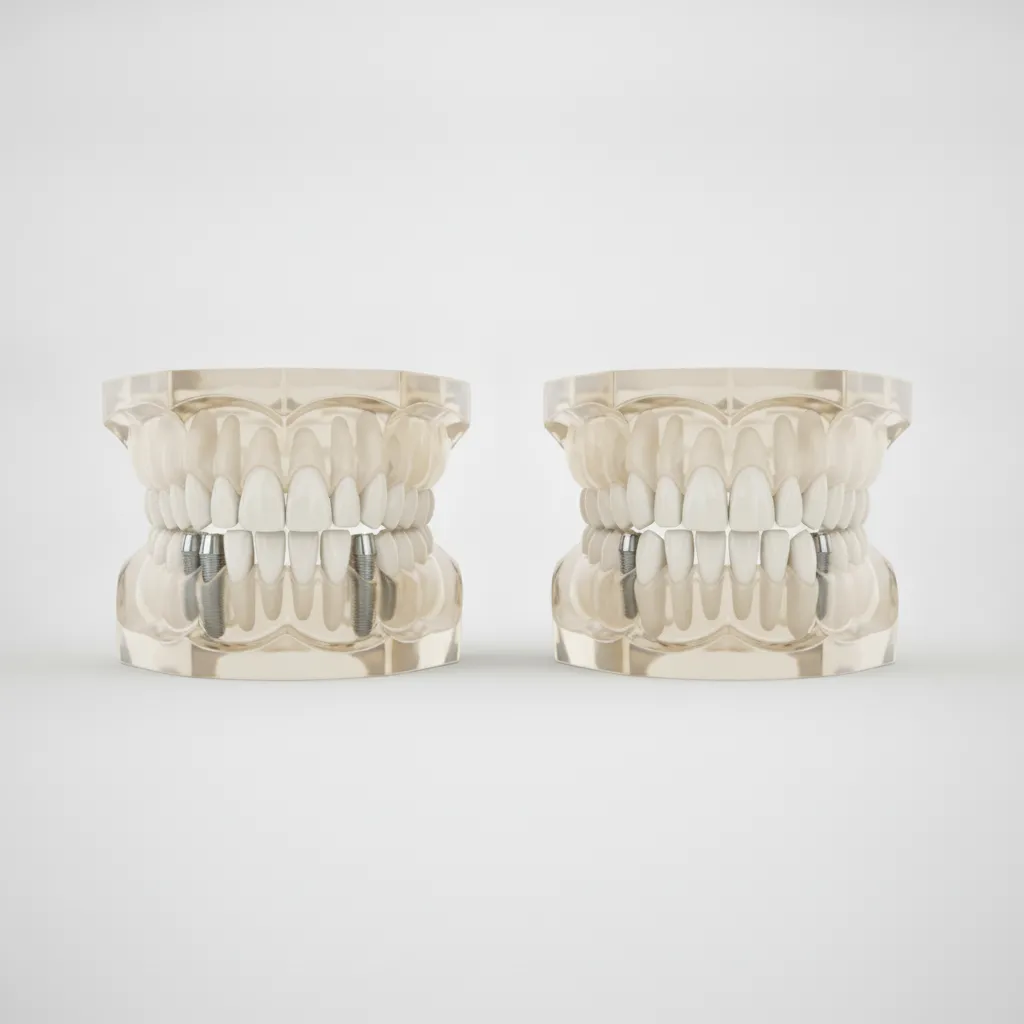
Life after receiving All-on-4 or All-on-6 dental implants is often transformative. Patients report a dramatic improvement in their ability to chew and speak, which in turn boosts their confidence and overall quality of life. The fixed nature of the prosthesis means no more worries about dentures slipping or food restrictions. You can enjoy a varied diet, including many foods previously avoided. The implants also stimulate the jawbone, preventing the bone loss that typically occurs with missing teeth, thereby preserving facial structure and preventing a ‘sunken’ appearance.
Maintaining your new smile is straightforward but essential. Regular brushing and flossing are necessary, similar to caring for natural teeth. Specific cleaning tools may be recommended to clean around and under the fixed bridge effectively. Routine dental check-ups are also crucial to monitor the health of your implants, surrounding gums, and the prosthetic bridge. With proper care and maintenance, both All-on-4 and All-on-6 systems can provide a successful and comfortable solution for many years, offering a renewed sense of confidence and well-being. For a broader understanding of dental implants, including their history and scientific basis, you can consult resources such as Wikipedia’s entry on Dental Implants.
Frequently asked questions
What is the main difference between All-on-4 and All-on-6?
Both fix a full-arch bridge to implants in one jaw. All-on-4 uses four implants, often with the back two angled to avoid the sinus or a nerve, while All-on-6 spreads the load over six. Which suits you depends on your bone, your bite and the dentist's assessment.
Is All-on-6 always better than All-on-4?
No. Extra implants can spread chewing forces, but they need enough bone in the right places and mean more surgery. Ask your dentist why they recommend a particular number for your jaw.
Can a temporary bridge be fitted on the day of surgery?
Often, if the implants are stable enough when placed. The final bridge is usually fitted after several months of healing, so plan for at least one more visit.
Are All-on-4 or All-on-6 available on the NHS?
Rarely. NHS implant treatment is limited to specific clinical situations, usually in hospital, so most people pay privately.