Full Mouth Restoration UK Guide
Checked by our editorial team. Clinical review by a dentist: planned, not yet done for this article.

Full Mouth Restoration UK Guide
Full Mouth Restoration UK Guide. A full mouth restoration is a comprehensive dental treatment designed to rebuild and restore all teeth in the upper and lower jaws. It’s a complex yet highly transformative procedure aimed at improving the function, health, and aesthetics of an individual’s entire oral structure. For those in the UK experiencing extensive dental issues such as multiple missing teeth, severe decay, gum disease, or bite problems, a full mouth restoration offers a pathway to renewed oral health and confidence. This guide will explore what the procedure entails, who can benefit from it, the various components involved, and what to expect during the process in the UK.
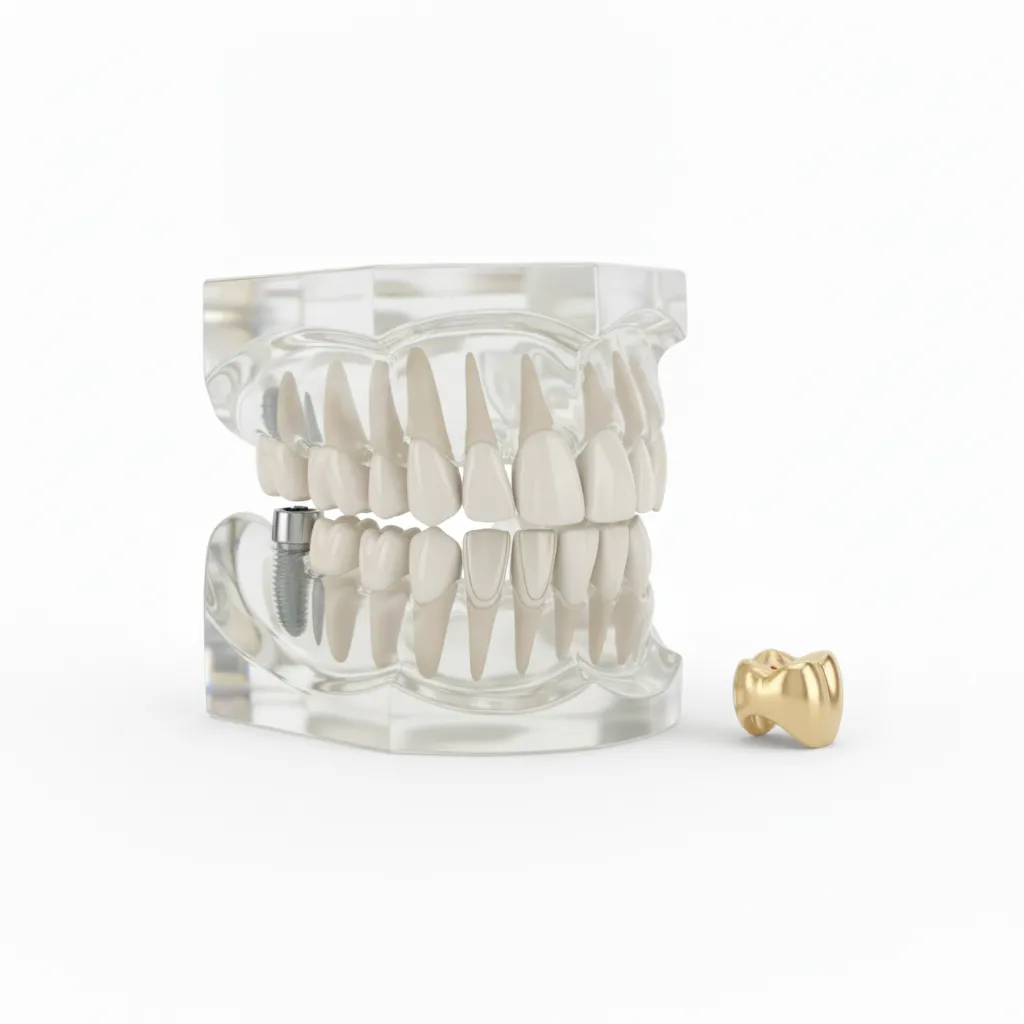
For the bigger picture, including how to check a clinic and plan aftercare back in the UK, see our guide to dental implants in Turkey.
What is Full Mouth Restoration?
Full mouth restoration, also known as full mouth rehabilitation or reconstruction, is not a single procedure but rather a customised series of treatments performed to correct significant dental problems. Unlike a simple filling or a single crown, it addresses the entire mouth, ensuring that all teeth, gums, and jaw joints work harmoniously. The primary goals are to establish proper bite alignment, eliminate pain, restore chewing ability, improve speech, and enhance the overall appearance of the smile. This holistic approach ensures long-term stability and oral health, addressing underlying issues that might otherwise lead to recurrent problems. The scope can range from replacing all natural teeth with implants and prosthetics to repairing and preserving existing teeth through a combination of restorative and cosmetic dentistry techniques.
Who Needs Full Mouth Restoration?
Patients who typically require full mouth restoration often present with a combination of several severe dental conditions. These may include extensive tooth decay affecting multiple teeth, numerous missing teeth due to trauma or disease, advanced gum disease that has compromised tooth support, or worn, cracked, or fractured teeth from grinding (bruxism) or acid erosion. Additionally, individuals suffering from chronic jaw pain, headaches, and muscle tenderness due to an incorrect bite (malocclusion) can also be candidates. Those who have delayed dental treatment for an extended period, resulting in widespread deterioration, will also find full mouth restoration to be an ideal solution to recover their oral health comprehensively. A thorough initial assessment by a dental professional is crucial to determine suitability and tailor a treatment plan specific to the individual’s unique needs.
Components of a Full Mouth Restoration
A full mouth restoration involves a strategic combination of various dental procedures, each chosen to address specific issues within the mouth. The exact mix of treatments will vary significantly from one patient to another, depending on their individual diagnostic findings and desired outcomes. The ultimate aim is to create a stable, functional, and aesthetically pleasing result.
Here are common components often incorporated into a full mouth restoration plan:
| Component | Purpose | Description |
|---|---|---|
| Dental Implants | Replace missing tooth roots | Surgically placed titanium posts that fuse with the jawbone, serving as strong foundations for crowns, bridges, or dentures. Essential for replacing single or multiple missing teeth. |
| Dental Crowns | Cover and protect damaged teeth | Caps placed over damaged, weakened, or decayed teeth to restore their shape, size, strength, and appearance. Also used over implants. |
| Dental Bridges | Replace one or more missing teeth | Fixed prosthetics used to bridge the gap created by missing teeth, typically anchored to natural teeth or implants on either side of the gap. |
| Porcelain Veneers | Improve tooth aesthetics | Thin, custom-made shells of tooth-coloured material designed to cover the front surface of teeth, correcting discolouration, chips, and minor misalignment. |
| Root Canal Therapy | Treat infected tooth pulp | Procedure to remove infected or inflamed pulp from inside a tooth, clean and disinfect the canal, and then fill and seal it, saving the natural tooth. |
| Orthodontics | Correct tooth alignment | Braces or clear aligners used to straighten teeth and correct bite issues, creating a more ideal foundation for restorative work. |
| Gum Disease Treatment | Restore gum health | Includes deep cleaning (scaling and root planing), and potentially surgical procedures like gum grafts or pocket reduction to treat periodontitis. |
| Bone Grafting | Rebuild jawbone volume | Surgical procedure to add bone material to the jaw where bone loss has occurred, often necessary to support dental implants. |
| Dentures (Full/Partial) | Replace multiple missing teeth | Removable appliances that can replace all or some missing teeth and surrounding tissues. Modern dentures can be implant-supported for stability. |
The Full Mouth Restoration Process: A Step-by-Step Guide
The journey to a fully restored mouth is a multi-stage process that requires careful planning, skilled execution, and patient commitment. While the specific steps can vary depending on the individual’s needs, a general outline involves several key phases.
1. Initial Consultation and Comprehensive Examination: This crucial first step involves a thorough assessment of your oral health. The dentist will conduct a detailed examination, which includes reviewing your medical history, taking full mouth X-rays, 3D CT scans, photographs, and dental impressions. This diagnostic data allows the dental team to understand the extent of the damage, identify any underlying issues like gum disease or temporomandibular joint (TMJ) disorders, and evaluate bone density.
2. Diagnosis and Treatment Planning: Based on the comprehensive examination, the dental team, often consisting of general dentists, prosthodontists, periodontists, and oral surgeons, will formulate a personalised treatment plan. This plan will outline the sequence of procedures, estimated timelines, and associated costs. The patient will be involved in this discussion, ensuring they understand all aspects of the proposed treatment and can ask questions. This is where the long-term vision for your oral health is established.
3. Preparatory Procedures: Before the restorative work begins, foundational issues must be addressed. This phase may include:
* Gum Disease Treatment: Scaling, root planing, or more advanced periodontal surgeries to ensure healthy gums.
* Extractions: Removal of severely damaged or non-restorable teeth.
* Bone Grafting: If jawbone density is insufficient, particularly for dental implants, bone grafting procedures will be performed to augment the bone.
* Root Canal Therapy: To treat infected teeth that can still be saved.
* Orthodontics: In some cases, teeth may need to be straightened or repositioned to create a better foundation for restorative work.
4. Restorative Phase: Once the preparatory work is complete and healing has occurred, the main restorative procedures commence. This is where the new components are put in place:
* Dental Implant Placement: If implants are part of the plan, titanium posts are surgically placed into the jawbone. A healing period (osseointegration) of several months is typically required for the implants to fuse with the bone.
* Crowns, Bridges, Veneers, or Dentures: Custom-made restorations are fabricated in a dental laboratory to precise specifications. These are then fitted and bonded into place. For implant-supported restorations, abutments are attached to the implants, and then the final crowns, bridges, or dentures are secured. This phase often involves multiple appointments for impressions, temporary restorations, fittings, and final placement.
5. Adjustment and Follow-up: After all restorations are placed, the dentist will make final adjustments to ensure your bite is comfortable and properly aligned. Detailed instructions on oral hygiene and care for your new restorations will be provided. Regular follow-up appointments are essential to monitor the long-term health and stability of your full mouth restoration and address any concerns. This ongoing care is vital for the longevity of the treatment.
Benefits of Full Mouth Restoration
The benefits of undergoing a full mouth restoration extend far beyond mere aesthetics. While a beautiful smile is a significant outcome, the true value lies in the comprehensive improvement of oral health and overall quality of life. Patients typically experience greatly improved chewing efficiency, allowing them to enjoy a wider variety of foods and better nutrition. Speech patterns, which may have been affected by missing or misaligned teeth, often return to normal. Chronic pain associated with bite problems, damaged teeth, or gum disease is alleviated, leading to enhanced comfort. Furthermore, the structural integrity of the jaw is often preserved or improved, preventing further bone loss. Psychologically, the renewed confidence that comes with a healthy, functional, and attractive smile can be transformative, positively impacting social interactions and self-esteem.
Recovery and Aftercare
The recovery period following a full mouth restoration can vary depending on the complexity of the procedures performed. Initially, patients may experience some swelling, discomfort, or tenderness, which can usually be managed with prescribed pain medication. It’s crucial to follow all post-operative instructions carefully, including dietary restrictions, proper oral hygiene techniques, and activity limitations. Avoiding hard, sticky, or chewy foods during the initial healing phases is often recommended. Maintaining excellent oral hygiene, which involves regular brushing, flossing, and potentially using antiseptic mouthwashes, is paramount for the longevity of your new restorations and the health of your remaining natural teeth and gums. Regular dental check-ups and professional cleanings, as advised by your dentist, are non-negotiable for monitoring the condition of your restoration and preventing future issues. Adhering to these aftercare guidelines significantly contributes to the success and durability of your full mouth restoration.
Full Mouth Restoration UK Guide: Choosing Your Provider
When considering a full mouth restoration in the UK, selecting the right dental practice is paramount. Given the complexity and investment involved, it is essential to choose a team with extensive experience, advanced training, and a multidisciplinary approach. Look for dentists who specialise in reconstructive and aesthetic dentistry, often working alongside periodontists, oral surgeons, and prosthodontists. A clinic that utilises modern technology, such as 3D imaging, digital impressions, and advanced treatment planning software, can offer more precise and predictable outcomes. Ask for a written treatment plan with alternatives, and check the dentist’s GDC registration and any specialist listing. Clear communication regarding the treatment plan, expected outcomes, and potential risks is also a hallmark of a trustworthy provider. While the focus of this guide is on general information, it’s worth noting that some patients consider clinics abroad, such as those in Turkey, for comprehensive dental solutions, often attracted by the potential for lower costs while maintaining high standards of care, especially for procedures like full mouth dental solutions.
Understanding the Investment: Costs and Funding Options in the UK
The cost of full mouth restoration in the UK can vary significantly, depending on the complexity of the case, the number and type of procedures involved, the materials used, and the chosen dental practice. It is a substantial investment, often ranging from several thousand pounds to tens of thousands for the most intricate cases. Unlike basic dental care, comprehensive full mouth restoration is rarely covered by the NHS, which primarily focuses on treatments deemed clinically necessary to maintain oral health. Therefore, most patients opt for private dental care. Many private clinics offer various payment plans, including interest-free credit options, to help make the treatment more accessible. Some dental insurance policies may cover a portion of the costs, so it is advisable to check your policy details. Transparency in pricing and a detailed breakdown of costs should be provided by your chosen clinic during the consultation phase, allowing you to make an informed decision about this life-changing treatment. It is always wise to compare treatment plans and costs from a few reputable providers before committing.
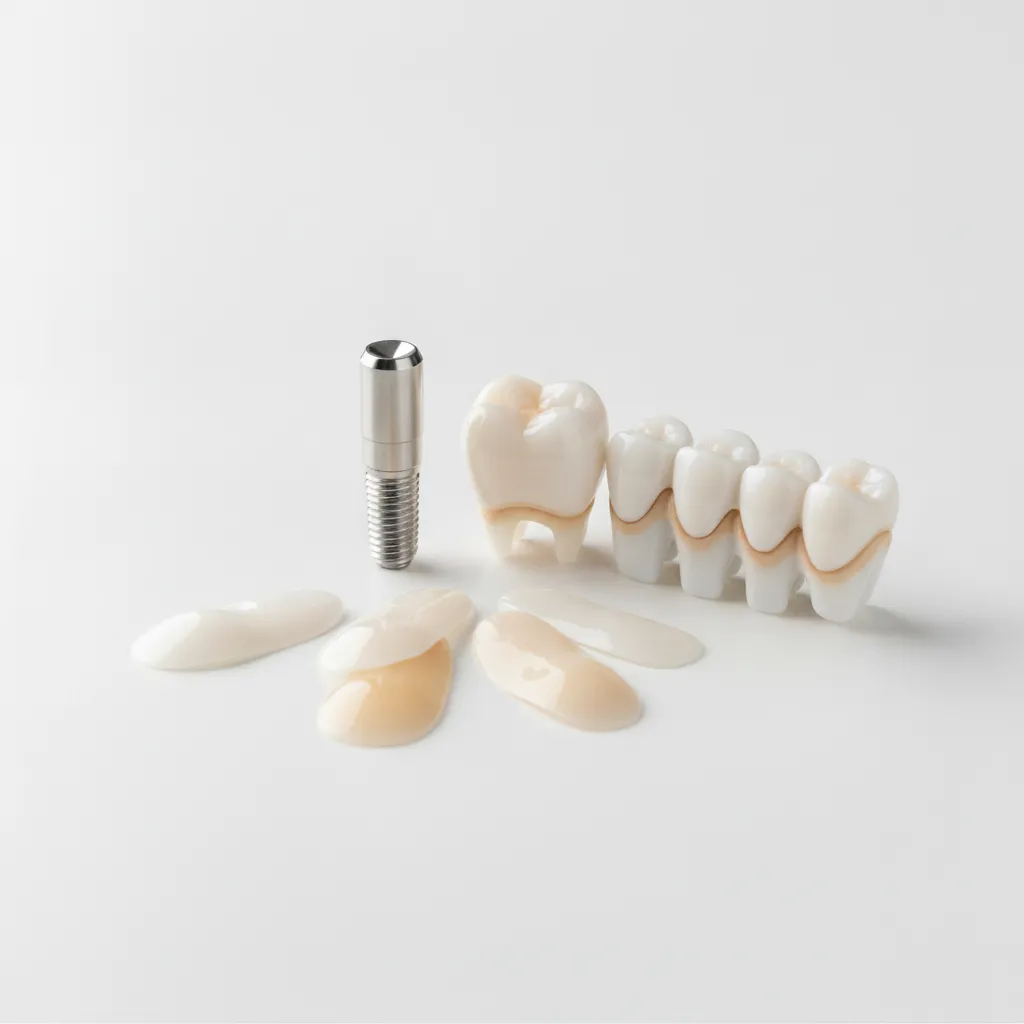
Full mouth restoration is a significant undertaking that offers profound benefits for individuals struggling with extensive dental issues. It’s a journey towards improved health, function, and aesthetics, requiring careful consideration and the expertise of a dedicated dental team. The commitment to such a comprehensive treatment ensures a lasting solution for oral health challenges, providing a renewed sense of confidence and well-being.
For the factors that drive the cost of full-mouth treatment, see full mouth reconstruction costs.