How Much Do Veneers Cost in the UK?
How Much Do Veneers Cost in the UK?
Considering a smile transformation often brings the question of cost to the forefront, especially for those in the United Kingdom. Dental veneers have emerged as a highly popular cosmetic solution, offering a dramatic enhancement to a patient’s smile. They are thin, custom-made shells designed to cover the front surface of teeth, effectively masking imperfections such as discolouration, chips, gaps, or minor misalignment. While the aesthetic benefits are clear, understanding the financial investment involved is crucial for anyone contemplating this treatment. The cost of veneers in the UK is not a fixed figure; it varies significantly based on numerous factors, from the type of material used to the location of the clinic and the complexity of the individual case. This comprehensive guide aims to demystify the pricing structure, helping potential patients make informed decisions about their dental future.
What Are Dental Veneers?
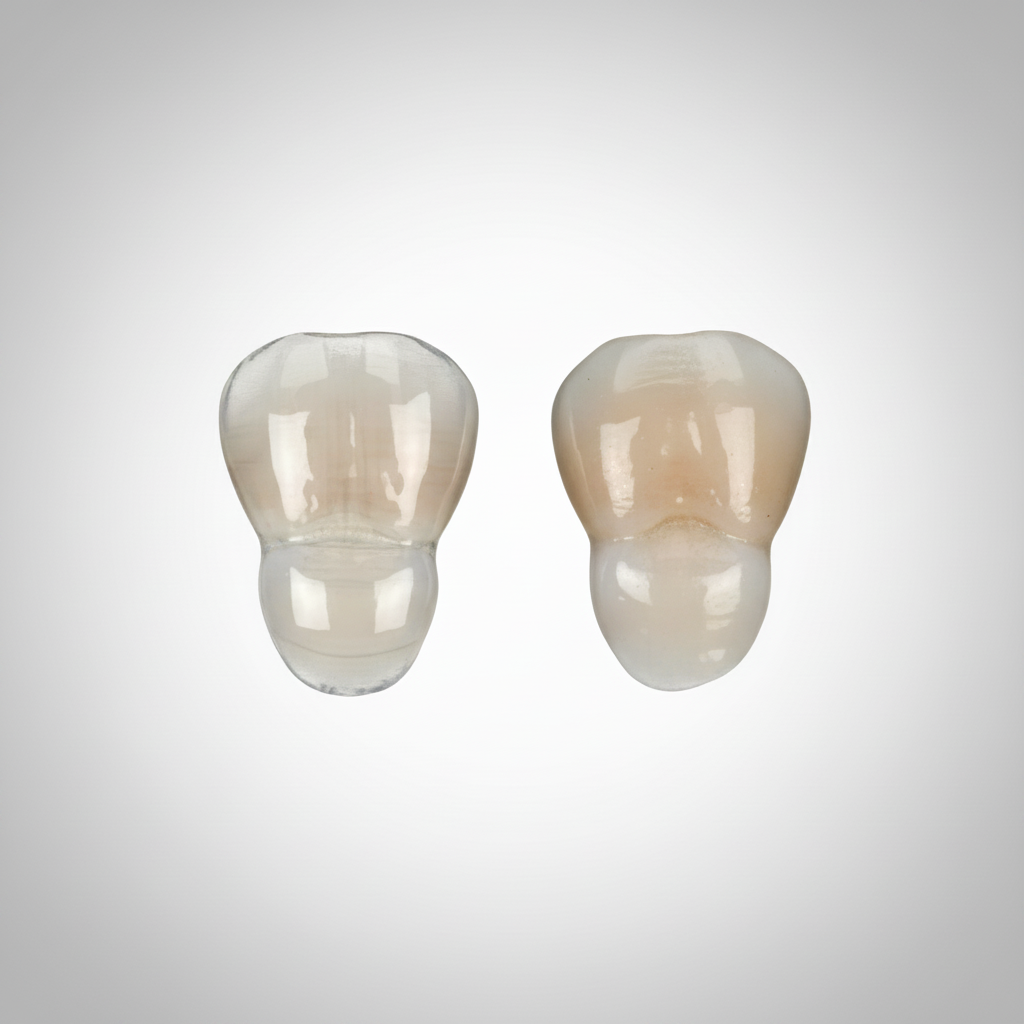
Dental veneers are custom-designed covers that are bonded to the front surface of teeth to improve their appearance. They are primarily used for cosmetic purposes but can also offer some functional benefits by protecting the tooth surface. The two main types of veneers widely available are porcelain veneers and composite resin veneers, each with distinct characteristics regarding material, application, durability, and, consequently, cost.
Porcelain veneers are crafted in a dental laboratory by skilled technicians, typically from impressions or digital scans of your teeth. They are renowned for their strength, natural-looking translucency, and resistance to staining, closely mimicking the appearance of natural tooth enamel. The process of getting porcelain veneers usually involves several appointments. Composite veneers, on the other hand, are made from a resin material that dentists can apply directly to the teeth and sculpt into shape in a single visit, often requiring less tooth preparation. While generally more affordable and reversible, composite veneers may not last as long or resist staining as effectively as their porcelain counterparts.
Factors Influencing Veneers Cost in the UK
The price you pay for veneers in the UK can fluctuate dramatically. Understanding the components that contribute to the overall cost is key to budgeting and choosing the right treatment plan.
Material Choice: Porcelain vs. Composite
This is perhaps the most significant factor influencing cost.
- Porcelain Veneers: These are the premium option. Their superior aesthetics, durability (lasting 10-15 years or more with proper care), and stain resistance justify a higher price point. The intricate laboratory work involved in their creation also adds to the expense.
- Composite Veneers: Also known as bonding, these are generally more affordable. They can last 5-7 years, are often quicker to apply, and may not require as much enamel reduction. However, they are more prone to staining and chipping compared to porcelain.
Number of Veneers Required
It stands to reason that the more veneers you need, the higher the total cost will be. Most patients opt for veneers on their most visible teeth, typically the upper front six or eight teeth, to achieve a uniform, bright smile. A full mouth of veneers (16-20 teeth) will naturally entail a substantially greater investment.
Geographic Location of the Clinic
Dental treatment costs, like many services, tend to be higher in major metropolitan areas, particularly London and the South East of England, compared to clinics in more rural regions or northern parts of the UK. This difference reflects the higher overheads associated with operating a business in these expensive locations.
Dentist’s Expertise and Clinic Reputation
Highly experienced dentists, particularly those with specialist training in cosmetic dentistry and a strong portfolio of successful veneer cases, may charge more for their services. Similarly, clinics with state-of-the-art technology, luxurious facilities, and an excellent reputation for patient care might have higher fees. You are paying not just for the materials but for the skill and artistry of the practitioner.
Associated Treatments and Aftercare
The total cost might also include preparatory work. If you require preliminary treatments such as gum contouring, teeth whitening, or addressing underlying dental issues like cavities or gum disease before veneer placement, these will add to the overall expense. Some clinics might offer an initial consultation for free, while others charge a fee that may or may not be deductible from the total treatment cost. Post-treatment care, such as custom nightguards to protect veneers from grinding, might also be an additional, but worthwhile, cost.
The following table provides an estimated cost range for veneers in the UK, based on current market rates. These are general estimates, and actual prices will vary by clinic and individual circumstances.
| Type of Veneer | Estimated Cost Per Tooth (GBP) | Key Characteristics |
|---|---|---|
| Composite Veneer | £250 – £500 | Affordable, quicker application (often single visit), reversible, prone to staining, lasts 5-7 years. |
| Porcelain Veneer | £500 – £1,200+ | Premium aesthetics, durable, stain-resistant, requires lab work (multiple visits), lasts 10-15+ years. |
The Veneers Procedure: A Step-by-Step Guide
Understanding the process involved in getting veneers can help patients appreciate the value behind the cost. The procedure typically involves several stages:
- Initial Consultation and Smile Design: This crucial first step involves a thorough examination of your oral health, discussions about your aesthetic goals, and assessing whether veneers are the right solution for you. Digital imaging and wax-ups might be used to create a “smile preview,” allowing you to visualise the potential outcome.
- Tooth Preparation: For porcelain veneers, a small amount of enamel (approximately 0.5mm) is usually removed from the front surface of the teeth to make space for the veneer, ensuring a natural fit and appearance. For composite veneers, minimal or no preparation may be required, depending on the case.
- Impressions or Digital Scans: After preparation, precise impressions or digital scans of your teeth are taken. These are sent to a dental laboratory where skilled technicians custom-fabricate your porcelain veneers to match the agreed-upon shade and shape. For composite veneers, the material is applied directly during this visit.
- Temporary Veneers (for Porcelain): While your custom porcelain veneers are being made in the lab (which can take 1-3 weeks), temporary veneers may be placed to protect the prepared teeth and maintain aesthetics.
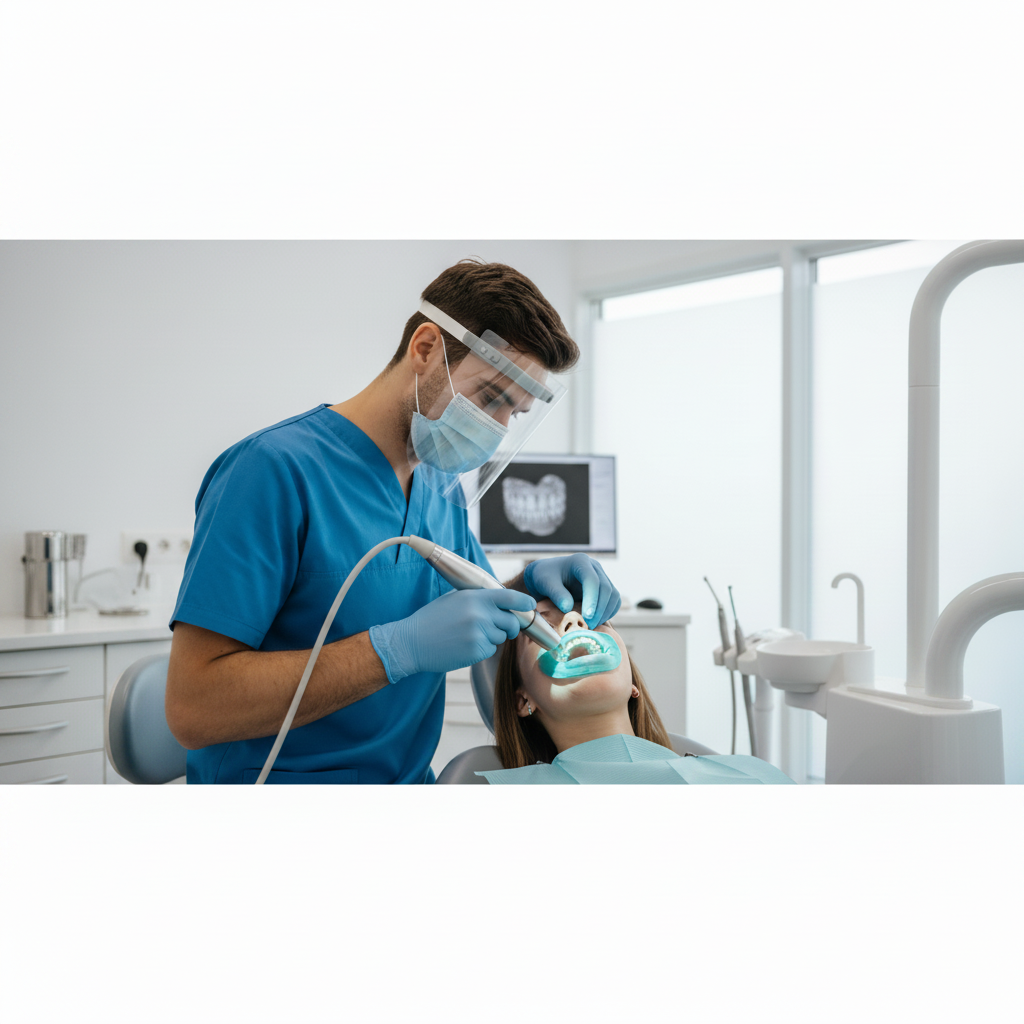
- Bonding/Fitting: Once the permanent porcelain veneers arrive from the lab, you’ll return for your fitting appointment. The dentist will temporarily place them to check fit, colour, and comfort. After any final adjustments, the teeth are thoroughly cleaned, polished, and etched to create a strong bonding surface. A special dental cement is then applied, and the veneer is precisely placed. A light beam is used to cure the cement, firmly bonding the veneer to your tooth. For composite veneers, the direct bonding and sculpting happen in a single longer appointment.
- Aftercare and Follow-up: The dentist will remove any excess cement and check your bite. A follow-up appointment is often scheduled to review your gums and how you are adapting to your new smile.
Porcelain vs. Composite Veneers: A Detailed Comparison
Choosing between porcelain and composite veneers involves weighing their respective advantages and disadvantages, particularly concerning long-term value and aesthetic goals.
Aesthetics and Durability
Porcelain veneers offer superior aesthetics due to their translucent quality, which mimics natural tooth enamel. They are also highly resistant to stains from coffee, tea, and red wine, maintaining their brilliance for many years. With proper care, porcelain veneers can last 10 to 15 years, sometimes even longer. Composite veneers, while aesthetically pleasing initially, tend to be less translucent and can be more susceptible to staining over time. Their lifespan is generally shorter, typically 5 to 7 years, after which they may require repair or replacement.
Cost Implications
As noted earlier, composite veneers are significantly more budget-friendly per tooth than porcelain veneers. This makes them an attractive option for those seeking a more immediate and less expensive smile enhancement. However, considering their shorter lifespan, the cumulative cost of replacing composite veneers over time might approach or even exceed the initial investment in porcelain veneers.
Treatment Duration and Reversibility
Composite veneers can often be applied in a single dental visit, as the material is directly sculpted onto the tooth. This makes them a faster solution for smile makeovers. Porcelain veneers, requiring laboratory fabrication, typically involve at least two to three appointments spread over a few weeks. In terms of reversibility, composite veneers are generally considered more reversible, as minimal or no tooth enamel removal is needed. Porcelain veneers, on the other hand, require permanent alteration to the tooth structure, making them an irreversible procedure.
Are Veneers an Investment Worth Making?
Beyond the immediate financial outlay, it’s important to consider the long-term benefits and value of veneers. For many, a new smile can dramatically boost self-confidence, improve social interactions, and even positively impact professional life. Addressing aesthetic concerns like discoloured, chipped, or misaligned teeth can alleviate self-consciousness and promote a willingness to smile more openly.
Furthermore, with proper care, veneers are a durable and long-lasting solution. Porcelain veneers, in particular, offer exceptional longevity and resistance to daily wear and tear. They can protect the underlying tooth structure from further damage and provide a uniform, healthy appearance that can be maintained with good oral hygiene. The decision to get veneers is a personal one, but for those seeking a significant and lasting improvement to their smile, the investment often proves to be immensely rewarding. You can find more general information about dental veneers on trusted sources like Wikipedia.
Financing Options and Payment Plans in the UK
To make veneers more accessible, many dental clinics in the UK offer various financing options. These can include interest-free credit schemes for a certain period, or low-interest payment plans that allow patients to spread the cost over several months or years. It is advisable to discuss these options with your chosen clinic during your initial consultation. Some private dental insurance plans might cover a small portion of the cost if the veneers are deemed medically necessary (e.g., to restore a broken tooth), but purely cosmetic procedures are rarely covered.
The Alternative: Dental Tourism
For UK residents, the high cost of dental veneers can be a significant barrier. This has led to a growing trend of dental tourism, where patients travel abroad for treatment to achieve substantial cost savings. Countries like Turkey have become popular destinations for high-quality cosmetic dentistry, including veneers, at a fraction of the price found in the UK. Clinics in these countries often provide comprehensive packages that include accommodation and transfers, making the entire experience convenient and affordable. While the initial travel cost is an added expense, the overall savings can still be considerable. Learn more about the specific costs of veneers in Turkey by visiting our dedicated page: How Much Do Veneers Cost in the UK.
Maintaining Your Veneers
Once you have your veneers, maintaining them is crucial for their longevity. This involves practicing excellent oral hygiene, including regular brushing twice a day with a non-abrasive toothpaste, daily flossing, and routine dental check-ups. While porcelain veneers are stain-resistant, it’s still wise to moderate consumption of highly staining foods and drinks. If you grind your teeth (bruxism), your dentist might recommend a nightguard to protect your veneers from excessive force. Avoiding habits like biting on hard objects (e.g., ice, nuts, pen caps) or using your teeth as tools will also help prevent chips or fractures.
In conclusion, the cost of veneers in the UK is a multifaceted issue influenced by material, quantity, location, and the expertise of your dental professional. While it represents a significant investment, the enduring benefits of a confident, radiant smile often outweigh the financial considerations for many individuals. Exploring all options, including financing and potential dental tourism, can help make this transformative treatment accessible.