How Much Do Veneers Cost in the UK?
How Much Do Veneers Cost in the UK?
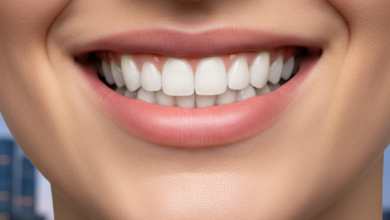
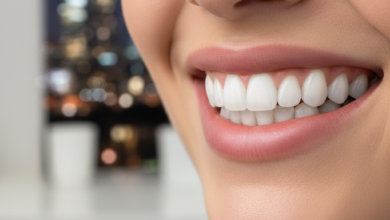
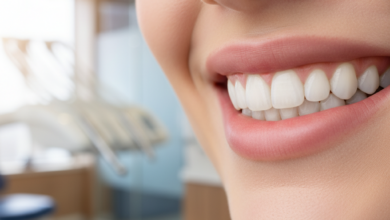
Investing in a radiant, confident smile is a decision many individuals in the UK consider, and dental veneers frequently top the list of desired cosmetic treatments. These thin, custom-made shells, typically crafted from porcelain or composite resin, are meticulously bonded to the front surface of teeth to improve their appearance. They can effectively correct a range of cosmetic concerns, including discolouration, chips, gaps, and minor misalignments, transforming a smile dramatically. However, the question of “Veneers Cost in the UK” is often the first consideration for potential patients, and the answer is not always straightforward due to numerous influencing factors. Understanding these elements is crucial for anyone planning to enhance their smile through this popular cosmetic dental procedure.
Understanding Veneers: A Quick Overview
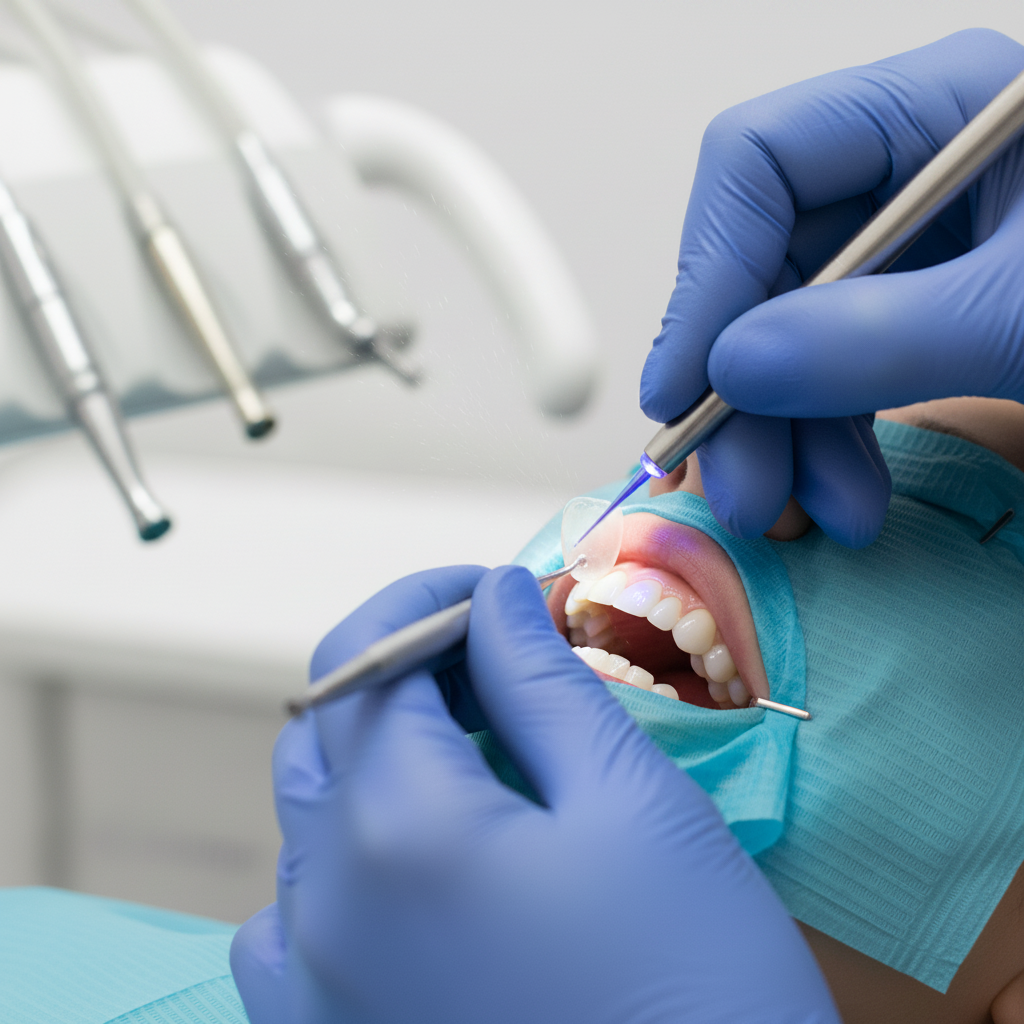
Veneers are a highly sought-after cosmetic dental solution designed to provide a natural-looking, aesthetically pleasing smile. Primarily, there are two main types: porcelain veneers and composite resin veneers. Porcelain veneers are renowned for their durability, stain resistance, and ability to mimic the light-reflecting properties of natural tooth enamel, offering a superior aesthetic outcome. They are custom-made in a dental laboratory, requiring at least two appointments for preparation and bonding. Composite veneers, on the other hand, are made from a resin material applied directly to the tooth and sculpted into shape by the dentist. They are generally less expensive and can often be completed in a single visit, but they may not last as long as porcelain and are more prone to staining. Both options provide significant improvements in dental aesthetics, but their material properties and application methods contribute significantly to their differing costs and longevity.
Factors Influencing Veneers Cost in the UK
The total cost of veneers in the UK is highly variable, influenced by a combination of factors that reflect the complexity of the procedure and the quality of the materials and expertise involved. Understanding these elements can help prospective patients anticipate the financial commitment and make informed choices.
Material Type: Porcelain vs. Composite
The choice of material is arguably the most significant determinant of cost. Porcelain veneers are typically more expensive than composite veneers. This is due to the higher laboratory fees associated with crafting custom porcelain shells, the advanced ceramic materials used, and the intricate artistic skill required to create a perfect match for the patient’s existing teeth. Porcelain offers superior aesthetics, strength, and stain resistance, justifying its higher price point. Composite veneers are often more affordable because the material is applied directly by the dentist and cured, eliminating laboratory costs and potentially reducing chair time. However, their lifespan is generally shorter, and they may require more frequent maintenance or replacement, which could add to long-term costs.
Number of Veneers
The overall price is directly proportional to the number of veneers required. A single veneer to correct one imperfect tooth will naturally be less expensive than a full set of eight or ten veneers for a complete smile makeover. Most patients opt for veneers on their front-facing teeth that are visible when they smile, typically ranging from 4 to 10 veneers per arch. A comprehensive smile transformation involving both upper and lower arches will entail a significantly higher investment.
Clinic Location and Reputation
Dental practices in prime urban locations, particularly in London and other major cities, often have higher overheads, which can translate into higher treatment costs. Similarly, clinics with an outstanding reputation for cosmetic dentistry, state-of-the-art technology, and highly experienced specialists may charge premium fees for their services. Patients are often willing to pay more for the assurance of quality, expertise, and exceptional results that such clinics provide.
Dentist’s Experience and Expertise
The skill and experience of the cosmetic dentist performing the procedure play a crucial role in both the outcome and the cost. Highly experienced dentists who have undergone extensive training in cosmetic dentistry and possess a strong portfolio of successful veneer cases will often charge more. Their expertise ensures precise tooth preparation, accurate veneer placement, and an aesthetic result that perfectly complements the patient’s facial features and oral health. A less experienced practitioner might offer lower prices, but this could potentially compromise the quality and longevity of the veneers.
Preparatory Treatments Required
Before veneers can be fitted, some patients may require preparatory dental work. This could include professional cleaning, gum contouring, tooth whitening (for adjacent teeth that won’t receive veneers), fillings, root canal treatments, or even orthodontic adjustments if significant misalignment exists. Each of these preparatory treatments adds to the overall cost and timeframe of the veneer process. A thorough initial consultation and treatment plan are essential to identify all necessary pre-veneer procedures.
Aftercare and Guarantees
Some clinics include follow-up appointments, maintenance advice, and sometimes a guarantee for their veneers within the overall package price. These inclusions can vary significantly between practices. Understanding what is covered post-treatment, including any warranty against chipping or debonding, is an important aspect of assessing the overall value and long-term cost-effectiveness of the treatment.
Average Veneers Cost in the UK: A Breakdown
To provide a clearer picture, here is an average cost breakdown for veneers in the UK. It is important to note that these figures are estimates and can vary widely based on the factors discussed above. For precise pricing, a personalised consultation with a dental professional is always recommended.
| Veneer Type | Average Cost Per Tooth (GBP) | Longevity (Years) | Key Characteristics |
|---|---|---|---|
| Porcelain Veneer | £700 – £1,200+ | 10 – 15+ | Superior aesthetics, highly durable, stain-resistant, custom-made in lab. |
| Composite Veneer | £250 – £600 | 5 – 7 | More affordable, applied directly, can be repaired, more prone to staining. |
These figures demonstrate a significant difference between porcelain and composite options. While composite veneers offer a more budget-friendly entry point, their shorter lifespan might necessitate replacement sooner, which could make the long-term investment comparable to, or even exceed, that of porcelain veneers. The decision often comes down to balancing initial cost with desired aesthetics, durability, and long-term maintenance.
The Veneer Application Process: What to Expect
Understanding the step-by-step process can demystify the veneer journey and help patients feel more comfortable with their decision. While specific details may vary, the general procedure follows a consistent pattern.
Initial Consultation and Smile Design
The journey begins with a comprehensive consultation. The dentist will assess your oral health, discuss your aesthetic goals, and determine if veneers are the most suitable treatment option for you. This stage often involves taking X-rays, photographs, and digital scans to create a customised treatment plan. Advanced clinics may use digital smile design technology to give you a preview of your potential new smile.
Preparation and Impressions
For porcelain veneers, a small amount of enamel (typically less than a millimetre) is removed from the front surface of the teeth to create space for the veneer. This ensures a natural fit and prevents the veneers from looking bulky. For some ultra-thin or “no-prep” veneers, this step might be minimal or unnecessary. After preparation, precise impressions (moulds) of your teeth are taken and sent to a dental laboratory where your custom porcelain veneers will be crafted. If you are opting for composite veneers, the dentist will meticulously apply the resin directly to the tooth, sculpt it into the desired shape, and harden it with a special light.
Temporary Veneers (if applicable)
While your porcelain veneers are being fabricated in the lab (which can take a few weeks), temporary veneers may be placed to protect the prepared teeth and maintain your aesthetic appearance. These temporary solutions are typically made of a less durable material and are designed to be worn for a short period.
Bonding Permanent Veneers
Once your custom porcelain veneers arrive from the lab, you will return for your final appointment. The dentist will first place the veneers on your teeth to check their fit, shape, and colour. Any minor adjustments can be made at this stage. Once both you and the dentist are satisfied, the teeth are cleaned, polished, and etched to create a strong bonding surface. A special dental cement is then applied, and the veneer is carefully bonded to the tooth using a light to cure the cement. For composite veneers, this final bonding is part of the direct application process in the initial visit. The dentist will then ensure your bite is correct and polish the veneers for a seamless finish.
The Long-Term Value: Longevity and Maintenance
The investment in veneers extends beyond the initial cost, encompassing their longevity and the commitment to proper maintenance. Porcelain veneers can last anywhere from 10 to 15 years, and sometimes even longer, with good oral hygiene and regular dental check-ups. Composite veneers generally have a shorter lifespan, typically 5 to 7 years, before they may need repair or replacement. To maximise the lifespan of your veneers, it is essential to maintain excellent oral hygiene, including brushing twice daily, flossing regularly, and using an antiseptic mouthwash. Avoiding habits like biting on hard objects, chewing ice, or using your teeth to open packages is also crucial. Regular dental visits for professional cleanings and examinations will allow your dentist to monitor the condition of your veneers and address any potential issues promptly. Understanding the enduring benefits of enhancing your smile is key to appreciating the overall value, as outlined in our guide to achieving a Hollywood smile.
Why Consider Dental Tourism for Veneers?
While the focus remains on veneers cost in the UK, it is worth acknowledging that many individuals explore dental tourism as an alternative to achieve their smile goals. Countries like Turkey have become popular destinations for high-quality cosmetic dentistry, often at a significantly lower cost than in the UK. This price difference is usually attributed to lower operational costs, laboratory fees, and sometimes, government support for medical tourism. Patients considering this option should thoroughly research clinics, dentists’ qualifications, and ensure comprehensive aftercare and travel insurance. However, it’s also important to weigh the convenience of local treatment against the potential savings and travel logistics.
Making an Informed Decision About Your Smile Investment

Choosing to get veneers is a significant personal and financial decision. While the veneers cost in the UK is a primary consideration, it should be balanced with factors such as the quality of materials, the dentist’s expertise, the clinic’s reputation, and the long-term durability and maintenance of your new smile. A transparent consultation process that outlines all costs, including any necessary preparatory work and aftercare, is essential. Patients are encouraged to ask questions, compare treatment plans, and prioritise overall value and the expected aesthetic outcome. Ultimately, a beautiful, confident smile is an invaluable asset that can significantly enhance one’s quality of life and self-esteem. For further detailed information on dental veneers, you can refer to authoritative sources such as Wikipedia’s entry on Dental Veneer.