How Much Do Veneers Cost in the UK?
How Much Do Veneers Cost in the UK? Achieving a radiant, flawless smile has become more accessible than ever, with dental veneers leading the way as a popular cosmetic solution. For many in the United Kingdom considering this transformative treatment, the initial question often revolves around the financial investment required. Veneers offer a durable and aesthetically pleasing way to correct a multitude of dental imperfections, from discolouration and chips to gaps and minor misalignments. Understanding the factors that influence the overall cost is crucial for anyone embarking on this journey towards enhanced dental aesthetics. This comprehensive guide aims to demystify the expenses associated with veneers in the UK, providing a clear breakdown of what you can expect to pay and why, ensuring you can make an informed decision about your smile transformation.
Understanding Dental Veneers: Your Path to a Brighter Smile
The Fundamentals: What Exactly Are Veneers?
Dental veneers are thin, custom-made shells designed to cover the front surface of teeth. They are permanently bonded to the teeth, effectively changing their colour, shape, size, or length. Primarily used for cosmetic enhancements, veneers can dramatically improve the appearance of teeth that are stained, chipped, worn down, uneven, or misaligned, as well as closing small gaps between teeth. The treatment is minimally invasive, especially when compared to more extensive procedures, offering a relatively quick path to a significantly improved smile. The custom fabrication ensures a natural look and feel, blending seamlessly with your existing teeth or creating a completely new aesthetic.
Types of Veneers: Porcelain vs. Composite
There are two primary types of dental veneers, each with distinct characteristics and cost implications:
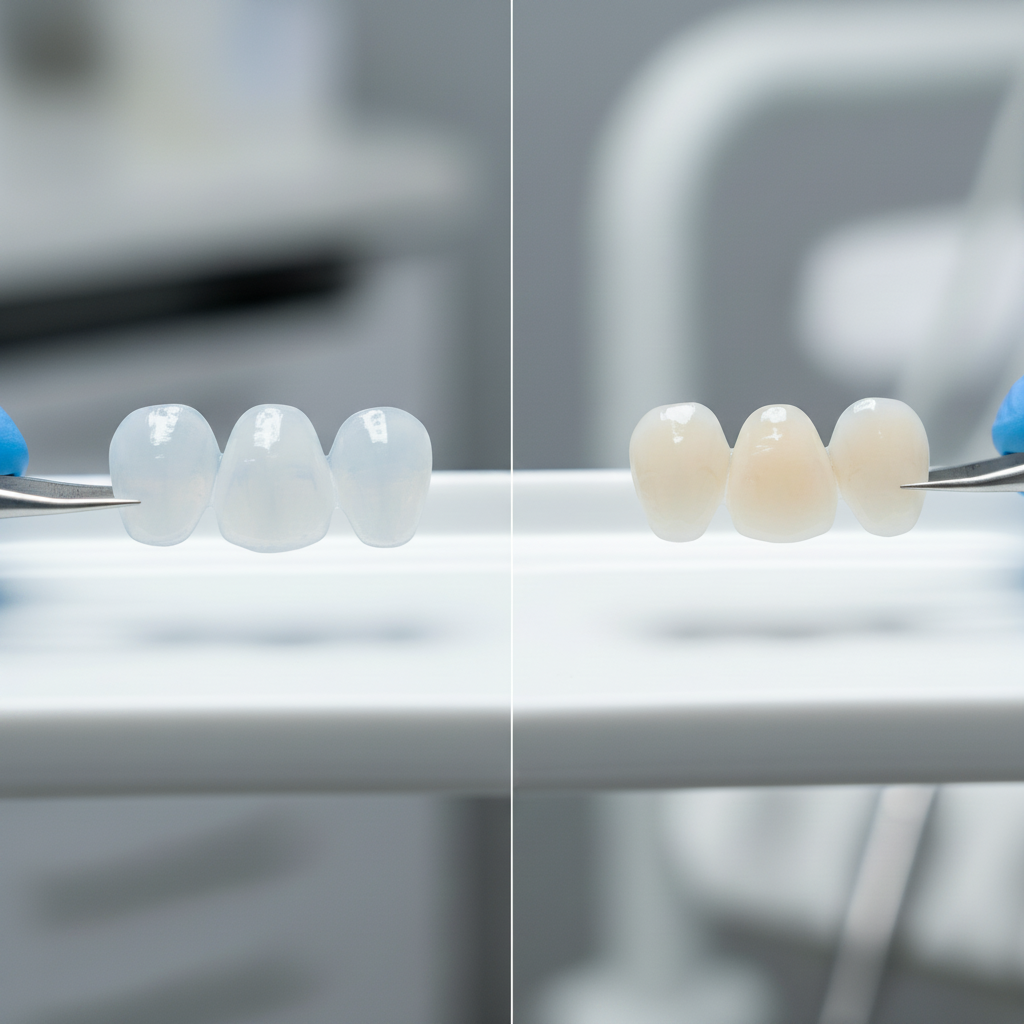
- Porcelain Veneers: These are custom-made in a dental laboratory from impressions of your teeth. Porcelain is renowned for its strength, durability, and aesthetic qualities. It closely mimics the light-reflecting properties of natural tooth enamel, providing a very natural and translucent appearance. Porcelain veneers are highly resistant to stains and can last for 10-15 years or even longer with proper care. The process typically involves at least two appointments: one for preparation and impressions, and a second for bonding the finished veneers.
- Composite Veneers (Bonding): These are made from a tooth-coloured resin material, applied directly to the teeth by the dentist. The material is sculpted and polished to achieve the desired shape and shade. Composite veneers are often a more affordable and quicker option, as they can usually be completed in a single visit. While durable, they are generally less stain-resistant and may not last as long as porcelain veneers (typically 5-7 years), often requiring more frequent repairs or replacements. However, their less invasive nature, often requiring minimal to no removal of tooth enamel, makes them an attractive option for many.
Factors Influencing Veneers Cost in the UK
The overall expense for veneers in the UK is not a fixed price; it’s a dynamic figure influenced by several key variables. Understanding these factors will help you gauge the potential investment required for your smile transformation.
Material Choice: The Primary Cost Driver
As mentioned, the type of material chosen for your veneers is perhaps the most significant determinant of cost. Porcelain veneers, due to their intricate laboratory fabrication process, superior aesthetics, and long-term durability, are considerably more expensive per tooth than composite veneers. The advanced technology and skilled craftsmanship involved in creating bespoke porcelain shells contribute to their higher price point. Composite veneers, being applied directly by the dentist in a single visit, eliminate laboratory fees, making them a more budget-friendly option.
Number of Veneers and Extent of Work
Naturally, the more teeth you wish to treat with veneers, the higher the total cost will be. Most patients opt for veneers on their most visible front teeth, typically 4 to 8 veneers on the upper arch, sometimes extending to the lower arch depending on the smile line. A full mouth of veneers (often 10-12 per arch) represents a substantial investment. The complexity of each individual tooth’s correction can also play a role; for example, a severely discoloured or misaligned tooth might require more precise craftsmanship, marginally increasing its cost.
Clinic Location and Practitioner Expertise
Dental practices in major metropolitan areas, such as London, often have higher overheads, which are reflected in their pricing. Clinics situated in smaller towns or less central locations may offer more competitive rates. Furthermore, the experience and reputation of the cosmetic dentist are crucial. Highly sought-after dentists with extensive portfolios of successful smile transformations and specialist qualifications may charge higher fees for their expertise. Their meticulous approach, advanced training, and use of state-of-the-art technology contribute to the quality of the outcome.
Additional Treatments and Diagnostic Procedures
Before veneers can be fitted, some patients may require preliminary dental work. This could include:
- Comprehensive Consultation and Digital Smile Design: Essential for planning your new smile.
- Gum Contouring: To create an even gum line.
- Teeth Whitening: To ensure surrounding natural teeth match the desired shade of veneers.
- Orthodontic Treatment: In cases of significant misalignment, braces or clear aligners might be recommended before veneers to achieve optimal results and preserve more tooth structure.
- Treatment for Gum Disease or Cavities: All underlying dental health issues must be addressed before cosmetic work.
These additional treatments are not typically included in the per-veneer cost and will add to the overall expense. X-rays, moulds, and digital imaging also contribute to the initial diagnostic phase.
A Detailed Look at UK Veneer Prices
The following table provides approximate cost ranges for dental veneers in the UK. These are estimates, and actual prices will vary based on the factors discussed above, so a personalised quote from your dentist is always essential.
| Veneer Type | Cost Per Tooth (Approx. UK £) | Typical Lifespan |
|---|---|---|
| Composite Veneer | £250 – £500 | 5 – 7 years |
| Porcelain Veneer | £600 – £1,300 | 10 – 15+ years |
As you can see, porcelain veneers represent a higher initial investment, but their superior longevity and aesthetic qualities often make them a preferred choice for those seeking a long-lasting, high-impact smile transformation. For instance, a patient opting for 8 porcelain veneers could expect a total cost ranging from approximately £4,800 to £10,400. In contrast, 8 composite veneers might cost between £2,000 and £4,000.
The Veneers Process: From Consultation to Dazzling Smile
Initial Consultation and Smile Design
The journey begins with a thorough consultation. Your dentist will assess your oral health, discuss your aesthetic goals, and determine if veneers are the right solution for you. This often involves taking X-rays, photographs, and possibly digital scans to create a precise “smile design” preview. This crucial planning stage ensures that the final result aligns with your expectations and complements your facial features. During this phase, any preliminary treatments, such as gum reshaping or necessary fillings, are identified and discussed.
Preparation and Impression Taking
For porcelain veneers, a small amount of enamel (typically less than a millimetre) is carefully removed from the front surface of the teeth to make space for the veneer and ensure a natural fit. This step is conservative to preserve as much natural tooth structure as possible. After preparation, accurate impressions or digital scans of your teeth are taken and sent to a dental laboratory, where skilled technicians custom-fabricate your porcelain veneers. Temporary veneers may be placed to protect your prepared teeth and maintain aesthetics while your permanent veneers are being made. For composite veneers, this preparation is often minimal or not required at all, as the resin is directly applied and sculpted.
Fitting and Final Adjustments
Once the porcelain veneers are ready, you will return for your fitting appointment. The dentist will first place the veneers on your teeth to check their fit, colour, and shape. Any minor adjustments can be made at this stage. Once you and your dentist are completely satisfied with the appearance, the teeth are cleaned, etched, and the veneers are permanently bonded using a strong dental adhesive. A special light is used to cure the cement, ensuring a strong bond. For composite veneers, the dentist builds up the resin layer by layer, shaping and polishing it until the desired result is achieved, all in one appointment.
Longevity, Maintenance, and Maximising Your Investment
Caring for Your Veneers
Veneers, particularly porcelain ones, are highly durable but not indestructible. Good oral hygiene is paramount:
- Brush and Floss Regularly: Treat your veneered teeth just like your natural teeth, brushing at least twice a day and flossing daily.
- Avoid Damaging Habits: Refrain from biting hard objects (like ice or fingernails), using your teeth as tools, or grinding/clinching your teeth. If you grind your teeth at night, your dentist might recommend a night guard.
- Regular Dental Check-ups: Continue with routine dental examinations and professional cleanings. Your dentist can monitor the condition of your veneers and address any issues promptly.
- Watch Your Diet: While porcelain veneers are stain-resistant, excessive consumption of highly staining foods and drinks (e.g., coffee, red wine) can still affect surrounding natural teeth, creating a colour mismatch over time. Composite veneers are more prone to staining and may require more careful dietary choices.
Following these guidelines can significantly extend the life of your veneers, helping you get the most value from your initial investment. Further information on maintaining a brilliant smile can be found in resources like The Ultimate Guide to Achieving a Hollywood Smile.
The Long-Term Value of Veneers
Considering the upfront cost, it’s important to view veneers as a long-term investment in your confidence and oral aesthetics. While composite veneers are more affordable, their shorter lifespan means they might require replacement sooner, potentially leading to similar long-term costs as porcelain when factoring in repeated procedures. Porcelain veneers, despite their higher initial price, often prove more cost-effective over a decade or more due to their durability and minimal maintenance needs beyond routine hygiene. The psychological benefits of an improved smile – enhanced self-esteem, better social interactions, and a more youthful appearance – are often considered priceless by those who undergo the procedure. For those seeking detailed, unbiased information on dental veneers, reliable sources such as Wikipedia’s entry on Dental Veneer can provide a broader scientific context.
Choosing to invest in veneers is a personal decision, and understanding the financial implications is a crucial first step. By considering the various factors influencing veneers cost in the UK, researching reputable clinics, and having a detailed discussion with your dentist, you can confidently plan your journey to the smile you’ve always desired.