How Much Do Veneers Cost in the UK?

These figures illustrate that a single porcelain veneer could cost as much as £1,000 or more, while a single composite veneer might range from £200 to £500. For a full set of 8-10 porcelain veneers, the total investment could easily range from £4,000 to £10,000 or even higher. Composite veneers for a similar number of teeth would typically be less, perhaps between £1,600 and £5,000. It is crucial to obtain a detailed breakdown from your chosen clinic, ensuring all aspects of the treatment are included in the quote.
How Much Do Veneers Cost in the UK?
Embarking on a journey to transform your smile often leads to considering dental veneers. These thin, custom-made shells, designed to cover the front surface of teeth, can dramatically improve the appearance of discoloured, chipped, misaligned, or uneven teeth. They offer a durable and aesthetically pleasing solution for a variety of cosmetic dental concerns. However, one of the most pressing questions for anyone exploring this option, particularly in the United Kingdom, is naturally, “What is the investment required?” The cost of veneers in the UK is not a fixed figure; it fluctuates significantly based on several crucial factors. Understanding these variables is key to setting realistic expectations and budgeting effectively for your desired smile transformation. From the type of material chosen to the expertise of the dental professional and the location of the clinic, each element plays a role in the final price tag. This comprehensive guide aims to demystify the financial aspects of veneers in the UK, helping you make an informed decision for your dental health and aesthetic goals.
Factors Influencing Veneers Cost in the UK
The price you pay for veneers can vary widely, reflecting the bespoke nature of cosmetic dentistry. Several key elements contribute to the overall cost:
- Material Type: The most significant factor influencing cost is the material used. Porcelain veneers are generally more expensive than composite veneers due to their superior durability, stain resistance, and lifelike appearance. Porcelain requires laboratory fabrication by skilled ceramists, adding to the cost. Composite veneers, on the other hand, are typically applied directly to the tooth by the dentist in a single visit, making them a more economical choice.
- Number of Veneers: The total cost will naturally scale with the number of teeth being treated. While some patients opt for just one or two veneers to correct specific imperfections, others may choose a full set (often 6-10 veneers per arch) for a complete smile makeover.
- Clinic Location: Dental practices in major cities, especially London, tend to have higher overheads, which are often reflected in their treatment prices. Clinics in smaller towns or rural areas might offer more competitive rates.
- Dentist’s Experience and Reputation: Highly experienced cosmetic dentists with extensive training and a strong portfolio of successful veneer cases often command higher fees. Their expertise ensures precision, artistry, and long-lasting results, which many patients consider a worthwhile investment.
- Preliminary Treatments: Before veneers can be fitted, some patients may require preparatory dental work. This could include professional cleaning, gum reshaping, root canal treatment, or even orthodontics if significant misalignment is present. These additional treatments will add to the overall expense.
- Technology Used: Advanced dental technology, such as digital smile design, 3D imaging, and CAD/CAM (Computer-Aided Design/Computer-Aided Manufacturing) systems, can enhance precision and efficiency. Clinics utilising such cutting-edge tools might factor these investments into their pricing.
- Aftercare and Warranty: Some clinics include comprehensive aftercare packages, including follow-up appointments, maintenance advice, and even warranties against chipping or debonding, which can influence the initial cost.
Average Veneers Cost Breakdown in the UK
To provide a clearer picture, here’s an estimated cost breakdown for veneers in the UK. It’s important to remember that these are averages and actual prices will vary based on the factors listed above. It is always best to consult with a dental professional for an accurate quotation tailored to your specific needs.
| Veneer Type | Average Cost Per Tooth (Low-End) | Average Cost Per Tooth (High-End) |
|---|---|---|
| Composite Veneers | £200 | £500 |
| Porcelain Veneers | £500 | £1,000+ |
The Veneer Process and What’s Included in the Price
Understanding what the cost covers can help in appreciating the value of veneers. The process typically involves several stages, each requiring significant expertise and resources.
- Initial Consultation and Examination: This crucial first step involves a thorough dental examination, X-rays, and a discussion of your aesthetic goals. The dentist assesses your oral health, determines if you are a suitable candidate for veneers, and explains the treatment options.
- Treatment Planning and Smile Design: Using impressions, photographs, and sometimes digital imaging software, the dentist plans your new smile. This stage ensures the veneers will complement your facial features and bite.
- Tooth Preparation: For porcelain veneers, a small amount of enamel (usually less than a millimetre) is carefully removed from the front surface of the teeth to create space for the veneer. For composite veneers, this preparation is often minimal or not required at all.
- Impressions: Highly accurate impressions of your prepared teeth are taken. These are sent to a dental laboratory where skilled technicians custom-craft your porcelain veneers. For composite veneers, the material is applied directly at this stage.
- Temporary Veneers: While your permanent porcelain veneers are being made, temporary veneers may be placed to protect your teeth and maintain aesthetics.
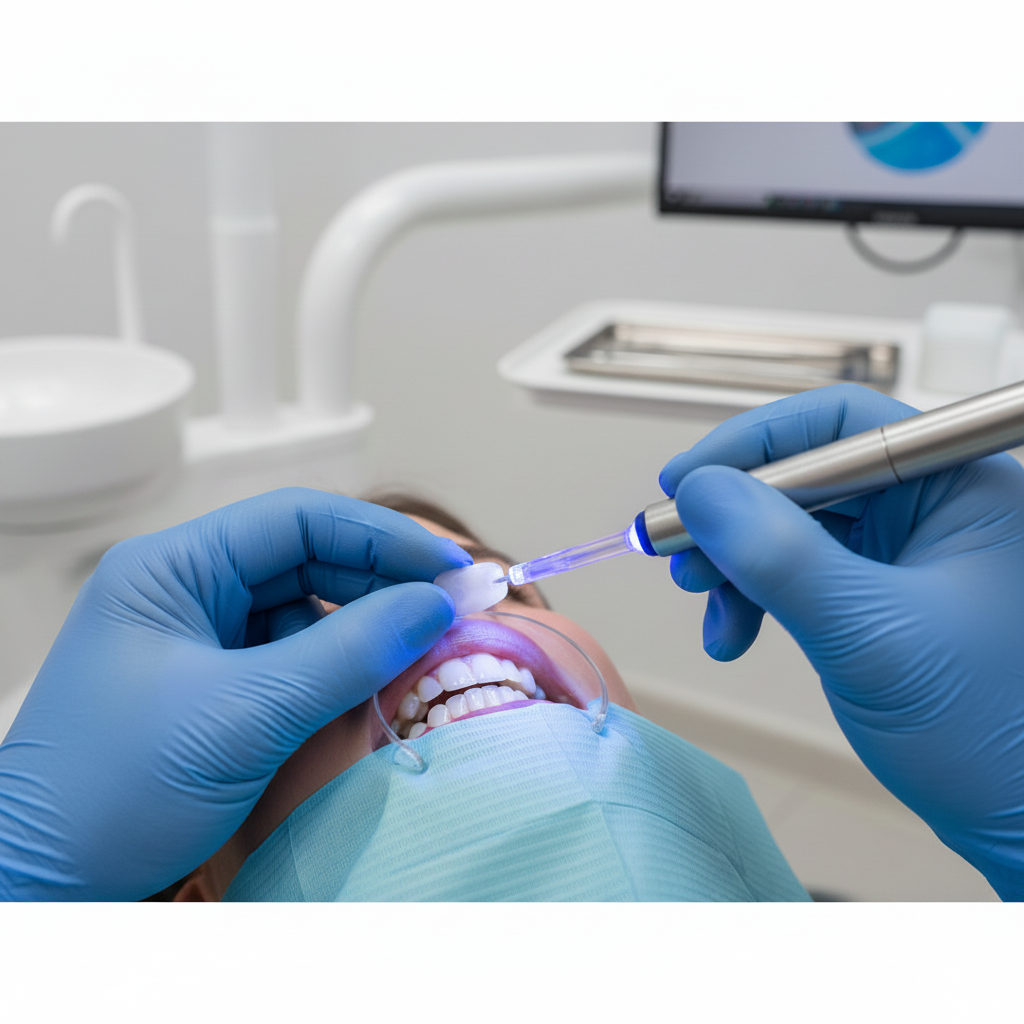
- Veneer Bonding: Once the custom veneers arrive from the lab, they are carefully checked for fit, colour, and shape. The teeth are cleaned and etched, and a strong dental adhesive is used to bond the veneers permanently to the tooth surface. A special light cures the cement, ensuring a strong bond.
- Follow-up Appointment: A follow-up appointment is typically scheduled a few weeks after placement to check the fit, bite, and overall comfort of your new veneers.
The cost quoted by clinics usually encompasses these steps, including the materials, lab fees (for porcelain), and the dentist’s time and expertise.
Porcelain Veneers vs. Composite Veneers: A Cost-Benefit Analysis
The choice between porcelain and composite veneers often comes down to balancing aesthetics, durability, and cost.
- Porcelain Veneers:
- Pros: Exceptional aesthetics (mimic natural tooth enamel), highly durable, resistant to stains, long lifespan (10-15 years or more with proper care), require minimal maintenance.
- Cons: Higher upfront cost, irreversible procedure (enamel removal), longer treatment time (multiple appointments), not easily repairable if chipped.
- Composite Veneers:
- Pros: More affordable, quicker application (often a single visit), reversible or easily repairable, less tooth reduction required.
- Cons: Less durable than porcelain (typically last 5-7 years), more prone to staining, not as aesthetically refined as porcelain, may require more frequent maintenance or polishing.
Your dentist can help you weigh these pros and cons based on your specific needs, budget, and desired outcome.
Are Veneers an Investment? Long-Term Value
Considering the upfront cost, many prospective patients ponder if veneers are a worthwhile investment. For those seeking to address significant cosmetic concerns that impact their confidence and quality of life, the answer is often a resounding yes. Veneers offer a long-term solution that can last for many years, providing a beautiful, functional smile. This aesthetic improvement can boost self-esteem, enhance social interactions, and even positively influence professional opportunities. The longevity of porcelain veneers, in particular, means that while the initial cost is higher, the per-year cost can be competitive when compared to more frequent touch-ups or replacements needed for less durable alternatives. Proper oral hygiene, regular dental check-ups, and avoiding habits like biting on hard objects are crucial for maximising the lifespan of your veneers and protecting your investment. For more insights into achieving a radiant smile, consider exploring the ultimate guide to achieving a Hollywood smile.
Navigating Financing Options for Veneers in the UK
Given the substantial investment, many UK dental practices offer various financing options to make veneers more accessible:
- Payment Plans: Many clinics provide interest-free or low-interest payment plans, allowing you to spread the cost over several months or even years.
- Dental Loans: Specialist medical finance companies offer loans specifically for dental treatments, often with competitive interest rates.
- Personal Savings: Some patients prefer to save up for the treatment or use existing savings.
It’s advisable to discuss financing options directly with your chosen clinic’s administrative staff to understand what possibilities are available.
Exploring Alternatives to Veneers
While veneers are highly effective, they might not be the right solution for everyone. Several alternatives can address similar concerns, often at a different price point:
- Teeth Whitening: For discolouration, professional teeth whitening is a less invasive and more affordable option.
- Dental Bonding: Similar to composite veneers, bonding uses tooth-coloured resin to repair chips, cracks, or gaps, often at a lower cost per tooth than composite veneers, but typically for smaller areas.
- Orthodontics: For misaligned teeth, traditional braces or clear aligners (like Invisalign) can correct the underlying problem, offering a permanent solution for alignment, although the treatment time is longer.
- Crowns: For severely damaged or weakened teeth, a dental crown might be a more appropriate and protective solution, fully encasing the tooth.
A thorough consultation with your dentist will help determine the most suitable treatment plan for your individual situation.
Considering Dental Tourism for Veneers
It is also worth noting that many individuals from the UK explore dental treatment options abroad, a phenomenon known as dental tourism. Countries like Turkey, Hungary, and Poland have gained popularity for offering cosmetic dental procedures, including veneers, at significantly lower costs than in the UK, without necessarily compromising on quality. These savings often stem from lower operating costs and different economic structures in those countries. Patients considering this option should thoroughly research clinics, dentists’ qualifications, and patient reviews, and factor in travel and accommodation expenses. While the upfront cost might be lower, it’s important to consider potential complexities related to aftercare or follow-up appointments when choosing to have treatment performed internationally. For more detailed information on dental veneers, their application, and care, a comprehensive resource such as Wikipedia’s entry on Dental Veneers can provide valuable background.
Choosing the Right Clinic and Dentist
Ultimately, the decision to get veneers is a significant one, both cosmetically and financially. When choosing a clinic in the UK, look beyond just the price. Consider the following:
- Dentist’s Expertise: Seek a dentist with a proven track record in cosmetic dentistry and specific experience with veneers.
- Clinic Reputation: Read patient testimonials and reviews.
- Technology and Materials: Inquire about the quality of materials used and the technology employed.
- Consultation Process: A good clinic will offer a thorough consultation, explaining all options, risks, and expected outcomes.
- Communication: Ensure clear and transparent communication about costs, treatment plans, and aftercare.
Investing in veneers is an investment in your smile and confidence. By understanding the cost implications and the various factors at play, you can make a well-informed decision that leads to the beautiful, healthy smile you desire.