NHS vs Private Dental Costs – Full Comparison
Checked by our editorial team. Clinical review by a dentist: planned, not yet done for this article.

Understanding NHS Dental Care and Its Costs
The NHS provides essential dental treatment to maintain good oral health. Its primary aim is to offer necessary care, not cosmetic enhancements. Costs for NHS dental treatment are set nationally and are categorised into three distinct bands. These bands simplify the charging structure, meaning you pay a fixed fee for a course of treatment, regardless of how many items are included within that band. The fees are updated annually by the government.For example, a Band 1 charge covers examinations, diagnosis (including X-rays), advice on how to prevent future problems, and scale and polish if clinically needed. A Band 2 charge includes everything in Band 1, plus additional treatments such as fillings, root canal treatment, or extractions. Band 3 encompasses all treatments in Bands 1 and 2, plus more complex procedures like crowns, dentures, and bridges. It is important to remember that these charges are for clinically necessary treatments. If a treatment is primarily for cosmetic reasons, it may not be available on the NHS, or you may be offered a private alternative.
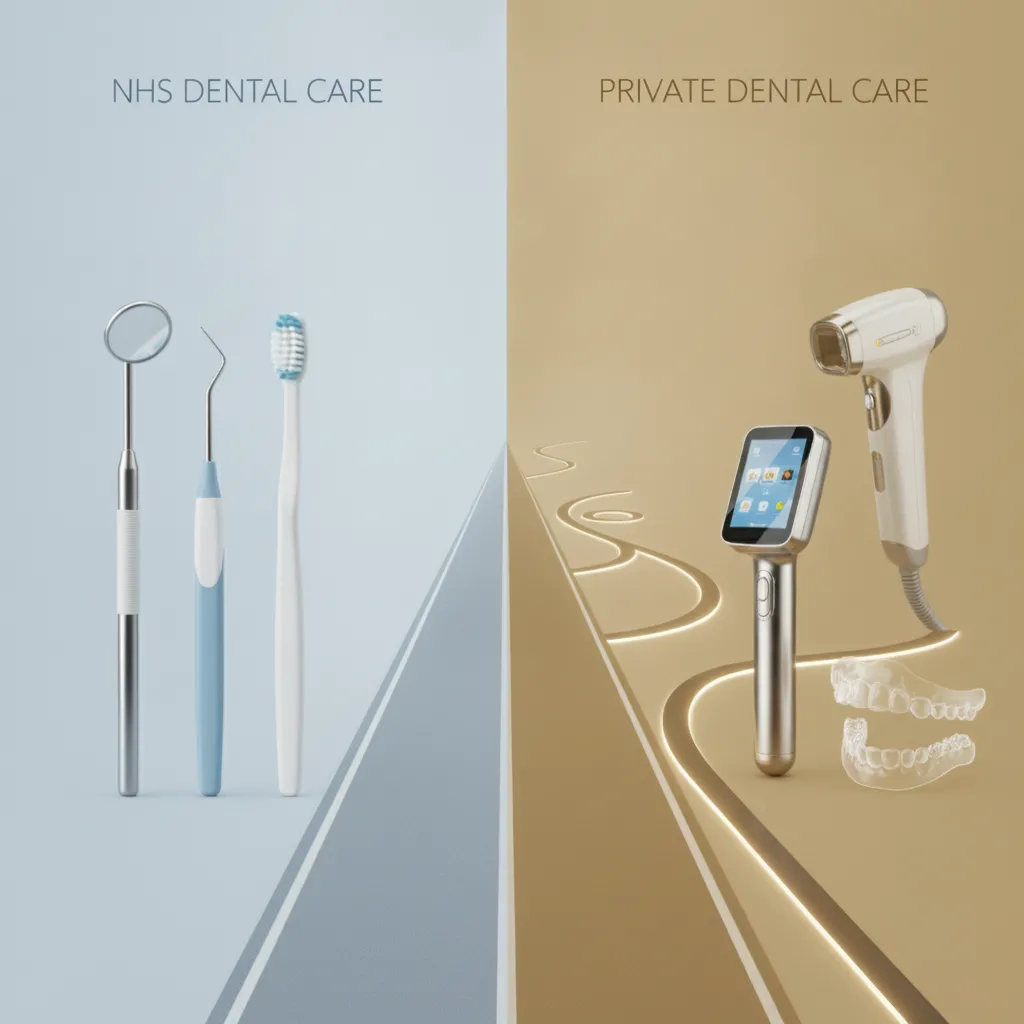
While the NHS aims to make dental care accessible, several factors can make it challenging for patients. Finding an NHS dentist currently accepting new patients can be difficult, leading to long waiting lists, especially for routine check-ups or non-urgent treatments. Furthermore, the materials used in NHS treatments are typically standard. For instance, while amalgam fillings are common on the NHS due to their durability and cost-effectiveness, tooth-coloured composite fillings might be available only in specific circumstances or as a private upgrade. The focus remains on functional restoration rather than aesthetic preference. For a detailed breakdown of current NHS dental charges, you can refer to official guidelines and resources such as NHS Dental Charges Explained.
Exploring Private Dental Care and Its Varied Expenses
Private dental care offers a significantly broader spectrum of treatments, greater flexibility, and often access to advanced technologies and materials. Unlike the fixed fees of the NHS, private dental costs are determined by individual practices, taking into account factors such as the dentist’s experience, the clinic’s location, the complexity of the procedure, and the quality of materials used. This means prices can vary considerably from one private practice to another.One of the main advantages of private dentistry is the absence of restrictions on treatment choice. Patients can opt for a wider range of cosmetic procedures, such as teeth whitening, porcelain veneers, and invisible braces, which are generally not available on the NHS. Private practices also tend to offer more flexible appointment times, often including evenings and weekends, reducing the waiting times that are common within the NHS system. Patients often report a more personalised experience, with longer consultation times and more in-depth discussions about treatment options and preventative care.
The materials used in private dentistry are frequently of higher quality and offer better aesthetic results. For example, while the NHS might primarily offer metal crowns for back teeth, private practices commonly provide zirconia or Emax crowns, which are known for their strength and natural appearance. Modern diagnostic equipment, such as 3D imaging and digital scanners, is also more prevalent in private clinics, leading to more precise diagnoses and treatment planning. Although the upfront cost of private dental care is higher, many patients view it as an investment in their long-term oral health and aesthetic desires.
NHS vs Private Dental Costs: A Detailed Comparison
The most direct way to understand the financial implications of choosing between NHS and private dental care is through a side-by-side comparison of common treatments. It’s important to note that private fees are estimates and can fluctuate widely, whereas NHS fees are fixed national charges.| Treatment | Typical NHS Cost (UK, Bands 2024/2025) | Key Differences |
|---|---|---|
| Routine Check-up & Scale/Polish | Band 1 (£27.90) | NHS provides basic cleaning; Private often includes more thorough cleaning, longer appointments, and specific techniques. |
| White (Composite) Filling | Band 2 (£76.60 – if clinically necessary for front teeth) | NHS use often restricted to visible teeth; Private offers choice for all teeth, often with higher quality materials and aesthetic matching. |
| Amalgam (Metal) Filling | Band 2 (£76.60) | Standard on NHS; less common privately unless specifically requested or for certain structural needs. |
| Tooth Extraction | Band 2 (£76.60) | NHS covers simple extractions; Private may include more complex extractions, sedation options, and follow-up care. |
| Root Canal Treatment | Band 2 (£76.60 – per course of treatment) | NHS limited to simple cases, often standard materials; Private offers specialist endodontist options, advanced techniques, and microscope use for higher success rates. |
| Crown (Porcelain/Metal) | Band 3 (£332.10) | NHS offers standard metal-ceramic or basic full metal; Private provides a wide range of aesthetic options (zirconia, Emax), greater customisation, and a choice of dental laboratories. |
| Denture (Full or Partial) | Band 3 (£332.10) | NHS provides functional acrylic dentures; Private offers more comfortable, aesthetic, and customisable options (e.g., chrome cobalt, flexible dentures). |
| Teeth Whitening | Not available on NHS (cosmetic) | Exclusively a private cosmetic procedure. |
| Dental Implants | Extremely rare, only in exceptional clinical circumstances (e.g., trauma) | Primarily a private treatment, offering a permanent solution for missing teeth with advanced surgical techniques. |
NHS charges shown are the England rates: Band 1 £27.90, Band 2 £76.60, Band 3 £332.10, urgent treatment £27.90 (source: NHS, checked October 2026). Charges are different in Scotland, Wales and Northern Ireland.
As evident from the table, the initial cost difference can be substantial. However, it’s essential to look beyond the immediate price tag and consider the value proposition, the longevity of the treatment, and the overall experience. While NHS fees are a flat rate per band, private costs are itemised and reflect the individual components of the treatment, including materials, lab fees, and the dentist’s time and expertise.
Beyond the Price Tag: Other Factors to Consider
Waiting Lists and Appointment Availability
NHS dentistry often struggles with capacity, leading to significant waiting times for appointments, particularly for routine check-ups or non-urgent procedures. Finding an NHS dentist who is currently accepting new adult patients can be a considerable challenge in many areas of the UK. Private practices, conversely, typically offer greater flexibility with appointments, shorter waiting times, and extended opening hours, which can be invaluable for those with busy schedules.Range of Treatments and Cosmetic Options
The NHS focuses on providing essential care to maintain basic oral health. This means many cosmetic treatments, such as teeth whitening, veneers, and certain types of orthodontic treatments, are not available. Private dentistry, on the other hand, offers a comprehensive suite of cosmetic and advanced restorative options, allowing patients to achieve specific aesthetic goals that go beyond functional necessity. This is particularly relevant for those seeking a “smile makeover” or more advanced solutions like dental implants. For more information on the National Health Service in general, you can visit Wikipedia’s entry on the NHS.Quality of Materials and Technology
Private practices frequently invest in the latest dental technology and utilise premium materials. This can translate into more precise diagnoses, more comfortable procedures, and longer-lasting, aesthetically superior results. For example, private clinics might use digital impressions instead of traditional moulds, offer laser dentistry for certain procedures, or provide crowns made from highly aesthetic and durable materials like full ceramic. While NHS materials are perfectly adequate for functional restoration, private options often provide an upgrade in terms of performance and appearance.Continuity of Care and Patient Experience
Many private patients value the continuity of care they receive, often seeing the same dentist for many years. This builds trust and allows the dentist to have a deep understanding of the patient’s oral health history and preferences. Private appointments also tend to be longer, allowing for more in-depth discussions, thorough examinations, and a more relaxed environment. The overall patient experience, from reception to treatment, is often tailored to be more comfortable and personalised in a private setting.Hybrid Approaches and Dental Tourism
It’s not always an either/or situation. Many individuals opt for a hybrid approach, using the NHS for routine check-ups and emergency treatments, while choosing private care for specific procedures that are not available on the NHS or where they desire higher quality materials or aesthetic outcomes. This allows them to balance cost-effectiveness with access to advanced treatments. Furthermore, with the rising costs of private dental care in the UK, an increasing number of people are considering dental tourism. This involves travelling abroad for significant dental procedures, where costs can be considerably lower than private rates in the UK, even after factoring in travel and accommodation. For complex treatments like multiple dental implants or full mouth restorations, the savings can be substantial, making high-quality dental care more accessible.Making an Informed Decision
The decision between NHS and private dental care is highly personal and depends on individual circumstances, priorities, and budget. If your primary concern is affordability and you only require essential, functional treatments, the NHS provides a vital service at a standardised, lower cost. However, if you prioritise immediate access to appointments, a wider choice of treatments (especially cosmetic), advanced materials and technology, and a more personalised patient experience, then private dentistry may be the more suitable option, despite the higher financial outlay.
Before making a choice, it’s advisable to discuss all available options with your dentist. Ask about the costs, the types of materials that will be used, and the expected outcomes for both NHS and private routes. Consider your long-term oral health goals, your aesthetic preferences, and what level of investment you are willing to make in your smile. By weighing all these factors, you can confidently choose the dental care path that is right for you.
For details of each NHS band, see NHS dental charges explained.